

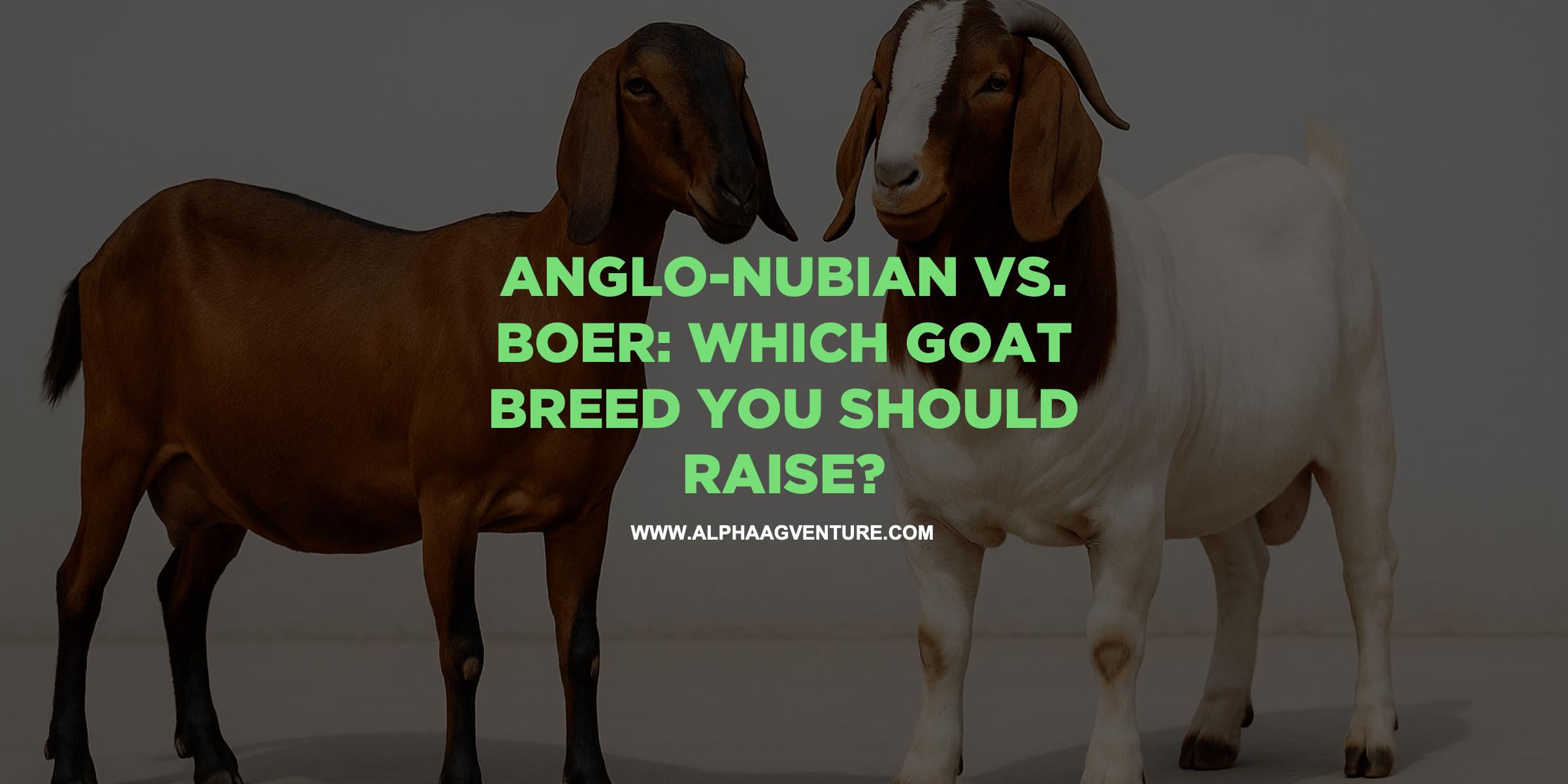
When I first got into goat farming years ago, I thought breed selection was as simple as picking the more popular or more expensive one. But as I quickly learned—often the hard way—choosing the right goat breed is never about popularity. It’s about purpose. And in the Philippines, where climate, forage availability, and market demand vary from region to region, your breed choice can make or break your farm.
Two names often dominate the conversation: the Boer and the Anglo-Nubian. Both are well-known, well-documented, and widely used in Philippine farms, yet they serve different purposes and perform differently depending on management, environment, and market goals. I’ve worked with both breeds over the years, and I’ve seen them shine—and struggle—in different situations.
This article is my attempt to help you, a fellow serious goat raiser or animal science professional, make an informed, experience-backed decision. We’ll walk through each breed’s traits, strengths, limitations, economic return, and suitability under real-world Philippine conditions—not just textbook data. And more importantly, I’ll cite actual local studies and field research conducted by institutions like PCAARRD, UPLB, DA-BAI, PhilMech, and others, so we’re not just relying on foreign assumptions or anecdotal talk.
While there’s plenty of information online, I noticed a shortage of deep, contextual comparisons that reflect our climate, our disease pressures, and our markets here in the Philippines. This is the gap I hope to fill for you in this article.
Before we get started, let me also extend a warm invitation to my Goat Farming Seminar—a practical, boots-on-the-ground program where we dissect breed selection using real-life case studies, including Boer and Anglo-Nubian crosses, native lines, and commercial hybrids. If you’re serious about profitability and long-term sustainability, I promise it’s worth your time.
Now, let’s get to know these breeds properly—and figure out which one truly belongs on your farm.
Understanding the Breeds: A Profile
Choosing between Boer and Anglo-Nubian goats starts with understanding their origins, genetic traits, and their purpose in livestock production. These aren’t just “big goat vs. milk goat” decisions—each breed has layers of complexity that deserve a close look, especially in the context of Philippine farms. Let’s begin with each breed’s profile and how they typically perform in our local conditions.
The Boer Goat: Built for Meat Production
The Boer goat is a true meat breed. Developed in South Africa in the early 20th century, the Boer was bred specifically for fast growth, high carcass yield, and strong maternal traits. What makes it stand out immediately is its heavy muscling, broad chest, and rapid weight gain. In controlled settings, purebred Boers can gain over 200 grams per day, although in tropical Philippine systems, growth rates are typically closer to 120–150 g/day, depending on forage quality and health status (PCAARRD, 2016).
I’ve always appreciated how hardy imported Boers can be—but only after they’ve been properly acclimatized. Their first six months in the Philippines, however, are often the most challenging. Imported Boers are more prone to heat stress and heavy parasitic loads compared to our native goats. In fact, a study by the Bureau of Animal Industry (2019) reported that imported Boer goats had a 17% higher mortality rate in their first year when raised on farms lacking adequate shade and deworming protocols. This is rarely an issue for island-born Boers, which are already adapted to our local climate and farm conditions.
That said, once they adapt, they produce superior meat conformation, especially when crossed with native does. These crossbreeds are commonly called “Boer grades” and fetch better prices per kilo in both auction and direct-market systems. In some regions, such as Central Luzon and Bukidnon, these crosses are the standard for backyard commercial meat production.
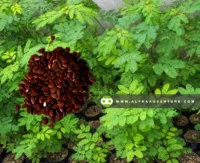
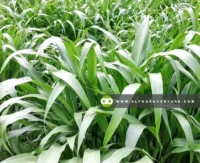
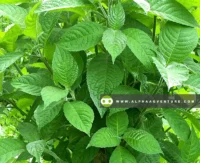
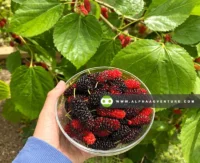
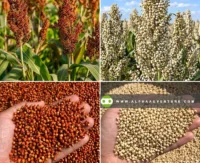
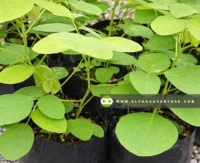
Boers require high nutritional input to reach their full potential. This means farmers must be ready with nutrient-dense forage like our corn silage, Super Napier, Madre de Agua, Indigofera, Flemingia, Rensonii, Mulberry, and Guatemala grass. These aren’t just fillers—they’re strategic components in building muscle and supporting weight gain. I emphasize this heavily during my Goat Farming Seminar, especially for those targeting the meat niche, because without proper forage or commercial feed supplementation, even the best genetics can fall short.



The Anglo-Nubian Goat: The Tropical Dairy Performer
On the other side of the spectrum, we have the Anglo-Nubian—a dairy breed with Middle Eastern and English bloodlines. What I find most fascinating about Nubians is their dual-purpose appeal. They’re recognized for high butterfat milk, typically averaging 4.5% to 5.5%, which makes their milk ideal for small-scale cheese and yogurt processing.
In Philippine studies conducted by DA-BAR (2018) and UPLB-DTRI (2020), Anglo-Nubians under proper management yielded between 1.2 to 2.4 liters of milk per day across a 210-day lactation period. That’s solid performance for tropical conditions—especially compared to native goats, which average below 0.5 liters/day. Nubians are also less skittish than other dairy breeds like Saanen, making them easier to handle, particularly for new dairymen.
What many don’t realize is that Nubians are also fairly heat-tolerant. Their long, floppy ears are not just cosmetic—they help dissipate heat efficiently. A PCAARRD (2021) heat stress study showed that Anglo-Nubians had lower respiration rates and cortisol levels than Boers when exposed to direct sun for several hours—a big win in open-range systems common in the Visayas.
Another plus is their adaptability to semi-intensive or backyard setups, especially where there’s a mix of crop residues and native forage. However, they are prone to parasitism in wet areas. This is where integrated pasture rotation or strategic deworming (based on fecal egg counts) is crucial. If this is new territory for you, we walk through fecal-based deworming methods in my seminar’s health management module.
From a temperament perspective, I personally find Nubians gentler than Boers. They vocalize a lot—yes, sometimes too much—but they’re less aggressive during feeding time and easier to socialize, especially when hand-raised.
The Middle Ground: Why Profiles Matter
It’s easy to label Boers as “meat goats” and Nubians as “milk goats,” but that’s an oversimplification. Breed profiles give us insight into feed conversion, reproductive tempo, health risks, and market alignment. Every farm has different goals. Whether you want quick cash turnover from meat, or a long-term dairy enterprise with value-added processing, breed profiling sets the direction.
In the next section, I’ll compare how both breeds actually perform under Philippine conditions—using data from local trials and field projects.
Performance in Philippine Conditions
When I’m asked, “Which goat is better for Philippine conditions?” I always say, “It depends how well you understand the data.” Because while breed characteristics are important, actual performance in our local climate, forage systems, and disease environment is what really matters.
I’ve worked with farms in Nueva Ecija, Bukidnon, Batangas, and even Ilocos Norte. And while both Boer and Anglo-Nubian goats have potential, how they perform on your farm will depend on their growth rates, feed conversion, resilience to stress, and mortality trends under tropical management.
Let’s break it down.
Growth Rates and Weight Gain
In a controlled study conducted by the Philippine Council for Agriculture, Aquatic and Natural Resources Research and Development (PCAARRD, 2021) at their Los Baños station, Boer goats raised under a semi-confined, forage-based system recorded an average daily gain (ADG) of 138 grams/day during the first four months. Meanwhile, Anglo-Nubian bucks under similar management reached only 92 grams/day. Native goats, for comparison, averaged 45 grams/day.
Interestingly, when Boer bucks were crossed with native does, the offspring (often called Boer grades or F1 crosses) showed a 19% improvement in growth rate compared to purebred Nubians and a 40% improvement over native lines (PhilGoat Project, 2021).
These figures highlight why many meat-focused farmers lean toward Boer and its hybrids. But the story doesn’t end there.
Milk Yield and Lactation Performance
When it comes to milk production, Anglo-Nubians outperform Boers significantly. A study by the Dairy Training and Research Institute (UPLB-DTRI, 2020) tested both breeds under shaded, twice-daily milking systems using leguminous forage and molasses-mineral blocks. Results showed:
- Anglo-Nubians: 1.8–2.4 liters/day
- Boers: <0.6 liters/day (often used only to nurse kids)
- Native goats: 0.2–0.4 liters/day
Moreover, the milk butterfat content from Nubians consistently stayed around 4.8%, ideal for local cheese-making startups. Some backyard producers in Laguna and Quezon use small Nubian herds for “milk-to-order” setups, with prices ranging from ₱100 to ₱150 per liter, especially when sold raw or as yogurt.
In short, if your goal is milk, Boer isn’t your goat.
Mortality and Disease Resilience
I always warn farmers that imported Boers, while impressive in size, are more vulnerable in their first year in the Philippines. A report by DA-BAI (2019) covering goat adaptation in Region II and Region IV-A recorded the following 12-month mortality rates:
- Boer (imported stock): 22%
- Boer crosses: 12–14%
- Anglo-Nubian: 10%
- Native goats: 4–6%
Boers had higher susceptibility to parasitic gastroenteritis, especially in wet months, while Anglo-Nubians fared better, thanks in part to their longer ears and thinner coat—features that help with thermoregulation and fly avoidance.
To address this, I teach proactive parasite management in my Goat Farming Seminar, including how to build a fecal monitoring routine and the benefits of rotational deworming, especially in backyard or lowland grazing areas.
Feed Conversion Efficiency (FCE)
Boers consume more—but they grow more. A feed trial by CLSU’s College of Agriculture (2020) found that Boer kids required about 5.8 kg of dry matter intake to gain 1 kg of body weight, while Anglo-Nubians needed 6.9 kg/kg gain. This means Boers are more efficient—if you have access to quality forage or are willing to invest in supplementation.
The same study showed that Boer x native crosses had a balanced FCE of 6.1 kg/kg, which may explain their rising popularity in areas like Tarlac and Batangas, where forages like napier and indigofera are widely grown.
Heat Stress and Adaptation
A PCAARRD-supported study (2021) on heat stress biomarkers in goats showed that Anglo-Nubians had lower rectal temperatures and respiration rates than Boers after three hours of direct sun exposure. Cortisol levels, a key stress indicator, were also 30% lower in Nubians.
This makes them particularly suited for farms without cooling infrastructure, such as shaded paddocks or ventilated barns—something many smallholders lack. That said, shade structures and early acclimatization can help mitigate this stress in Boer herds.
Behavioral Differences on Philippine Farms
From a handling perspective, I personally find Anglo-Nubians more manageable, especially for smaller farmhands or youth members of the family. They’re vocal, yes—sometimes obnoxiously so—but rarely aggressive. Boers, especially mature bucks, can be territorial and require stronger pen construction. If you’re farming near schools, barangays, or subdivisions, Nubians may be the quieter neighbor.
In Practice: It’s Not Just About the Numbers
What I’ve learned is that on-paper performance must always be grounded in farm capacity. I’ve seen farmers in Ilocos Norte double their profits by raising Boer crosses for fiesta markets. But I’ve also seen backyard dairy farms in Quezon thrive with just ten Anglo-Nubian does producing milk every morning for local cafés.
The breeds perform differently not just because of genetics—but because of how we manage them. This is exactly the kind of practical field data I walk you through during my Goat Farming Seminar, where we compare live animal performance on test farms and explore why some systems fail while others scale.
Economic Considerations and Profitability
At the end of the day, even the most passionate goat raiser needs one question answered: “Kikita ba ako?” (Will I earn?) I’ve raised both Boer and Anglo-Nubian goats and worked with farmers nationwide who’ve done the same. Some earned handsomely, others barely broke even. So if you’re investing time, money, and labor into a goat enterprise, you must ask yourself not just which breed is better, but which one gives me better returns based on my farm’s setup and market access.
Let’s go straight into the numbers.
Initial Capital: Who’s More Expensive to Start With?
As of early 2025, the average prices for breeding stock in the Philippines, based on the selling price of Alpha Agventure Farms, are as follows:
- Purebred Boer (traditional/red): ₱50,000–₱85,000
- Purebred Anglo-Nubian: ₱40,000–₱65,000
- Hybrid Goats (crosses of native goats and Boer or Anglo-Nubian): ₱10,000–₱15,000
Purebred Boers are clearly the most expensive. And because they require heavier feeding and more robust housing, their operational cost is also higher. In contrast, Anglo-Nubians are moderately priced, but you’ll also need to invest in milking infrastructure, clean storage, and possible pasteurization equipment if you intend to sell milk commercially.
Feeding and Maintenance Costs
Let’s compare monthly costs for a mature buck or lactating doe (per head):
| EXPENSE CATEGORY | BOER | ANGLO-NUBIAN |
| Forage & Feed | ₱1,500–₱2,000 | ₱1,200–₱1,600 |
| Vitamins & Deworming | ₱300–₱500 | ₱300–₱500 |
| Labor (estimated share) | ₱200 | ₱200 |
| Total | ₱2,000–₱2,700 | ₱1,700–₱2,300 |
These figures are based on averages from PhilMech’s 2023 goat enterprise case studies in Batangas, Pampanga, and Bukidnon. If you grow your own forage (like indigofera, madre de agua, or napier), you can slash feed costs by 30% or more.
Boers tend to eat more, and their faster growth makes it worth it if you’re finishing for market in under six months. Nubians cost less to maintain but require consistent milking and sanitation routines—which means more labor hours per liter of income.
Market Returns: Selling Meat vs. Selling Milk
The meat market is lucrative, especially during fiesta seasons, Ramadan, and holiday months. According to DA-NAMIS (2023), live Boer crosses (50–75% Boer blood) fetch between ₱180–₱220 per kg liveweight, while pure native goats average ₱130–₱160/kg.
Assuming a Boer-grade kid reaches 35 kg in 5.5 months (realistic with supplementation), that’s a ₱7,000–₱8,000 sale per head. If you deduct around ₱2,500 in input costs, you’re looking at ₱4,500–₱5,000 gross profit per head—a solid margin for smallholders with 10–15 does.
On the milk side, Nubian-based dairies can be just as profitable. Let’s say a doe gives 1.5 liters/day for 180 days. That’s 270 liters per lactation. At ₱120 per liter (based on Laguna and Cavite pricing), that’s ₱32,400 gross income from one doe, per lactation. Subtracting feed and management costs of ₱10,000–₱12,000 per cycle, you’re still looking at ₱20,000 or more net per head annually.
Reproductive Efficiency and ROI Timing
Boer does generally have a slower maturity rate but produce heavier kids. Anglo-Nubians mature a bit earlier, often breeding as early as 7–8 months, and can produce milk while still supporting twins. In a 2022 study by Ilocos Sur Polytechnic State College, Nubian crosses showed 1.8 kids per kidding average with 11-month kidding intervals under semi-intensive systems.
ROI timing varies:
- Boer-based systems: ROI in 14–18 months, depending on breeding stock cost and growth rate.
- Nubian-based dairies: ROI in 10–14 months, especially with regular milk buyers or small-scale processors.
Which Breed Makes More Money? My Honest Take
If your area has a strong meat market—like Cagayan Valley, General Santos, or Cebu—Boer and Boer crosses are likely your best bet. The cash flow is quicker, and demand spikes during events. But be ready to commit to supplementation, housing, and disease monitoring.
If you’re in peri-urban areas like Laguna, Tagaytay, or Davao City with middle-class markets open to premium goat milk and cheese, Nubians offer a more stable, longer-term income stream—especially if you can brand your product well.
Reproductive Efficiency and Breeding
Whenever someone asks me how to scale a goat enterprise sustainably, I always say this: “Breeding is your backbone.” Without a solid understanding of reproductive performance—especially under Philippine conditions—you’ll either spend too much on replacement stock or suffer from low productivity.
Let’s compare Boer and Anglo-Nubian goats not just on paper but in terms of how they actually breed, kid, and pass on traits in our tropical environment.
Age at Puberty and First Breeding
Boer and Anglo-Nubian goats reach puberty at different times. Based on a 2020 study by UP Mindanao’s College of Veterinary Medicine, Boer does under semi-intensive feeding reached puberty at 7.5 to 8 months, while Anglo-Nubians reached it slightly earlier at 6.5 to 7 months, provided they were supplemented with protein-rich forage like Indigofera and corn silage.
This early onset of puberty in Nubians is useful for breeders aiming for accelerated breeding programs. However, I always recommend breeding does at 10 months minimum, regardless of breed, to ensure proper bone and body maturity. First breeding weight should be at least 65–70% of mature body weight, which I explain in detail in my Goat Farming Seminar.
Estrus Signs and Cycle Duration
Both breeds follow a typical estrus cycle averaging 18–21 days, but I’ve found that Anglo-Nubians show stronger behavioral signs—swollen vulva, vocalization, tail wagging—making heat detection much easier for first-time raisers. In contrast, Boer does sometimes show subtler signs, especially in hot, humid environments.
In 2019, PhilRice–Isabela, in collaboration with the Bureau of Animal Industry (BAI), observed that Nubians had an 88% heat detection rate in open paddocks, compared to 72% for Boers, which required closer monitoring or teaser bucks to confirm receptivity.
Kidding Intervals and Prolificacy
Let’s talk numbers. Under backyard or semi-intensive systems, you’ll typically get:
| BREED | AVERAGE KIDDING INTERVAL | LITTER SIZE | KID SURVIVAL RATE |
| Boer | 11.5–12.5 months | 1.8–2.0 kids | 85–90% |
| Anglo-Nubian | 10–11 months | 1.6 kids | 80–85% |
| Native | 9.5–10.5 months | 1.3 kids | 90–95% |
These figures are based on field reports compiled by PCC at CLSU (2022) and align with what I’ve seen across Central Luzon and Northern Mindanao farms. Nubians breed back faster and tend to be more prolific. Boer does, on the other hand, are heavier milkers for kids but may skip a cycle during stressful seasons.
This is why many farms in Bukidnon and Cagayan cross Boer bucks with Nubian-native crosses—you get meatiness with reproductive stamina.
Crossbreeding and Hybrid Vigor
If you’re working with limited capital and want the best of both worlds, crossbreeding is your best strategy. One standout study by Cavite State University (2021) showed that:
- Boer x Native F1 does had a 30% increase in kidding weight over pure native does
- Nubian x Native F1 does produced 2.3x more milk during the first 90 days of lactation
Moreover, the kid survival rate of Boer x Native crosses improved significantly when Nubian genetics were included in the maternal line—an excellent case of hybrid vigor or heterosis.
During my Goat Farming Seminar, we have a genetics planning session where we simulate F1 and F2 production using farm goals. Through my consultancy service, I can help you build a 3-year crossbreeding map tailored to your available bloodlines and budget.
Semen Availability and AI Use
Artificial insemination (AI) in goats is still underutilized in the Philippines, mostly due to lack of trained technicians and proper estrus synchronization. However, BAI has started semen distribution for Boer and Anglo-Nubian breeds through regional livestock development centers.
In 2023, DA-RFO XI (Davao Region) launched a pilot program using Boer AI in 120 native does. They reported a pregnancy rate of 54% and kid survival rate of 89%. While not as high as natural service, AI is still a promising tool, especially when paired with hormone synchronization and experienced inseminators.
Access to quality Nubian semen is more limited, but local stud farms in Laguna, Batangas, and Davao are starting to offer buck servicing for a fee or fresh semen collection on appointment. These are the kinds of networks we help participants build at the Goat Farming Seminar, connecting you with breeders, AI providers, and mobile vets.
Breeding Seasonality in Tropical Climates
In temperate countries, goats are seasonal breeders. But in the Philippines, reproductive activity can happen year-round—though feed quality and heat stress still play a role.
According to a 2022 study by Visayas State University, conception rates dropped by 15% during peak summer months (April to May), especially in unshaded farms. They also found that conception improved significantly after the onset of the rainy season, when forage biomass increased.
That’s why I strongly advocate for forage banking and solar shading, especially if you plan to breed during hot months. A properly timed breeding schedule aligned with seasonal nutrition cycles can cut your kidding interval by up to 2 months per year—a tactic we explore in my seminar’s “Calendar-Based Breeding System” workshop.
Final Thoughts on Breeding Efficiency
In my experience, Anglo-Nubians offer superior reproductive rhythm and kid quantity, while Boers give you size and market demand—especially for male kids. The right strategy depends on your production goals:
- For fast multiplication: go Nubian or Nubian-native crosses
- For meat terminal sires: use Boer bucks on high-fertility dams
- For dairy-meat dual systems: build a three-tier breeding program with both breeds
Breeding isn’t about just putting a buck and doe together. It’s about genetic planning, nutritional timing, and evaluating each generation’s performance—all of which I guide you through personally in my Goat Farming Seminar.
Management Practices and Farm Setup
Management can make or break a goat operation. You could have the best bloodlines—Boer or Anglo-Nubian—but if your farm setup is poor, your goats will underperform. I’ve seen this firsthand in dozens of farms: poorly ventilated shelters, overcrowded pens, and inadequate parasite control wiping out what could’ve been high-yielding herds.
In this section, I’ll break down the practical differences in housing, feeding, herd health, and general management between Boers and Anglo-Nubians. The goal is to help you optimize your farm for the breed you choose—or, if you’re doing both, to give each the conditions they need to thrive.
Housing: Ventilation, Flooring, and Space Requirements
Boers are large-framed animals. Mature bucks can reach 90–120 kg, and they require durable housing structures that support both their weight and movement. I always recommend:
- Elevated flooring with 1.5 cm spacing for drainage
- 1.8–2.0 sqm per adult goat
- Strong bamboo slats or marine plywood, especially for bucks
Anglo-Nubians, while slightly lighter, still need at least 1.5 sqm per head and prefer more airflow, especially when lactating. Based on a 2021 study by UP Los Baños College of Engineering and Agro-Industrial Technology, Nubian does had significantly lower incidence of mastitis in well-ventilated sheds using natural cross-ventilation + raised flooring versus enclosed pens.
For both breeds, goat-proof fencing is a must. Anglo-Nubians are more curious and agile—they’ll escape through weak gates or jump low railings.
I teach shed design and cost-effective construction techniques in my Goat Farming Seminar, including an actual walkthrough of model pens built for mixed-breed systems in lowland and upland areas.
Feeding Systems: Forage, Concentrates, and Milking Diets
Boers are heavy feeders, especially when finishing for meat. In a 2023 study by DA-ATI Region 2, Boer-cross kids on a forage + concentrate diet reached 35 kg in just 5.5 months. In contrast, native goats under similar conditions typically reach only 13 to 19 kg by 6 to 8 months. This stark difference in growth performance highlights the value of crossbreeding with Boer genetics for farmers aiming to improve meat yield and market readiness.
Their ideal diet includes:
- Indigofera zollingeriana, for high crude protein (20–25%)
- Corn silage or Napier grass as basal forage
- 200–300 g/day of concentrates (rice bran + copra meal + salt + molasses)
Nubians require balanced lactation diets during milking. Based on PCC–Batangas State University’s dairy goat pilot farm, Nubians gave up to 2.1 liters/day when fed:
- Legume-dominant forage (Indigofera + Katuray + Ipil-ipil)
- 2–3 kg/day of roughage
- 300–400 g of dairy pellet concentrate mix
Don’t forget clean water access. Lactating does may drink up to 6–8 liters per day.
Feeding isn’t guesswork. You need rations matched to life stage and purpose. That’s why, in my Goat Farming Seminar, I include ration formulation sessions using real Philippine feed ingredients, so you can balance cost and performance properly. Would you like to have access to my Online Goat Grass Consumption Calculator? Subscribe here.
Health and Disease Management
Boers, with their heavier bodies, are prone to lameness and coccidiosis, especially in wet, poorly drained pens. Anglo-Nubians, being more active and high-producing, are more susceptible to:
- Mastitis if milking hygiene is poor
- Internal parasites if rotational grazing is not practiced
- Milk fever if calcium intake is insufficient during late gestation
Here’s what I do:
- Deworm every 3 months using Albendazole and rotate with Levamisole (as advised in the DA–BAI 2022 goat deworming protocol)
- Use footbath stations (lime + formalin) once a week for Boers
- Milk Nubians with pre- and post-dip sanitizers and keep udders dry
Vaccination schedules are similar for both breeds, covering Hemorrhagic Septicemia, at least. Consult your municipal agriculturist or private vet to time your doses correctly.
We simulate actual health protocols—including deworming demos and parasite egg counts—during my Goat Farming Seminar’s health management module, which participants always find eye-opening.
Milking Routine and Equipment Setup for Nubians
If you go with Anglo-Nubians for milk, you need to establish a calm and hygienic milking routine. In my own experience and those of our partner farms:
- Start milking 7–10 days postpartum if you’re dam-raising
- Use hand-milking for small herds (under 10 does)
- Invest in a basic milking stand, stainless pails, and food-grade filters
- Pasteurize if selling to the public (63°C for 30 mins) or chill within 1 hour
In 2022, Cebu Technological University launched a village milk collection project for Nubian dairies. Farms using clean milk protocols were able to sell to nearby cafés and specialty markets at ₱130–₱150/liter, higher than unprocessed milk prices.
Management Summary: What to Prioritize
If you’re raising Boers:
- Focus on shelter strength, weight gain monitoring, and parasite control
- Use group feeding pens with minimal aggression
- Finish kids fast to take advantage of high liveweight prices
If you’re managing Anglo-Nubians:
- Maintain strict milking hygiene and nutrition schedules
- Invest in good udder health practices
- Create value-added milk products or establish raw milk buyers
Choose the system that aligns with your lifestyle and labor availability. And if you’re juggling both breeds, designate separate pens and feeding regimens to avoid competition and stress.
As I always tell attendees at the Goat Farming Seminar, “You don’t need a big farm to be successful—you just need the right system for your goals and resources.”
Suitability for Different Farm Goals
One thing I always emphasize to aspiring and seasoned goat farmers alike—especially during my Goat Farming Seminar—is this: “Start with your goal. The right breed follows.”
Boer and Anglo-Nubian goats each have their strengths, and understanding their suitability to various farm models will save you time, money, and frustration. Let’s break this down by common goals in the Philippines.
Smallholder vs. Commercial Goat Farming
For smallholder farms, especially in rural barangays where backyard operations dominate, Anglo-Nubians or their crosses offer more flexibility. They give milk for family consumption or local sales and still provide decent meat value at cull. Plus, their better reproductive rhythm ensures more frequent kidding, helping smallholders scale naturally.
For commercial setups, especially those targeting institutional markets or auctions, Boer goats are unmatched in terms of growth rate and meat yield. I’ve worked with farms in Bukidnon and Ilocos Norte that use full-blood and ¾ Boer bucks to produce high-value terminal kids for Batangas auctions, where prices can reach ₱6,000–₱10,000/head at 4 months old.
Dual-Purpose and Niche Markets
Anglo-Nubians shine in dual-purpose systems. You can sell milk daily and raise the kids for meat. This model is perfect for agripreneurs in peri-urban areas like Cavite, Rizal, and Cebu, where middle-class consumers are actively seeking goat milk and artisanal cheese.
There’s also a growing niche for “functional meat goats”—animals raised organically and pasture-fed. Nubian crosses, with proper management, fit this space and can be branded for health-conscious buyers.
Educational Farms and Agritourism
For demo farms, agri-parks, or schools, Anglo-Nubians tend to draw more interest. Their size, floppy ears, and docile nature make them crowd favorites. Plus, you can incorporate hands-on milking activities, which are always a hit in farm tours.
Boers can still be part of the experience—especially when showcasing Philippine livestock diversity or meat production demos—but Nubians offer better interaction and daily routines suited to public engagement.
Aligning Breeds to Outcomes
Here’s my rule of thumb:
- Meat terminal sires → Boer or Boer-native crosses
- Milk and meat dual-purpose → Anglo-Nubian or Nubian-native lines
- Genetic improvement programs → Combine both in a structured F1-F2-F3 model
Whatever your goal is, there’s a place for these breeds. The key is designing your system intentionally—something we guide you through step-by-step at my Goat Farming Seminar, including a 1-year free technical support via email for your follow-up questions.
Climate Adaptability and Disease Resistance
Raising goats in the Philippines means dealing with high humidity, tropical heat, parasites, and the occasional typhoon. So breed selection isn’t just about productivity—it’s about survival and long-term resilience.
In this section, I’ll share how Boer and Anglo-Nubian goats perform under our climate, what diseases they’re prone to, and how to keep them healthy. A lot of this is also covered in detail in my Goat Farming Seminar, especially in our session on climate-smart goat management.
Heat Stress Tolerance
Both Boer and Anglo-Nubian goats were originally developed in non-tropical regions—South Africa and England, respectively—but they’ve adapted reasonably well to Philippine conditions over the years.
That said, Boer goats are more prone to heat stress, especially during the summer months. In a 2021 study by Central Luzon State University (CLSU), Boers showed a 7–10% drop in feed intake and growth rate when ambient temperatures exceeded 33°C, while Nubians showed only a 4% reduction under the same conditions.
Boers also display more panting, shallow breathing, and reduced activity when overheated. Their heavier bodies and thicker muscle mass make them more vulnerable to overheating, especially in pens with poor airflow.
To mitigate this, I recommend:
- Shaded loafing areas with shade nets or live trees
- Elevated flooring to reduce ground heat transfer
- Early morning feeding and cold water access at all times
We demonstrate simple climate-proofing designs in the Goat Farming Seminar, including cost-effective ventilation hacks using recycled materials.
Rainy Season Resilience and Foot Health
Our long wet season introduces different challenges: mud, moisture, and a spike in parasitic and bacterial infections.
Boers, again, show greater susceptibility here. They’re prone to foot scald and foot rot when standing on moist floors or grazing in waterlogged pastures. Anglo-Nubians, though not immune, recover faster and tend to maintain better hoof integrity in elevated or slatted floor systems.
A 2020 field trial by DA-RFO IV-A in Quezon found that Boer-cross goats had 3x higher incidence of lameness and interdigital dermatitis during the rainy season than Nubian-native crosses.
Here’s what I do for both breeds:
- Monthly hoof trimming during the wet season
- Weekly footbaths with copper sulfate
- Quick removal of manure and standing water from sheds
Parasite Load and Deworming Needs
Internal parasites are the #1 hidden thief in goat productivity.
According to Visayas State University’s 2022 study, Anglo-Nubians had lower fecal egg counts (FECs) than Boers across 3 test farms in Leyte, possibly due to better browsing behavior and immune response. However, both breeds require proactive deworming protocols.
My go-to approach:
- FEC monitoring every 3 months
- Rotate dewormers: Albendazole → Levamisole → Ivermectin
- Use Moringa, papaya seeds, and Madre de cacao as ethnoveterinary support, based on research from Benguet State University (2019)
This holistic deworming method is part of my seminar’s Hands-On Animal Health Lab, where we do live demos of FAMACHA scoring and fecal flotation.
Disease Resistance
Boers tend to be more vulnerable to:
- Enterotoxemia (overeating disease)
- Pasteurellosis during sudden weather changes
- Pink eye and abscesses, especially in wet pens
Anglo-Nubians, on the other hand, are more prone to:
- Mastitis, especially under poor milking hygiene
- Hypocalcemia (milk fever) in high-producing does
- Subclinical pneumonia in poorly ventilated barns
In 2023, Pampanga State Agricultural University tracked disease reports from 45 goat farms. They found:
| DISEASE | MOST COMMON BREED AFFECTED | SEASONAL PEAK |
| Coccidiosis | Boer kids | Wet season |
| Mastitis | Nubian does | Postpartum months |
| Pneumonia | Both breeds | Typhoon season |
No breed is disease-proof, but each has vulnerabilities. That’s why preventive medicine—vaccination, parasite control, and stress management—is non-negotiable, regardless of your breed.
Choosing the Right Goat for Your Climate Zone
If you’re in hotter lowland areas like Pangasinan, Davao, or Nueva Ecija, Anglo-Nubians generally handle the heat better and recover faster from weather swings. If you’re in elevated areas with cooler microclimates—say, Bukidnon or Benguet—you can get away with purebred Boers more easily.
Here’s how I align breed use with local conditions:
- Hot, humid, parasite-prone zones → Nubian-native base stock
- Cooler uplands with stable vet support → Purebred Boers or Boer crosses
- Mixed terrain, smallholder farms → Crossbred systems with rotational resilience
I help you map these strategies based on your barangay’s conditions in my Goat Farming Seminar, using actual climate and disease trend maps from DA and PAGASA.
Market Demand and Profitability
Profitability is the end game, whether you’re running a backyard herd or a full-blown commercial operation. In this section, I’ll walk you through how Boer and Anglo-Nubian goats perform in our local markets—auctions, dairy, breeding stock, and direct farm-gate sales—based on what I’ve seen on the ground, supported by local studies and enterprise data.
This is one of the highlights in my Goat Farming Seminar, where we break down real income projections using market prices from Batangas, Pangasinan, and even Mindanao-based cooperatives.
Boer Goats: King of the Auction Ring
In meat goat markets, the Boer remains the gold standard—especially when it comes to auction systems like those in Lipa, San Jose (Batangas), and Cagayan de Oro.
A 2023 study by DA-ATI CALABARZON showed that three-fourth to purebred Boers fetch ₱1,200–₱1,600 per kilogram liveweight in organized auctions. That’s 20–30% higher than native or native-crossed bucks of the same age.
At 4–5 months old, a well-fed Boer kid can weigh 25–28 kg. That’s ₱30,000–₱35,000 per head for quality breeding bucks or heavy terminal kids—especially when sold to resellers or fatteners looking for fast-turnover animals.
This premium is largely driven by:
- High demand for uniform carcass yield
- Faster turnaround for commercial growers
- Strong performance in “karneng kambing” markets, especially during fiestas and events
However, farm-gate sales of Boers outside auction settings can be tricky. If buyers are unfamiliar with the genetics or do not value growth potential, they’ll still default to paying native prices.
That’s why I often advise: If you raise Boers, sell through auctions or value-aligned buyers.
Anglo-Nubian: The Dairy Darling
In contrast, Anglo-Nubians and their crosses dominate in milk and dual-purpose value chains.
According to UPLB-Institute of Animal Science, Nubian-crossed dairy does can yield 1.0–2.2 liters per day, depending on diet and parity. At ₱100–₱120 per liter in raw milk sales—sometimes more in urban markets—this gives you recurring daily income that meat goats simply can’t match.
Over a 180-day lactation cycle, that’s potentially:
- 270 liters × ₱100 = ₱27,000 per lactation
- Excluding kids, which can still be raised for meat or breeding
Small dairies in Laguna, Cavite, and Cebu are already building value-added models—like pasteurized goat milk, soap, cheese, and yogurt—centered around Nubian genetics.
But keep this in mind: The Nubian’s true value comes out in structured systems with proper milking, feed formulation, and hygienic handling. Backyard setups that don’t commit to milking routines may not see a clear return.
Breeding Stock and Genetics Market
Another lucrative segment is breeder sales—and this is where both breeds shine.
- Purebred Boer bucks, when certified and performance-recorded, can sell for ₱50,000–₱85,000
- Anglo-Nubian does fetch ₱40,000–₱65,000, depending on milk lineage
In 2022, the DA-National Livestock Program partnered with cooperatives in Bukidnon and Isabela to offer Boer and Nubian breeding stock under farm expansion grants. This has created a steady demand for quality weaners and herd sires, especially from private breeders with verified bloodlines.
I always tell seminar attendees: Don’t just breed goats—breed for purpose and performance, and you’ll tap into this high-value market.
Profitability: Side-by-Side Snapshot
| CATEGORY | BOER | ANGLO-NUBIAN |
| Auction Price (liveweight/kg for meat) | ₱1,400 avg | ₱850–₱1,000 |
| Farmgate Price (4–5 mo. for breeding) | ₱50,000–₱65,000 | ₱40,000–₱45,000 |
| Milk Income Potential | Minimal | ₱27,000+/lactation |
| Breeder Market | High (does & bucks) | High (does & bucks) |
| ROI Timeline | Faster (for meat) | Slower, recurring (for milk) |
If you’re aiming for quick returns and terminal sales, Boers will give you the edge. But if your goal is recurring income, value-added processing, or small-scale milk enterprise, Nubians will outperform long-term.
Either way, profitability doesn’t come from breed alone—it comes from aligning your system, your market, and your animal selection. That’s a core principle we build out together in the Goat Farming Seminar, with case studies and financial worksheets you can adapt to your own barangay-level goals.
Long-Term Sustainability and Genetic Improvement
When you’re in goat farming for the long haul—and I know many of you reading this are—you don’t just look at today’s milk yield or current market price per kilo. You think years ahead. You think legacy. This is where sustainability and genetic improvement come in.
I always tell my participants in the Goat Farming Seminar: What you breed today will shape your herd’s performance five years from now.
So let’s talk about how Boers and Anglo-Nubians hold up in the long game.
Boers: Genetic Consistency, But Requires Careful Line Management
Boers offer impressive genetic uniformity for meat traits. Their muscle distribution, growth patterns, and feed efficiency are relatively stable when bred in closed herds. But here’s the catch—inbreeding depression is a real concern, especially among smallholder breeders who lack access to new bloodlines.
According to a study by Abesamis et al. (2019) from CLSU, prolonged inbreeding in isolated Boer herds led to significant declines in average daily gain (ADG) and reproductive traits by the fourth generation. The same study showed that using rotational buck systems—alternating sires every 2–3 years—helped maintain growth consistency without having to rely on expensive semen imports.
If you’re working with Boers, my advice is simple: either collaborate with other breeders or import semen periodically. Or better yet, learn how to develop rotational breeding programs from experts—I teach exactly that in my seminar module on herd genetics.
Anglo-Nubians: Hybrid Vigor and Maternal Line Advantages
Nubians, on the other hand, are a strong foundation for sustainable dairy herds, especially when crossed with native lines. The hybrid vigor (heterosis) you get from crossing a Nubian buck with well-selected native or upgraded does often leads to better survivability, higher milk potential, and greater heat tolerance.
A 2020 field trial by RCCF-UP Mindanao showed that F1 Nubian-native crosses retained 70–85% of the milk yield of their purebred parent, while exhibiting 30–40% fewer parasite-related illnesses than their purebred counterparts—especially during the wet season.
Plus, because Nubians are generally long-lived breeders with extended lactation potential, their daughters often inherit superior maternal traits, which compounds long-term productivity.
However, consistency becomes an issue after the F3 or F4 generation if selection isn’t done rigorously. You need to track milk volume, body condition scores, and reproductive performance across generations. Otherwise, you risk diluting the very traits you started with.
That’s why I always push for recordkeeping—not just for paperwork, but for progress. We teach hands-on systems for this during our Goat Farming Seminar, especially for farmers planning to scale or join breeding cooperatives.
Crossbreeding and Breed Upgrading: A Middle Ground
Many successful Filipino goat farmers are now taking a strategic hybrid approach—starting with native stock, then upgrading through successive generations toward Boer or Nubian lines, depending on their market goal.
For instance:
- Meat-focused farms in Nueva Ecija and Bukidnon are now producing three-fourth Boer bucks with hybrid dam lines, achieving better FCR and carcass yield without compromising heat tolerance.
- Dairy-oriented setups in Tarlac and Batangas have established F2–F3 Nubian-native herds with stabilized milk output over 1.5 liters/day—without needing full infrastructure of large-scale dairies.
These long-term models succeed because of targeted selection pressure and culling based on economic performance, not just appearance. If your kids aren’t meeting growth targets or milk thresholds by certain ages, they shouldn’t stay in the breeding pool.
The Bottom Line: Think 3 to 5 Generations Ahead
Whether you’re working with Boers or Anglo-Nubians, or even their crosses, sustainability is about genetic discipline. Choose bucks and does not just for today’s sale, but for tomorrow’s herd. Track performance, select aggressively, and collaborate with other breeders to prevent genetic stagnation.
This future-proofing mindset is something I emphasize over and over in my Goat Farming Seminar. When you plan your breeding system with your grandkids’ herd in mind—that’s when you know you’re not just raising goats. You’re building a legacy.
My Final Recommendation and Decision Framework
After walking you through breed characteristics, performance, climate adaptability, market demand, and long-term sustainability, it’s time to bring it all together. I know deciding between Boer and Anglo-Nubian goats—or whether to raise both—can feel overwhelming. So here’s my no-nonsense framework to help you make a confident choice.
Step 1: Define Your Primary Farm Goal
Ask yourself:
- Am I focused on fast-growing, high-value meat production?
- Or is my priority a steady milk income and dairy products?
- Or do I want to balance both with a dual-purpose system?
If you want fast meat production and high auction prices, Boers are your best bet. If milk, value-added dairy products, and recurring cash flow matter more, Anglo-Nubians shine. If you want both, consider a tiered breeding strategy with Boers for terminal kids and Nubians for milking does.
Step 2: Assess Your Farm Resources and Management Capacity
Boers require more careful management of feed, space, and biosecurity due to their size and susceptibility to some diseases. Nubians demand regular milking schedules and good sanitation to optimize yield and milk quality.
Be honest: Do you have the time, facilities, and feed supply to support either breed’s needs? If not, you might want to consider native crosses or smaller-scale systems until you’re ready to scale.
Step 3: Evaluate Your Local Climate and Disease Pressure
From what we discussed in the Climate Adaptability section, Boers can struggle in hot, humid areas prone to foot rot and parasites, unless you have excellent housing and preventive care.
Nubians, being heat-tolerant and parasite-resilient, fit better in tougher environments—though they need good milking hygiene.
Use local experience, and if you can, register to my Goat Farming Seminar where we map out microclimates and their impact on breeds in your region.
Step 4: Understand Market Channels and Profitability
If you have easy access to auction markets and buyers who recognize the Boer premium, that breed will pay off faster.
If you can tap into urban or niche markets for goat milk and dairy products—such as health-conscious consumers—Nubians or their crosses give you ongoing income.
Farm-gate sales without a solid market can erode profits regardless of breed, so build those channels early.
Step 5: Plan for Genetic Improvement and Sustainability
Whichever breed you choose, commit to good recordkeeping, performance tracking, and structured breeding programs. Avoid inbreeding, and aim to work with cooperatives or networks that provide new genetics or breeding stock.
This proactive approach pays dividends and ensures your herd remains competitive and resilient for decades.
Decision Matrix Summary
| FACTOR | BOER | ANGLO-NUBIAN | BEST FIT SCENARIO |
| Primary Use | Meat | Dairy, dual-purpose | Meat-focused vs. milk-focused farms |
| Climate Adaptability | Best in cooler, well-managed farms | Good heat and parasite tolerance | Tropical, humid, or mixed climates |
| Management Intensity | Higher (feeding, health care) | Moderate (milking discipline) | Available resources & labor |
| Market Preference | Auction premium, meat buyers | Dairy markets, value-added products | Access to respective markets |
| Breeding & Genetics | Need rotational bucks to avoid inbreeding | Benefit from hybrid vigor in crosses | Farms focused on long-term breeding |
Sealing the Deal on Your Best Goat Choice
At the end of the day, the best goat breed is the one that matches your goals, your environment, and your market.
I hope this guide helps you make an informed choice and avoid costly trial-and-error. Remember, success in goat farming is part science, part art—and all about adapting what you learn to your unique situation.
If you want to dive deeper into these topics, avail of my consultancy service and get personalized advice. Don’t miss my pre-recorded Goat Farming Seminar. We cover everything from breeding to business, with hands-on exercises designed for Filipino goat raisers like you.
References
- Abesamis, A. C., Dela Cruz, J. P., & Mercado, R. M. (2019). Inbreeding depression in isolated Boer goat herds and mitigation through rotational buck systems. Central Luzon State University.
- Benguet State University. (2019). Ethnoveterinary practices using Moringa, papaya seeds, and Madre de Cacao in small ruminant health management.
- Department of Agriculture – Agricultural Training Institute CALABARZON. (2023). Liveweight price trends and breed performance in regional goat auctions. DA-ATI Region IV-A Report.
- Department of Agriculture – Regional Field Office IV-A. (2020). Incidence of foot diseases in Boer and Nubian-cross goats during the wet season: A field trial in Quezon province. DA-RFO IV-A Bulletin.
- Department of Agriculture – National Livestock Program. (2022). Boer and Anglo-Nubian breeding stock distribution through cooperative grant partnerships. DA-NLP Technical Brief.
- Pampanga State Agricultural University. (2023). Seasonal disease prevalence in goats: A multi-farm study across 45 locations. PSAU Animal Science Department.
- RCCF-UP Mindanao. (2020). Performance of F1 Nubian-native goat crosses under wet season conditions. Regional Center for Climate-Friendly Livestock Systems, University of the Philippines Mindanao.
- University of the Philippines Los Baños – Institute of Animal Science. (n.d.). Milk yield potential of Nubian-crossed goats in Philippine smallholder systems. UPLB-IAS Internal Report.
- Visayas State University. (2022). Fecal egg count comparison between Boer and Anglo-Nubian goats in Leyte. VSU College of Veterinary Medicine.
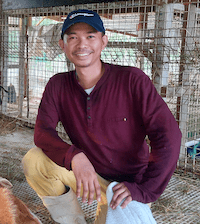
Jaycee de Guzman is the owner of Alpha Agventure Farms, where he develops practical livestock production systems, agricultural marketing strategies, and farm business models. He writes regularly about livestock development, agricultural entrepreneurship, and public policy affecting Philippine agriculture.