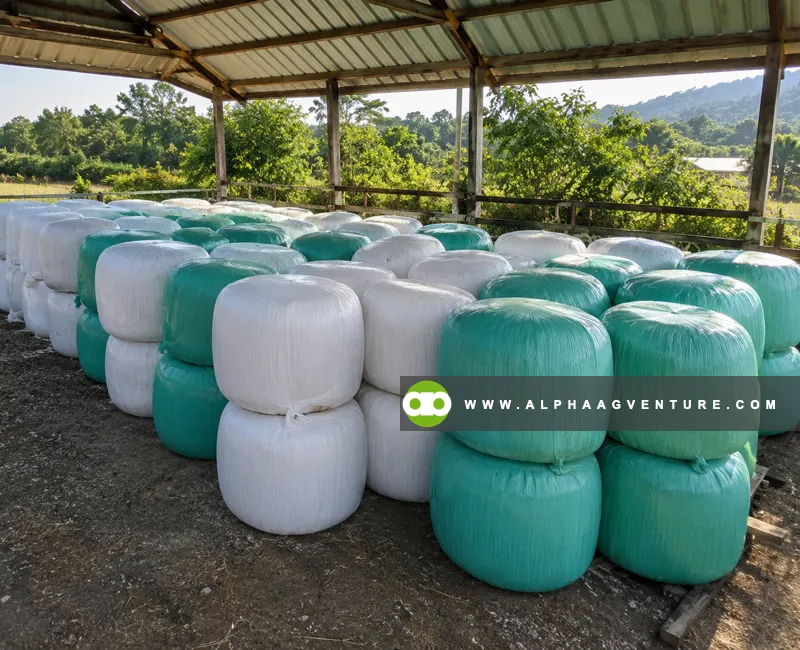
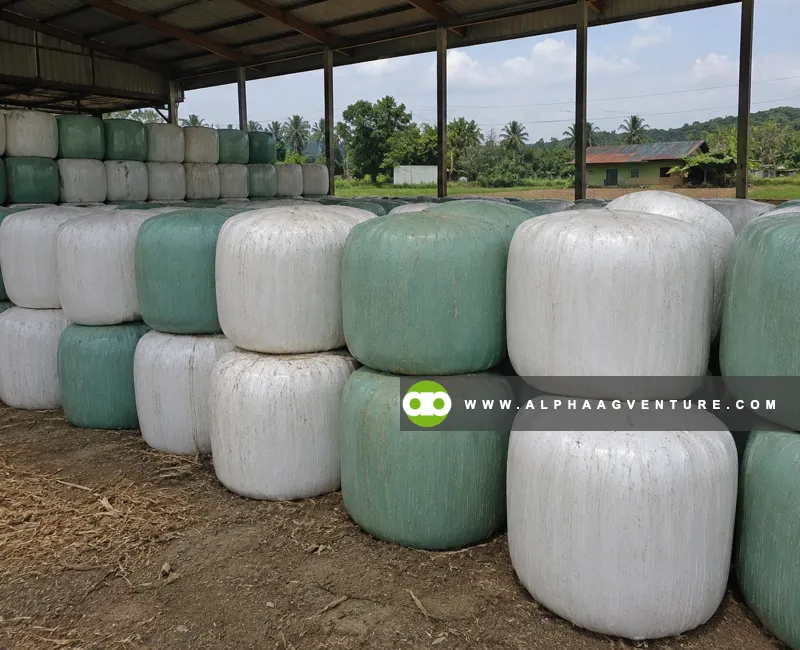
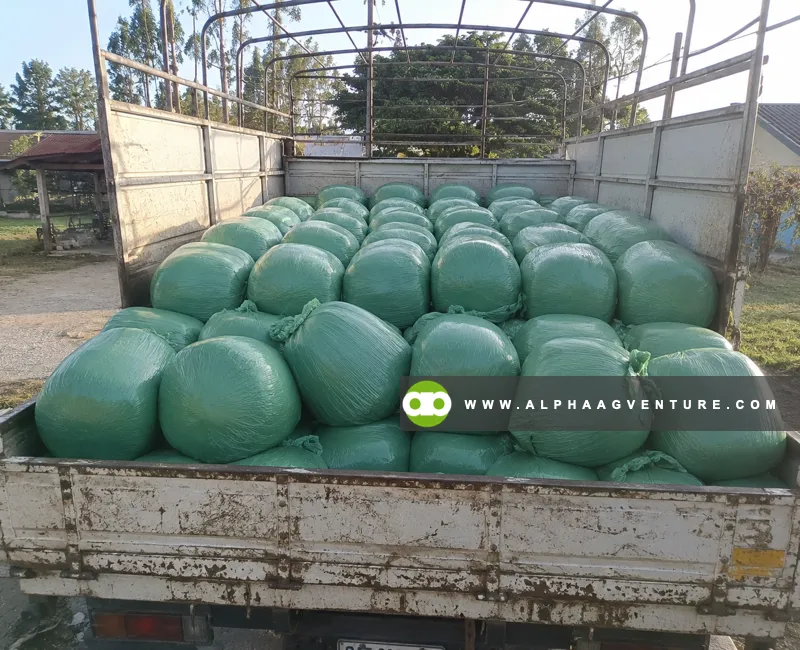
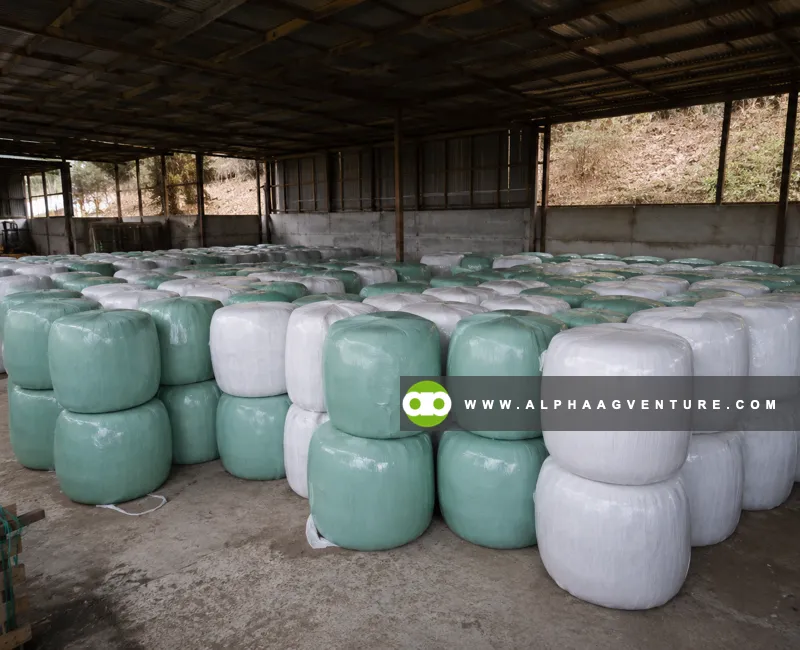
Description
COMPUTE HOW MUCH CORN SILAGE YOUR HERD NEEDS
WARNING: This calculator is not applicable to corn silage NOT produced by Alpha Agventure Farms due to differences in dry matter, moisture levels, and quantity.
WHY OUR CORN SILAGE IS PRICED HIGHER THAN OTHERS
1. Target Dry Matter: 28% to 32%
We are one of the very few corn silage producers in the Philippines who use the imported Koster Moisture Tester to measure moisture before chopping. This is not standard practice locally, but it is our standard. You only receive silage made from corn within 68% to 72% moisture, which corresponds to 28% to 32% dry matter.
If dry matter falls below 28%, you are dealing with overly wet material that can lead to poor fermentation, nutrient losses, and spoilage. If it goes beyond 32%, you face difficulty in compaction, trapped oxygen, heating, and possible mold growth. Staying within range protects your feed quality and your animals’ performance.
2. Target Milkline: 50% to 67%
We do not rely on the age of the corn as a basis for harvest. Many producers use days after planting as their reference point. We do not. The milkline percentage always takes priority over age because it reflects the actual physiological maturity of the plant. At 50% to 67% milkline, the plant reaches the optimal balance of starch and moisture for proper ensiling. If harvested below 50%, you get lower energy silage due to incomplete grain fill. If harvested beyond 67%, the crop becomes too dry, making compaction harder and fermentation less stable.
There are instances where corn is less than 70 days old but already within the target milkline due to favorable conditions such as strong sunlight, proper nutrition, and good weather, which accelerate maturity. There are also cases where corn exceeds 75 days but only reaches 50% milkline due to stress factors like limited sunlight, excessive rainfall, or nutrient deficiencies. This is why relying on age alone creates inconsistency, while milkline gives a direct and reliable measure of readiness.
3. Target pH Level: 3.4 to 4.2
You receive silage that has completed proper fermentation and reached a stable acidic condition. A pH between 3.4 and 4.2 suppresses harmful bacteria and preserves nutrients.
If pH remains above 4.2, you risk spoilage, microbial activity, and nutrient degradation. If pH drops too low, intake may suffer due to reduced palatability. This range ensures your silage remains both safe and effective for consistent feeding.
4. Guaranteed Pure Corn
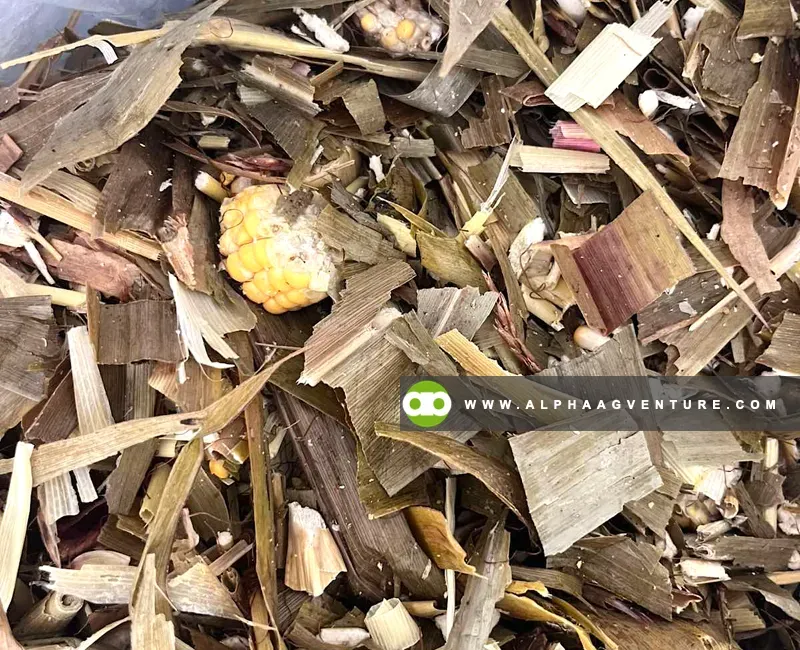
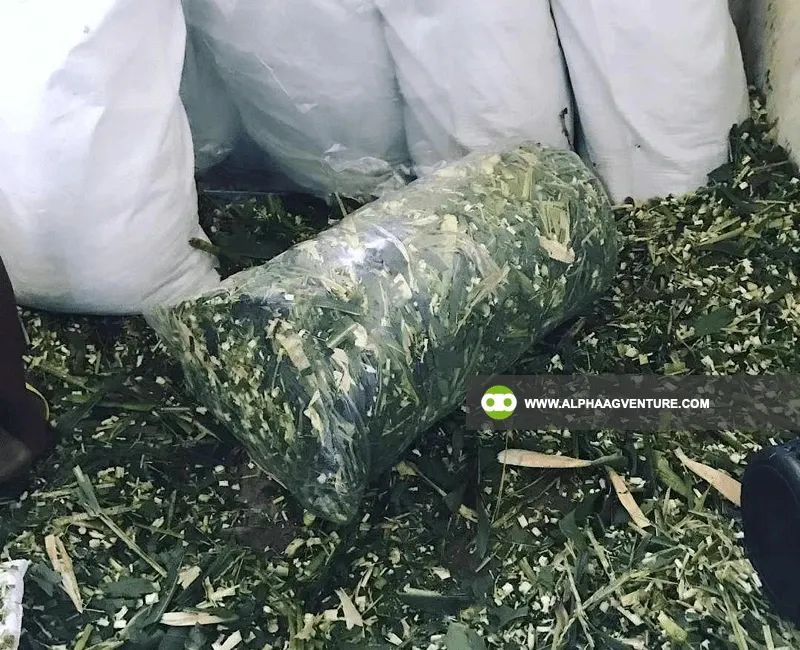
You are protected from a common but rarely discussed practice. Some producers increase weight by adding water to chopped corn before packing. This inflates volume but compromises quality. Watered silage often carries a flat, diluted smell compared to the naturally sweet, fermented aroma of properly made silage. What you receive is pure corn, not artificially increased weight.
You should take a closer look before being impressed by how some suppliers manage to pack more weight into the same bag or drum. That extra weight does not come from better corn. It often comes from added water. While you admire the apparent value, they are already taking advantage of you without you realizing it.
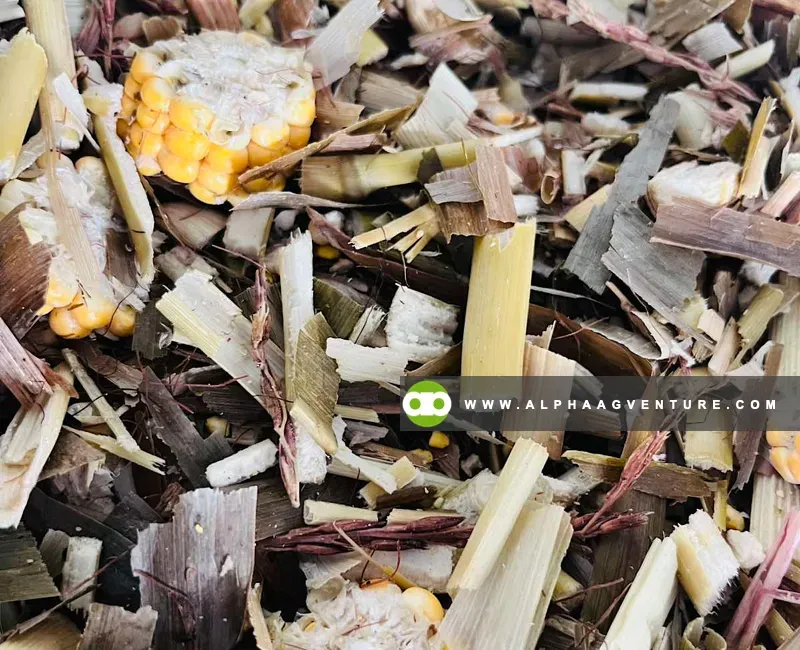
5. Cut Size: 3/4 to 1 inch
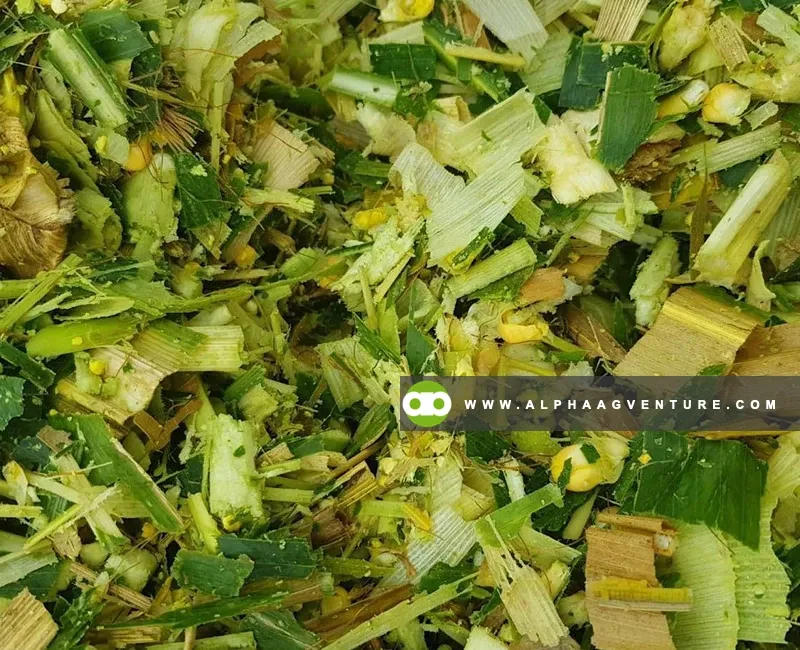
You get silage that is chopped with intention, not by chance. At 3/4 to 1 inch, the fiber length supports proper rumination, saliva production, and rumen function. At the same time, it allows tight compaction during ensiling.
If particles are too long, you deal with poor compaction and air pockets. If too short, you lose effective fiber and reduce chewing activity. This range keeps both digestion and fermentation working in your favor.
6. Batch Identification and Traceability
You receive silage that can be traced back to its exact origin. Each batch is coded and recorded from harvest to delivery. If you raise a concern, it can be linked to a specific harvest date, field source, and processing condition.
Instead of uncertainty, you get accountability. While most suppliers cannot even identify their batches, you are given transparency that allows adjustments, verification, and continuous improvement.
7. Integrated Feed Strategy Support
You are not left guessing how to use the silage. You receive guidance on ration inclusion, transition feeding, and proper pairing with concentrates. This reduces feeding errors and improves consistency in animal performance.
Instead of figuring things out through trial and error, you work with a supplier that contributes to your feeding system, not just your inventory.
CORN SILAGE FOR SALE
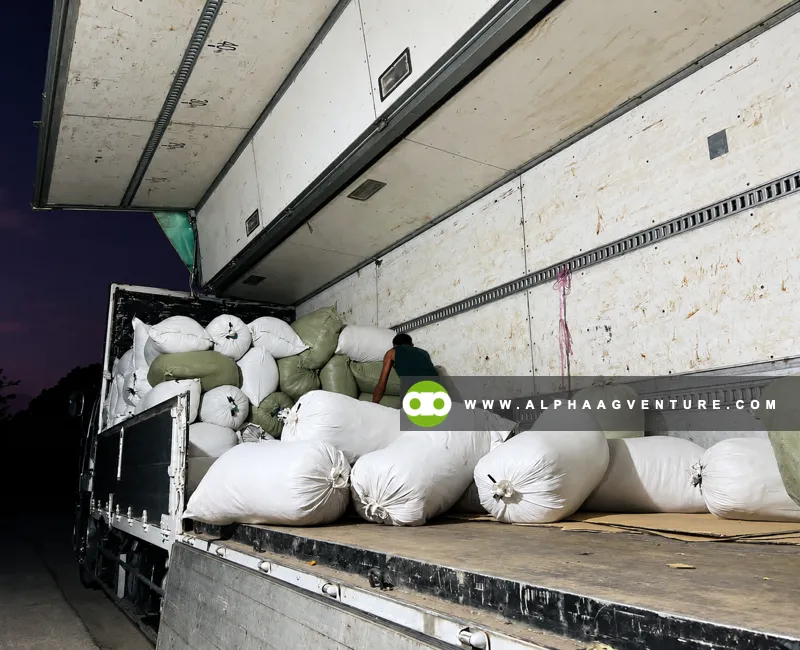
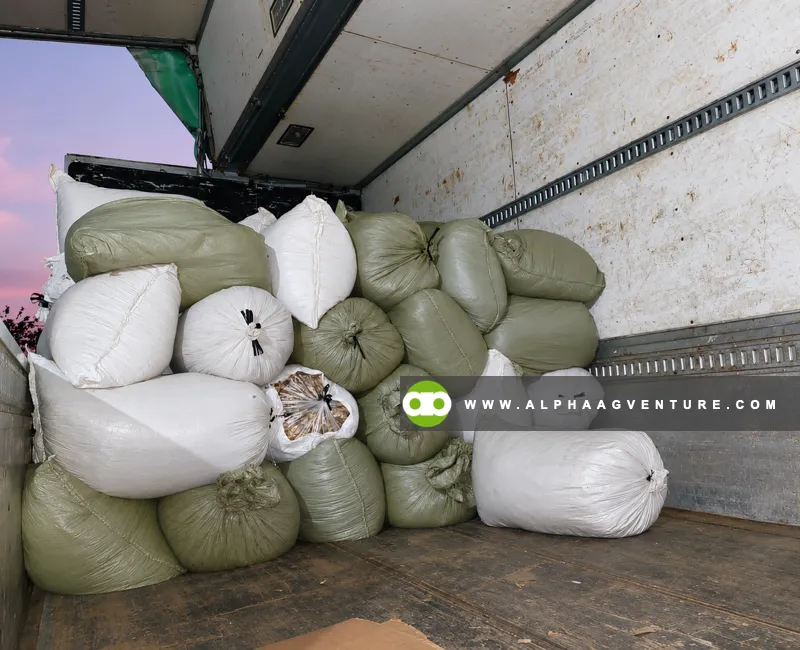
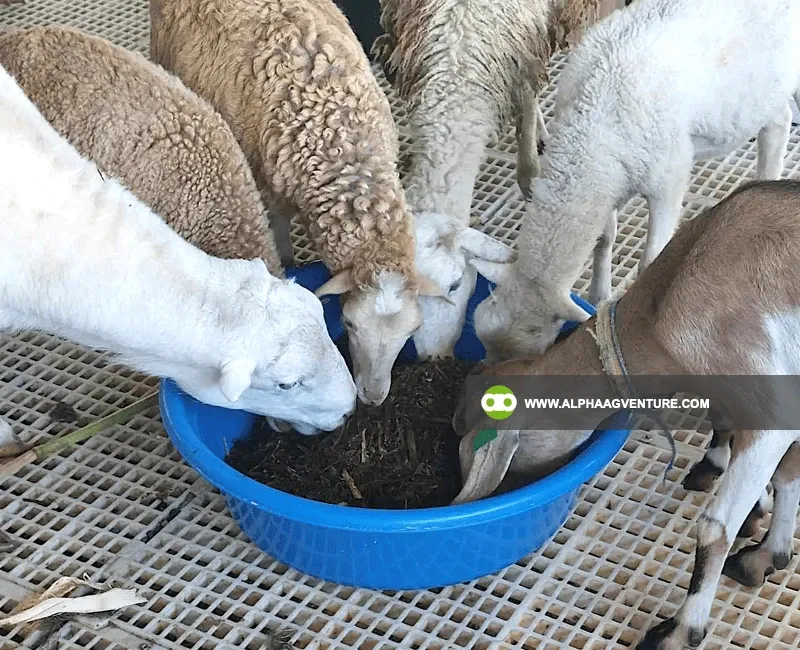
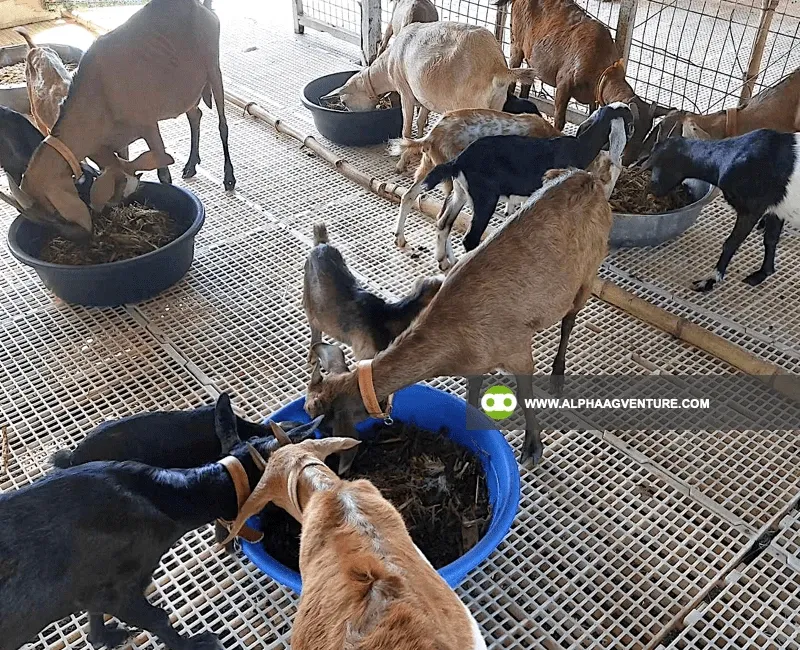
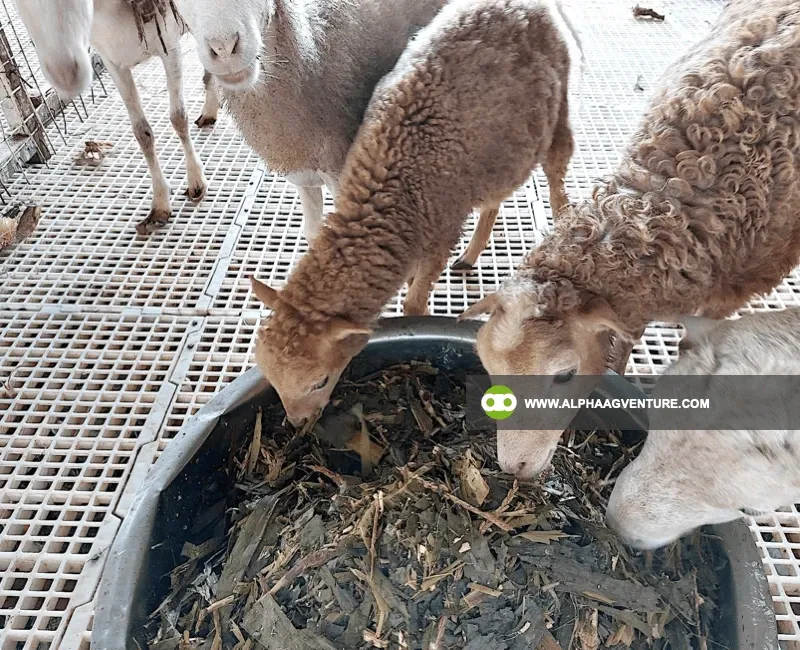
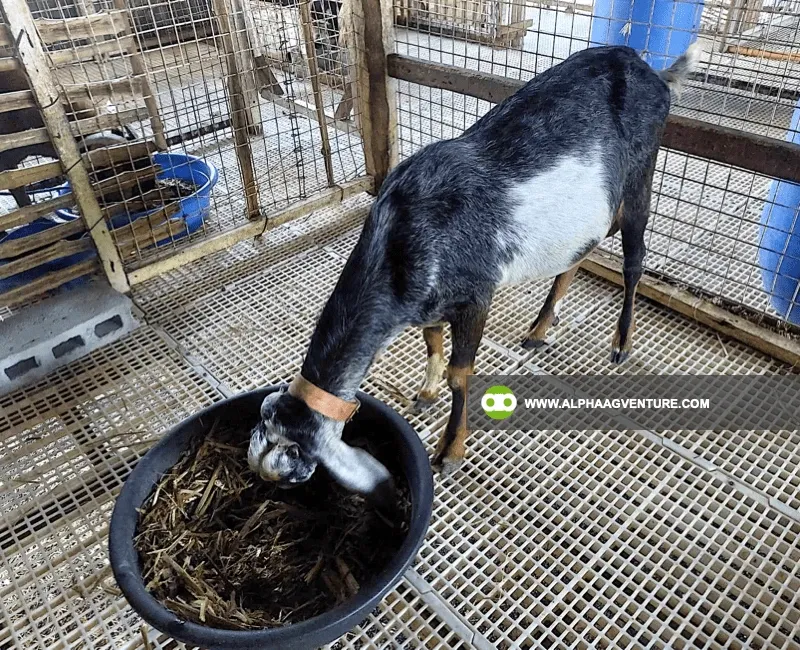
Are your cattle, buffaloes, goats, and sheep losing performance due to unreliable forage quality? If you are searching for dependable corn silage for sale, this product addresses inconsistent feeding results by delivering stable, predictable forage that supports growth, milk production, and efficient feed conversion across different ruminant systems.
Consistency does not happen by accident. Each batch follows controlled harvest timing and disciplined ensiling practices to maintain nutrient value. This reduces sudden changes in intake and digestion, helping your animals perform without the setbacks commonly caused by poorly prepared or inconsistent forage sources.
If you are still unsure where to buy corn silage, consider the system behind the supply, not just availability. Alpha Agventure Farms provides a structured approach supported by measurable standards and repeatable processes. This gives you confidence that what you receive today will match what you receive on the next delivery.
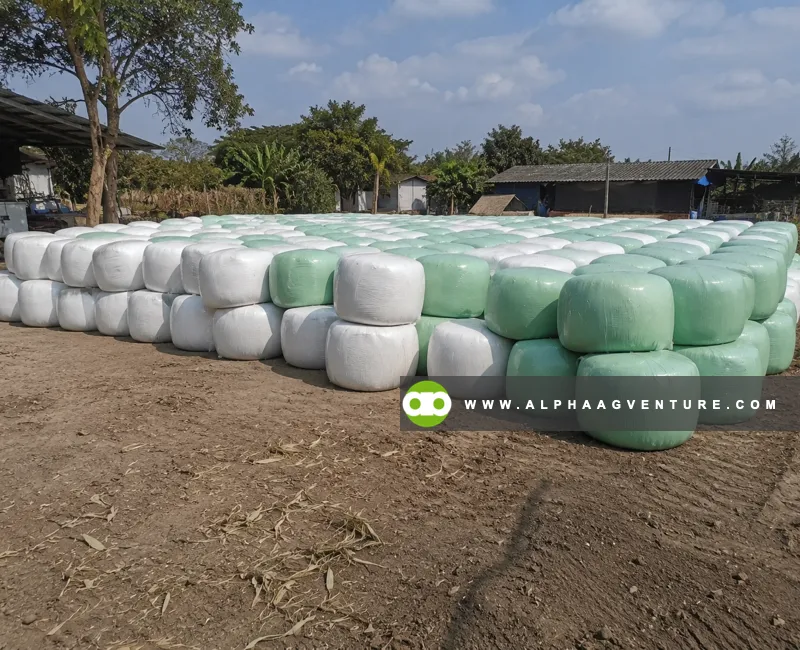
One common concern is uneven fermentation. This is addressed through proper compaction and sealing, allowing the material to stabilize before release. By controlling the environment during storage, nutrient losses are minimized and spoilage risks are reduced, helping maintain feed quality until it reaches your feeding area.
When assessing the price of corn silage, it is easy to compare numbers without considering usable value. Lower prices often come with hidden losses through waste or reduced animal response. A more consistent product helps you recover more nutrients per kilogram, making feeding outcomes more predictable and economically efficient.
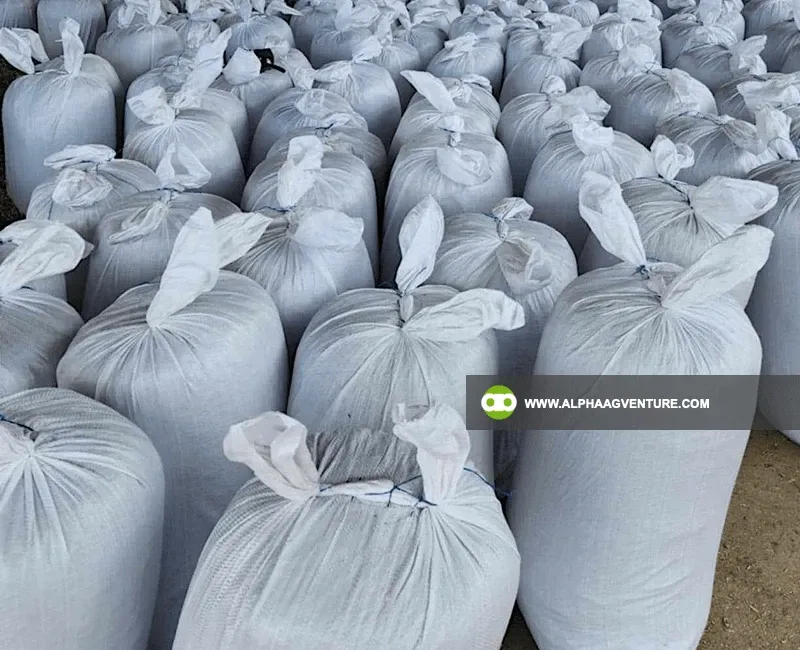
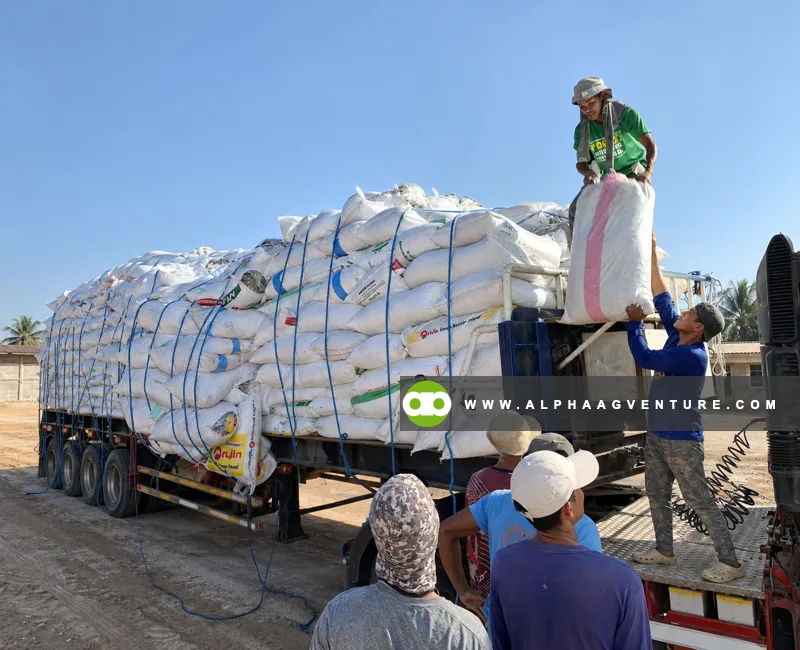
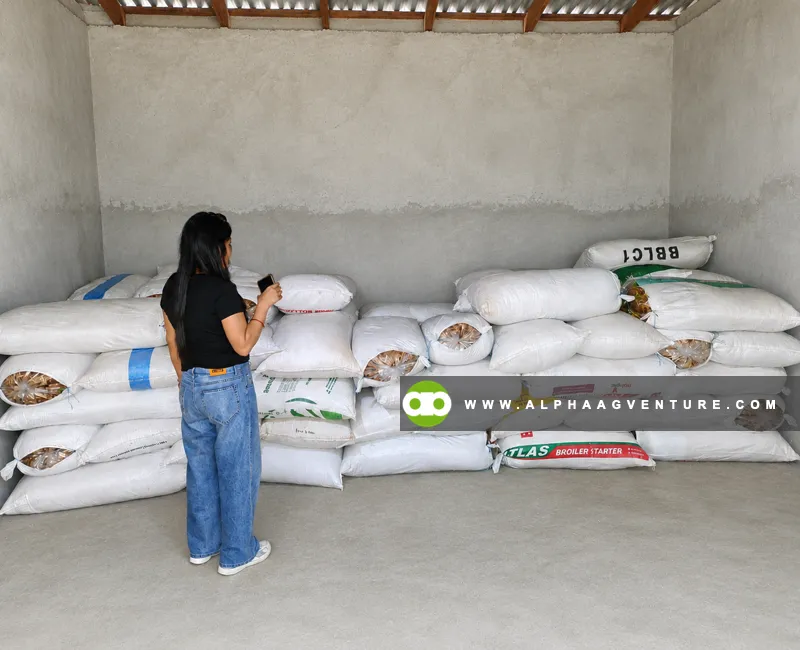
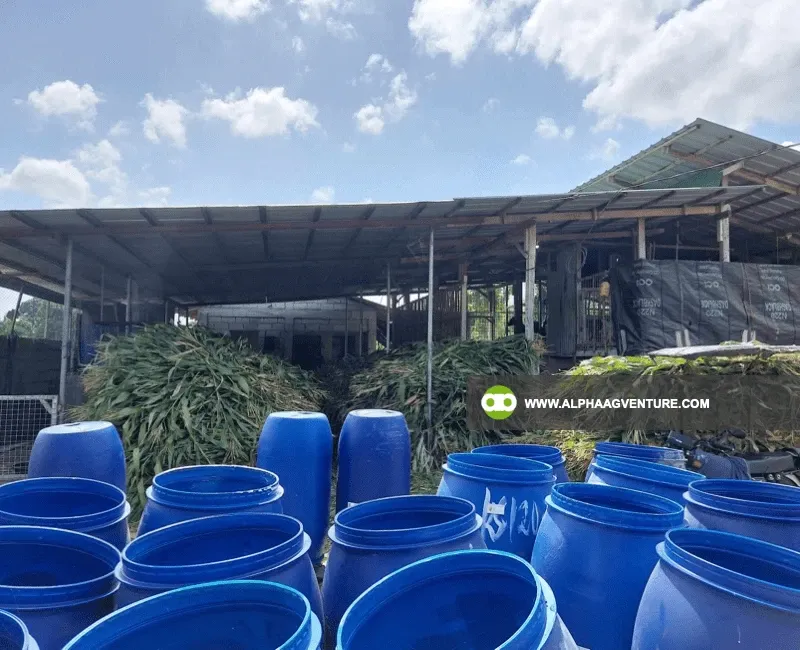
Another concern is handling after delivery. The packaging is designed for practical farm use, allowing easier storage and controlled usage whether in bags or containers. This reduces exposure to air and moisture, helping preserve quality while fitting into your existing feeding routines without unnecessary adjustments.
Feeding transitions can also create problems if not managed properly. Guidance is provided to help you integrate the silage into your ration, reducing the risk of sudden dietary changes. This supports smoother adaptation, better intake, and more stable performance across different groups of animals on your farm.
If you are looking for a dependable supplier of corn silage, the focus should be on consistency, not shortcuts. Alpha Agventure Farms delivers with a process-driven approach that prioritizes reliability from production to delivery. Secure your corn silage for sale from a source that is built to support long-term feeding results.
FREQUENTLY ASKED QUESTIONS
Can I feed this as the only feed for my cattle, goats, or sheep?
Corn silage is a valuable roughage and energy source, but it should not automatically be treated as the only feed in the ration. Animals still need proper balancing based on age, weight, production stage, and purpose. For best results, corn silage should be included as part of a complete feeding program.
Is this suitable for both dairy and fattening animals?
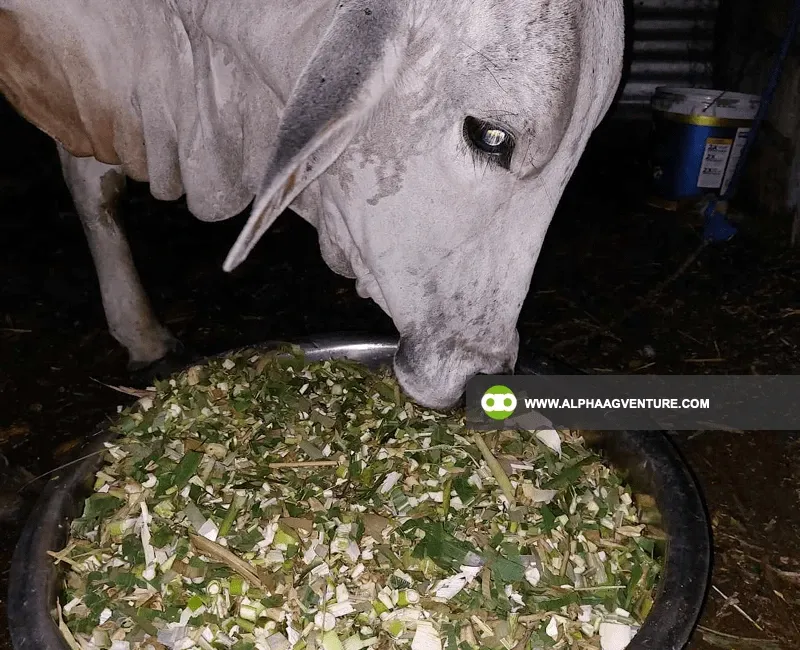
Yes, corn silage can support both dairy and fattening programs when properly included in the ration. Dairy animals benefit from its energy contribution, while fattening animals can use it as a consistent forage base. The actual feeding rate should still depend on body condition, production target, and other feeds available.
Will my animals eat it immediately?
Some animals accept corn silage quickly, especially if they are already used to fermented feeds. Others may need a short adjustment period. Introduce it gradually instead of replacing the current feed abruptly. This helps the rumen adapt and reduces the chance of feed refusal or digestive disturbance.
How should I store corn silage after delivery?
Store it in a shaded, cool, and clean area away from direct sunlight, rainwater, and sharp objects that may damage the packaging. Once opened, the exposed portion should be used as soon as practical. Good storage discipline helps preserve aroma, fermentation quality, and feed value.
What should good corn silage smell like?
Good corn silage usually has a clean, mildly sour, fermented smell. It should not smell rotten, moldy, putrid, or strongly ammonia-like. A proper fermented aroma is one of the first signs farmers notice, but smell should still be considered together with appearance, texture, and overall handling quality.
Is mold automatically a sign that the whole batch is bad?
Not always. Minor surface spoilage can happen when air enters an opened or damaged package, especially after exposure. However, moldy portions should not be fed. Remove affected parts generously and inspect the remaining silage carefully. If spoilage is widespread, foul-smelling, or heating occurs, do not use it.
Can I use corn silage during the rainy season?
Yes, corn silage is especially useful during periods when fresh forage supply becomes inconsistent. However, storage becomes more important during rainy months. Keep the silage protected from water entry and mud contamination. Wet handling areas can shorten shelf life once the package is opened or damaged.
Why does corn silage quality vary among suppliers?
Quality varies because not all suppliers harvest at the right maturity, measure dry matter, control packing, or verify fermentation. Some rely only on appearance. Corn silage is not just chopped corn. Harvest timing, dry matter, air exclusion, fermentation period, and pH validation all affect final feed quality.
Can small farms order corn silage too?
Yes, small farms can use corn silage as long as they can store and consume it properly. The concern is not farm size alone, but feeding volume and storage management. Small farms should avoid opening more than they can use within a practical period to prevent spoilage.
Why should I choose Alpha Agventure Farms instead of cheaper options?
Cheaper options may look attractive at first, but the real cost depends on usable feed value, fermentation quality, spoilage risk, and animal response. Alpha Agventure Farms focuses on measurable standards such as milkline stage, dry matter, and post-fermentation pH, giving buyers a more controlled and dependable product.