Description
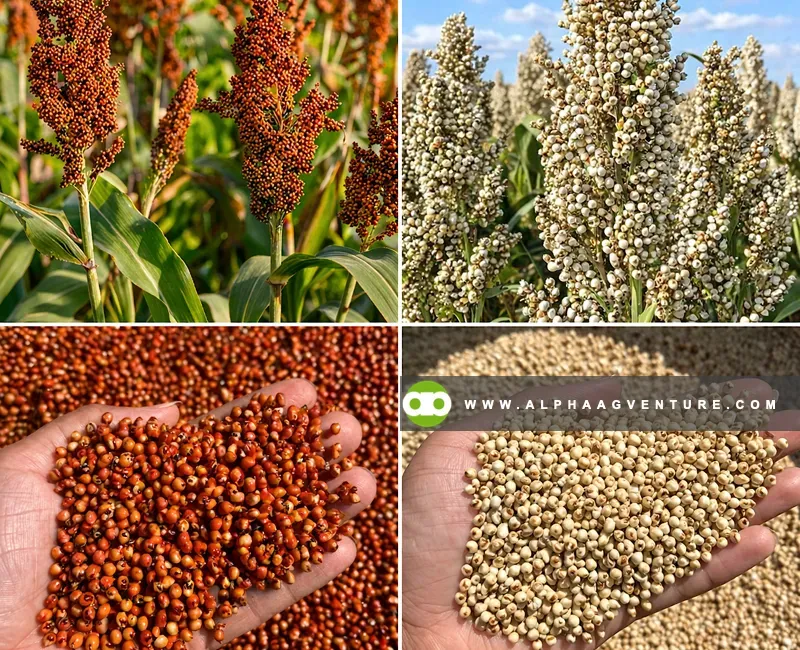
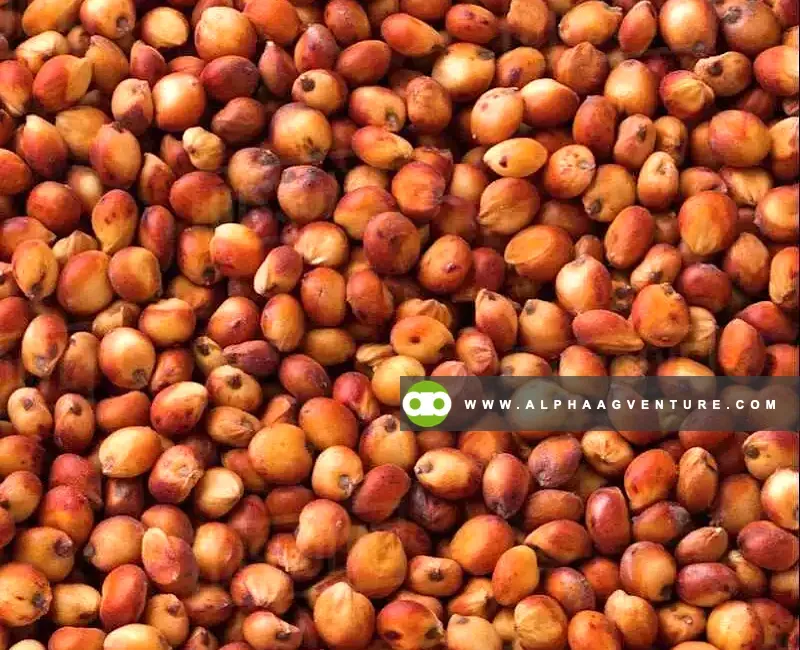
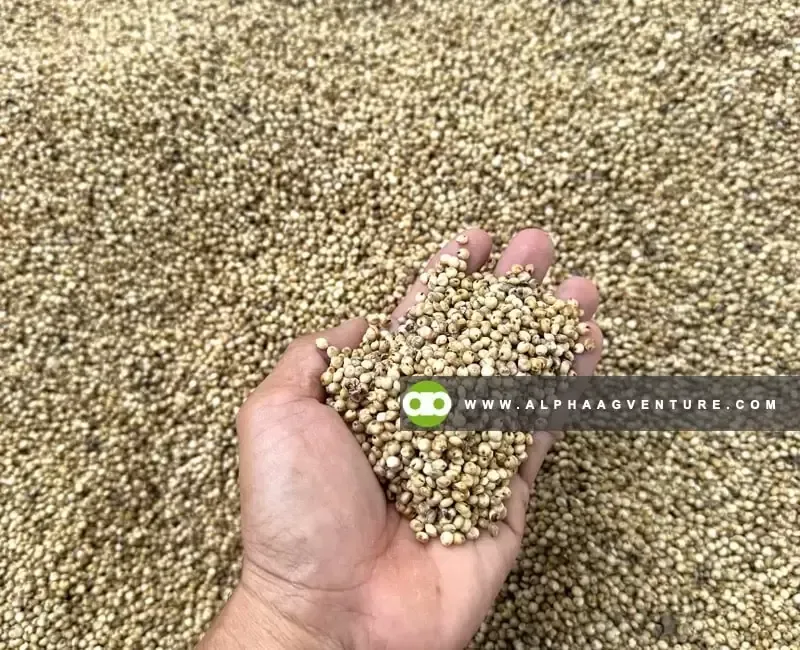
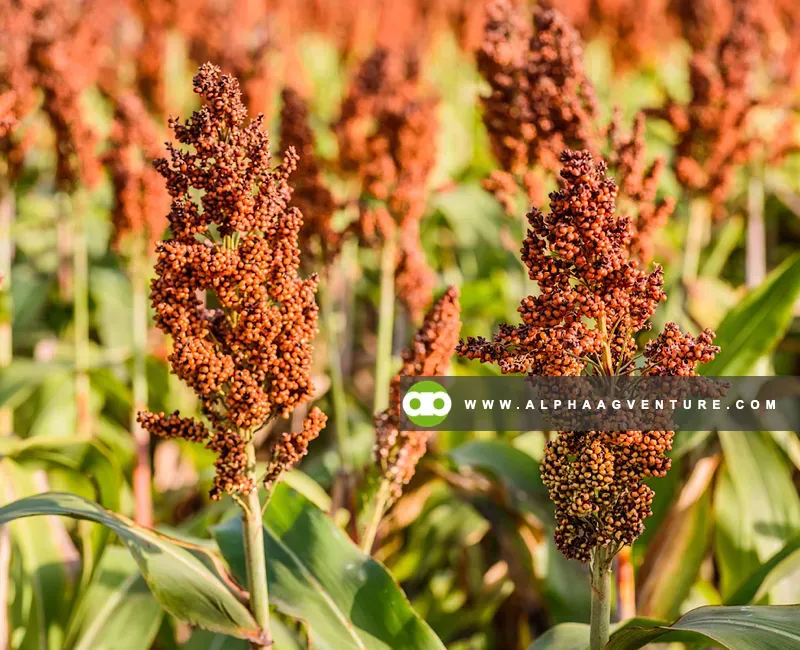
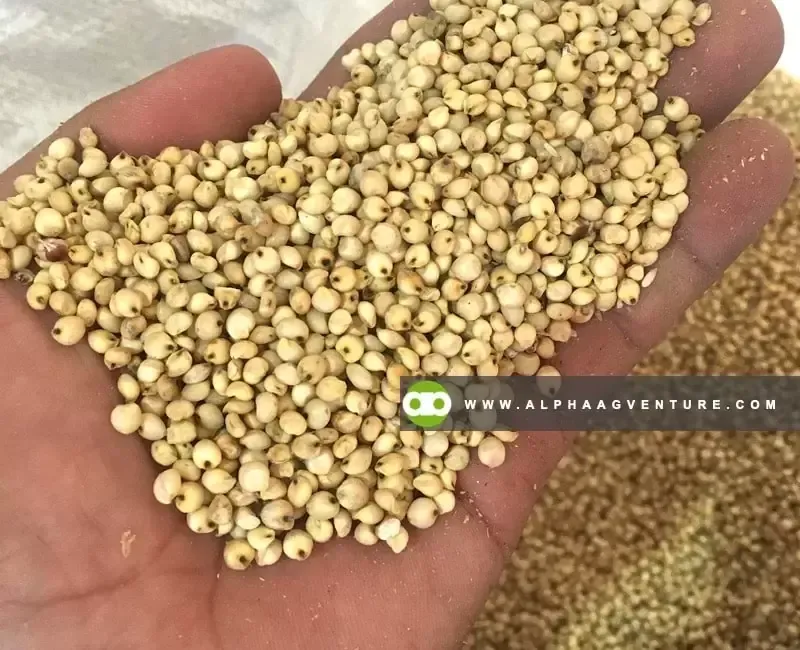
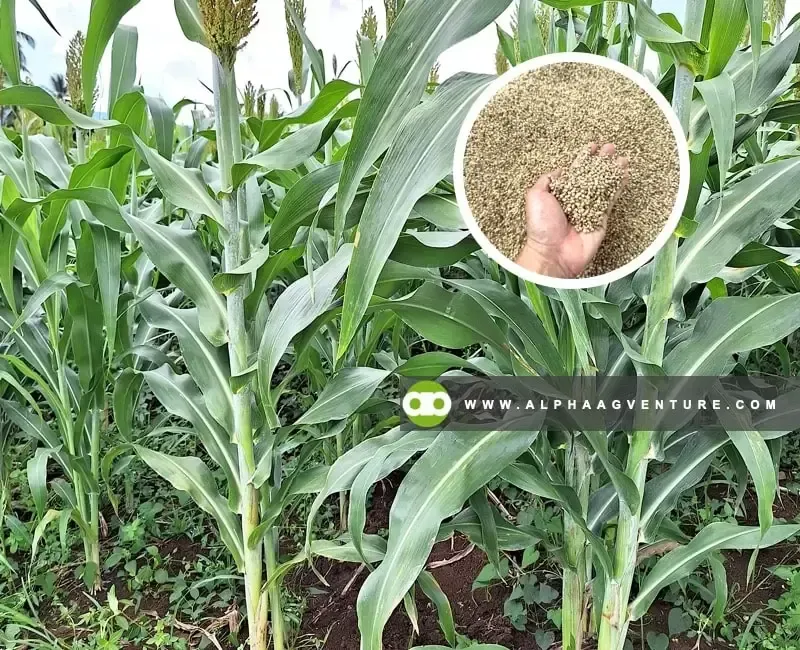
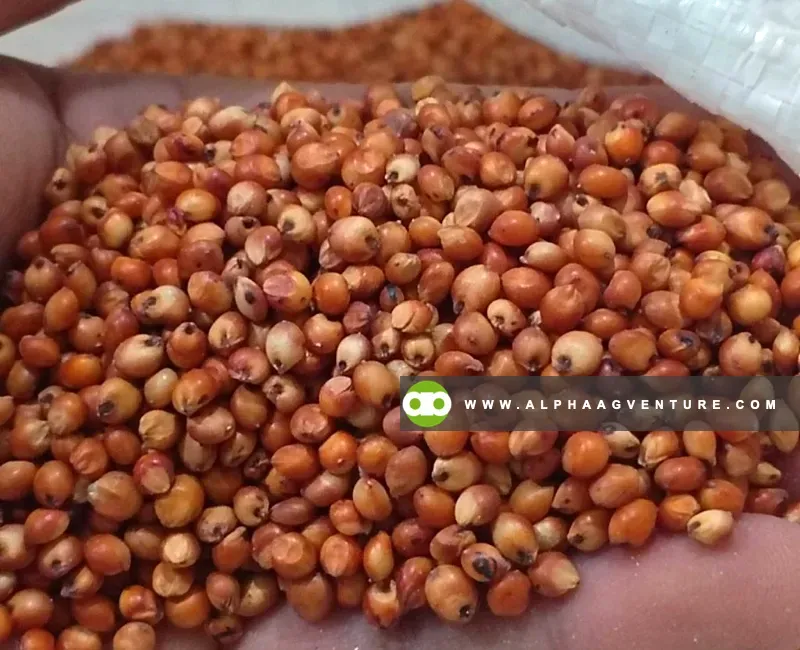
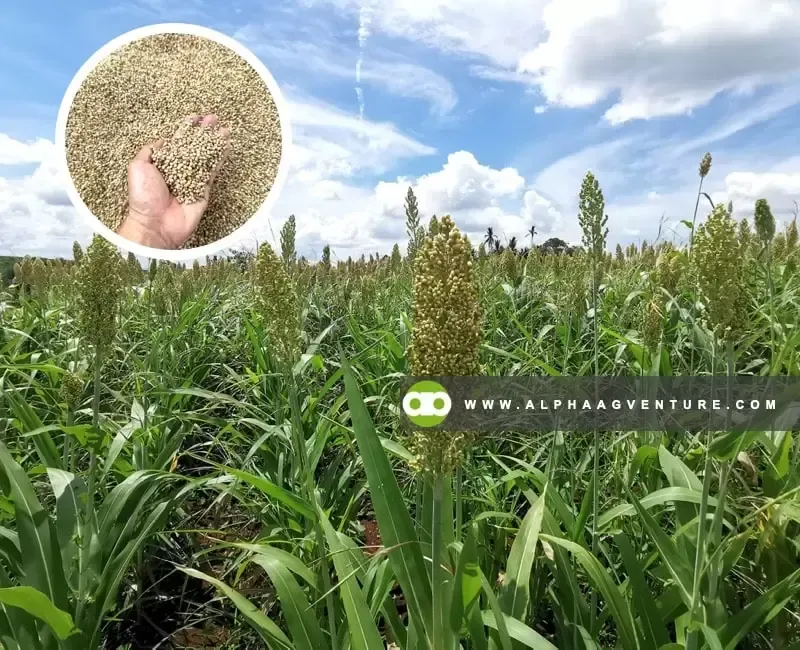
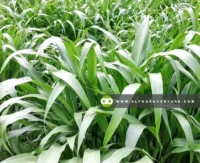
RED AND WHITE SORGHUM SEEDS FOR SALE
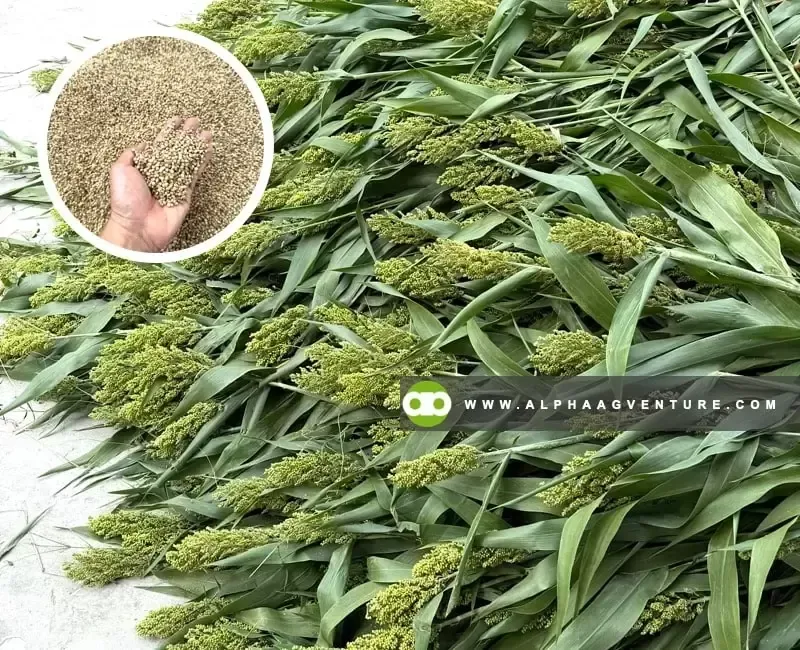
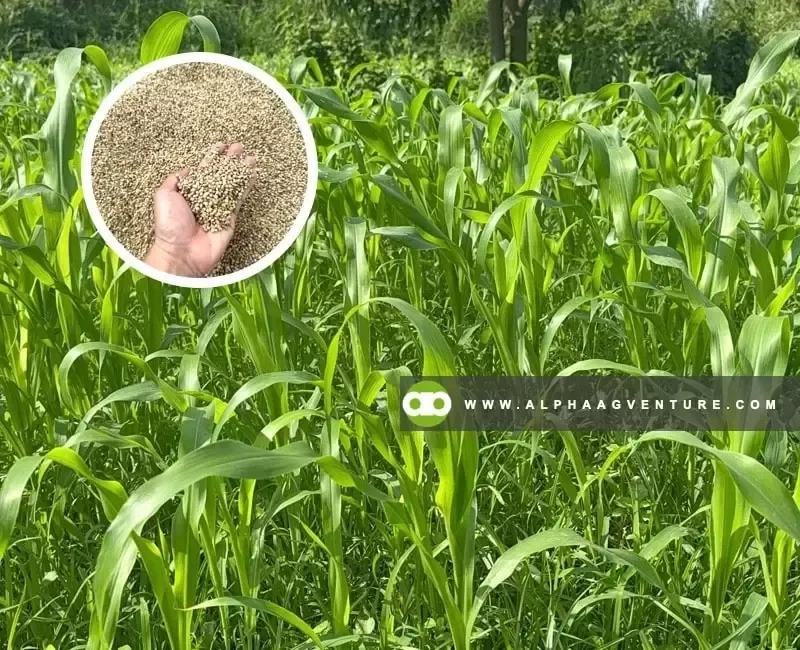
Looking for sorghum seeds for sale that can handle unpredictable weather without constant intervention? Sorghum is known for its strong tolerance to heat and drought, allowing it to thrive where other crops struggle. This resilience makes it a dependable choice for farmers who need stable production across changing field conditions.
Concerns about uneven germination often come up during planning. In most cases, the issue is not the crop but the seed source. High quality seeds with proper storage history establish faster and produce a more uniform stand. That early consistency simplifies management and supports better yield outcomes throughout the entire growth cycle.
If you are asking where to buy sorghum seeds, consider Alpha Agventure Farms as a reliable option. A trusted source ensures seeds are handled correctly before release and provides guidance that aligns with actual field conditions, helping you avoid early mistakes that can affect long term crop performance.
Another common hesitation involves adaptability. Sorghum is not limited to ideal environments. It grows in a wide range of soils and tolerates stress conditions better than many cereals. Its deep root system and efficient water use allow it to continue growing even when moisture becomes limited during critical development stages.
Questions about the price of sorghum seeds often focus on upfront cost. Lower priced seeds may seem attractive but can result in weak stands and replanting. Investing in reliable seeds helps secure your schedule and reduces uncertainty. A strong start in the field often leads to more consistent harvests and better overall returns.
Storage conditions after purchase should not be overlooked. Seeds exposed to moisture or excessive heat can lose viability before planting. Keeping them dry and protected preserves their performance. Following proper planting depth and spacing also ensures each plant develops evenly, reducing competition and improving overall field uniformity.
Sorghum offers flexibility that few crops match. It can be used for grain, silage, or forage depending on your operation’s needs. This versatility allows farmers to adjust based on feed demand or market direction. It also supports more efficient land use without locking you into a single production objective.
Choosing the right supplier of sorghum seeds influences results more than many expect. A dependable source maintains seed integrity and provides practical guidance from purchase to planting. That support reduces risk and strengthens confidence when sourcing sorghum seeds for sale for farms that aim for consistent and reliable production.
FREQUENTLY ASKED QUESTIONS
How tall can forage sorghum grow under proper management?
With suitable soil conditions and disciplined management, forage sorghum can reach around 12 to 14 feet in height. This tall growth translates directly into higher biomass, which increases silage volume and improves feed availability per hectare.
How many harvests can I get from one forage sorghum planting?
One planting can produce a minimum of two harvests. After the first cut, forage sorghum regrows through ratooning, allowing a second harvest without replanting. With proper soil, nutrients, and cutting height, this regrowth remains productive and reduces overall feed production costs.
How much silage can forage sorghum produce per hectare?
With good management, forage sorghum can yield around 25 to 50 tons of silage per hectare per harvest. Combined first and ratoon harvests can reach about 50 to 100 tons per planting cycle, making it a high biomass option for feedlot roughage planning.
Can sorghum be planted year round in the Philippines?
Sorghum can be planted in many months of the year, but timing still matters. Planting during periods with reliable moisture supports faster establishment and stronger early growth. Extremely wet months may require better drainage, while very dry periods may need supplemental watering during emergence.
Does sorghum require very fertile soil to perform well?
Sorghum is more forgiving than many forage crops, but soil fertility still influences yield and regrowth. Moderate fertilization improves leaf production and cutting recovery. Even marginal soils can produce acceptable forage when basic nutrients and proper weed control are provided.
Will birds, insects, or rodents significantly damage sorghum crops?
Sorghum generally experiences fewer pest problems compared with some grains. Early seedling stages may attract birds, while insects appear occasionally. Regular field monitoring and timely planting usually prevent serious losses without intensive pest control programs.
Can sorghum forage replace commercial feeds entirely?
Sorghum forage is an excellent bulk feed, but it should not completely replace balanced rations. It works best as part of a feeding program combined with concentrates, minerals, or legumes to meet energy, protein, and micronutrient requirements of growing or lactating animals.
Is sorghum suitable for cut and carry feeding systems?
Yes, sorghum is well suited for cut and carry systems commonly used by smallscale ruminant farmers. Its upright growth and rapid regrowth allow repeated harvesting while keeping animals confined, which helps manage grazing pressure and forage utilization.
How sensitive is sorghum to planting depth errors?
Sorghum seeds should be planted shallow, but minor depth variation is usually tolerated. Planting too deep may delay emergence, while very shallow planting risks drying out. Careful land preparation and light soil covering improve establishment success.
Will sorghum compete poorly with aggressive weeds if planting is delayed?
Delayed planting can reduce early competitiveness against weeds. Sorghum grows fast once established, but weeds have an advantage during early stages. Proper land preparation, timely planting, and early weed control protect yield potential during this critical period.
Can sorghum forage cause digestive problems if introduced suddenly?
Sudden dietary changes can stress ruminant digestion, including when introducing sorghum. Gradual introduction allows rumen microbes to adjust properly. Mixing sorghum with existing forage during transition periods helps maintain intake and reduces digestive upset risks.
Does sorghum require frequent replanting after each harvest?
No replanting is needed after each cutting. Sorghum regrows from the base when cut at the correct height. This regrowth capability is a major advantage, reducing seed costs and labor while providing multiple harvests from a single planting.
Is sorghum suitable for farmers with limited technical knowledge?
Sorghum is considered farmer friendly because it does not demand complex management. Basic understanding of planting rates, weed control, and harvest timing is usually enough. Practical guidance and correct inputs significantly improve outcomes even for first time growers.
📦 Delivery: This item is for delivery only, with the cost borne by the buyer. Message us to inquire on the delivery fee. Please review our Delivery Terms before placing an order.
⏳ Lead Time: Actual lead time may vary depending on the queue of orders. Message us to inquire on the current lead time.
🚫 No Walk-Ins: Orders are processed strictly through our online ordering system.
❌ No Cash-On-Delivery (COD): All orders must be prepaid through our website.
💳 Payment Methods: Bank Transfer, Credit/Debit Card via PayPal, e-Wallets
📞 Viber/WhatsApp: +63 917 162 9758
All orders that remain unpaid within 60 minutes from checkout will be automatically deleted by our system. This policy helps us manage limited stock fairly and prevents other customers from being unable to place an order due to unpaid reservations. Kindly place an order if, and only if, you are ready to pay for it within 60 minutes upon checkout.
Step 1: Browse Products
Go to the Shop page to view all categories, then select the product or service you want.
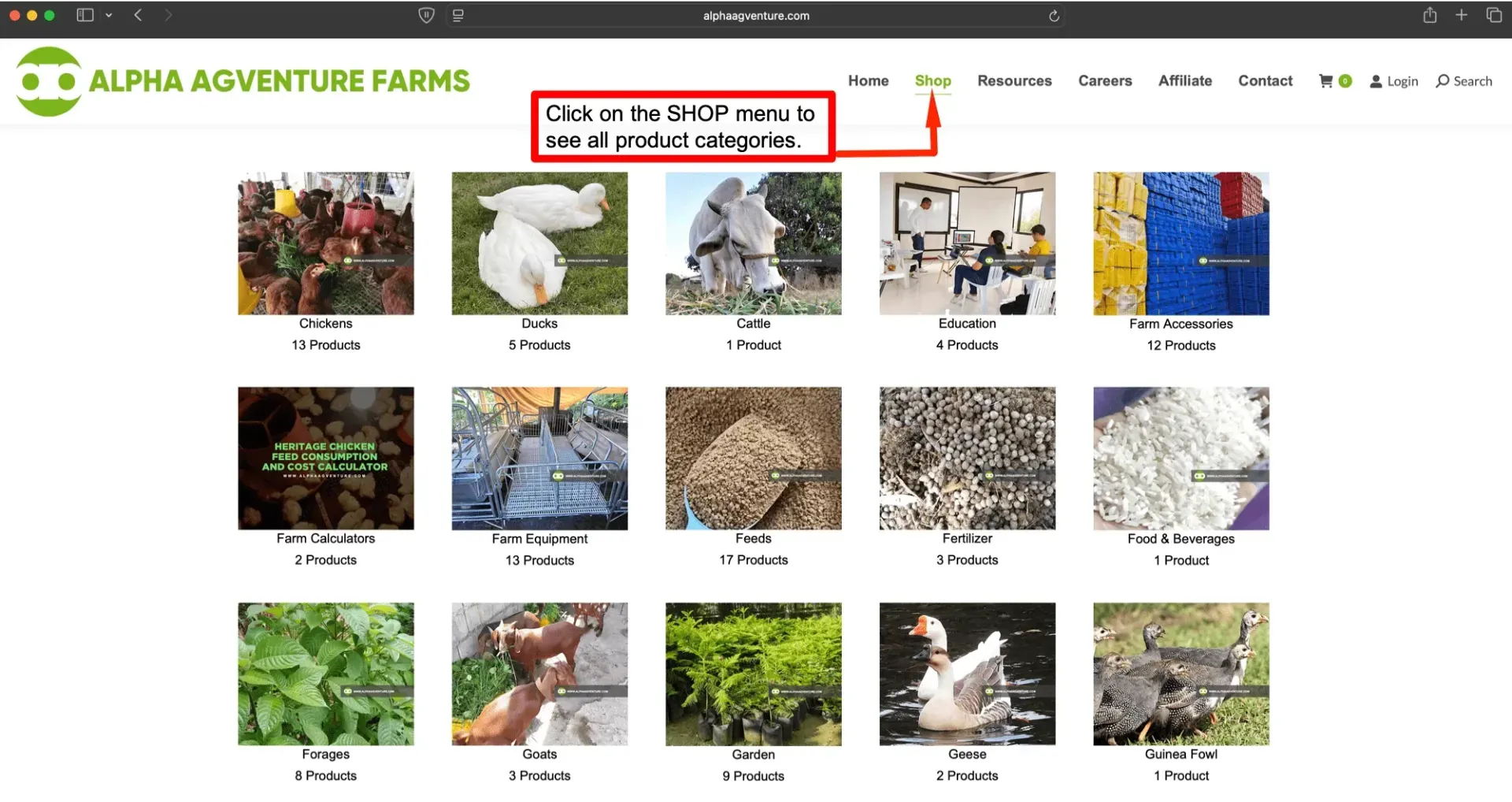 These are the product categories inside the SHOP page. A product category is a collection of product pages.
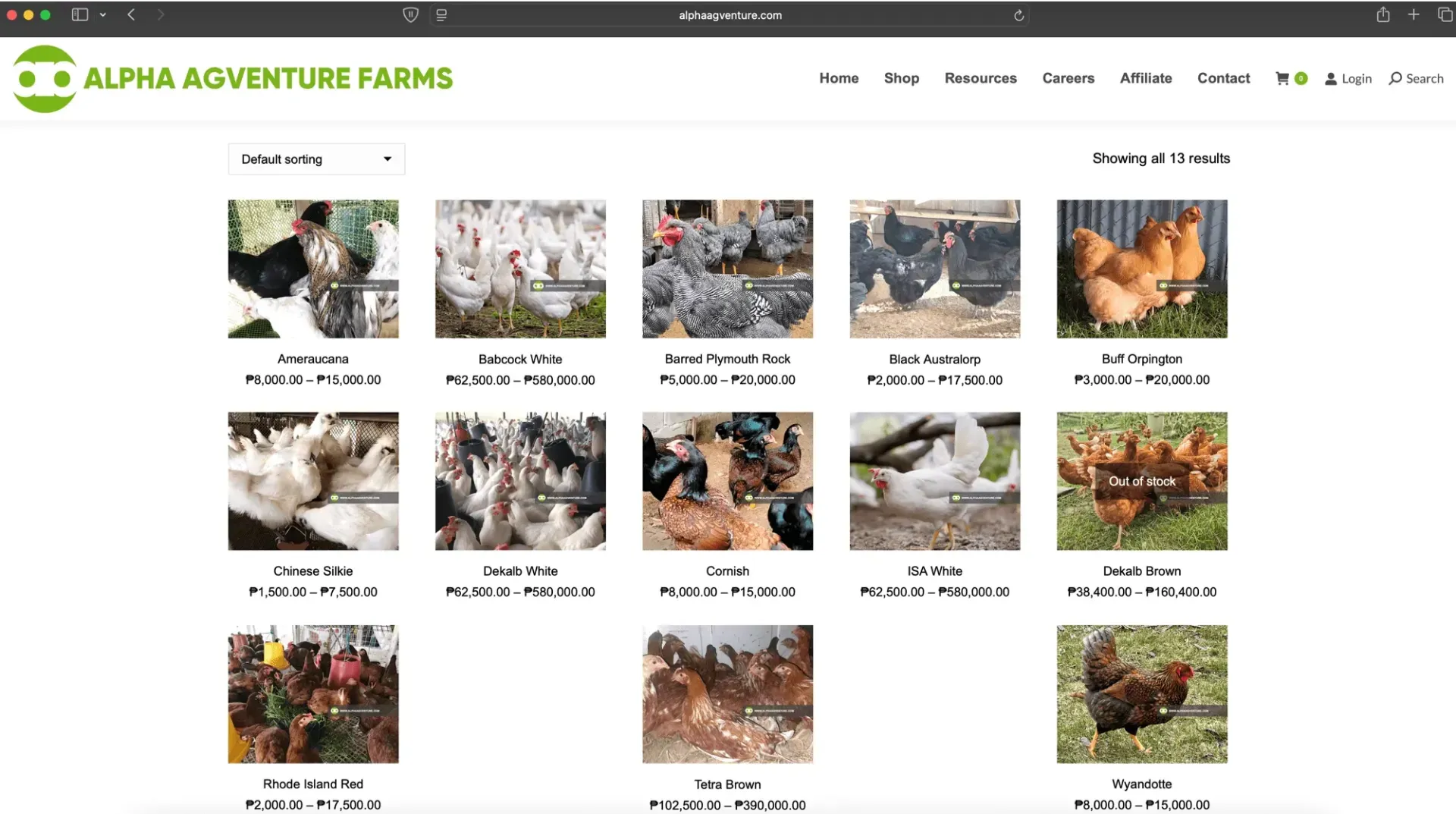 These the individual product pages you will see when you click the CHICKENS product category from the SHOP page.
Step 2. Select Item
Choose your preferred option from the dropdown box. The exact price will appear above the Add to Cart button.
👉 The price range at the top shows only the lowest and highest prices among all options. The actual price of the selected item appears at the bottom of the dropdown.
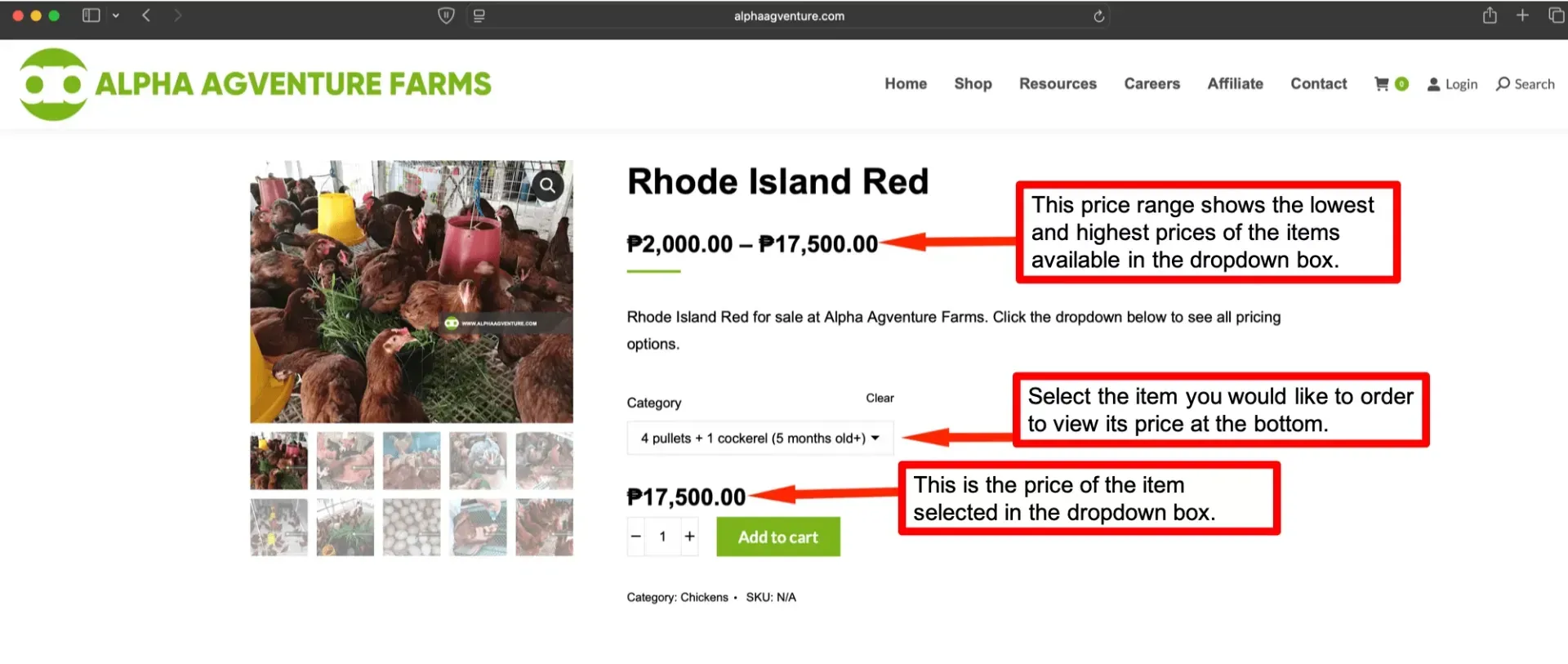 The price range at the top shows only the lowest and highest prices among all options. The actual price of the selected item appears at the bottom of the dropdown.
Step 3. Add to Cart
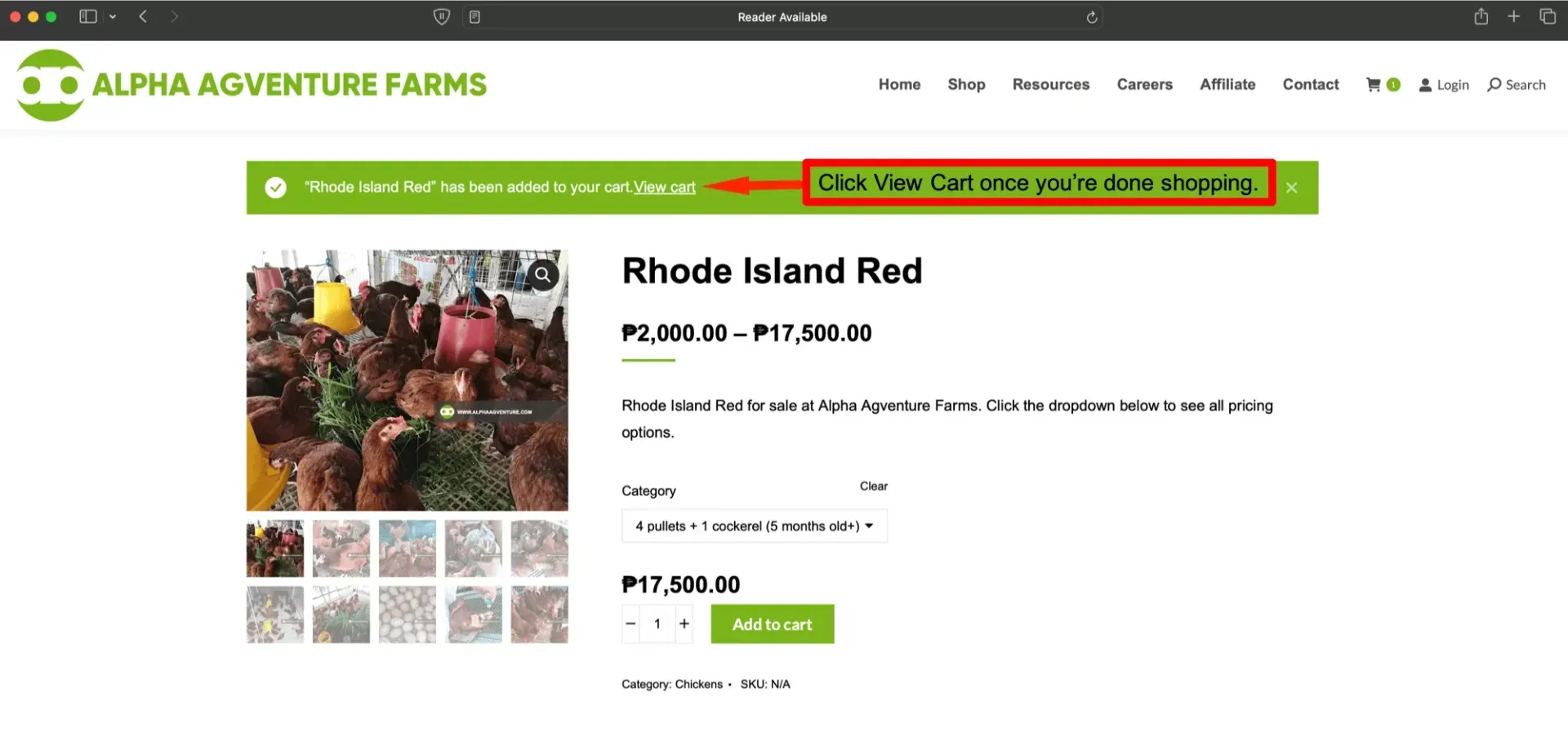
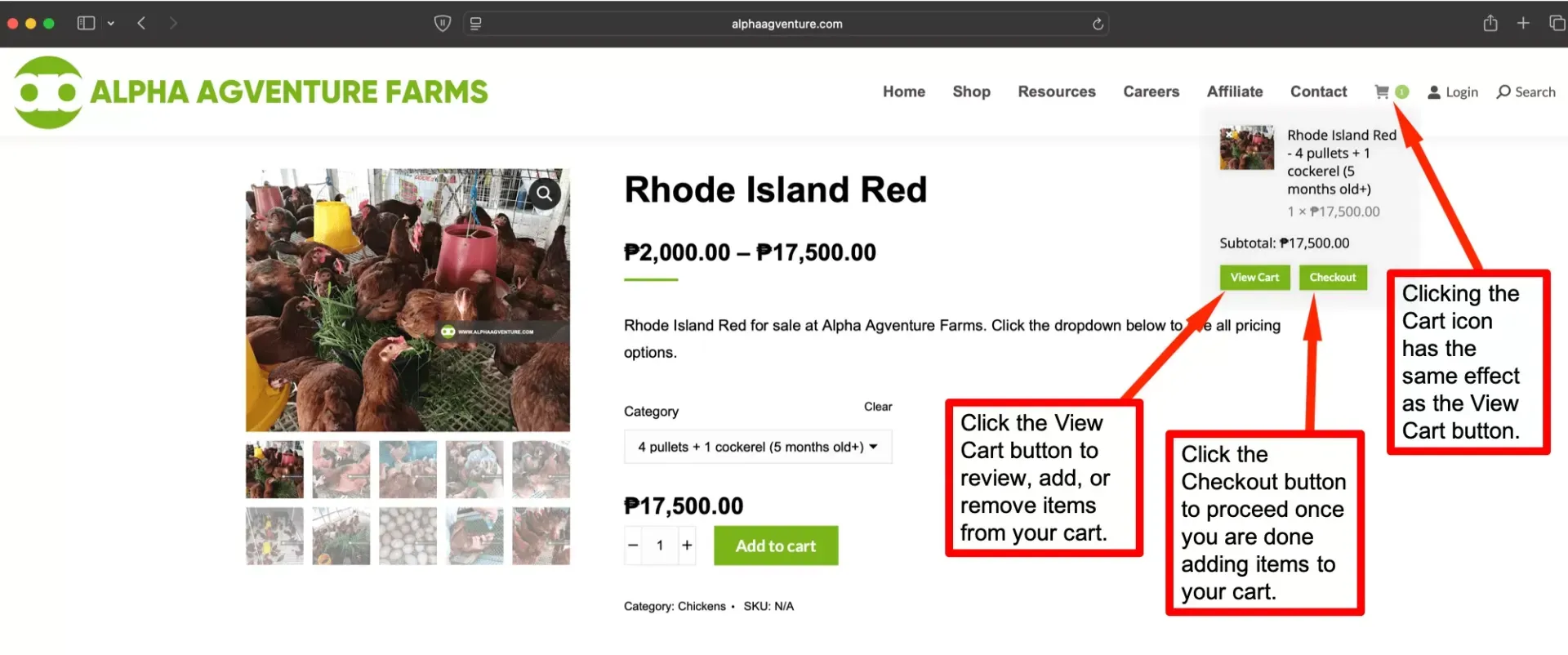
Click Add to Cart once you’ve chosen an item from the dropdown. A message will confirm the item has been added.
- Click View Cart if you’re done shopping.
- Or continue browsing to add more items.
Step 4. Review Cart
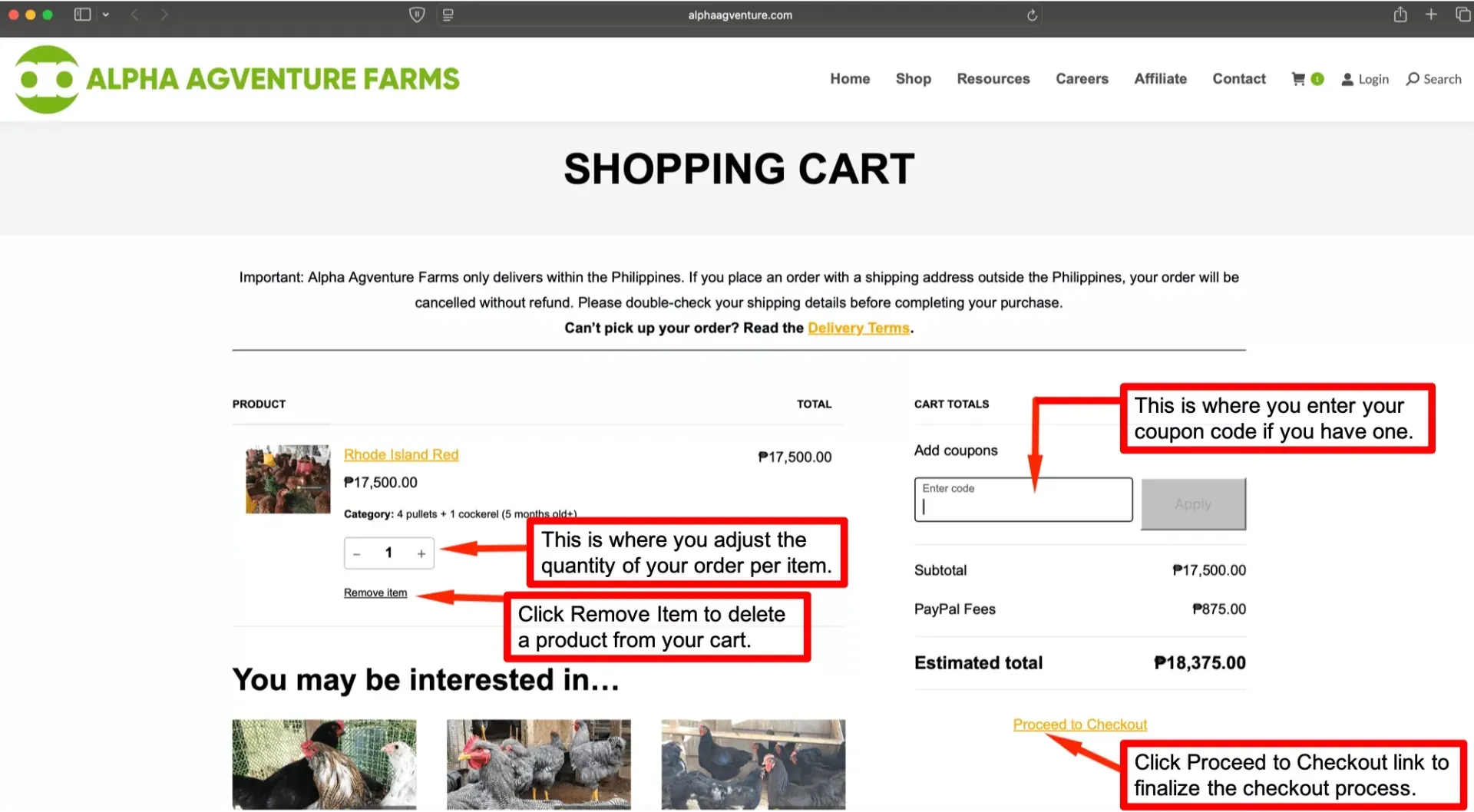
On the Shopping Cart page, you can:
- Adjust quantities or remove items
- Enter promo or coupon codes. When ready, click Proceed to Checkout.
Step 5. Review Delivery Terms
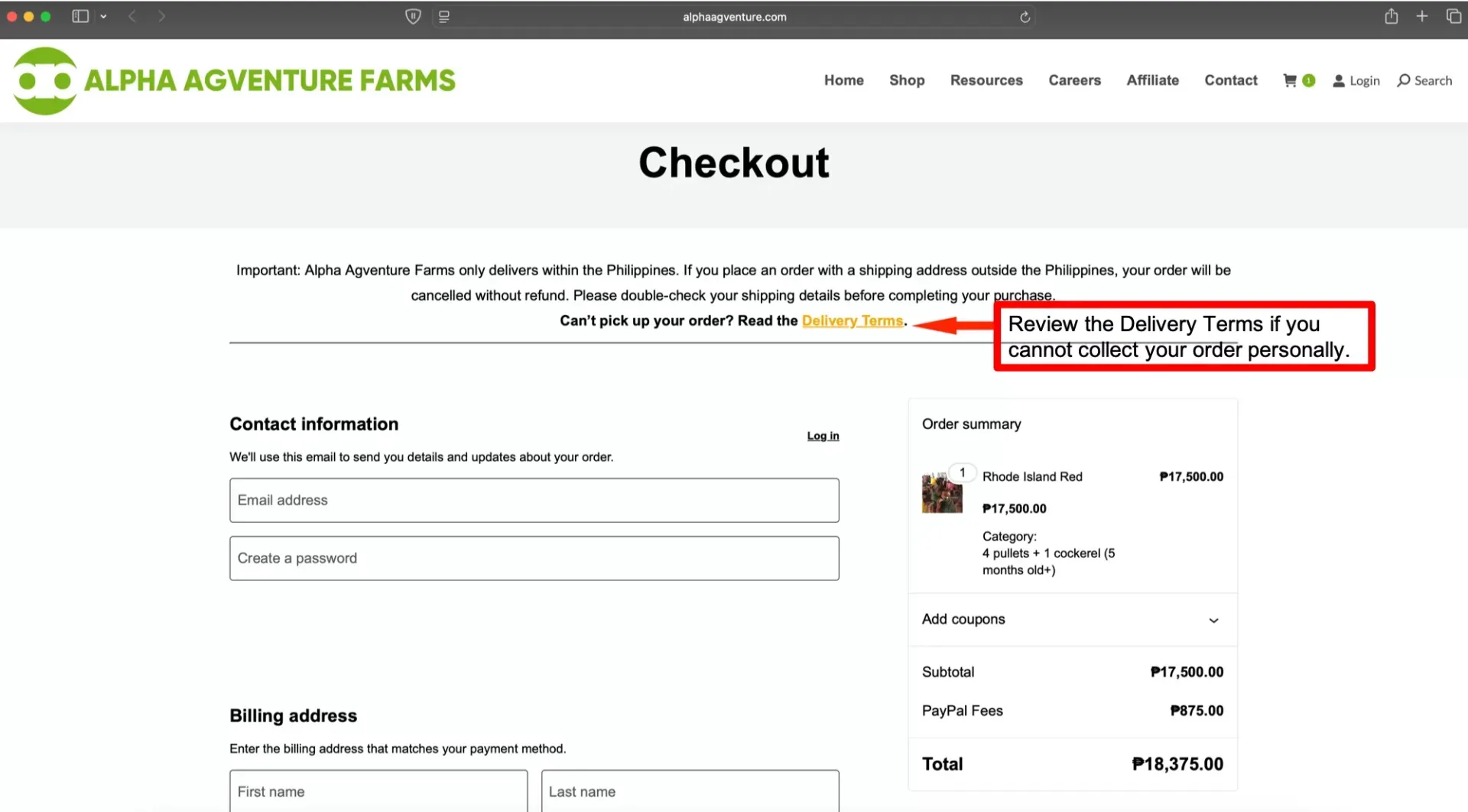
At checkout, review our Delivery Terms.
📌 Note: Some orders require you to arrange your own pickup; others can be delivered by us for a fee.
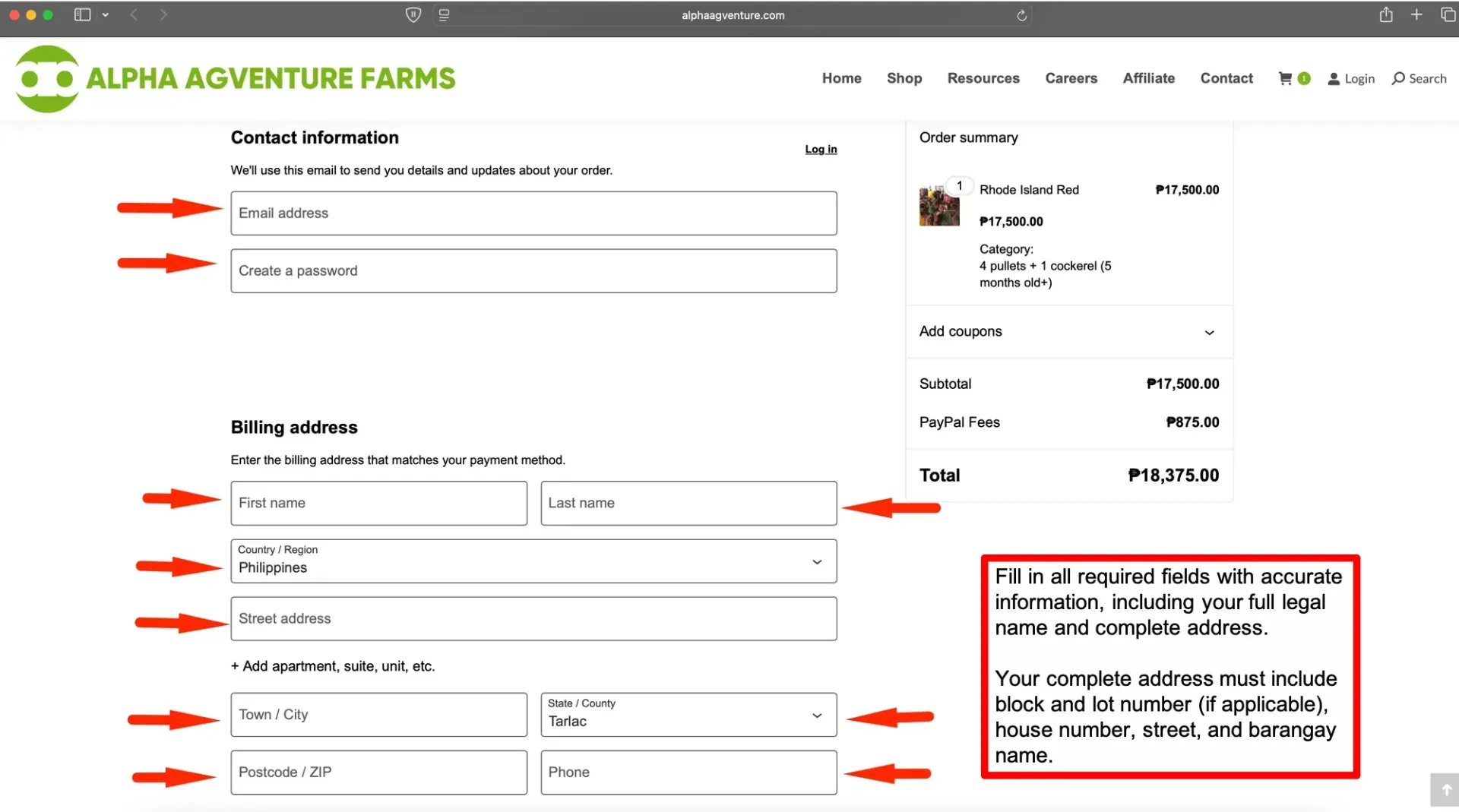
Step 6. Enter Details
Fill in all required fields with accurate information, including your full legal name and complete address (house number, street, and barangay).
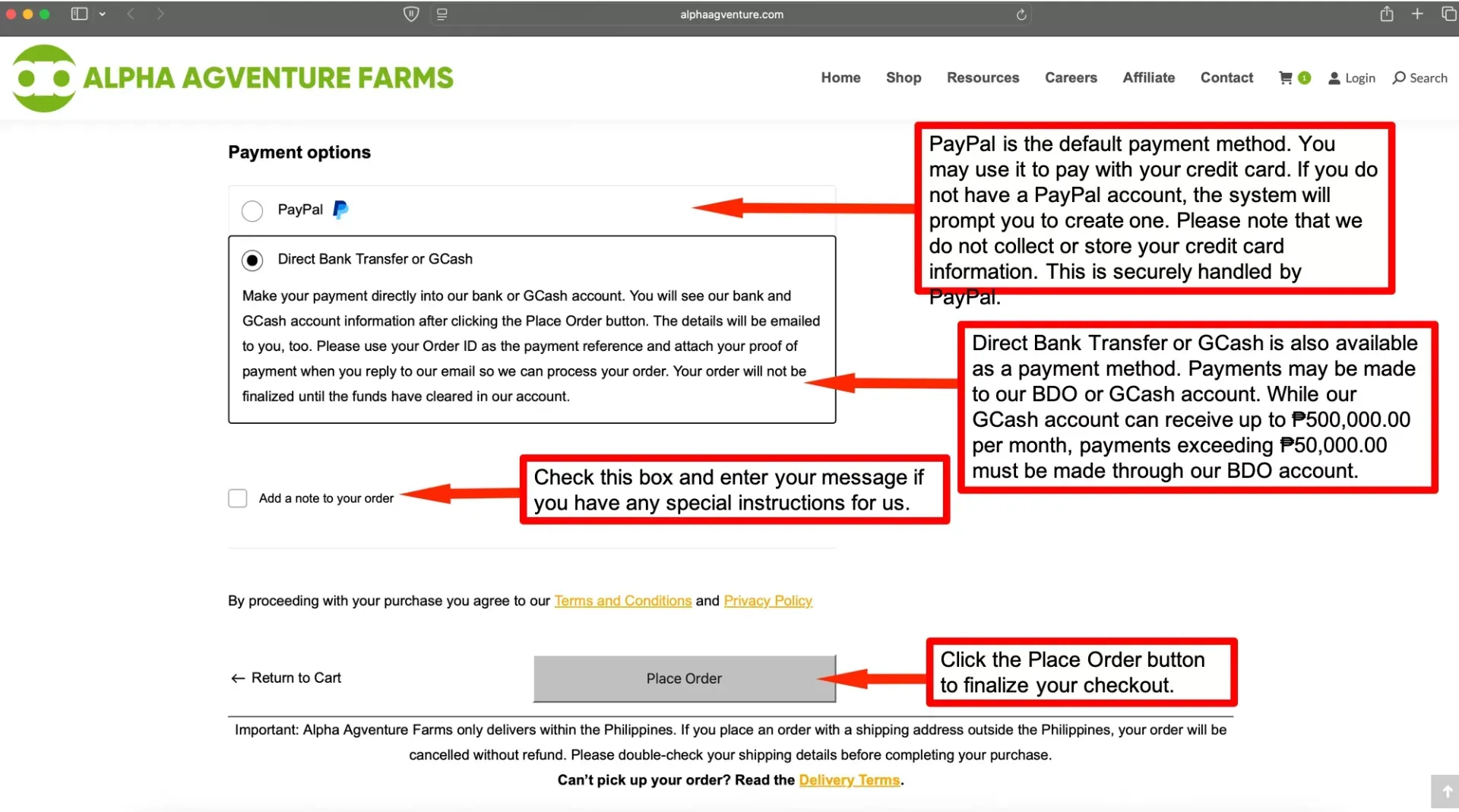
Step 7. Choose Payment Method
- PayPal (default): Use this for credit card payments. Card details are stored securely by PayPal, not us.
- Direct Bank Transfer / GCash: Transfer funds within 60 minutes of checkout.
📌 Note: Orders not paid within 1 hour are automatically canceled.
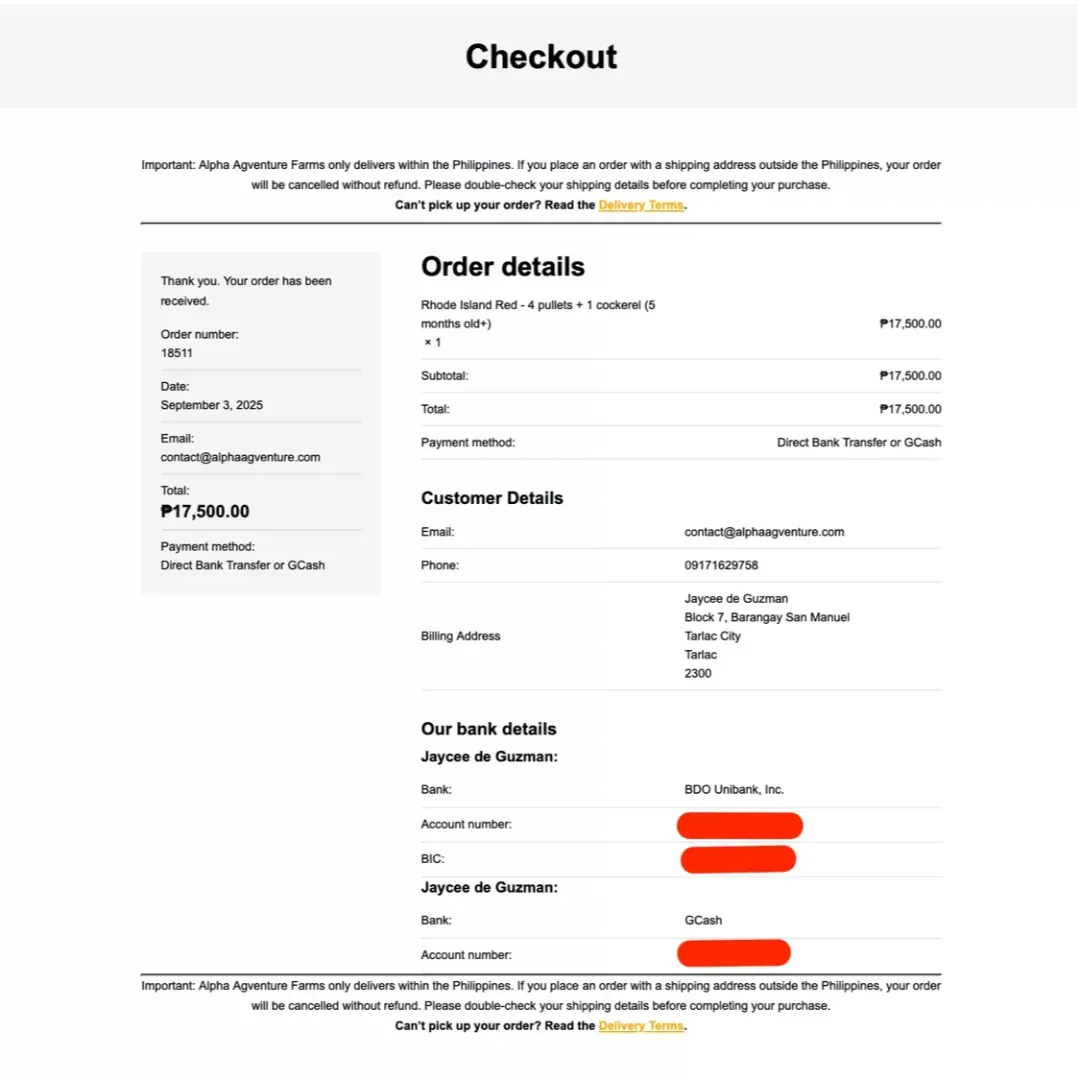
Step 8. Place Order
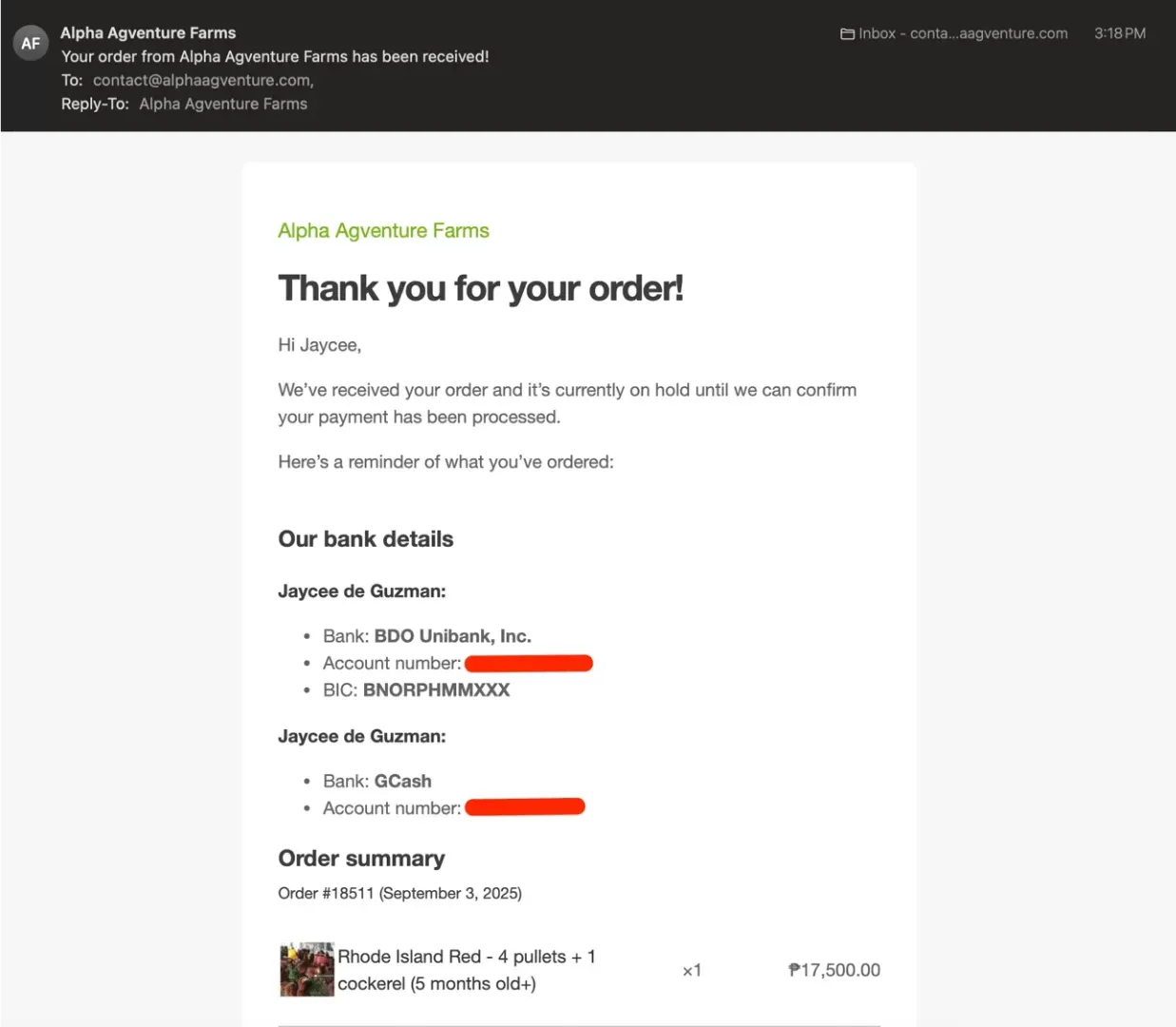
Click Place Order to complete checkout. Bank or GCash details will appear on-screen and will also be emailed to you (check spam if not in inbox).
Step 9. Send Proof of Payment
Take a photo or screenshot of your payment slip. Reply to our confirmation email with the proof attached. Once verified, your order status will update from On Hold to Processing.
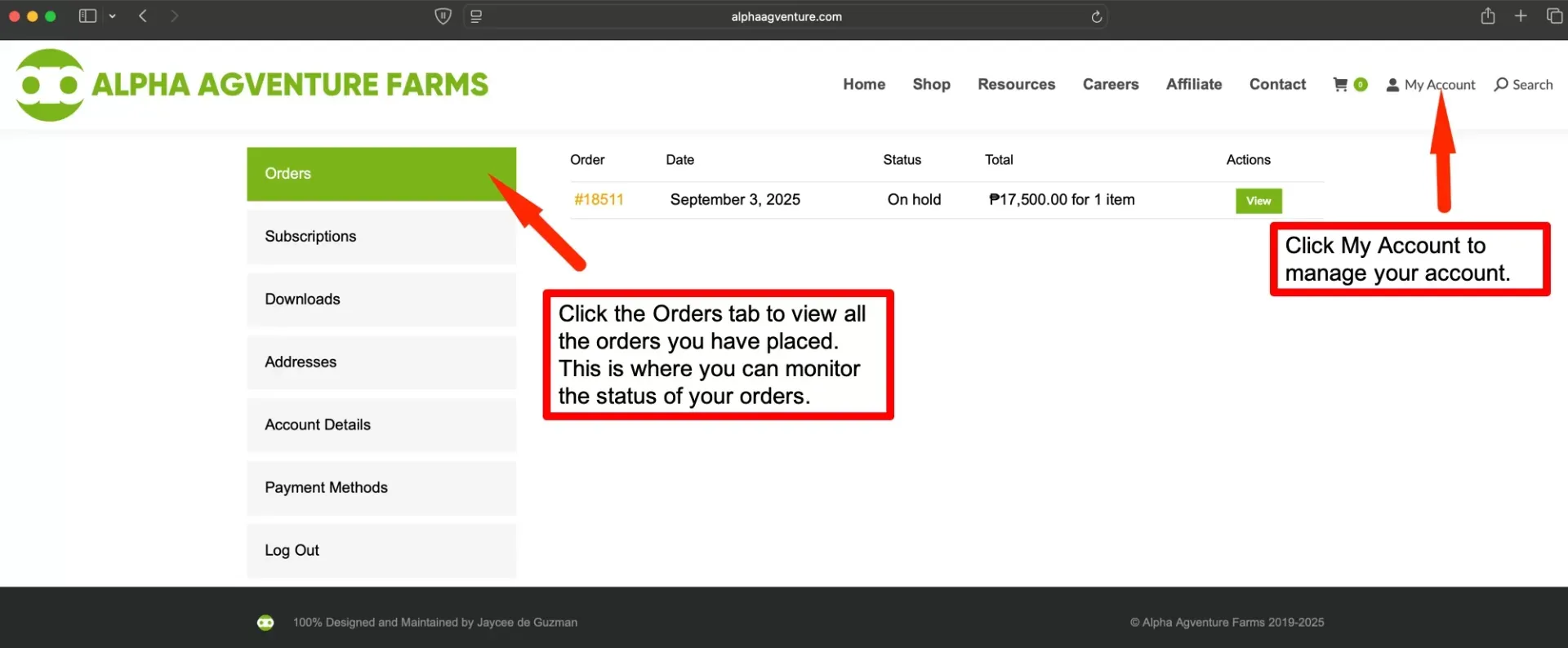
Manage Account
You can manage your account, view the records of all your orders, and monitor the status of your latest order in the My Account page.
That’s it. Placing an order at Alpha Agventure Farms is quick, simple, and secure. With just a few clicks, your chosen livestock, products, or services will be on their way. We designed the process to be smooth so you can focus on what truly matters, growing your farm and achieving more. Viber or WhatsApp to inquire on the delivery fee. Please review our Delivery Terms before placing an order.
⏳ Lead Time: Actual lead time may vary depending on the availability of livestock and queue of orders. Message us on Viber or WhatsApp to inquire on the current lead time.
🚫 No Walk-Ins: Orders are processed strictly through our online ordering system.
💳 No Cash-On-Delivery: All orders must be prepaid through our website. Accepted payment methods include bank transfer (online or over the counter), GCash, and credit card payments via PayPal.
📞 Viber/WhatsApp: +63 917 162 9758
All orders that remain unpaid within 60 minutes from checkout will be automatically deleted by our system. This policy helps us manage limited stock fairly and prevents other customers from being unable to place an order due to unpaid reservations. Kindly place an order if, and only if, you are ready to pay for it within 60 minutes upon checkout.
Step 1: Browse Products
Go to the Shop page to view all categories, then select the product or service you want.
These are the product categories inside the SHOP page. A product category is a collection of product pages.
These the individual product pages you will see when you click the CHICKENS product category from the SHOP page.
Step 2. Select Item
Choose your preferred option from the dropdown box. The exact price will appear above the Add to Cart button.
👉 The price range at the top shows only the lowest and highest prices among all options. The actual price of the selected item appears at the bottom of the dropdown.
The price range at the top shows only the lowest and highest prices among all options. The actual price of the selected item appears at the bottom of the dropdown.
Step 3. Add to Cart
Click Add to Cart once you’ve chosen an item from the dropdown. A message will confirm the item has been added.
- Click View Cart if you’re done shopping.
- Or continue browsing to add more items.
Step 4. Review Cart
On the Shopping Cart page, you can:
- Adjust quantities or remove items
- Enter promo or coupon codes. When ready, click Proceed to Checkout.
Step 5. Review Delivery Terms
At checkout, review our Delivery Terms.
📌 Note: Some orders require you to arrange your own pickup; others can be delivered by us for a fee.
Step 6. Enter Details
Fill in all required fields with accurate information, including your full legal name and complete address (house number, street, and barangay).
Step 7. Choose Payment Method
- PayPal (default): Use this for credit card payments. Card details are stored securely by PayPal, not us.
- Direct Bank Transfer / GCash: Transfer funds within 60 minutes of checkout.
📌 Note: Orders not paid within 1 hour are automatically canceled.
Step 8. Place Order
Click Place Order to complete checkout. Bank or GCash details will appear on-screen and will also be emailed to you (check spam if not in inbox).
Step 9. Send Proof of Payment
Take a photo or screenshot of your payment slip. Reply to our confirmation email with the proof attached. Once verified, your order status will update from On Hold to Processing.
Manage Account
You can manage your account, view the records of all your orders, and monitor the status of your latest order in the My Account page.
That’s it. Placing an order at Alpha Agventure Farms is quick, simple, and secure. With just a few clicks, your chosen livestock, products, or services will be on their way. We designed the process to be smooth so you can focus on what truly matters, growing your farm and achieving more.