

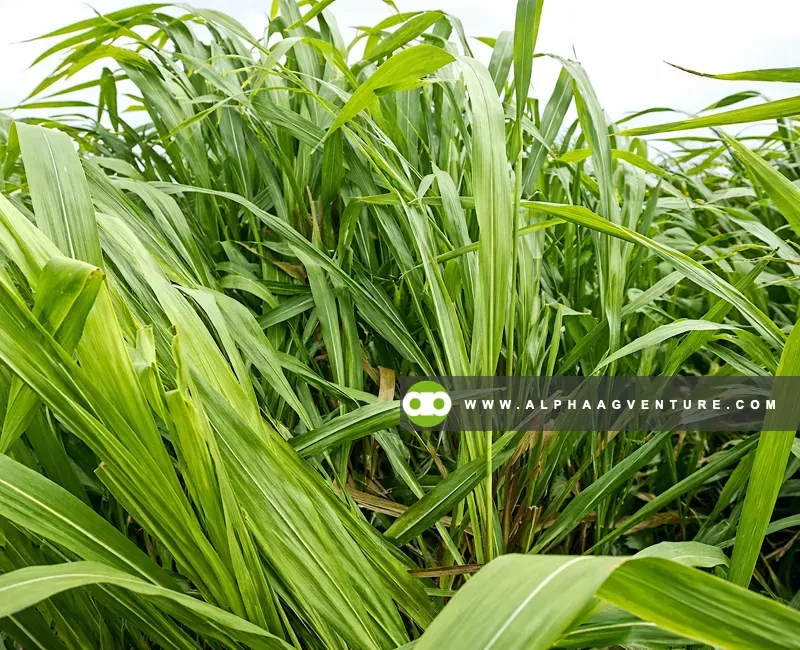
Description
GUATEMALA GRASS CUTTINGS QUANTITY CALCULATOR
We are the sole supplier of Guatemala grass cuttings in the Philippines offering an online quantity calculator. This innovative tool helps you calculate the number of cuttings needed and the appropriate planting area, ensuring that your harvest yields enough biomass to meet the daily nutritional needs of your ruminants.
GUATEMALA GRASS CUTTINGS FOR SALE
Guatemala grass cuttings for sale solve what challenge in forage planning today. Many farms need a faster way to establish feed sources without waiting for uncertain seed germination. Cuttings provide that shortcut. They allow planting to begin immediately, which helps farmers move from preparation to production without unnecessary delays or unpredictable outcomes.
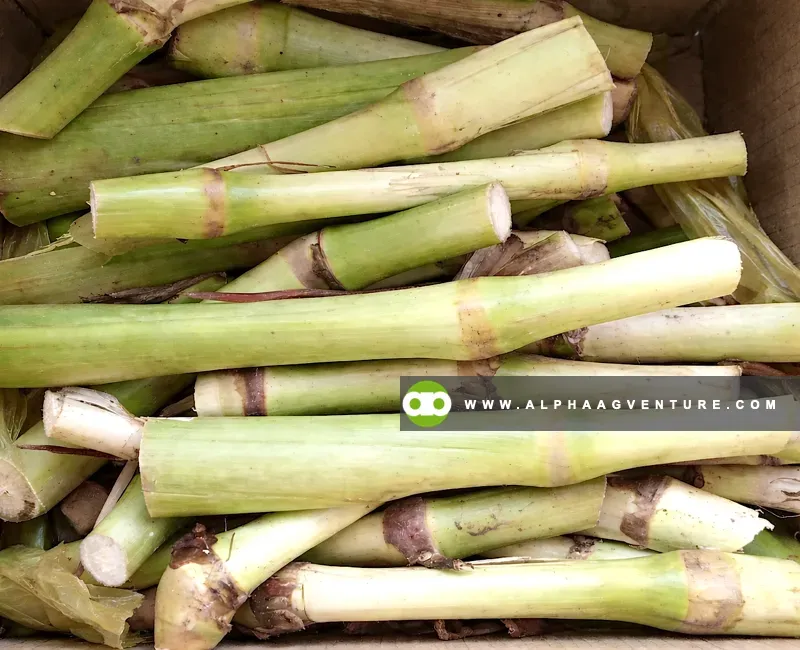
Doubt often comes from past experiences with poor planting material. When cuttings fail, it is rarely the crop itself. Weak or immature stems struggle to root. Properly selected cuttings behave differently. They establish with consistency, provided moisture and spacing are correct. Success starts before planting, not after problems appear in the field.
Uncertainty about where to buy Guatemala grass cuttings usually follows inconsistent results from previous suppliers. Not all sources prioritize quality. Some harvest too early or store cuttings poorly. Reliable suppliers release planting material at the correct stage. This attention to detail improves establishment rates and reduces the need for replanting later.
Another hesitation involves compatibility with existing feeding systems. Guatemala grass does not require a complete overhaul. It works alongside current forage and feeding routines. Whether for goats, sheep, or cattle, it provides additional volume without forcing drastic changes. The goal is to strengthen feed availability, not complicate daily farm operations.
Concerns about the price of Guatemala grass cuttings often focus on the upfront cost. That approach overlooks the outcome. Cheap cuttings that fail lead to wasted labor and delayed forage supply. High-quality cuttings establish faster and produce sooner. The real value shows in how quickly the field becomes productive and reliable.
Maintenance is often misunderstood. Some assume that once planted, the crop will demand constant attention. Guatemala grass follows a simple pattern. Regular cutting encourages regrowth, and basic fertilization supports yield. It does not require complex management. Once established, it becomes part of a routine that farmers can sustain without difficulty.
Handling during delivery also plays a role in success. Cuttings must arrive fresh and viable. Delays, heat exposure, and poor bundling reduce their potential. Proper logistics preserve quality from harvest to planting. When cuttings reach the farm in good condition, establishment becomes smoother and early growth appears more uniform.
Choosing the right supplier of Guatemala grass cuttings determines whether the planting effort delivers results or setbacks. Quality, timing, and handling define performance in the field. Farmers who focus on long-term forage stability invest in dependable sources. For serious production goals, Guatemala grass cuttings for sale remain a practical starting point.
FREQUENTLY ASKED QUESTIONS
What are the characteristics of Guatemala grass and how does it benefit livestock?
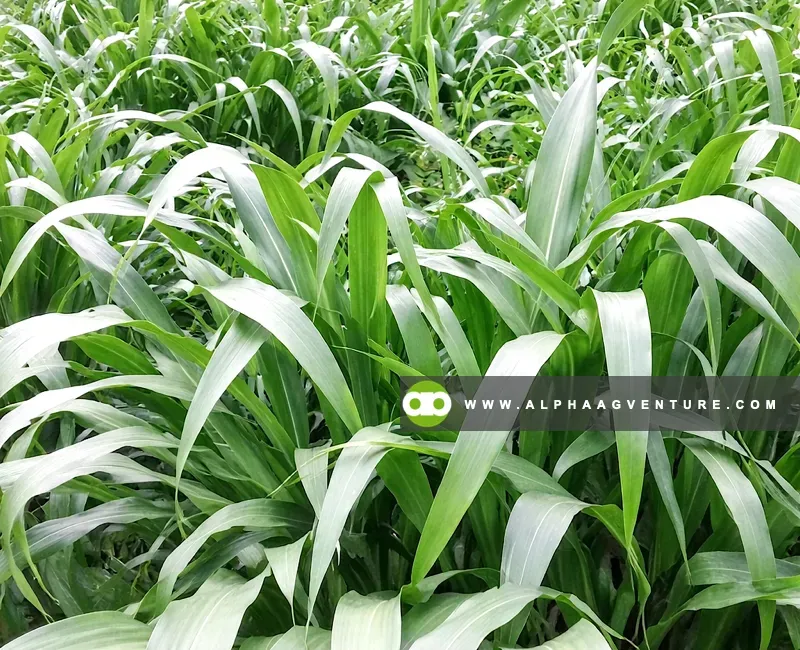
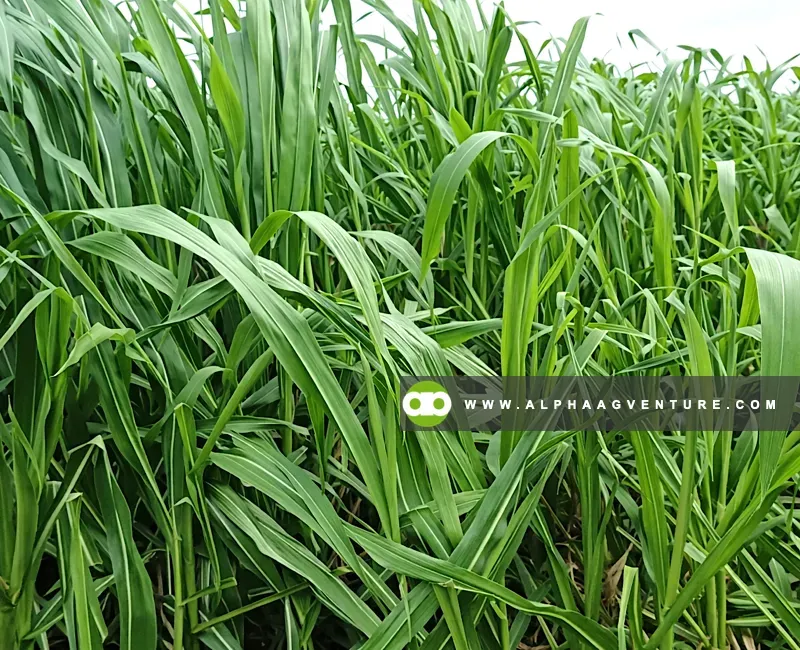
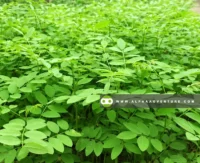
Guatemala grass (Tripsacum andersonii J. R. Gray or Tripsacum laxum Nash) is a robust, strongly rhizomatous, tufted, and leafy perennial grass that can form large bunches. Its stems can grow up to 11.5 to 14.8 feet high and have a diameter ranging from 0.4 to 2 inches. If you’re considering enhancing your livestock’s diet, you might want to buy Guatemala grass. This grass remains leafy for a long time, providing consistent and high-quality forage. Its late-developing stems allow it to maintain nutritional value, making it an excellent choice for feeding goats, sheep, cattle, and buffaloes. By choosing to buy Guatemala grass, you’re ensuring a nutritious and reliable feed source for your animals.
Will you teach me how to plant Guatemala grass if I buy from you?
Yes, we provide planting guidance to all customers who purchase from us. We understand that proper planting is crucial for the successful growth of Guatemala grass. When you buy from us, we offer detailed instructions and tips to help you get started. Our goal is to support you in achieving a productive and thriving crop. Whether you’re a beginner or an experienced farmer, we’re here to assist you every step of the way.
What are the benefits of Guatemala grass for livestock?
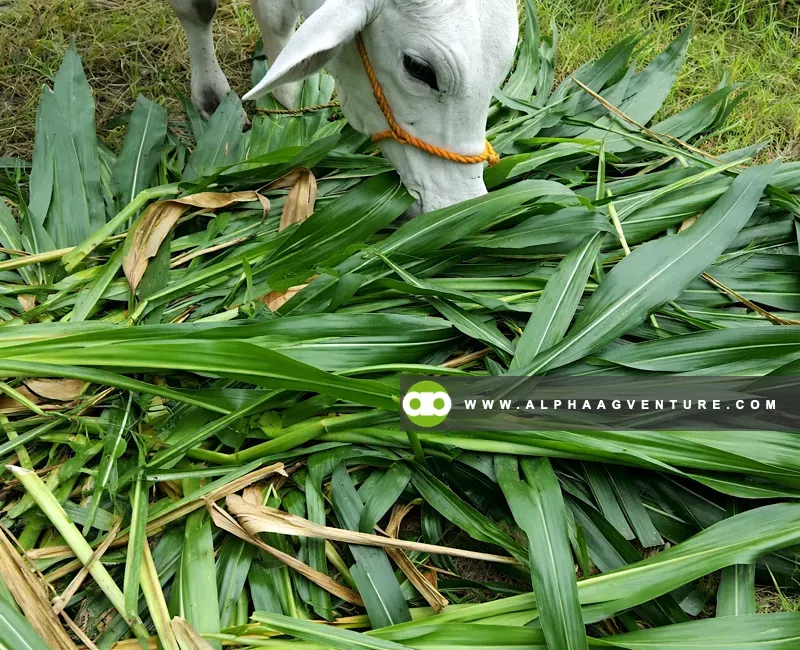
Guatemala grass is highly nutritious and provides excellent forage for goats, sheep, cattle, and buffaloes. Its deep roots make it drought-resistant, ensuring year-round availability. The high protein content supports optimal growth and milk production in livestock.
How do I plant and care for Guatemala grass?
Plant Guatemala grass in well-drained soil with sufficient sunlight. Space the cuttings 50 cm apart to allow proper growth. Regular watering during the initial stages is crucial. Once established, the grass requires minimal maintenance, thriving even with moderate rainfall.
Where can I buy Guatemala grass for goats, sheep, cattle, and buffaloes?
You can buy Guatemala grass for goats, sheep, cattle, and buffaloes from Alpha Agventure Farms. Purchasing from Alpha Agventure Farms ensures you get high-quality, disease-free cuttings that are ideal for improving your livestock’s diet and overall health. Trusting a reputable supplier like Alpha Agventure Farms guarantees that you are providing the best nutrition for your animals.
How long does it take for Guatemala grass to establish?
Guatemala grass typically establishes within 3 to 4 months. During this period, regular watering and weed control are essential to ensure healthy growth. Once established, it provides a robust and persistent forage solution for your livestock.
What is the price of Guatemala grass?
The price of Guatemala grass is already listed on this page. It’s an affordable and cost-effective option, especially when considering its long-term benefits for your livestock. For detailed pricing based on your specific needs, simply refer to the information provided here.
Can Guatemala grass be mixed with other forage crops?
Yes, Guatemala grass can be mixed with other forage crops such as Napier grass or legumes. This practice improves the nutritional balance of the forage available to your livestock. Mixing also enhances soil fertility and overall pasture resilience.
Is Guatemala grass for sale year-round?
Yes, Guatemala grass is for sale year-round, and you can plant it in any season. While the rainy season offers natural moisture that helps with establishment, you can still plant during the summer if you have proper irrigation in place. This allows the grass to thrive regardless of the time of year. Purchasing from Alpha Agventure Farms ensures you get high-quality cuttings that will flourish throughout the year.
Where can I find Guatemala grass near me?
To find Guatemala grass near you, search “Guatemala grass for sale near me” on Google. You’ll find the link to Alpha Agventure Farms at the top of the search results. Click it to make your purchase. Even if we’re geographically distant, we offer delivery at the buyer’s cost, ensuring you receive high-quality grass cuttings no matter your location. Buying from us guarantees that you’re getting top-tier products delivered right to your doorstep.
What is the recommended spacing between each Guatemala grass seedling when planting?
When planting Guatemala grass seedlings, it is recommended to space each seedling about 3 feet apart in rows. This spacing allows the grass to spread and establish a dense, healthy stand, which is essential for optimal forage production. Proper spacing ensures that each plant has enough room to grow and access nutrients, light, and water without competing with neighboring plants. This also makes managing and harvesting the grass easier.
Can Guatemala grass help reduce feed costs?
Yes, Guatemala grass can significantly reduce feed costs. Its high yield and nutritional value reduce the need for supplemental feed. By cultivating this grass, you can provide your livestock with a consistent and cost-effective food source throughout the year.
How does Guatemala grass compare to other forage options?
Guatemala grass offers superior drought tolerance and higher protein content than many the regular grasses in the Philippines. It is particularly suitable for tropical climates, where it thrives and provides reliable forage. This makes it a preferred choice for many livestock farmers.
What is the ideal planting season for Guatemala grass?
The ideal planting season for Guatemala grass is during the early rainy season. This timing ensures that the grass receives adequate water for establishment. However, with proper irrigation, it can also be planted during dry periods.
How much forage can Guatemala grass produce per hectare?
Guatemala grass can produce up to 40 tons of forage per hectare per year under optimal conditions. This high yield makes it an excellent choice for farmers looking to maximize forage production on their land. Regular harvesting promotes continuous growth.
Is the price of Guatemala grass justified by its benefits?
The price of Guatemala grass is justified by its numerous benefits, including its high nutritional value. This grass offers a crude protein content of around 8-10%, crude fiber of approximately 30-35%, and crude fat ranging from 2-3%. Additionally, it provides essential minerals with calcium levels of about 0.8-1.0% and phosphorus around 0.4-0.6%. Investing in Guatemala grass can lead to long-term savings on feed and improved livestock productivity due to its balanced nutrient profile, drought resistance, and consistent yield.
Can Guatemala grass be used for silage?
Yes, Guatemala grass can be used for silage. Its high moisture and sugar content make it suitable for fermentation, providing your livestock with nutritious feed during the off-season. Proper silage preparation ensures maximum nutrient retention.
How often should I harvest Guatemala grass?
When harvested for direct feeding in cut-and-carry systems, Guatemala grass should be cut when it reaches a height of 100 to 120 cm (about 3 to 4 feet) and no closer than 10 to 25 cm from the ground. This helps maintain the grass’s quality and prevents it from becoming too coarse. For optimal results, the cutting frequency should be about every 30 days during the wet season and every 42 to 45 days during the dry season. It’s important to note that Guatemala grass does not withstand heavy grazing or frequent cutting, so adhering to these guidelines will help ensure healthy regrowth and maintain the grass’s nutritional value.
Does Guatemala grass require fertilization?
While Guatemala grass can grow in low-fertility soils, applying organic or inorganic fertilizers can boost its yield. Fertilization promotes faster growth and higher protein content, enhancing the grass’s overall value as livestock forage.
How does Guatemala grass benefit soil health?
Guatemala grass benefits soil health by preventing erosion and improving soil structure. Its deep roots enhance water infiltration and nutrient cycling, making the soil more fertile over time. This grass also supports biodiversity by providing habitat for beneficial organisms.
What are the best conditions for storing Guatemala grass cuttings?
Store Guatemala grass cuttings in a cool, shaded area to prevent them from drying out before planting. Ensure the cuttings remain moist by covering them with a damp cloth or placing them in water. Proper storage preserves their viability and promotes successful planting.
How should Guatemala grass be prepared for ensiling?
When preparing Guatemala grass for ensiling, it is recommended that the regrowth reaches 3 to 4 feet in height and is still in the vegetative state, about 60 days old, before cutting. Due to its high moisture content (69%) and low water soluble carbohydrates (3-9% DM), ensiling without proper preparation can result in 12% dry matter losses. To improve ensiling efficiency, wilt the grass before ensiling to increase dry matter and water soluble carbohydrates, and reduce nutrient losses.
What are the benefits of wilting Guatemala grass before ensiling?
Wilting Guatemala grass before ensiling enhances its suitability for silage by increasing dry matter content and water soluble carbohydrates. This process helps counteract the typical 12% dry matter loss during ensiling due to the grass’s high moisture (69%) and low water soluble carbohydrates (3-9% DM). Wilting, combined with chopping, can also improve crude protein content and slightly reduce neutral detergent fiber (NDF) and acid detergent fiber (ADF) contents, leading to better fermentation and storage stability.

Reviews
There are no reviews yet.