

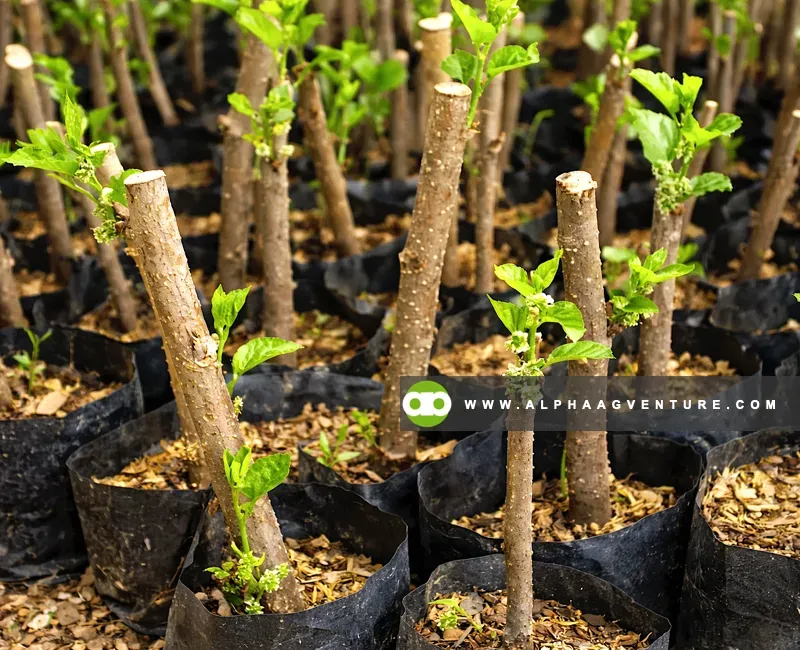
Description
MULBERRY SEEDLING LAYOUT CALCULATOR
We are the only seller of Mulberry cuttings and seedlings in the Philippines with an online calculator that precisely estimates the number of seedlings required based on your planting area, row and seedling spacing, and plot dimensions.
MULBERRY CUTTINGS & SEEDLINGS FOR SALE
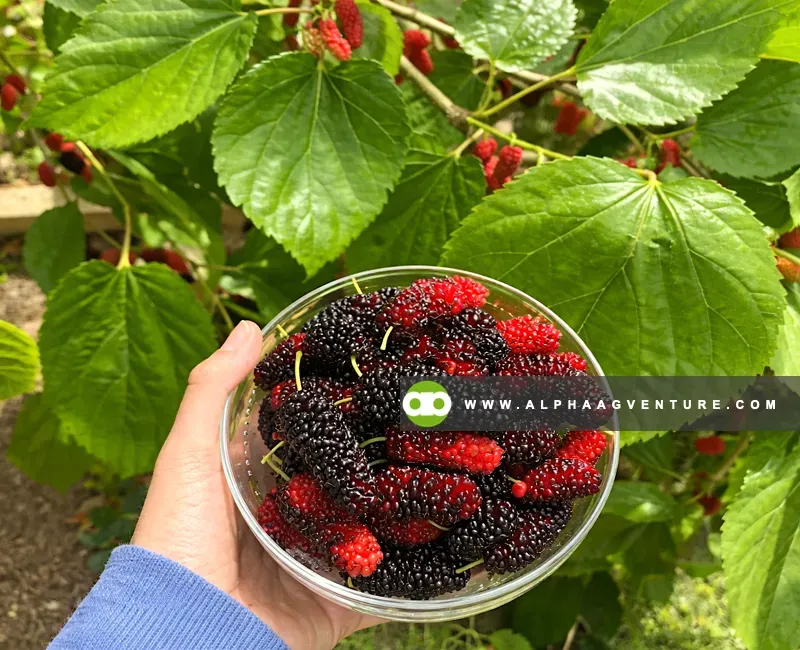
Can a steady forage source reduce dependence on expensive feeds? Mulberry cuttings and seedlings for sale answer that need with a crop known for leaf yield and adaptability. Many livestock raisers turn to mulberry to support feeding programs that demand consistency, especially when commercial feed prices move unpredictably or supply becomes uncertain.
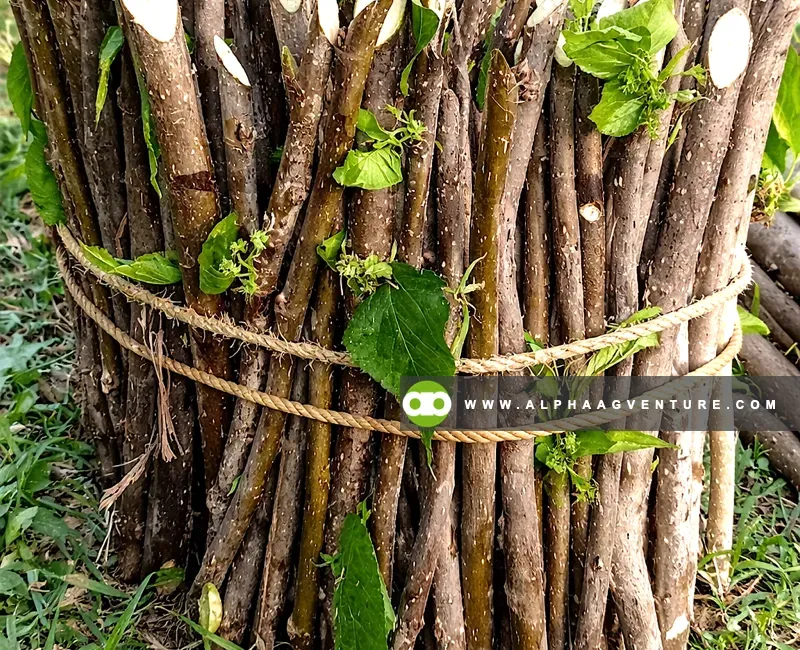
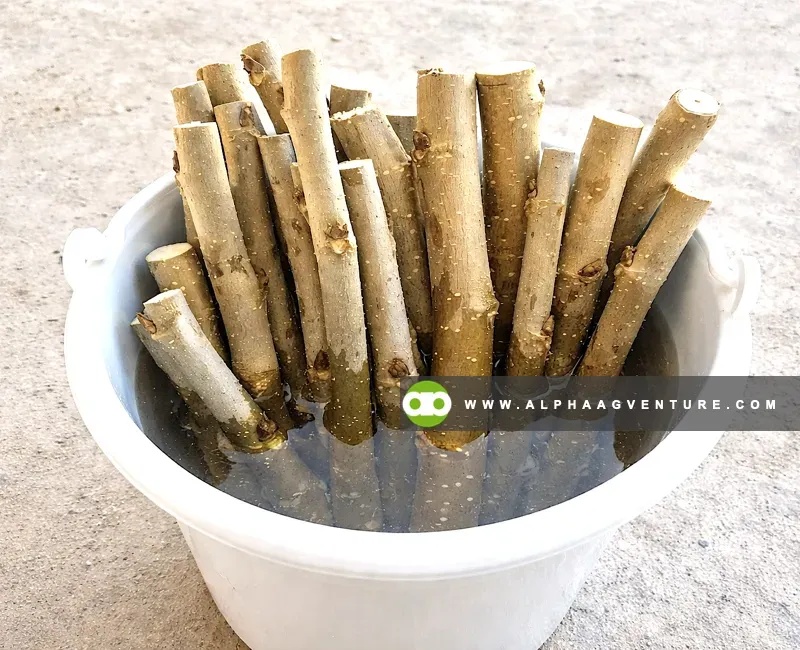
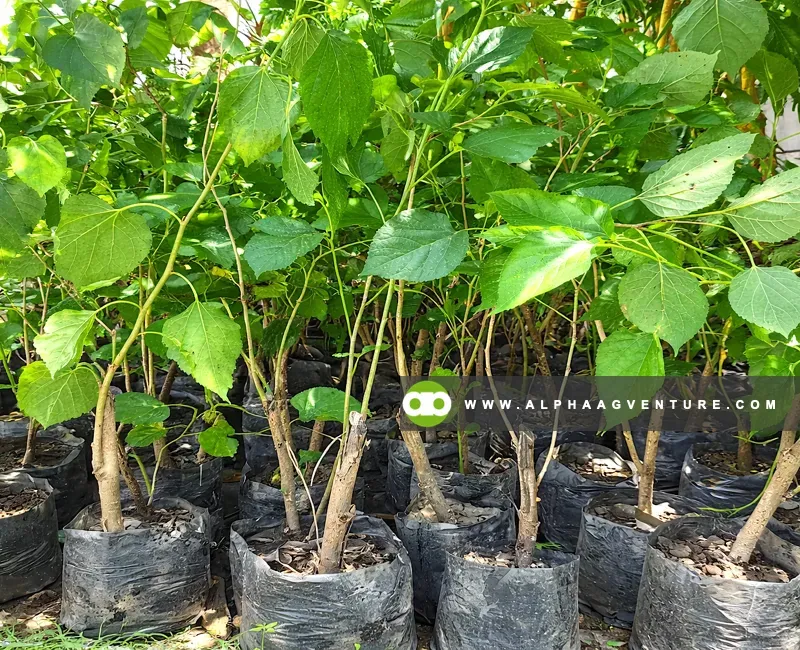
Doubts usually come from failed attempts seen elsewhere. Most of those cases trace back to poor planting material or weak handling before planting. Healthy cuttings with enough nodes and properly hardened seedlings establish faster. With the right start, mulberry becomes a dependable component rather than a risky experiment on your farm.
If you are wondering where to buy Mulberry cuttings and seedlings, look beyond availability and check how the materials were prepared. Alpha Agventure Farms focuses on viable propagation and proper handling. That attention to detail helps reduce early losses and sets up a stronger stand that performs well over time.
Another question revolves around output. Will mulberry really produce enough to matter? When managed correctly, it provides frequent harvests of leafy biomass. It fits well into cut and carry systems and complements existing feeding strategies. This makes it useful for goat, sheep, and cattle raisers who need dependable green forage.
Some buyers hesitate because of the price of Mulberry cuttings and seedlings. It is easy to compare numbers without looking at the full picture. Mulberry is not a one cycle crop. Once established, it continues producing for years, which spreads the initial cost across multiple harvests and reduces long-term forage expenses.
Concerns about maintenance also come up. Mulberry does not require complicated routines. Regular cutting promotes regrowth, while simple fertilization supports yield. It adapts to different soil types as long as water does not sit around the roots. With consistent care, it remains productive and easy to manage on small or large setups.
Delivery and survival rates matter, especially for those ordering from a distance. Proper preparation and timing help ensure that cuttings and seedlings arrive in good condition. When planting follows recommended steps, establishment improves. This minimizes waste and turns each delivered piece into a productive plant on your land.
Work with a trusted supplier of Mulberry cuttings and seedlings so the effort starts right from day one. Reliable planting material paired with clear guidance leads to better results. Secure your Mulberry cuttings and seedlings for sale and build a forage source that supports livestock performance without constant dependence on outside supply.
FREQUENTLY ASKED QUESTIONS
Will mulberry compete too aggressively with my other crops?
Mulberry can grow vigorously, but that does not mean it will automatically become a problem on your farm. The outcome depends on placement, spacing, and pruning discipline. If planted with a clear layout and managed through regular cutting, mulberry stays productive without overwhelming nearby crops. It works best when treated as a planned forage block rather than scattered randomly.
Is mulberry too sensitive to pests and diseases for practical farm use?
Mulberry is not a delicate crop when compared to many forage options. It can handle common field conditions if basic management is in place. Most issues arise from poor sanitation or overcrowding. Healthy planting material, good airflow, and routine monitoring reduce risk. A neglected plot invites problems, while a managed one remains stable and productive.
How long will it take before I can harvest useful forage?
Mulberry requires an establishment phase before it delivers consistent yield. Cuttings and seedlings need time to develop strong roots and enough branches for repeated cutting. Harvesting too early weakens the plant and delays future output. Waiting for proper growth ensures better regrowth cycles and long-term productivity rather than short-lived early gains.
Can mulberry survive long dry periods without irrigation?
Mulberry shows good tolerance to dry conditions once fully established, but young plants still need support. During early stages, consistent moisture helps roots develop properly. After establishment, the plant becomes more resilient and can handle seasonal dry periods better than many forage crops. Still, extreme drought without any support will affect yield and regrowth.
Will animals actually eat mulberry, or will it be rejected?
Palatability is a common concern, especially when introducing a new forage. Mulberry leaves are generally well accepted by goats, sheep, and cattle. In many cases, animals consume it readily once they are familiar with it. Gradual introduction works best. Mixing it with existing feed allows animals to adapt without stress or sudden diet changes.
Can mulberry replace all commercial feeds completely?
Mulberry is a strong forage option, but it is not meant to fully replace formulated feeds. It works best as part of a balanced feeding program. Livestock still require nutrients that are more precisely supplied by commercial rations. Mulberry helps reduce reliance on those feeds, but removing them entirely can affect performance if not managed carefully.
Does mulberry require special soil conditions to grow properly?
Mulberry is adaptable and does not demand a narrow range of soil conditions. It performs well in many soil types as long as drainage is adequate. Waterlogged conditions are more problematic than soil variation. Basic soil preparation and occasional fertilization improve results. Even in average soil, mulberry can establish and produce reliably with proper care.
What happens if some cuttings or seedlings fail after planting?
Losses can happen in any planting activity, especially during early stages. The key is to minimize failure through proper handling and planting practices. Using viable materials, planting at the correct depth, and maintaining moisture all improve success rates. Replacing a small percentage of failed plants early prevents gaps that could affect future yield and uniformity.
Is mulberry difficult to integrate into an existing feeding system?
Mulberry fits well into most feeding systems when introduced with a clear plan. It can be used in cut and carry setups or as a supplemental forage. Integration becomes easier when harvest schedules align with feeding routines. It does not require a complete overhaul of existing practices, only adjustments that allow consistent use of fresh forage.
How do I know I am getting quality planting material from a supplier?
Quality starts with the source. Reliable suppliers provide cuttings taken from mature plants and seedlings that are already hardened. They also give clear guidance on handling and planting. Look for consistency in size, health, and preparation. A dependable supplier of Mulberry cuttings and seedlings focuses on viability, not just volume, which directly affects your results.

Reviews
There are no reviews yet.