

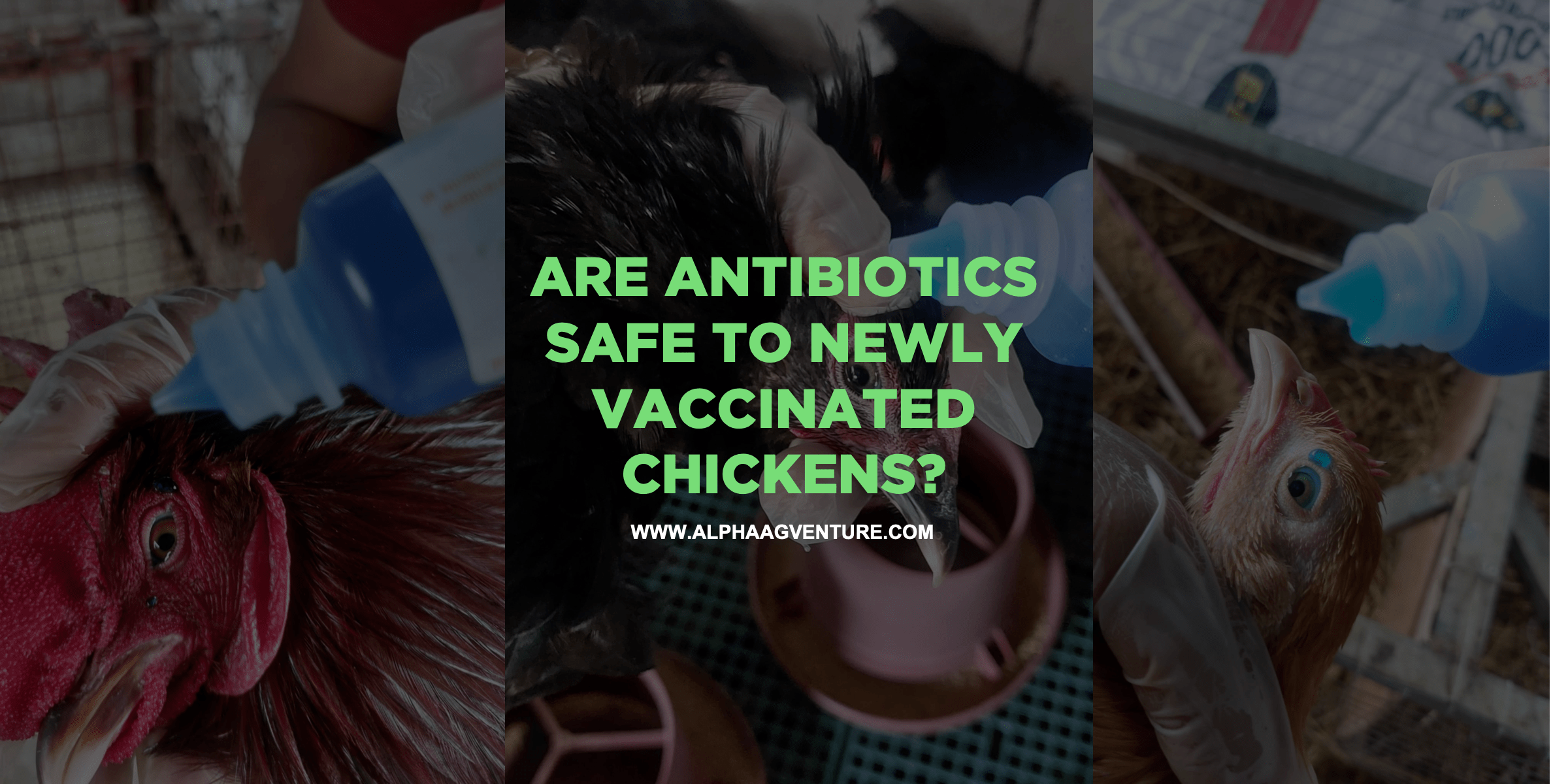
“I vaccinated my flock yesterday. Should I still give antibiotics today?”
This is one of the most common questions I receive from farmers who register for my pre-recorded online chicken farming seminar. It comes up so often that I’ve learned it is not just a casual query but a genuine dilemma faced by Filipino poultry raisers every single day. Whether you keep a few backyard birds or manage hundreds of layers, this question cuts across all levels of poultry production.
On the surface, giving both vaccines and antibiotics might seem like a smart way to protect chickens. But the truth is more complicated. If I rush to administer antibiotics right after vaccination, I risk wasting the very vaccines I worked hard to give. The birds’ immunity can be weakened, and worse, I might be contributing to the global issue of antibiotic resistance.
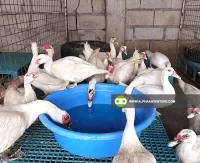
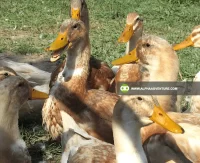
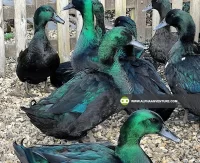
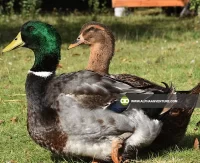
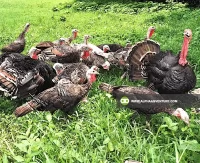
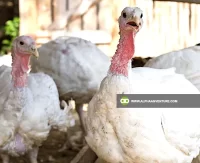
Think about the flocks we care for: Black Australorps, Rhode Island Reds, Buff Orpingtons, Chinese Silkies, Pekin Ducks, Muscovy Ducks, Chinese Geese, French Toulouse Geese, Hybrid Turkeys, Nicholas White Turkeys, and Guinea Fowls. All of them depend on the same principle: vaccines need time to train their immune systems.
In this article, I will explain why antibiotics and vaccines sometimes clash, and how farmers like us can make better decisions to protect our flocks.
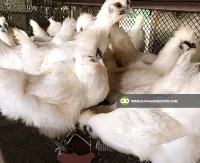
How Vaccines Work in Poultry
When I vaccinate my flock, I often remind myself that what I am really doing is giving their immune system a “lesson.” Vaccines are not medicines in the usual sense. Instead, they expose the bird to a harmless or weakened version of a disease so that its immune cells learn to recognize and fight the real pathogen in the future. This training takes time, and it cannot be rushed.
Take, for instance, the Newcastle Disease B1B1 + Infectious Bronchitis (IB) vaccine and the Newcastle Disease La Sota + IB vaccine. These are commonly used to shield chickens from two of the most economically damaging respiratory illnesses in poultry farming. The Gumboro vaccine (for Infectious Bursal Disease) is equally critical because it protects the bursa of Fabricius, an organ vital to the bird’s immune development. Then there’s the Fowl Pox vaccine, which guards against a slow-spreading viral disease that can severely reduce egg production, and the Coryza vaccine, which prevents the bacterial disease that causes severe respiratory distress.
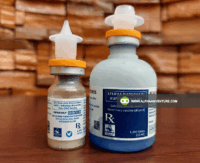
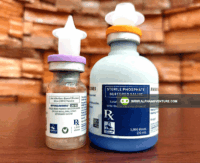
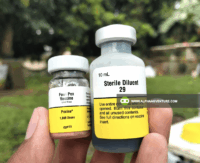

Whether I am working with Black Australorps, Rhode Island Reds, Buff Orpingtons, or Chinese Silkies, the principle remains the same. Even when I shift to waterfowl like Pekin Ducks, Muscovy Ducks, Chinese Geese, or French Toulouse Geese, or to larger birds such as Hybrid Turkeys, Nicholas White Turkeys, and Guinea Fowls, the immune system still needs days to weeks to mount a proper response.
That window of time is precious. If antibiotics interfere, the training session that vaccines provide can be compromised, leaving the flock less protected than I intended.
What Antibiotics Do
Whenever I explain antibiotics to farmers, I start with a reminder: antibiotics are designed to kill bacteria, not viruses. This distinction is crucial because many poultry vaccines, such as those for Newcastle Disease, Gumboro, and Fowl Pox, target viral diseases. Giving antibiotics after these vaccinations will not enhance protection, since antibiotics have no effect against viruses.
In poultry farming, some of the common antibiotics I see used are oxytetracycline, tylosin, amoxicillin, and enrofloxacin. They are effective when a flock is suffering from bacterial infections like colibacillosis or chronic respiratory disease. However, they are often misused as a “preventive measure,” even when there are no clear bacterial threats present.
The problem lies in what antibiotics also do inside the bird’s gut. Beyond killing harmful bacteria, they can disrupt the balance of beneficial microbes that play a vital role in digestion, nutrient absorption, and even immune regulation. This disturbance in the gut microbiota is especially concerning in the period immediately following vaccination. The immune system is busy responding to the vaccine, learning to recognize antigens, and developing memory cells. If antibiotics weaken gut health or put stress on the bird’s system, the overall immune response may not reach its full potential.
This is why the timing of antibiotic administration matters so much. If given too close to vaccination, antibiotics might reduce the very immunity I am trying to build in my flock. And for breeds like Rhode Island Reds, Black Australorps, or Pekin Ducks, that can mean weaker disease protection despite proper vaccination.
The Potential Conflict Between Antibiotics and Vaccines
A. Biological Conflict
At the biological level, antibiotics and vaccines operate on very different pathways. Vaccines rely on the bird’s immune system recognizing an antigen, processing it, and then creating antibodies and memory cells for future protection. This process requires a healthy and stable environment in the body, especially in the gut, where much of the immune system is regulated.
When antibiotics are administered too soon after vaccination, they can disrupt the gut microbiota. This microbial community helps stimulate immune responses by enhancing antigen presentation and shaping the way the immune system reacts to vaccines. If antibiotics wipe out beneficial bacteria, the immune system may not “see” the vaccine as clearly. The result is weaker antibody production and lower vaccine efficacy.
“But antibiotics fight infection, isn’t that good?”
My answer is that antibiotics are useful only when a bacterial infection is actually present. Vaccines for Newcastle Disease, Gumboro, or Fowl Pox protect against viruses, and antibiotics do nothing against those pathogens. Worse, antibiotics given unnecessarily may blunt the bird’s immune response, leaving the flock more vulnerable than if no antibiotics had been used. Science shows that overuse of antibiotics during vaccination periods does not prevent disease; instead, it may silently sabotage the vaccine’s job.
B. Practical Farm-Level Conflict
On farms, I often see this pattern: a farmer vaccinates with Newcastle Disease La Sota + Infectious Bronchitis vaccine in the morning, then adds antibiotics to the water in the afternoon “just to be safe.” The intention is good, but the outcome is disappointing. The antibiotics do not protect against Newcastle or IB because these are viral diseases. Instead, they create a false sense of security while undermining the immune response that the vaccine is trying to build.
“Better safe than sorry, right?”
I strongly disagree here. Antibiotics are not like a blanket shield that covers everything. Using them “just in case” after vaccination is more like washing away the ink before it has dried on paper. The immune system needs to hold the memory of the vaccine clearly and strongly. If we interfere, we waste the money, time, and effort that went into vaccination. In the long run, “better safe than sorry” becomes “sorry you wasted your vaccine.”
C. Stress Overload in Poultry
Vaccination is itself a controlled form of stress. The bird’s body reacts with mild fever, reduced appetite, or temporary sluggishness as the immune system works. That stress is normal and even necessary. But adding antibiotics unnecessarily can pile on more stress.
“But my hardy breeds can handle it.”
Yes, breeds like Black Australorps are resilient. But not all flocks are the same. Chinese Silkies are delicate, and young chicks of any breed are especially vulnerable. Even hardy breeds lose efficiency when exposed to avoidable stressors. The question is not whether they can survive both vaccination and antibiotics, but whether they can thrive and mount the best immune response possible. If we care about disease resistance and productivity, then minimizing unnecessary stress should always be the goal.
D. Scientific Evidence and Studies
Several studies have confirmed what many veterinarians have observed in the field: administering antibiotics close to vaccination can reduce the vaccine’s effectiveness. Research on poultry has shown that antibiotics, especially broad-spectrum ones, lower antibody titers, which are the measurable levels of antibodies in the blood after vaccination. Lower titers mean weaker protection, even if the birds look outwardly healthy.
“I’ve used antibiotics after vaccines and my flock seemed fine.”
I hear this often, and on the surface it looks true. The chickens or ducks may not die, and they may appear strong. But the real question is not survival, it is immunity. Subclinical effects, such as lower antibody titers, are invisible to the naked eye but detectable in laboratory testing. That means the flock might look fine until a real outbreak occurs, and then they crumble because the vaccines did not establish solid immunity.
Consider the effort we put into protecting species like Buff Orpingtons, Rhode Island Reds, Pekin Ducks, Muscovy Ducks, Chinese Geese, French Toulouse Geese, Hybrid Turkeys, Nicholas White Turkeys, and Guinea Fowls. Each dose of vaccine is an investment in their long-term health. Antibiotics, if misused, can quietly erode that investment without immediate warning signs. The science tells us: appearance is not protection. Immunity is what matters, and antibiotics can compromise it.


E. Ethical and Long-Term Implications
Finally, we cannot ignore the broader ethical and sustainability issues. Every unnecessary dose of antibiotics contributes to antimicrobial resistance (AMR), a problem recognized by the World Health Organization as one of the greatest threats to global health. Resistant bacteria can spread between birds, farms, and even to humans.
Objection: “But antibiotics are cheap and easy.”
Yes, they are cheap now. But the long-term cost is enormous. Resistant bacteria are harder and more expensive to treat. Failed vaccinations lead to outbreaks that wipe out productivity. The money saved by sprinkling antibiotics “just in case” after vaccination will be lost many times over when the flock fails to resist a real disease challenge. True safety means thinking beyond today’s shortcut and investing in immunity that lasts.
When Antibiotics May Still Be Necessary
After everything I’ve said, you might be wondering if the rule is “never use antibiotics.” That is not the case. There are times when antibiotics are not just appropriate but essential. For example, when a flock faces an outbreak of colibacillosis (caused by E. coli) or pasteurellosis (fowl cholera), antibiotics can mean the difference between saving and losing birds. In such cases, antibiotics directly target the bacterial pathogens causing disease, and vaccination alone cannot provide immediate relief.
So, never use antibiotics?
My answer is no. The key is timing and diagnosis. Antibiotics should be used only when a bacterial infection is confirmed or strongly suspected, and always under veterinary guidance. This way, we avoid undermining the benefits of vaccines while still protecting flocks when true bacterial threats strike. Responsible use preserves both our birds’ immunity and the effectiveness of antibiotics for the future.
The Bigger Picture: Antibiotic Resistance and Farm Economics
When I think about antibiotic resistance, I know some farmers say, “That’s a global issue, not my farm.” But the truth is, resistant bacteria do not stay in one place. They move from farm to farm through birds, workers, equipment, water, and even trade. If antibiotics are misused, treatment options for future outbreaks shrink. That means higher costs, more losses, and weaker export potential for the entire poultry industry. What looks like a small decision on one farm can ripple into a much larger economic and health problem across our communities.
My Practical Advice to Filipino Poultry Farmers
I treat vaccines as investments, so I let them work without interference.
“But what if I lose birds without antibiotics?”
My answer is that prevention through biosecurity, proper timing of vaccination, and flock management is far stronger and more sustainable than relying on antibiotics after the fact.
See What You’re Touching, Touch What You See
When I return to the original question (“Should I give antibiotics to newly vaccinated chickens?”), I see more than a simple medical choice. It is a dilemma rooted in farm economics, animal health, and long-term sustainability. Every farmer who asks this is really asking how to protect both flock and livelihood.
True safety does not come from mixing vaccines and antibiotics. It comes from letting vaccines do their work without unnecessary interference. Vaccines such as Newcastle Disease B1B1 + IB, La Sota + IB, Gumboro, Fowl Pox, and Coryza are designed to train the immune system. If antibiotics are given too soon after vaccination, they may blunt this training and reduce the protective effect.
But what if antibiotics were already given because of an infection? The general rule is simple: finish the antibiotic treatment first, allow the birds to fully recover, and only then proceed with vaccination. The exact interval depends on the type of antibiotic used, but for many short-acting drugs, it often means waiting several days after the last dose. What matters most is ensuring that the immune system is no longer stressed when the vaccine is introduced.
By respecting this sequence, I get the best of both worlds: antibiotics retain their value when truly needed, and vaccines provide the lasting protection they are meant to deliver. Prevention, timing, and trust in immunity are the farmer’s strongest tools for building resilient flocks.

Mr. Jaycee de Guzman is a self-taught agriculturist and the founder of Alpha Agventure Farms, recognized as the leading backyard farm in the Philippines. With a rich background in livestock farming dating back to the early 1990s, Mr. de Guzman combines his expertise in agriculture with over 20 years of experience in computer science, digital marketing, and finance. His diverse skill set and leadership have been instrumental in the success of Alpha Agventure Farms.