

Description
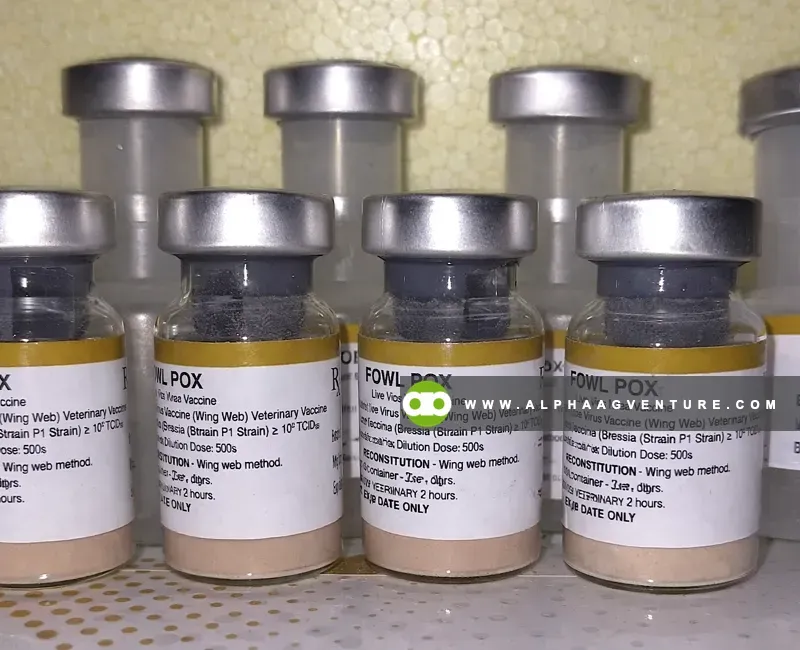
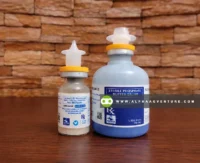
FOWL POX VACCINE FOR SALE
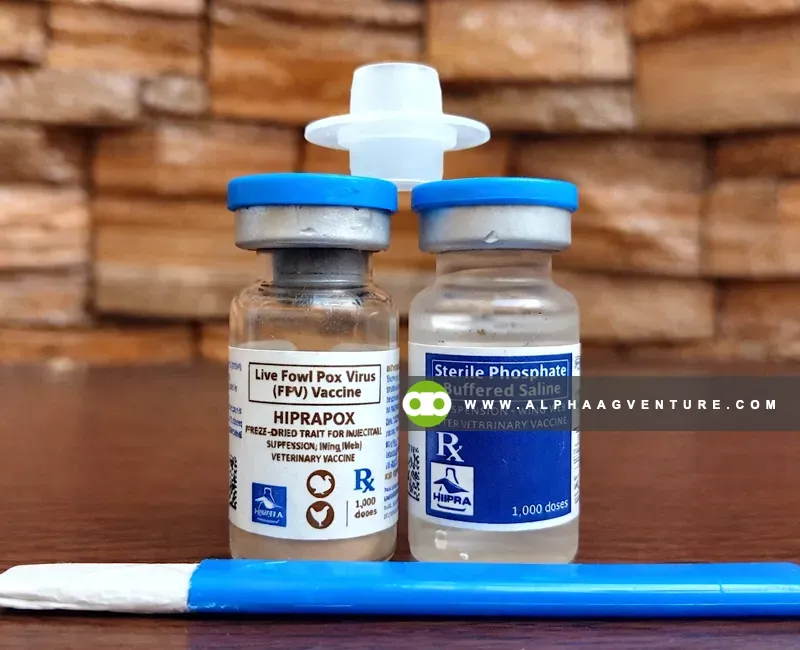
Is a fowl pox vaccine for sale the protection your flock needs before lesions and scabs start affecting productivity? This vaccine helps shield chickens from the viral infection that spreads through mosquitoes and contact. Preventing the disease early avoids weight loss, poor egg output, and unnecessary stress across your entire poultry operation.
Many poultry raisers hesitate, thinking fowl pox is seasonal and manageable. That assumption often leads to avoidable outbreaks. Once infection spreads, recovery slows growth and reduces uniformity. Vaccination creates a line of defense that keeps your flock stable, especially in environments where insects and biosecurity gaps remain constant challenges.
If you are wondering where to buy a fowl pox vaccine, the answer should always point to a reliable source that maintains proper storage and handling. Vaccines lose effectiveness when mishandled. Choosing a trusted supplier ensures potency, giving your birds the level of protection the product is designed to deliver.
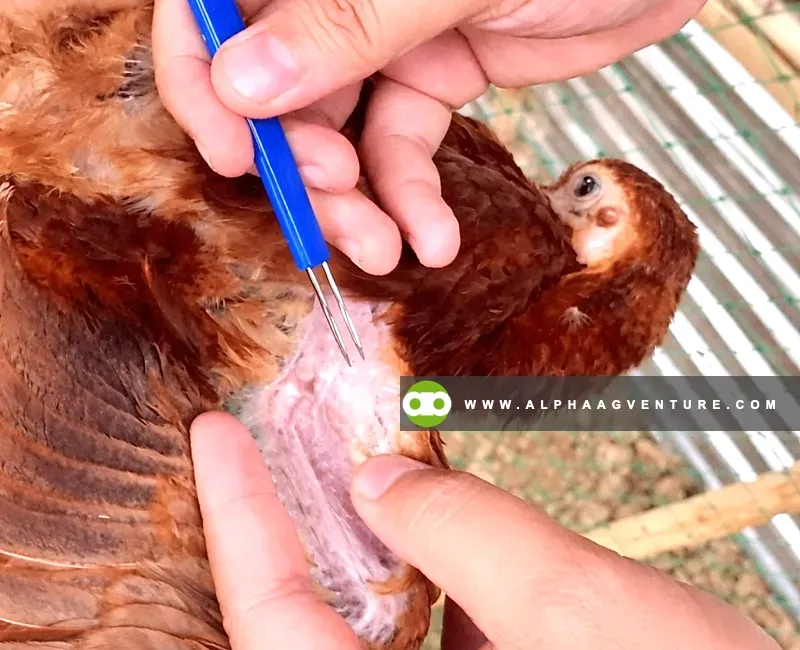
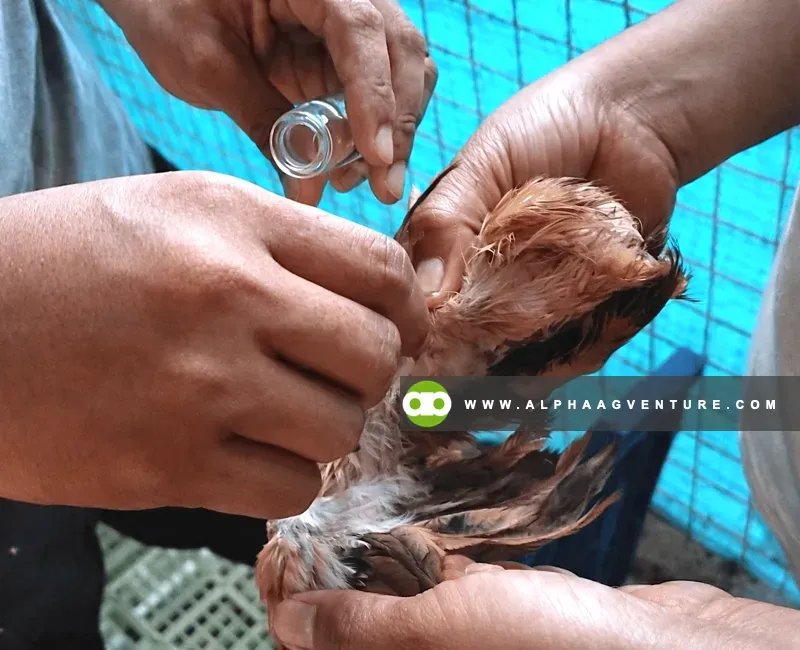
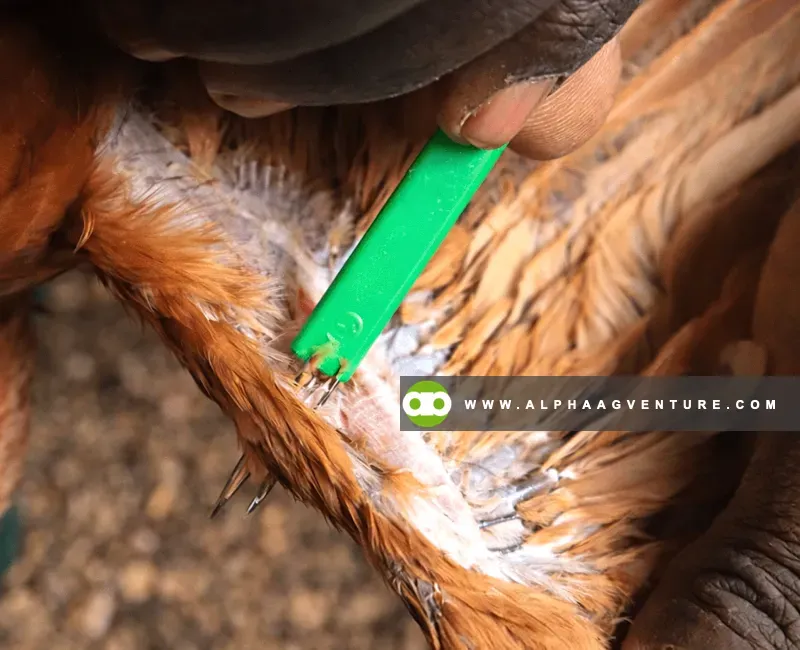
Another concern involves safety during administration. This vaccine is commonly applied through the wing web method, a straightforward technique when done correctly. With proper guidance, even smallscale farmers can perform it confidently. The process is quick, controlled, and far less disruptive compared to dealing with an active infection spreading through the flock.
Some hesitate because of the perceived price of a fowl pox vaccine, especially when managing large numbers. However, compare that cost to losses from reduced egg production, slower growth, and higher mortality. Vaccination is not an added expense. It is a calculated move that protects margins and keeps operations predictable.
Farmers also ask if vaccination is still necessary when no outbreak is visible. The virus does not wait for a signal before appearing. Mosquito vectors and contaminated surfaces can introduce it anytime. Preventive vaccination builds resistance ahead of exposure, giving your flock an advantage instead of reacting too late.
Storage and shelf life matter as well. This vaccine must be kept under recommended conditions to maintain effectiveness until use. Once opened and prepared, it should be administered promptly. Following these guidelines ensures each dose performs as intended, giving consistent protection across every bird in your care.
Choosing the right supplier of fowl pox vaccines is as important as the product itself. Consistency, proper handling, and reliable availability define a dependable source. Secure your flock’s protection with confidence and keep operations running smoothly with a trusted fowl pox vaccine for sale.
HOW TO VACCINATE WITH FOWL POX VACCINE
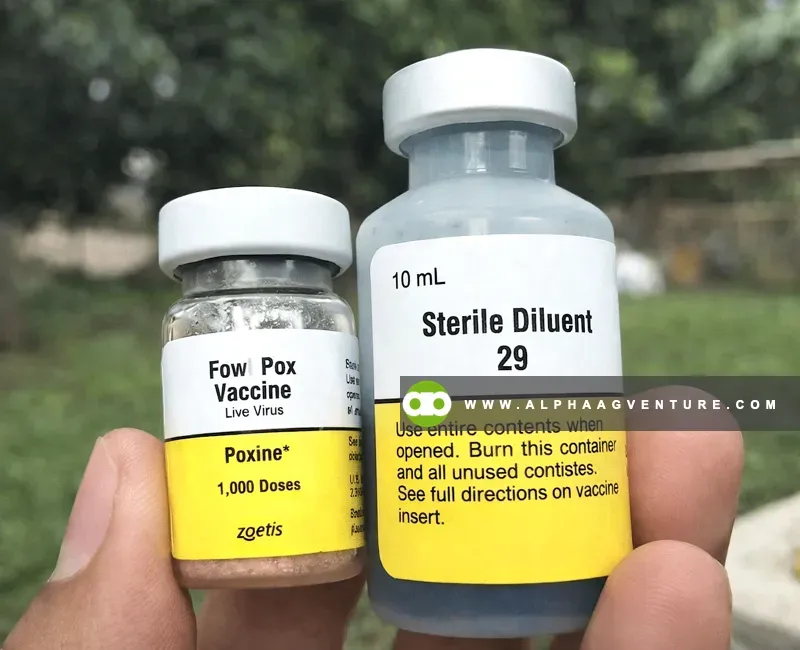
Our a live fowl pox vaccine designed to protect poultry against Fowl pox virus (FPV92 strain). Fowl pox is a viral disease affecting poultry, presenting in two forms: cutaneous (skin lesions) and diphtheritic (wet pox).
Preparation
- Check Expiry Date: Ensure the vaccine is within its expiry date.
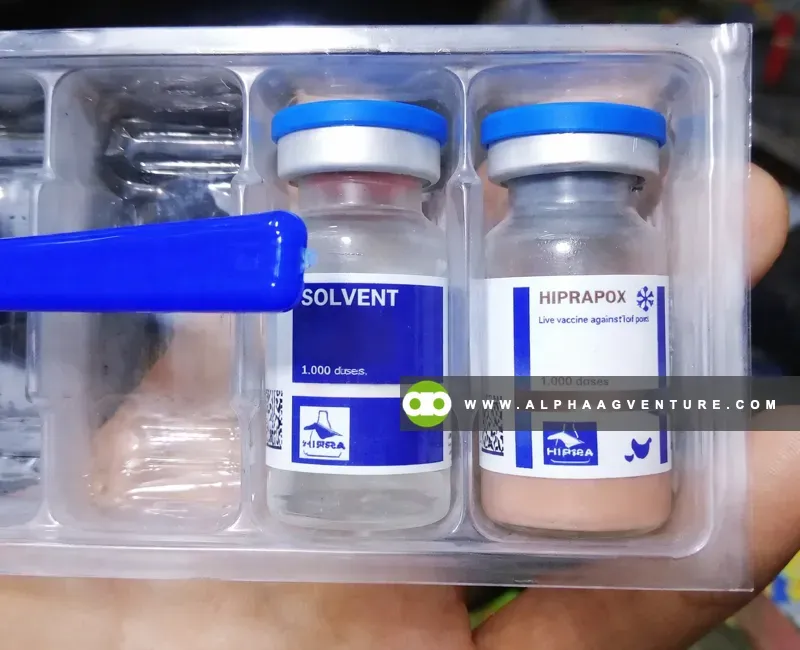
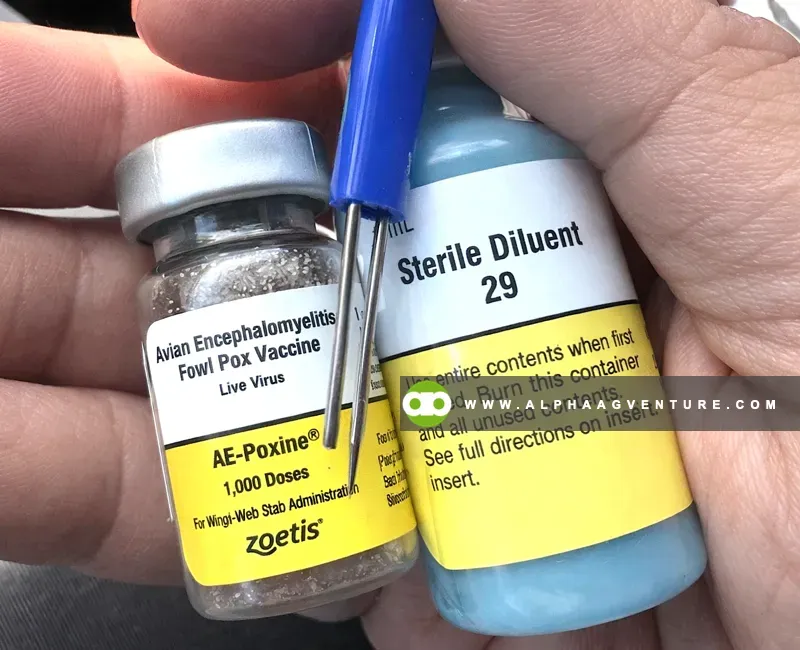
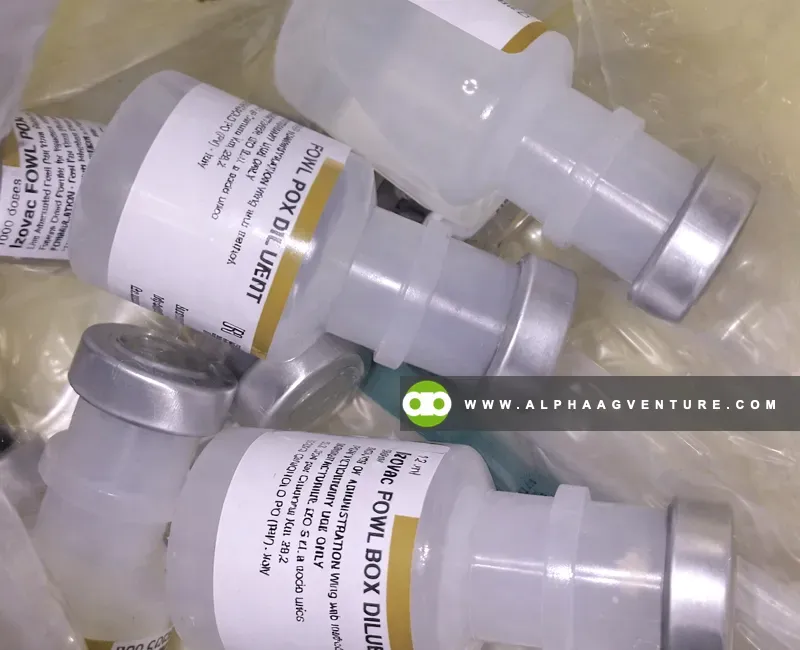
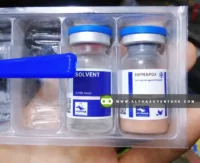
- Dissolve the Freeze-Dried Tablet: Use a solvent that does not exceed 15°C. Shake gently until the tablet is completely dissolved.
- Use Sterile Equipment: Use sterilized needles and vials.
Vaccination of Chickens
- Prepare the Vaccine: Dissolve the freeze-dried tablet in the solvent as instructed.
- Administer the Vaccine:
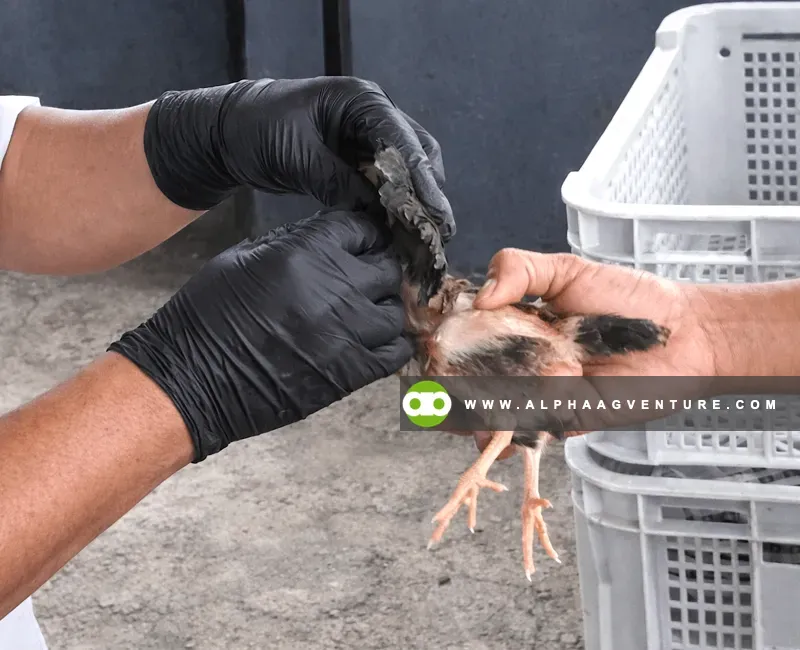
- Extend the Wing Membrane: Carefully pull out the wing to expose the membrane.
- Apply the Vaccine: Puncture the membrane with the needle, avoiding blood vessels.
- Fresh Solution: Ensure the needle is freshly impregnated with the vaccine solution for each bird.
Vaccination of Turkeys
- Prepare the Vaccine: Dissolve the freeze-dried tablet in the solvent.
- Apply the Vaccine: Apply one drop of the vaccine solution to the thigh (follicular scarification).
Vaccination Schedule
- Broilers: Vaccinate from 1 day of age.
- Layers and Breeders: Vaccinate between 8 and 12 weeks of age. In high-risk areas, vaccinate at hatching and revaccinate before laying. At Alpha Agventure Farms, we administer fowl pox vaccine to our breeders at 1 day of age.
- Turkeys: Vaccinate from 1 day of age.
Adverse Reactions
Post-Vaccination Nodules: 7-10 days after vaccination, expect one or two nodules at the injection site, which will form scabs (“take”). These scabs will fall off in 2-3 weeks.
Special Precautions
- Health Check: Do not vaccinate sick birds; only healthy birds should be vaccinated.
- Sterilization: Sterilize the vial, needle, and other equipment by heat after use.
- Storage: Store the vaccine at +2 to +8°C and protect from light.
- Handling Accidents: In case of accidental self-injection, seek immediate medical advice and show the package insert or label to the physician.
- Disposal: Dispose of used materials by boiling, incineration, or immersion in an authorized disinfectant.
By following these instructions, you can effectively use our fowl pox vaccine to protect your poultry from Fowl pox.
FREQUENTLY ASKED QUESTIONS
When is the best age to vaccinate chickens against fowl pox?
The best timing depends on your farm setup, disease pressure, and veterinarian guidance, but many poultry raisers vaccinate before birds face heavy mosquito exposure or before they reach a more vulnerable stage. Waiting too long can leave a protection gap. A planned schedule is better than vaccinating only after visible lesions appear in the flock.
Can broilers, layers, and breeders all receive a fowl pox vaccine?
Yes, fowl pox vaccination can be relevant across different poultry types, but the timing and priority may vary. Layers and breeders often benefit greatly because they stay on the farm longer, giving the virus more opportunity to spread. Broilers may also need protection in higher-risk areas, especially where mosquitoes and prior farm history raise exposure.
Can a bird that already looks weak or sick still be vaccinated?
Vaccination works best in birds that are healthy enough to mount a proper immune response. If a bird is already visibly weak, stressed, or actively sick, vaccination may not deliver the expected result. It is usually wiser to assess the flock’s condition first, correct management issues, and consult a veterinarian before proceeding with any vaccination program.
Will the vaccine cause the disease itself?
This is a common fear, but properly handled vaccines are intended to stimulate immunity, not trigger a full disease outbreak. What usually creates confusion is poor administration, incorrect handling, or a flock that already has underlying health issues. That is why technique, storage, sanitation, and timing all matter. The product alone should never be treated casually.
What if some birds miss vaccination on the scheduled day?
Missed birds should not simply be ignored and assumed protected because others in the flock received the vaccine. Uneven vaccination creates weak points in your disease control program. A flock is easier to protect when coverage is consistent. Good counting, handling, and recordkeeping help ensure that no group is left exposed by simple oversight.
How can a farmer tell if the vaccine worked properly?
Many poultry raisers look for what is commonly called a vaccine take, especially when the product is applied through the wing web method. This helps confirm that the bird responded. Without proper checking, a farmer may wrongly assume full protection. Post-vaccination monitoring is not optional. It is part of making sure the vaccination effort was worthwhile.
Is fowl pox vaccination still worth it for a small backyard flock?
Yes, flock size does not make the virus harmless. In fact, small backyard flocks often face inconsistent mosquito control, mixed-age housing, and less formal biosecurity. Those factors can increase risk. A small flock may represent a smaller headcount, but the loss still matters. Prevention remains practical because replacement costs, downtime, and stress can still add up quickly.
Can fowl pox vaccine be given at the same time as other vaccines?
That depends on the farm program, bird condition, and veterinary advice. Stacking too many vaccinations too close together can place unnecessary stress on birds if planning is poor. A coordinated schedule helps avoid confusion, missed doses, or incorrect administration. Good vaccination programs are not just about products. They are also about sequence, spacing, and proper execution.
Does weather or mosquito season really affect the need for vaccination?
Yes, environmental conditions can make a major difference. Warm, humid periods with strong mosquito activity can raise the chance of virus transmission. Farms near stagnant water, vegetation, or poorly drained areas may face higher pressure. That is why smart farmers do not treat vaccination as an isolated purchase. They connect it with season, location, and vector control.
What happens if vaccination records are not kept properly?
Poor records can create expensive confusion. A farmer may forget which batch was vaccinated, when the vaccine was used, whether the flock showed a take, or when the next preventive step should happen. That can lead to missed protection or unnecessary repeat work. Clear records support better decisions, especially when managing multiple houses or different age groups.




Reviews
There are no reviews yet.