

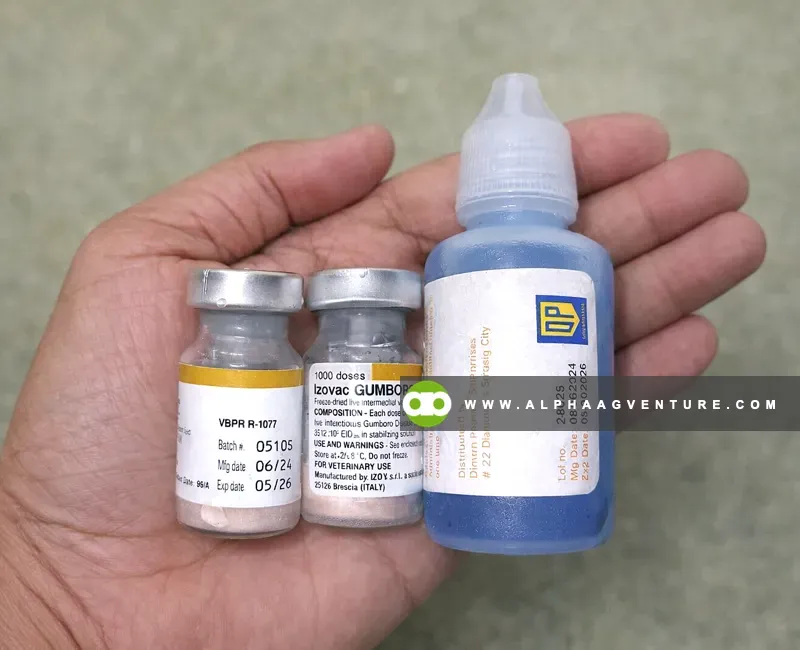
Description
GUMBORO VACCINE FOR SALE
Looking for Gumboro vaccine for sale that actually matches your farm conditions and vaccination program? Infectious Bursal Disease can wipe out flock immunity fast, so choosing the correct vaccine matters. This product is handled under strict storage conditions to maintain potency, ensuring your birds receive reliable protection when timing and administration are done right.
Some poultry raisers hesitate because they are unsure if the vaccine will stress their birds. Properly administered Gumboro vaccines are designed to stimulate immunity, not weaken it. Following the recommended schedule, dosage, and route helps avoid post-vaccination reactions while allowing birds to build resistance against field strains effectively.
If you are asking where to buy a Gumboro vaccine, it is important to consider more than availability. Source matters. Vaccines must come from a supplier that maintains cold chain integrity from storage to delivery. Poor handling reduces effectiveness, and that risk is often overlooked when buyers focus only on convenience.
Another common concern is compatibility with existing vaccination programs. Gumboro vaccines can be integrated with Newcastle and other routine vaccines when scheduled properly. The key is spacing and correct timing based on maternal antibody levels. A well-planned program ensures the vaccine works with your flock’s immunity instead of against it.
Questions about the price of a Gumboro vaccine usually come up early, but cost should not be the only basis. A cheaper vaccine that fails due to mishandling or poor strain match can lead to higher losses. Investing in a properly stored and selected vaccine protects both flock performance and long-term profitability.
Storage and handling are often underestimated. This vaccine requires consistent refrigeration and protection from direct light. Once reconstituted, it must be used promptly. Skipping these steps reduces efficacy. Clear instructions are provided so even smallscale raisers can follow proper handling without needing specialized equipment or complicated procedures.
Some buyers worry about whether the vaccine suits both broilers and layers. The answer depends on timing and program design. Different strains and schedules exist for varying production goals. Guidance is available to help match the right option to your flock type, ensuring the vaccine delivers its intended level of protection.
Choosing the right supplier of Gumboro vaccines makes a measurable difference in results. Reliable sourcing, proper storage, and clear guidance separate effective programs from failed ones. For consistent flock protection and dependable supply, this Gumboro vaccine for sale remains a practical choice for serious poultry raisers who value performance and biosecurity.
HOW TO VACCINATE WITH GUMBORO VACCINE
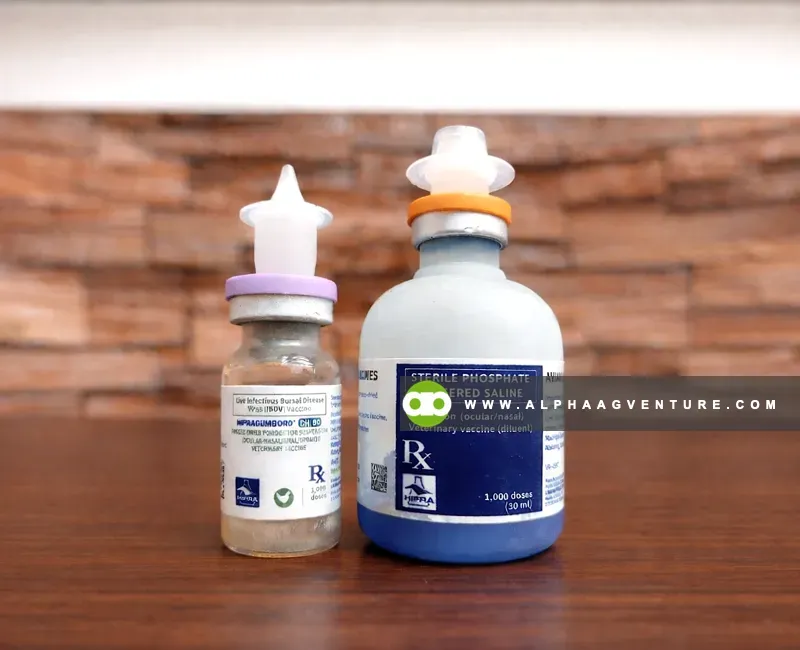
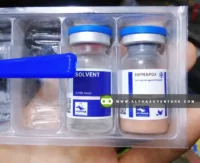
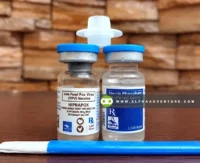
This guide provides instructions for the proper administration of HIPRAGUMBORO CH/80 vaccine. Follow these steps carefully to ensure effective vaccination.
Birds can be vaccinated against the Gumboro disease once they turn 7 days old.
Route of Administration
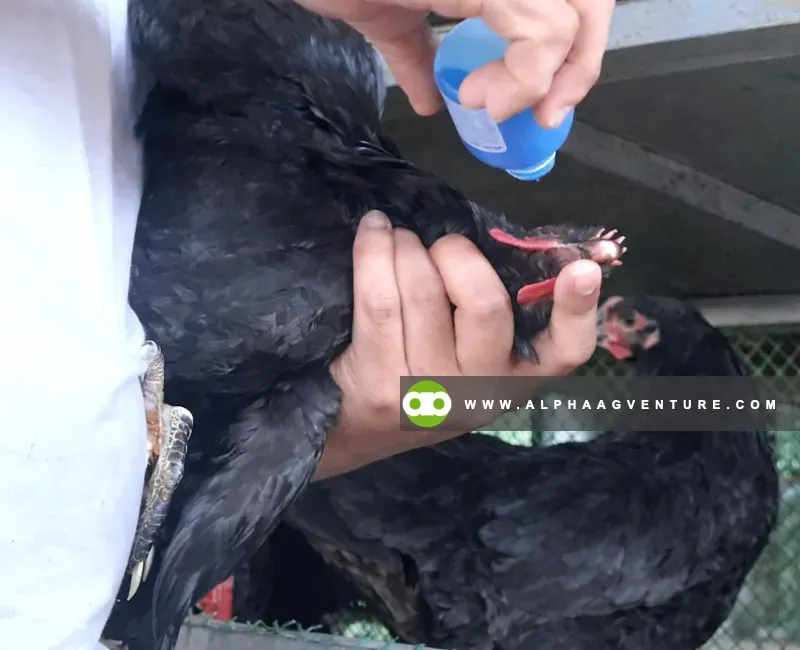
- Intra-Nasal or Intra-Ocular
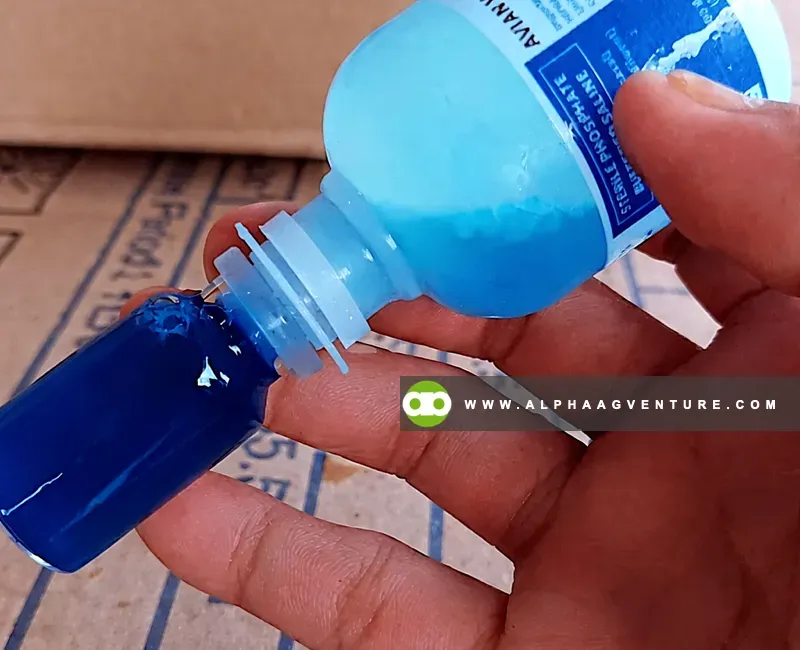
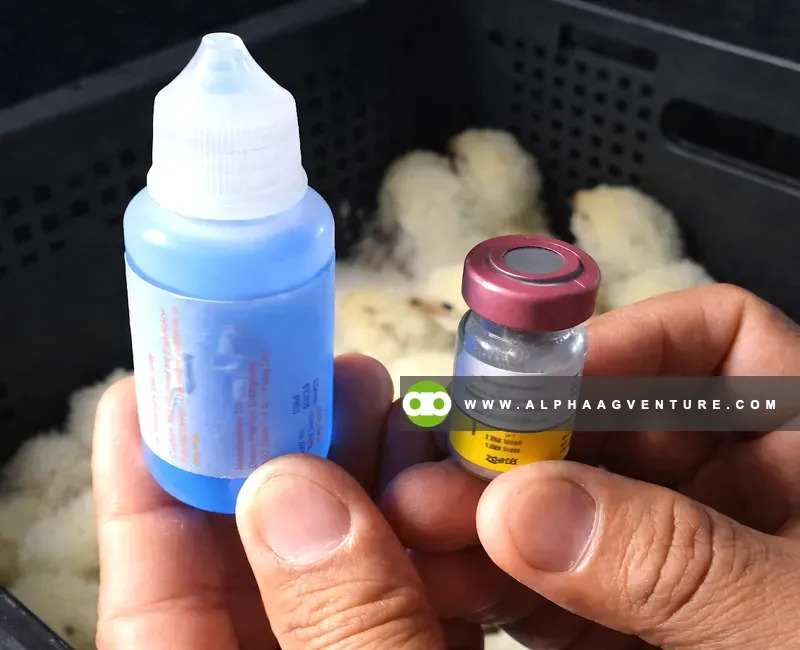
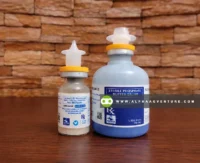
- Dissolve the Tablet: Mix the freeze-dried tablet with the diluent included (sterile distilled water).
- Administer the Vaccine: Use a standard dropper to place one drop (0.03 ml) per bird in either the eye or nare (nostril). A 30 ml vial typically provides 1,000 doses.
- Oral
- Prepare the Solution: Fill the flask with the freeze-dried tablet halfway with distilled water. Shake well and add more distilled water to the flask until you reach a total volume adequate for drinking.
- Provide Water: Ensure the prepared vaccine water is ingested within 0.50 to 1 hour.
- Use the following water quantities based on the age of the birds:
- 1 to 3 weeks: 5 to 10 liters
- 4 to 9 weeks: 12 to 23 liters
- 10 to 16 weeks: 27 to 37 liters
- Spray
- Validate the Apparatus: Fill the spraying apparatus with distilled water and spray the area where the birds are located. Ensure the heads of all birds are covered with droplets.
- For 1-day-old chicks: Mix 200 to 250 ml of distilled water with the freeze-dried vaccine. Spray this mixture using large drops to ensure coverage.
- For older birds: Mix 500 to 1,000 ml of distilled water with the vaccine. Spray this mixture in fine drops to ensure it covers the birds effectively.
Dosage
- Dosage Per Bird: 1 dose
- Doses Adjustment: If there are more birds than doses available, administer an overdose rather than less than the recommended amount.
Withdrawal Period
- No Withdrawal Period: 0 days
Observations
- Water Intake Before Vaccination: Avoid giving water to birds for 1 hour before vaccination in summer and 2 hours during the rainy season to ensure they ingest the vaccine water within 0.50 to 1 hour.
- Spray Vaccination: Use a coarse spray (larger than 50 microns) for first vaccinations. For revaccinations, use finer droplets (smaller than 50 microns).
Special Precautions
- Shake Gently: Shake the freeze-dried tablet until completely resuspended before use.
- Water Quality: For oral administration, avoid using water with chlorine or disinfectants.
- Spray Protection: Wear a protective mask and glasses when using the spray method.
- Storage: Store at +2 to +8 °C, protected from light.
- Post-Use: Sterilize the vial and its contents by heat after use.
By following these instructions, you can ensure the effective vaccination of your birds using HIPRAGUMBORO CH/80.
FREQUENTLY ASKED QUESTIONS
Can this vaccine still work if Gumboro has already appeared in nearby farms?
Yes, but timing becomes more critical. A Gumboro vaccine works best as a preventive tool, not as a cure for birds already suffering from an active infection. If nearby farms have reported cases, the priority is to tighten biosecurity, review the flock’s age, assess maternal antibody levels, and vaccinate according to a sound program. Delayed action reduces the advantage of vaccination. Buying the vaccine is only part of the solution. The bigger issue is whether the flock receives it early enough and under the right farm conditions.
What if I am not sure which Gumboro vaccine strain or variant is suitable for my flock?
That concern is valid because not every farm faces the same challenge level. The right vaccine choice depends on the birds’ age, breeder vaccination history, farm exposure risk, and whether the flock is broiler, layer, or breeder. Choosing blindly can lead to poor results even when the product itself is legitimate. A good supplier should help clarify whether a mild, intermediate, or stronger program is more appropriate. The goal is not simply to vaccinate, but to vaccinate with a product that matches the real disease pressure on the farm.
Is this vaccine too risky for very young chicks?
Young chicks are exactly the reason proper planning matters. The issue is not simply whether the vaccine can be given to young birds, but whether it is given at the correct age in relation to maternal antibodies. Vaccinating too early may reduce vaccine take, while vaccinating too late can leave chicks exposed. That does not make the vaccine unsafe. It means the schedule must be intelligent. Many flock failures blamed on vaccines are actually timing failures. When the schedule is built properly, early protection becomes far more dependable.
Do I need laboratory testing before I can use a Gumboro vaccine properly?
Laboratory testing is helpful, but it is not always required before every flock is vaccinated. Many farms operate on established vaccination programs based on farm history, breeder source, and known disease pressure. However, testing becomes valuable when there are repeated vaccine failures, unusual mortality, inconsistent flock performance, or uncertainty about maternal antibody levels. A test can sharpen decision-making, but lack of testing does not automatically mean the vaccine should not be used. What matters most is avoiding guesswork and relying on a sound, experience-based vaccination plan.
Can I use this vaccine in small backyard flocks, or is it only for commercial poultry farms?
It can be used in small backyard flocks as long as handling, dosage, and administration are done properly. Disease does not respect flock size. A small flock can still suffer serious losses from Infectious Bursal Disease, especially when birds are unvaccinated and biosecurity is weak. The common mistake in backyard settings is assuming a smaller flock needs less discipline. In reality, the margin for error can be even smaller. Proper storage, clean drinking water when applicable, and correct scheduling remain just as important whether the flock is large or small.
What happens if the vaccine arrives late because of shipping delays?
That depends on whether the cold chain was preserved throughout transport. A vaccine delayed in transit is not automatically useless, but exposure to improper temperatures can compromise potency. That is why the reliability of the seller matters so much. A responsible supplier does not treat a vaccine like ordinary merchandise. Packaging, insulation, timing, and handling all matter. Buyers should not focus only on whether the parcel arrived, but whether it arrived under conditions that still protect product integrity. Potency lost during transit cannot be restored by good intentions later.
Can this vaccine be given through drinking water even if water quality on the farm is not ideal?
Water quality can absolutely affect vaccine performance. Chlorine, disinfectant residues, dirty drinkers, and unstable water supply can interfere with live vaccine delivery. This does not mean the vaccine is ineffective. It means the administration method must be respected. If drinking water is used, the water system should be prepared properly, and the flock should receive the vaccine under controlled conditions. Many disappointing results come from water management mistakes rather than product failure. A farm that ignores water quality can sabotage even a well-made vaccine without realizing it.
Will this vaccine solve a farm’s Gumboro problem even if biosecurity is weak?
No. A vaccine is a major tool, but it is not a magic shield for poor farm management. If visitors move freely, equipment is shared carelessly, litter is unmanaged, and sanitation is inconsistent, disease pressure can remain high. In that setting, vaccination may still help, but it cannot carry the entire burden alone. The best results happen when vaccination and biosecurity work together. Buyers sometimes expect a vaccine to compensate for every management weakness on the farm. That expectation is unrealistic and often leads to unfair conclusions about the product.
Is it worth vaccinating if my flock looks healthy and I have never had a confirmed Gumboro outbreak?
Yes, because many poultry diseases become visible only after damage has already begun. Waiting for a confirmed outbreak before vaccinating can be an expensive lesson. Gumboro attacks the immune system, so the harm is not limited to immediate sickness alone. It can also make birds more vulnerable to other health problems and reduce overall flock response. A healthy-looking flock today is not proof of safety tomorrow. Preventive vaccination exists precisely because relying on visible signs alone is a risky way to manage poultry health.
Why should I buy from a serious farm supplier instead of choosing the cheapest listing I can find online?
Because vaccines are not ordinary products that can be judged by price tag alone. The cheapest listing may tell you very little about storage history, authenticity, handling, or post-sale guidance. A serious supplier helps reduce avoidable risks that are invisible at the time of purchase. That includes cold chain discipline, clearer instructions, better product matching, and accountability when questions arise. Saving a small amount upfront can become costly if the flock receives a compromised or poorly matched vaccine. With vaccines, cheap mistakes can become expensive flock problems.


Reviews
There are no reviews yet.