

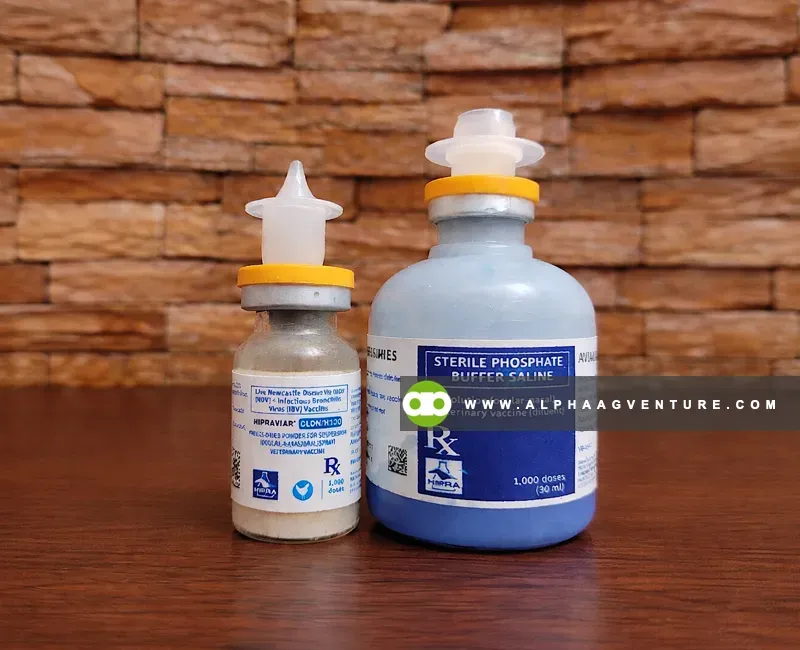
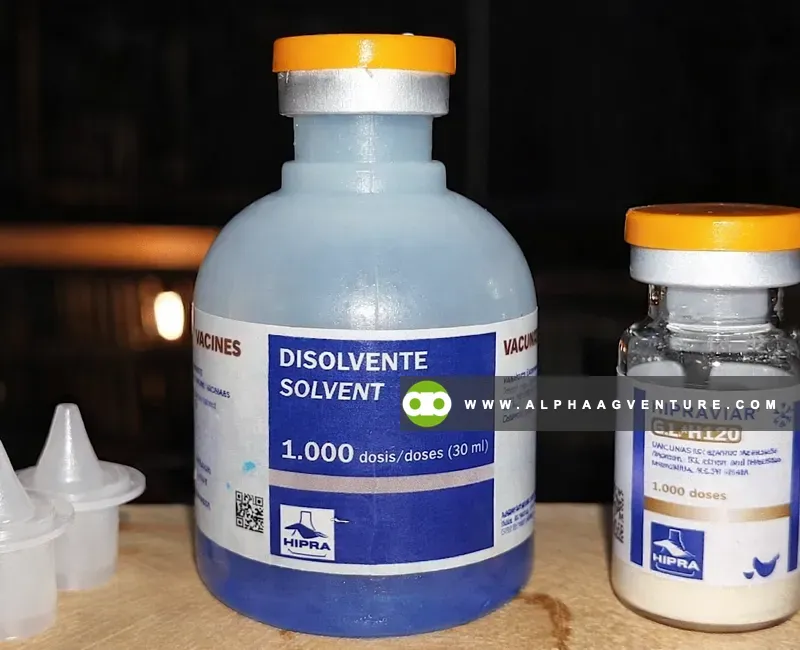
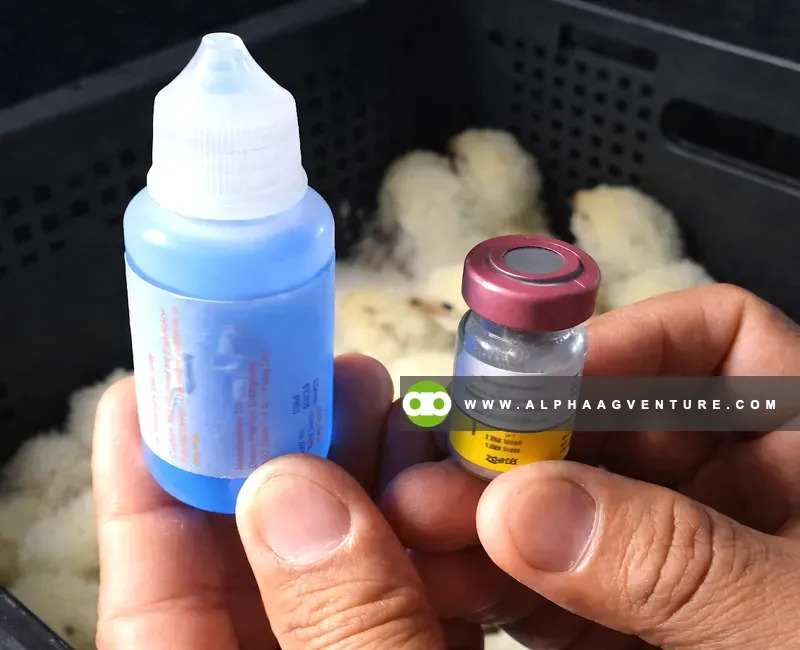
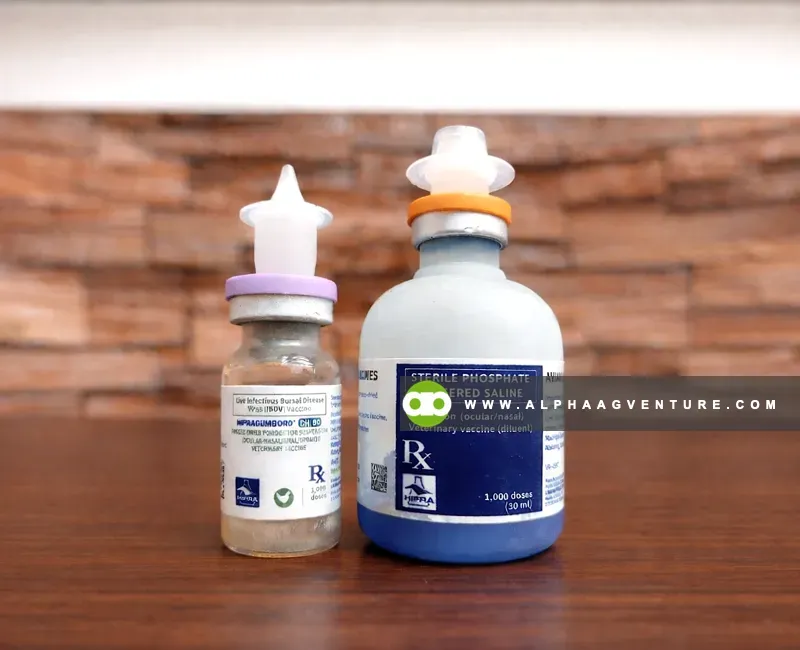
Description
POULTRY VACCINES FOR SALE
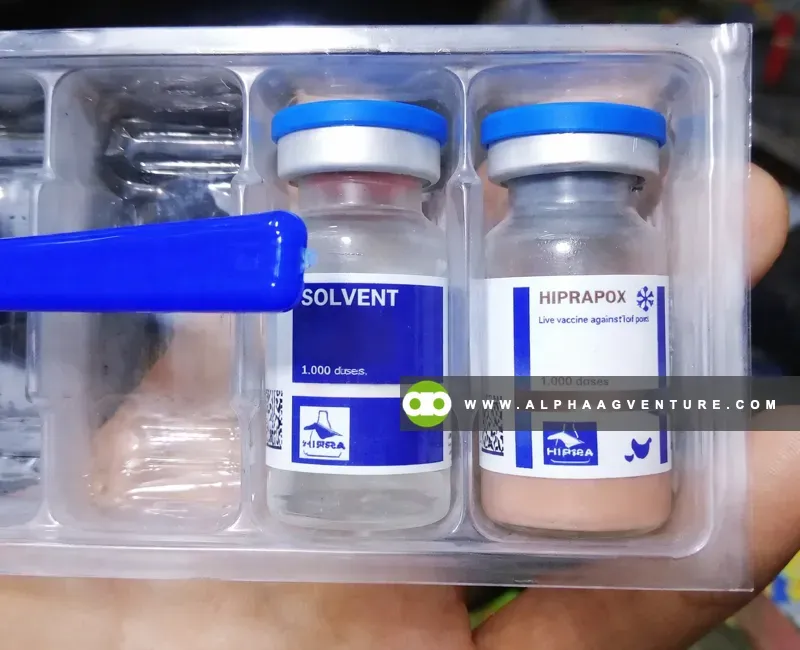
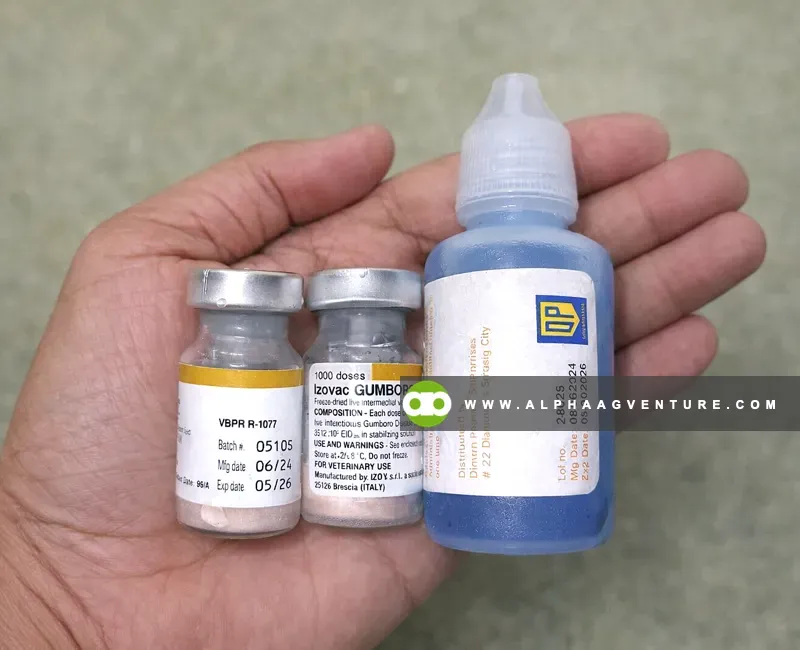
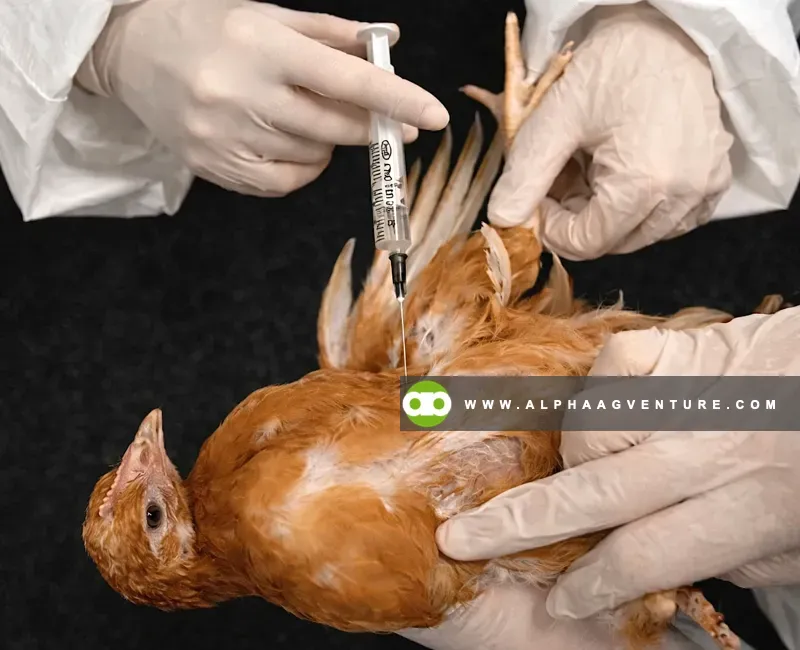
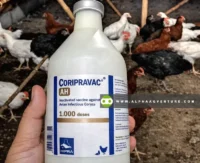
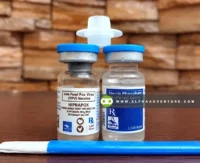
Are you searching for poultry vaccines for sale to safeguard your flock? Vaccines are essential for preventing common poultry diseases like Newcastle Disease, Infectious Bursal Disease or Gumboro, fowl pox, and Coryza, among others. By vaccinating your chickens, ducks, turkeys, and geese, you protect them from deadly outbreaks that can devastate your farm.
The price of poultry vaccines depends on the disease they target and the dosage required for your birds. Vaccines like the Newcastle Disease vaccine or the Gumboro vaccine are cost-effective investments to ensure flock health. Proper vaccination reduces medical expenses and boosts the productivity of your birds.
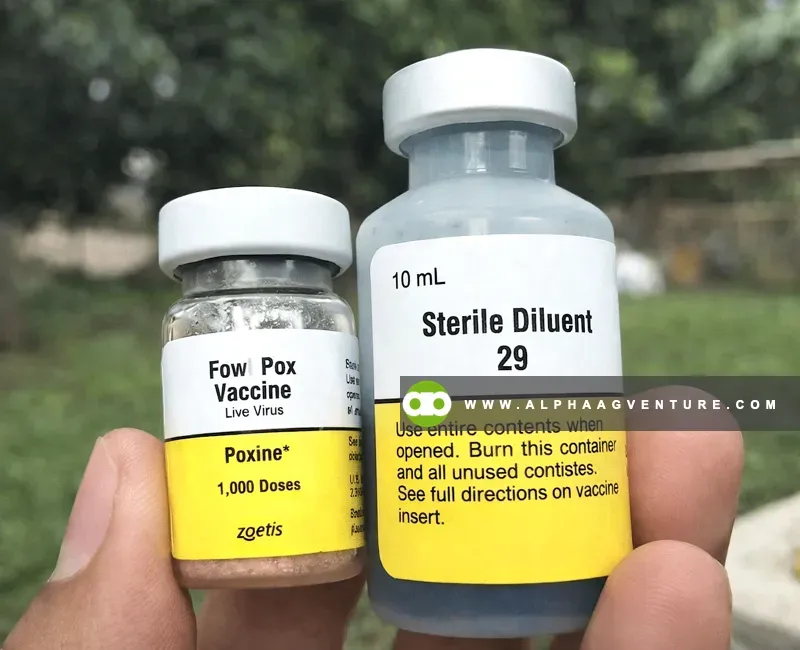
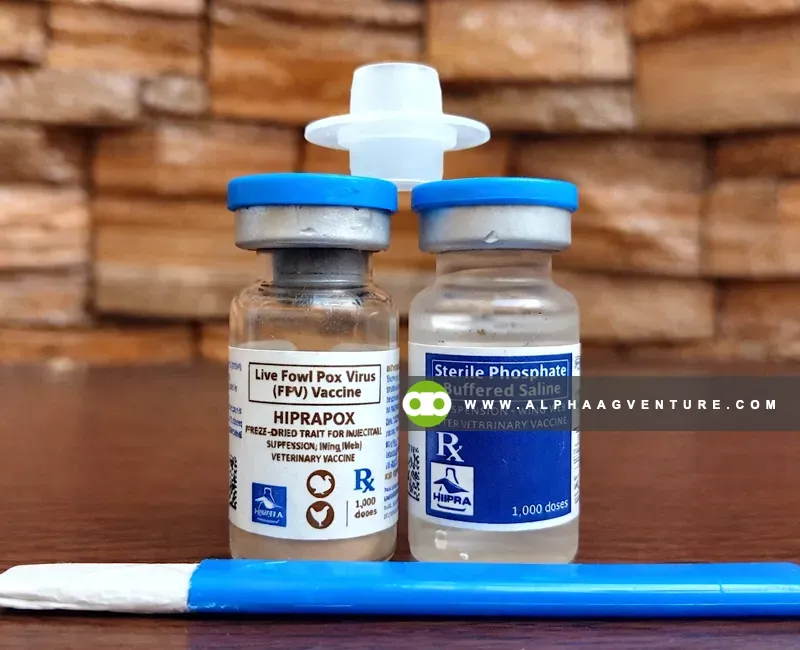
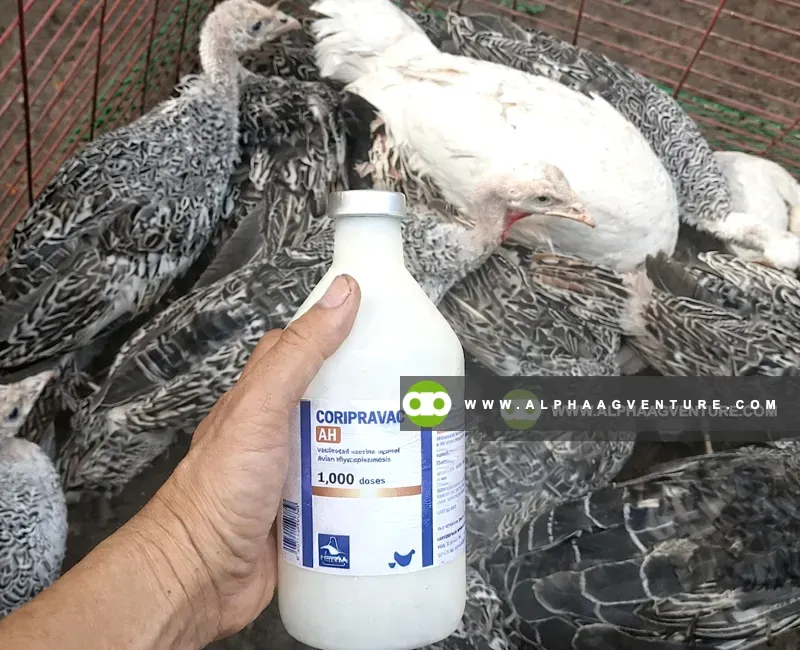
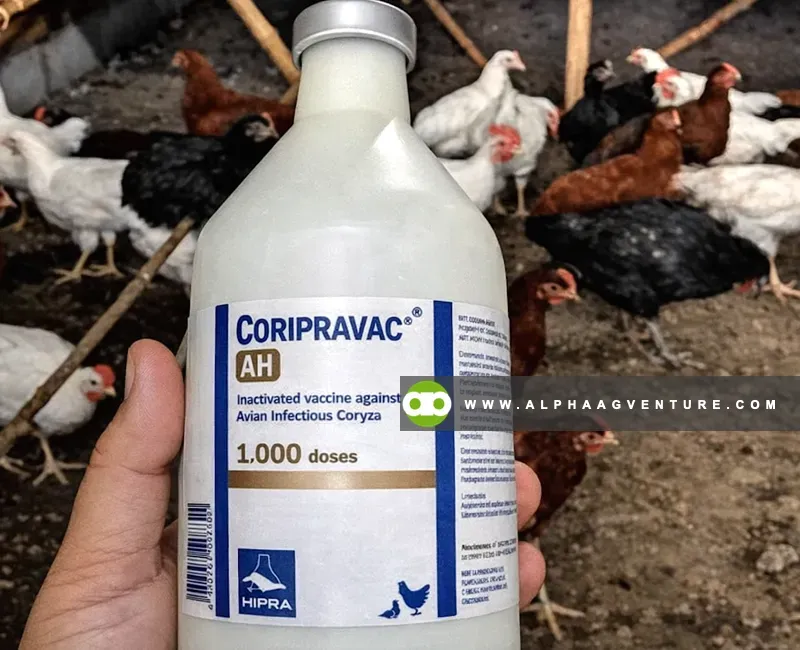
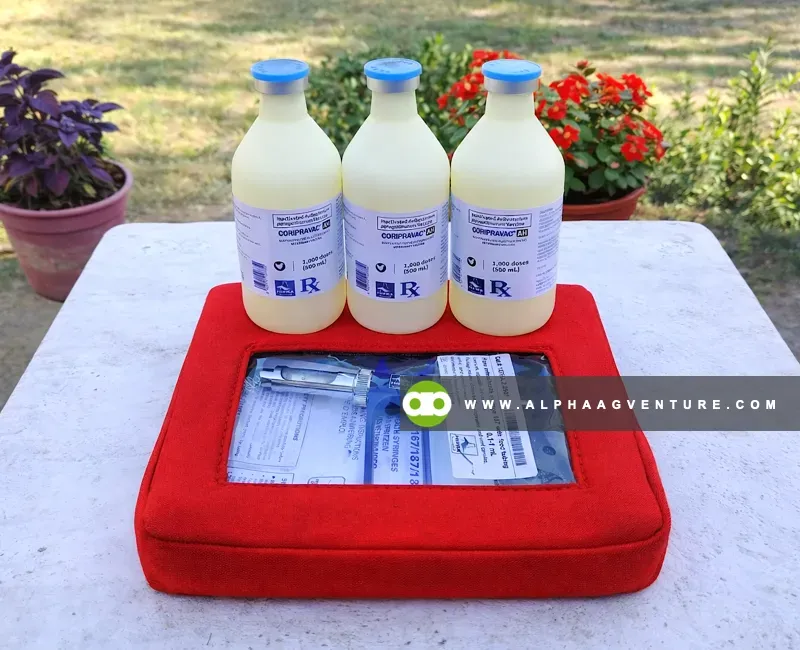
Wondering where to find poultry vaccines near you? Alpha Agventure Farms provides a complete range of vaccines, including the fowl pox vaccine and Coryza vaccine, tailored for chickens, ducks, turkeys, and geese. With Alpha Agventure Farms, you can ensure your flock’s health with reliable and high-quality poultry vaccines.
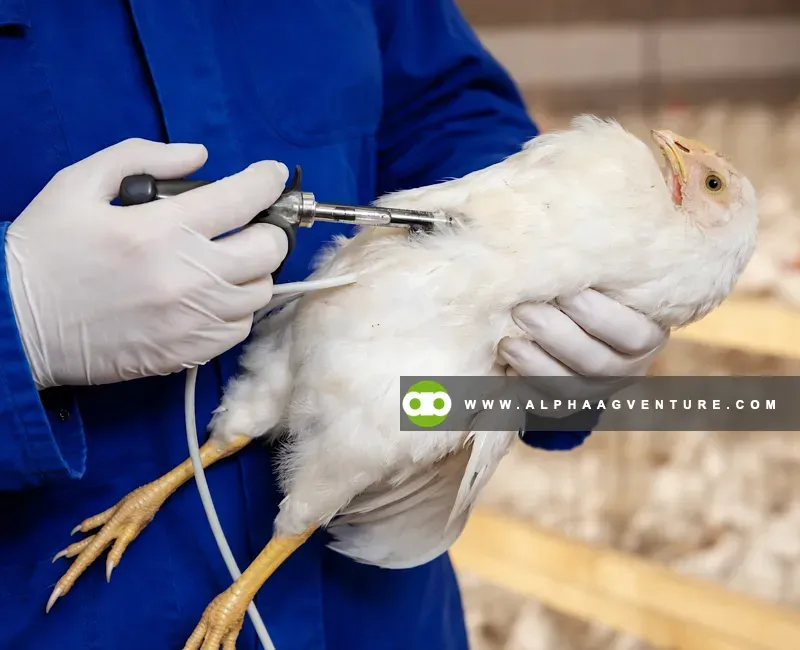
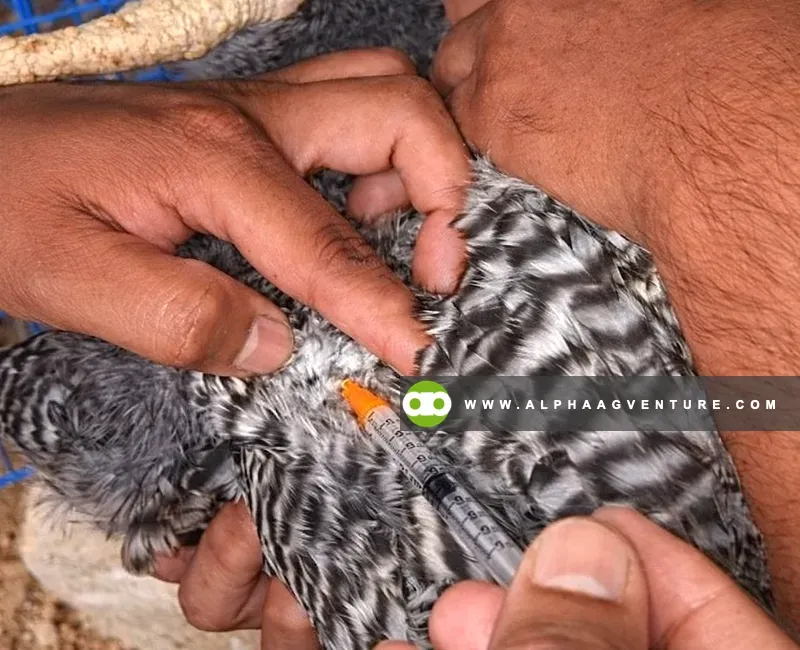
Administering vaccines is straightforward but requires careful handling. Always store them at the right temperature and follow the recommended vaccination schedule for your chickens, ducks, turkeys, or geese. This ensures optimal protection against diseases like Newcastle Disease and infectious Coryza.
Poultry farmers who prioritize vaccination enjoy healthier flocks and better yields. Ducks and geese benefit from vaccines against fowl pox and other diseases, ensuring smooth growth and higher productivity. Regular vaccination is an essential part of disease management on any farm.
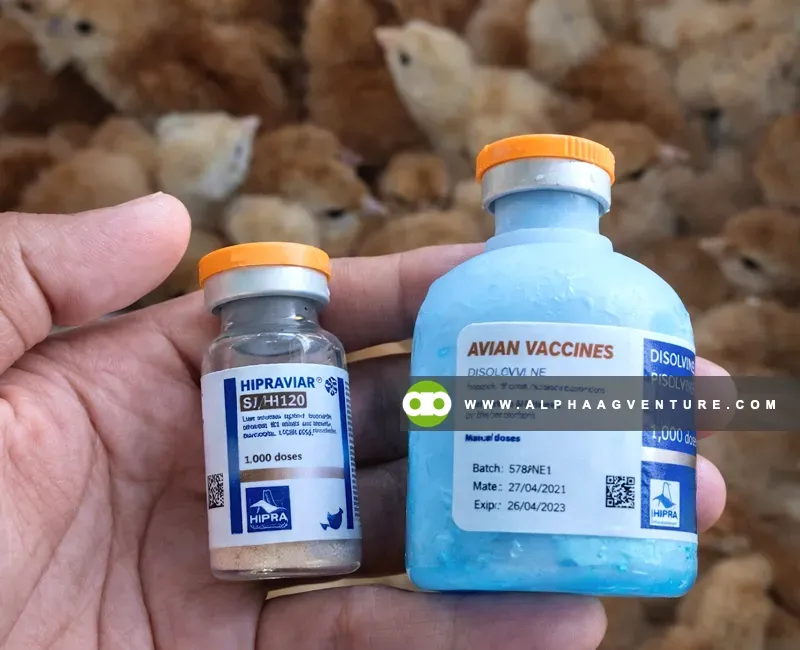
If you’re looking for where to buy poultry vaccines, Alpha Agventure Farms has everything you need. We offer high-quality Newcastle Disease vaccine, Gumboro vaccine, fowl pox vaccine, Coryza vaccine, and more. Protect your flock with trusted vaccines conveniently available from Alpha Agventure Farms.
FREQUENTLY ASKED QUESTIONS
Can Newcastle Disease, Gumboro, fowl pox, and Coryza vaccines be given on the same day?
That depends on the age of the birds, the stress level of the flock, the route of administration, and the exact products used. Not every vaccine should be stacked on the same day just because it is convenient. A crowded vaccination schedule can reduce intake, increase stress, and make it harder to monitor reactions. It is better to follow a structured program so each vaccine has the best chance to work properly.
Should birds be vaccinated even if they already look healthy and the farm has no current outbreak?
Yes. Vaccination is meant to prepare the immune system before disease pressure appears, not after the damage has already started. A flock can look perfectly fine and still remain vulnerable to viruses or bacteria brought in through people, equipment, wild birds, or nearby farms. Waiting for visible disease before vaccinating often means the farm is already behind and will face a much harder recovery.
What happens if maternal antibodies interfere with Newcastle Disease or Gumboro vaccination?
Maternal antibodies can block or weaken the response to certain live vaccines when birds are vaccinated too early. That is one reason timing matters, especially for Gumboro. Vaccinating without considering maternal immunity can create a false sense of protection. A proper schedule should take breeder immunity, bird age, and farm risk level into account so the vaccine is given when the birds can actually respond well.
Can birds be vaccinated while they are under stress from transport, heat, or feed changes?
It is not ideal. Stress can reduce water intake, weaken immune response, and make vaccine performance less reliable. Birds that have just been transported, exposed to severe heat, or shifted to a new ration are already under pressure. In many cases, it is better to let them stabilize first unless there is a very urgent disease risk. A good vaccination program protects birds, but it should not ignore their physical condition.
Is it still worth vaccinating if the farm had disease problems in the past despite vaccination?
Yes, but the problem may not be the vaccine itself. Disease can still appear when the route of administration was wrong, the cold chain was broken, the timing was poor, the dosage was uneven, or the farm’s biosecurity was weak. A vaccine is not a magic shield that compensates for every management error. Past vaccine failure should push a farm to review the program carefully, not abandon vaccination altogether.
How important is the correct route of administration for these vaccines?
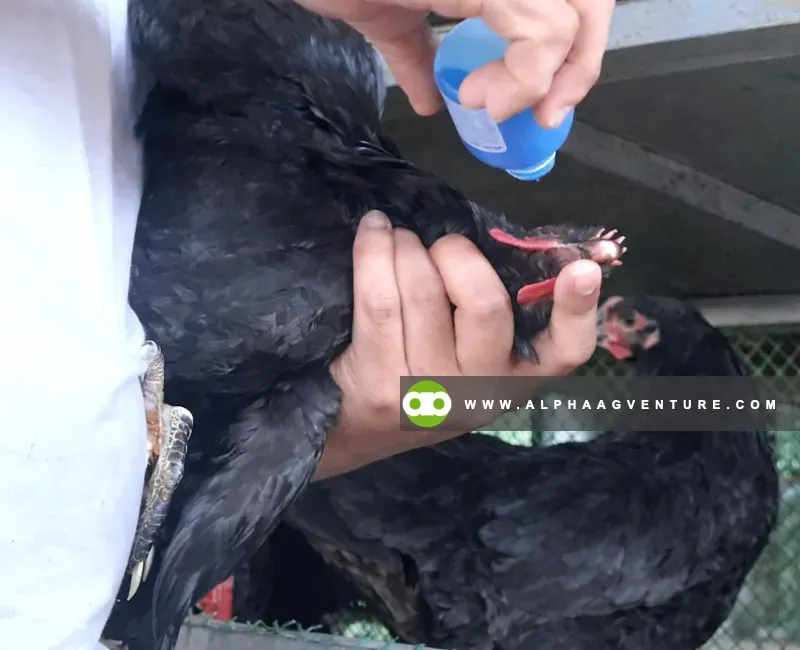
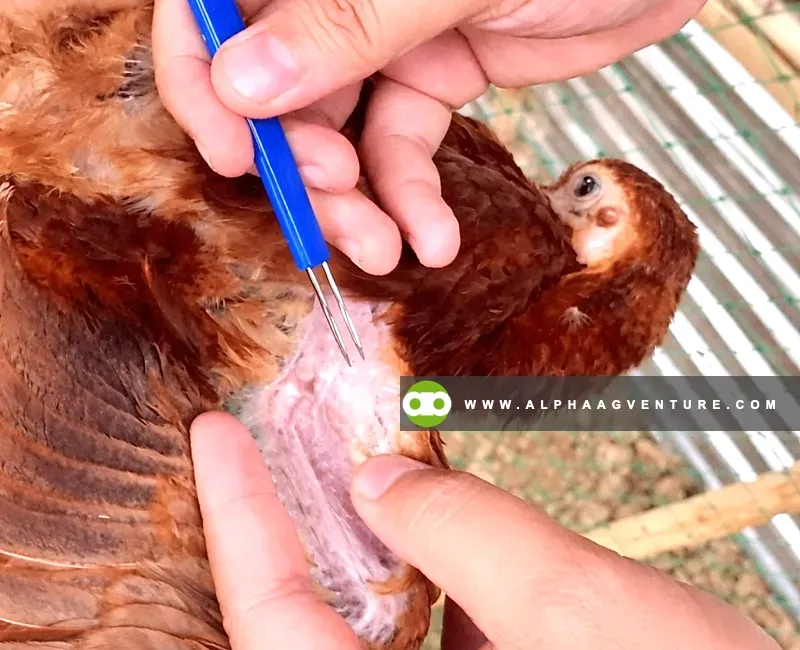
It is extremely important. Newcastle and Gumboro vaccines are often given through water, eye drop, or other route-specific methods, while fowl pox is commonly given by wing web puncture. Coryza products may also require a specific route depending on the formulation. Using the wrong route can reduce protection or make the vaccination essentially useless. A vaccine only performs as intended when the administration method matches the product instructions.
Can antibiotics replace Coryza vaccination if respiratory signs are the main concern?
No. Antibiotics and vaccination do different jobs. Antibiotics may help control secondary bacterial complications or reduce the severity of an active infection, but they do not build long-term immunity the way a properly timed Coryza vaccine program can. Relying only on treatment keeps the farm reactive. A better approach is prevention first, with medication used only when truly needed and under a sound health program.
Do fowl pox vaccines still matter for birds kept in cleaner housing systems?
Yes, because cleaner housing lowers risk but does not erase it. Fowl pox can still spread through biting insects, skin wounds, and contact with contaminated materials. A farm may look orderly and still face pressure during mosquito-heavy periods or seasonal changes. Vaccination becomes especially valuable when birds are kept in places where insects are difficult to control consistently. Clean facilities help, but they are not a substitute for immunity.
Can Gumboro vaccination be skipped if brooding conditions and sanitation are already good?
Good sanitation helps reduce exposure, but it does not guarantee protection from Infectious Bursal Disease. Gumboro is known for damaging the immune system, which can leave birds more vulnerable to other health problems later. Even a well-managed farm can face exposure through equipment, footwear, visitors, or surrounding poultry activity. Sanitation and vaccination work best together. One supports the other, but neither should be treated as a complete replacement.
How can a farm confirm that a fowl pox vaccine actually took effect?
With fowl pox vaccination, one practical checkpoint is the vaccine “take” at the wing web site. A visible local reaction after vaccination can indicate that the birds responded. Without checking a sample of vaccinated birds afterward, the farm may assume success without proof. This is one reason recordkeeping and follow-up matter. Vaccination should not end with application alone. It should include verification that the flock truly responded as expected.
What should be done if there is doubt that the vaccines were exposed to heat during transport or storage?
That should be taken seriously. Heat exposure can damage vaccine potency, especially for products that require strict cold storage. If there is reasonable doubt that the cold chain was compromised, it is risky to assume the vaccine remains effective. Using a questionable product can waste time, labor, and flock protection. It is better to source properly handled vaccines and avoid gambling with a program that depends on potency.
Can opened vaccine vials be saved and used again later?
That is generally a bad practice unless the specific product instructions clearly allow it, which many do not. Once opened, contamination risk rises and potency may begin to decline. This is especially important for live vaccines and reconstituted products. Trying to save leftovers may look economical, but it can lead to uneven protection and bigger losses later. Vaccines should be prepared and used according to label guidance, not stretched beyond safe handling limits.
Does water quality affect Newcastle Disease or Gumboro vaccination through drinking water?
Yes, very much. Poor water quality can reduce vaccine viability and create uneven intake across the flock. Chlorine, disinfectant residues, dirty lines, and organic contamination can all interfere with live vaccine administration through drinking systems. Even the best vaccine can underperform if it is delivered through unsuitable water. Clean preparation, proper line management, and correct stabilizing practices help ensure the birds receive an active vaccine, not a weakened one.
Can weak, undersized, or unthrifty birds receive the same vaccine program as the rest of the flock?
They may need closer evaluation. A uniform flock usually responds more predictably, while weaker birds can have poorer vaccine response or may already be dealing with hidden health issues. That does not always mean they should be excluded, but it does mean the farm should not pretend all birds are equal just because they are in the same pen. A poor-quality flock often needs management correction alongside vaccination.
Will these vaccines affect egg production or cause birds to stop laying permanently?
A properly planned vaccine program is designed to protect production, not ruin it. Some temporary stress or a short dip can happen in certain situations, especially if birds were already under pressure, but permanent production damage is not the goal of correct vaccination. In fact, the diseases themselves are far more dangerous to laying performance than the vaccines used to prevent them. The larger risk usually comes from poor timing or poor administration.
What if a scheduled Newcastle Disease, Gumboro, fowl pox, or Coryza vaccination was missed?
A missed schedule should be corrected thoughtfully, not with panic. The next step depends on the birds’ age, previous vaccine history, and the current disease risk on the farm. Simply doubling the dose or improvising a catch-up plan without structure is not wise. A missed vaccination creates a possible immunity gap, so the program should be reviewed carefully and adjusted in a way that restores protection without adding unnecessary stress.
Can vaccination still help if there is already a nearby outbreak in the area?
It may still have value, but expectations must be realistic. Vaccination during nearby disease pressure is not the same as vaccinating well ahead of exposure. Birds need time to mount an immune response. If disease is already very close, the farm must tighten biosecurity immediately and not rely on vaccination alone. In that situation, vaccines are part of the response, but speed, isolation, sanitation, and movement control become equally important.
Are imported or branded vaccines always better than other available options?
Not automatically. Brand reputation matters, but handling, storage, authenticity, suitability to the farm, and correct use matter just as much. A good product can fail in poor hands, while a properly handled and well-matched product can perform very well. The smarter question is not just who made the vaccine, but whether it was stored correctly, sourced responsibly, matched to the flock’s needs, and administered the right way.
Can these vaccines be used the same way across chickens, ducks, turkeys, and geese?
No. Species differences matter, and a program suitable for chickens should not automatically be copied to ducks, turkeys, or geese without checking product guidance and disease relevance. Some vaccines are more commonly used in certain species, while others require careful consideration of age, exposure risk, and local disease pressure. Assuming that one schedule fits every type of bird can create blind spots and leave important groups underprotected or incorrectly managed.
Why does a farm still need records if the vaccination program is simple and repeated every cycle?
Because memory is unreliable and disease investigations depend on facts. Good records show what vaccine was used, when it was given, how it was administered, who handled it, and how the birds responded. Without that, the farm cannot trace problems, improve schedules, or prove consistency. Records turn vaccination from a routine chore into a real management system, which is exactly what serious poultry operations need.






Reviews
There are no reviews yet.