

Description
CORYZA VACCINE FOR SALE
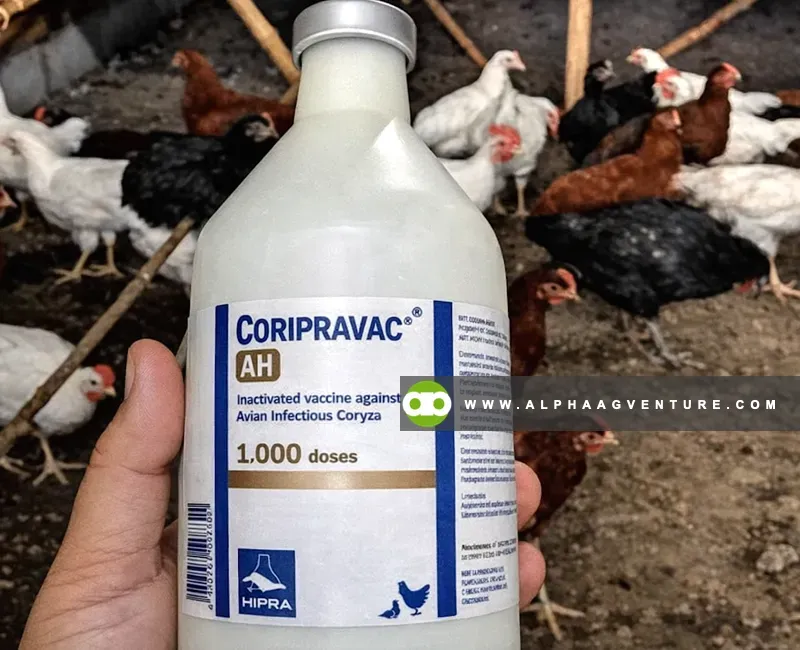
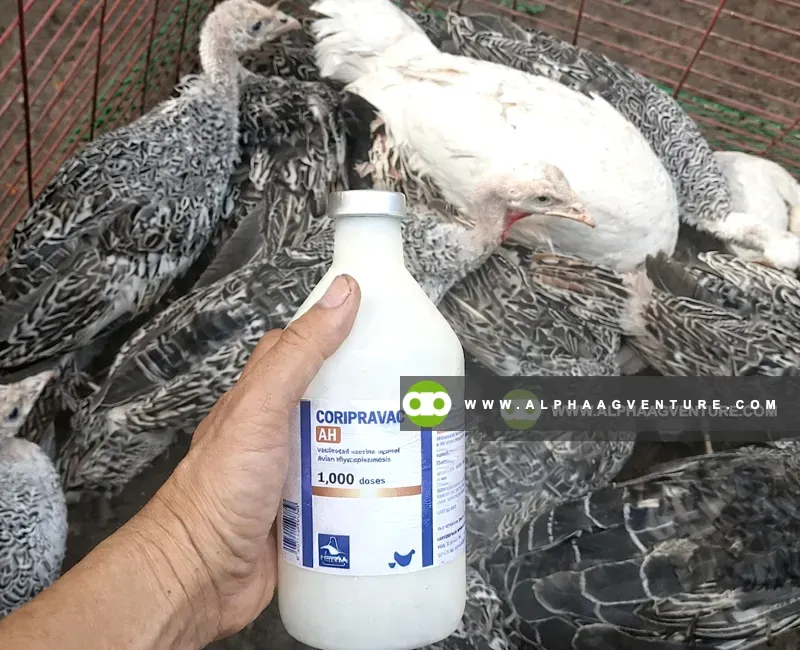
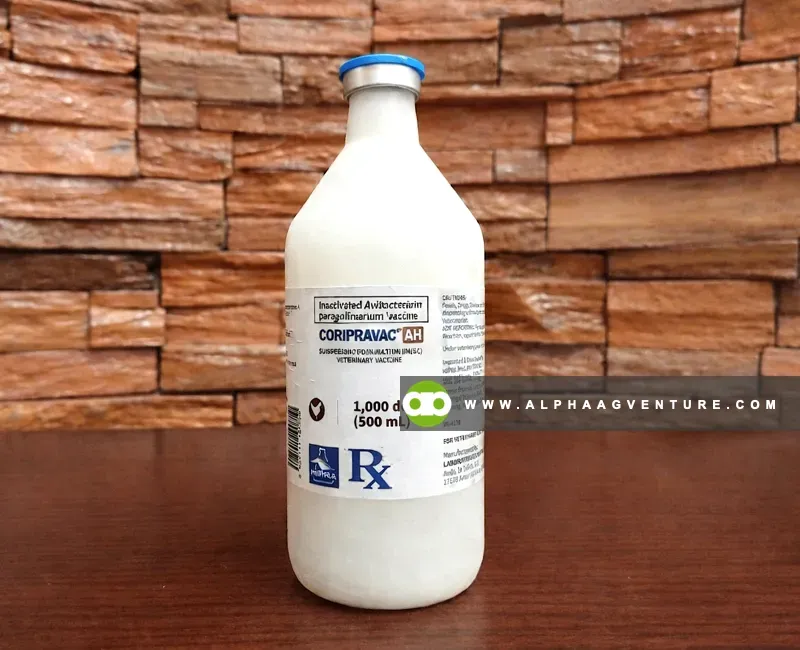
A Coryza vaccine for sale offers a practical layer of protection against one of the most disruptive respiratory diseases in poultry. Infectious coryza spreads quickly through close contact, leading to facial swelling and reduced appetite. Early vaccination keeps birds active, feeding properly, and maintaining consistent performance across the flock.
Some raisers rely on cleanliness and airflow alone, assuming these are enough to control outbreaks. That assumption often fails once bacteria gain entry. Coryza can move rapidly through a house, affecting uniformity and growth. Vaccination adds a biological defense that helps birds resist infection even when environmental control is not perfect.
When deciding where to buy a Coryza vaccine, many experienced raisers turn to Alpha Agventure Farms because of their consistent handling standards and vaccine availability. They offer properly stored poultry vaccines, including Coryza, ensuring potency is preserved from storage to pickup.
Another point raised is whether this vaccine will fit into an existing program. It can be scheduled alongside other routine vaccinations with proper timing. Whether for layers or broilers, it integrates smoothly without disrupting current protocols. This makes it easier to maintain a structured health plan without unnecessary adjustments.
Concerns about the price of a Coryza vaccine often focus only on upfront cost. A better view considers the financial impact of an outbreak. Losses from poor feed intake, slower growth, and reduced egg output quickly add up. Vaccination acts as a buffer, helping stabilize production and avoid sudden drops in profitability.
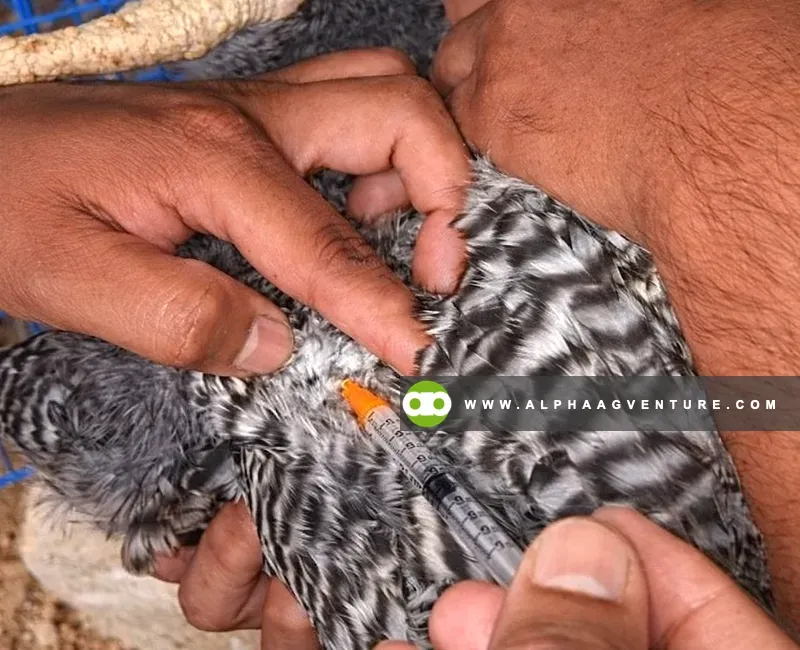
Application is another area where hesitation appears. The vaccine is administered through injection, which may seem technical at first. With basic training and proper sanitation, farm workers can perform it consistently. Proper storage between 2°C and 8°C is critical to maintain effectiveness before use.
It is also important to set realistic expectations. Vaccination does not eliminate all risk, but it significantly reduces severity and spread. Birds recover faster and continue producing with minimal interruption. This level of control turns a potential outbreak into a manageable situation rather than a costly setback.
Working with a trusted supplier of Coryza vaccines like Alpha Agventure Farms ensures steady access and proper handling from storage to release. They maintain a full range of poultry vaccines, helping farms stay protected year-round. Secure dependable protection for your flock with a Coryza vaccine for sale.
HOW TO VACCINATE WITH CORYZA VACCINE
Composition
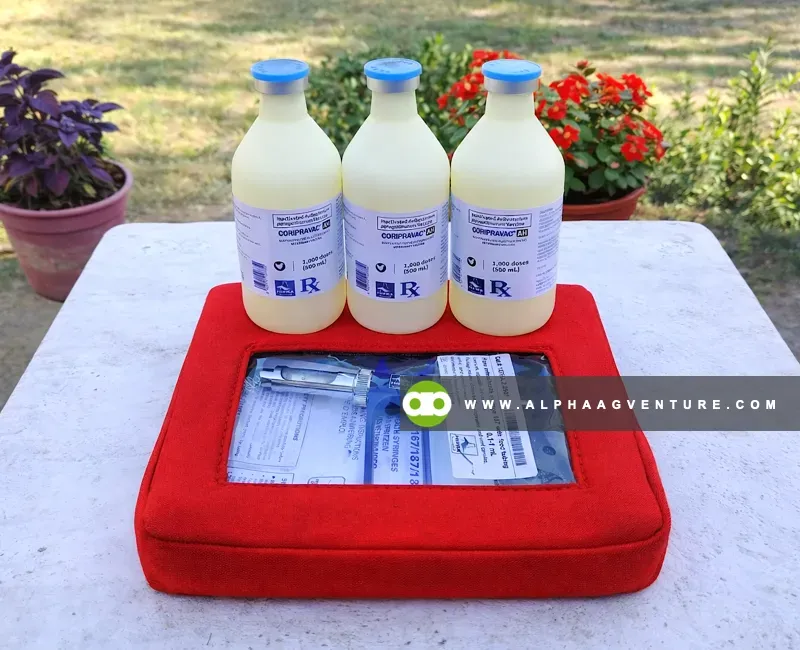
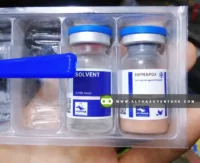
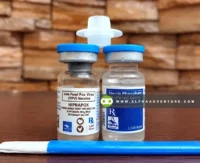
- The Coryza vaccine contains inactivated Haemophilus paragallinarum, including serotypes A, B, and C.
- These serotypes are adjuvanted, conferring a high immunogenic response that helps in preventing the disease.
Indications
- The vaccine is specifically designed for Layers and Breeders.
- It is used to prevent Infectious Coryza.
Preparation
- Check Storage Conditions
- Ensure the vaccine is stored at a temperature between +2 to +8 °C.Avoid freezing the vaccine.
- Before use, allow the vaccine to reach a temperature between +15 to +25 °C.
- Prepare the Vaccine
- Shake the vaccine bottle thoroughly before and during the administration to ensure even distribution of the contents.
Dosage and Administration
- Correct Dosage
- Administer 0.5 ml of vaccine per bird.
- Vaccination Schedule
- Primary Vaccination: Administer at 12 weeks of age.
- Revaccination: Administer at 18 weeks of age.
- Administration Route
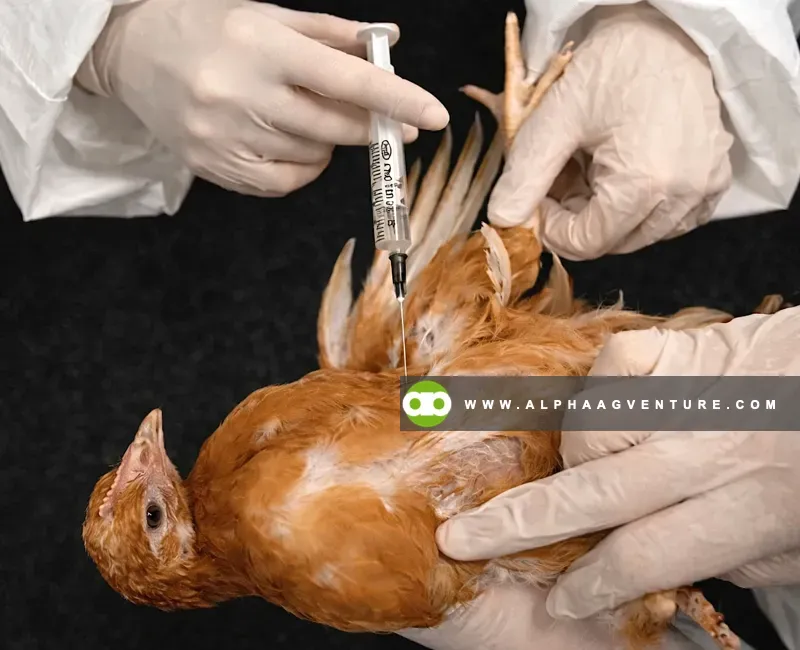
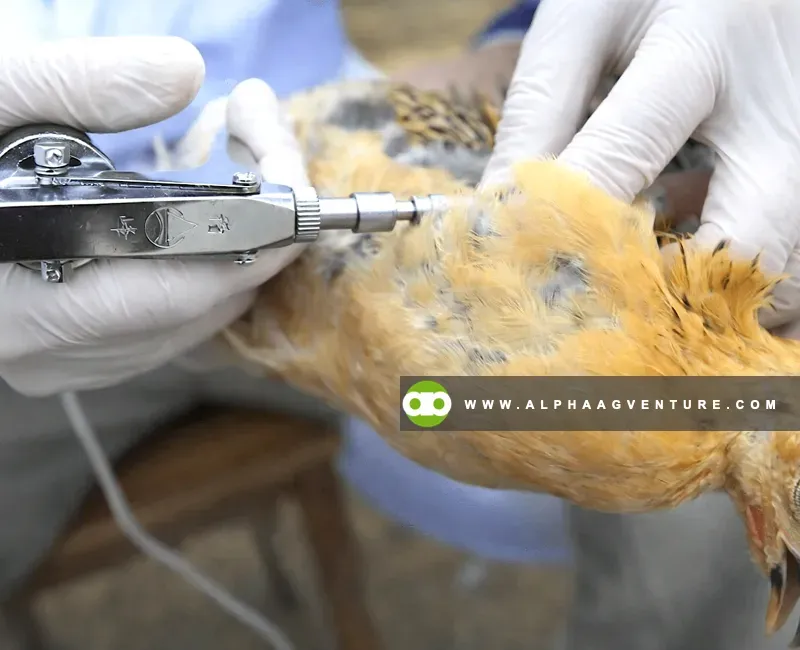
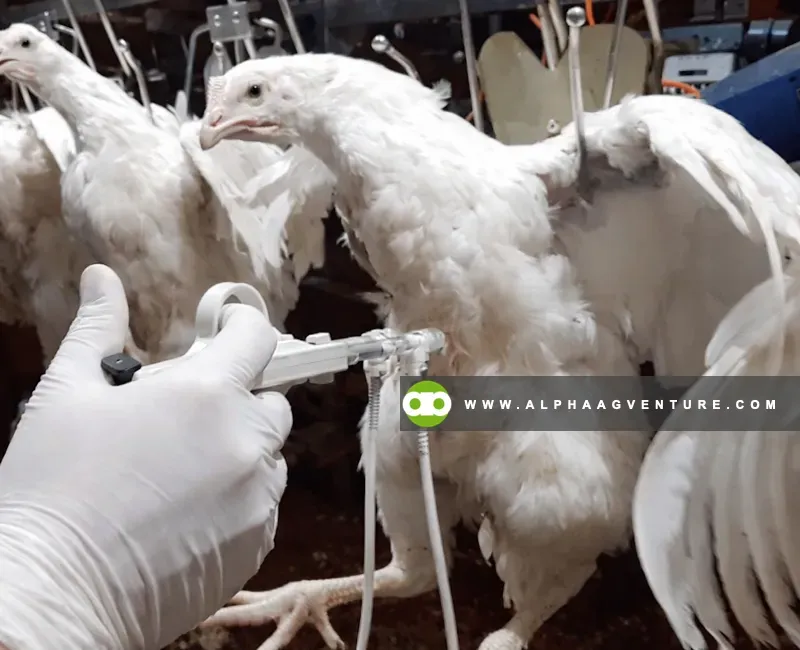
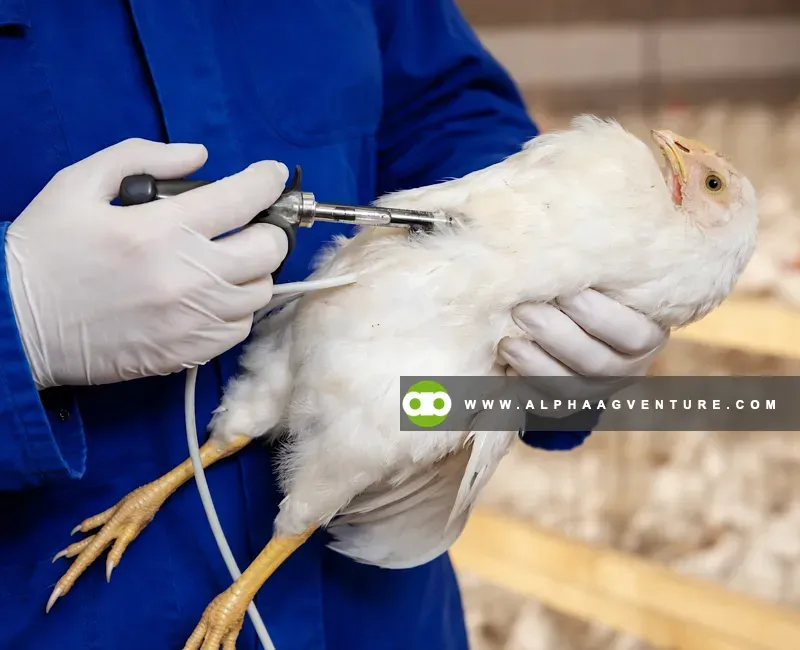
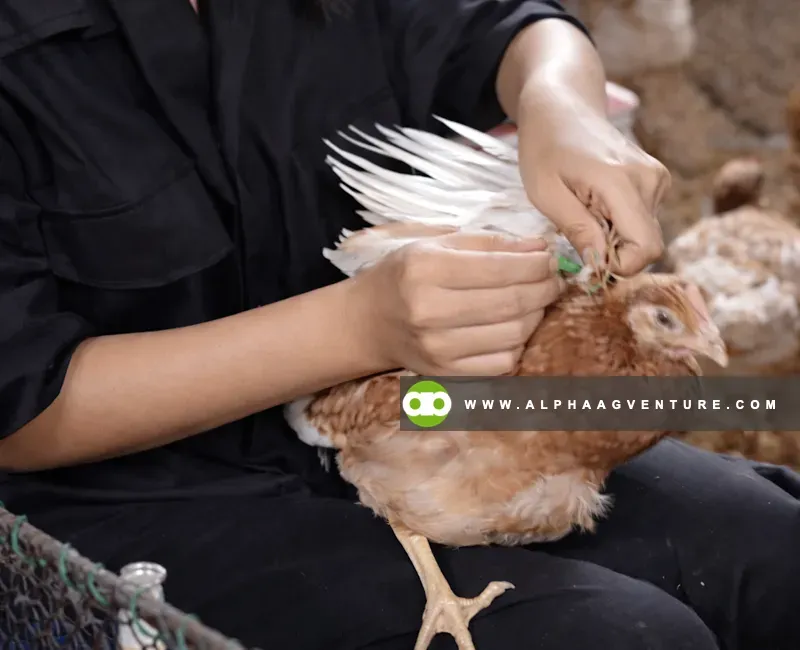
- Use the Intramuscular route.
- Inject the vaccine into the breast muscles of the bird.
Important Observations
- Accidental Subcutaneous Injection: If the vaccine is accidentally administered subcutaneously, regional oedemas may appear.
- Simultaneous Vaccination: The Coryza vaccine can be administered simultaneously with other poultry vaccines.
- Accidental Self-Injection: The vaccine contains a mineral oil-based compound that may cause severe pain and inflammation if accidentally injected into a person. In such cases:
- Immediately clean and disinfect the wound.
- Seek medical attention and show the doctor the vaccine leaflet.
Special Precautions
- Ensure the vaccine is administered at the correct temperature (+15 to +25 °C).
- Always shake the vaccine before and during use to maintain its effectiveness.
- Store the vaccine properly at +2 to +8 °C and avoid freezing.
Withdrawal Period
- The withdrawal period for this vaccine is 0 days, meaning there are no restrictions on the use of eggs or meat from vaccinated birds.
By following these steps, you can effectively vaccinate your poultry against Infectious Coryza, ensuring their health and productivity.
FREQUENTLY ASKED QUESTIONS
Can I vaccinate birds that already show signs of coryza?
Vaccinating birds that are already showing symptoms is not recommended as a treatment. The vaccine is designed for prevention, not cure. Infected birds should be managed separately through supportive care and veterinary guidance. Vaccination is best done before exposure to reduce severity and protect the rest of the flock.
At what age should I start vaccinating my chickens against coryza?
The ideal age depends on your farm’s risk level and management system, but vaccination is commonly done before the birds reach peak exposure periods. Many farmers vaccinate growing pullets before they are transferred to laying houses. Proper timing ensures immunity develops before birds face higher disease pressure in production environments.
How long does immunity from the coryza vaccine last?
Immunity duration varies depending on the vaccine type and farm conditions, but it is generally not lifelong. Booster vaccinations may be required to maintain protection, especially in long-cycle birds like layers. Consistent scheduling is important to avoid immunity gaps that can leave birds vulnerable during critical production stages.
Can I combine the coryza vaccine with antibiotics or other medications?
It is important to be cautious when combining vaccines with medications. Some antibiotics may interfere with the immune response if used improperly. Always follow recommended vaccination guidelines and consult a veterinarian if treatments are necessary. Proper timing ensures that the vaccine triggers a strong and effective immune reaction.
What happens if I miss a scheduled vaccination?
Missing a scheduled vaccination can create a window where birds are not fully protected. If this happens, the best approach is to resume the program as soon as possible rather than abandoning it. Delays should be minimized, as inconsistent vaccination increases the risk of outbreaks in high-density poultry environments.
Is the coryza vaccine effective in all climates?
Yes, the vaccine is effective across different climates as long as it is stored and handled correctly. Temperature stability before administration is critical. Farm conditions such as humidity and ventilation still play a role in disease pressure, so vaccination should be paired with good management practices for best results.
Will vaccinating cause stress or reduced productivity in my birds?
Any handling can cause mild stress, but proper vaccination techniques minimize this effect. When done correctly, the temporary stress is far less damaging than a disease outbreak. Birds typically return to normal behavior quickly, and the long-term benefit of protection far outweighs the short-term handling impact.
Do I still need strict biosecurity if I vaccinate?
Yes, vaccination is not a replacement for biosecurity. It is one layer of protection. Good sanitation, controlled farm access, and proper housing conditions remain essential. Combining vaccination with strong biosecurity creates a more resilient system that reduces both the chance and impact of disease outbreaks.
Can backyard or smallscale farmers benefit from this vaccine?
Absolutely. Coryza does not discriminate based on farm size. Small flocks are often more vulnerable due to limited biosecurity measures. Vaccination helps protect investment, even in backyard setups. It also prevents the spread of infection to neighboring farms, which is important in densely populated agricultural areas.
What if my birds are of mixed ages and breeds?
Mixed flocks can still be vaccinated, but planning is important. Different age groups may have varying immunity levels, so a structured approach is needed. Vaccinating the entire flock within a coordinated schedule helps reduce transmission risks. Proper record-keeping ensures each group receives the correct timing for optimal protection.




Reviews
There are no reviews yet.