

Description
NEWCASTLE DISEASE VACCINE FOR SALE
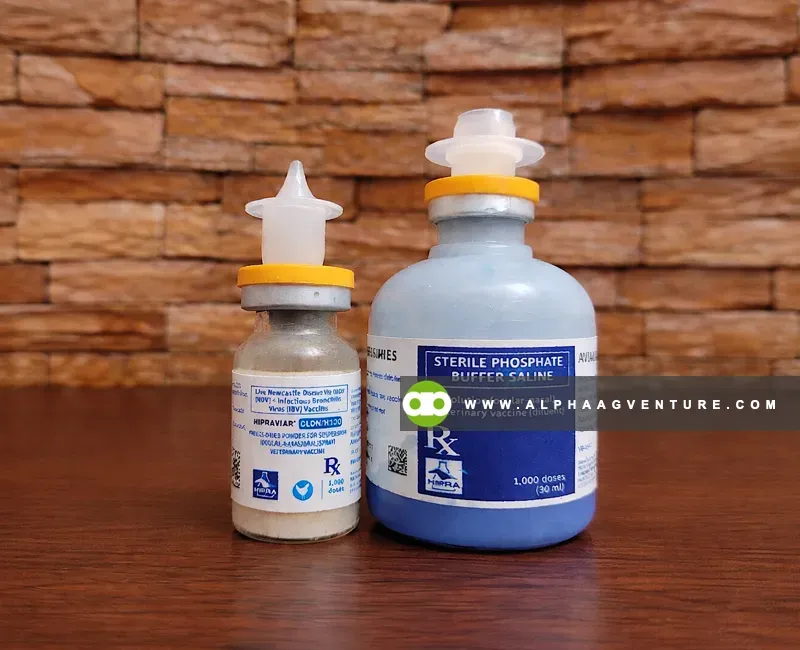
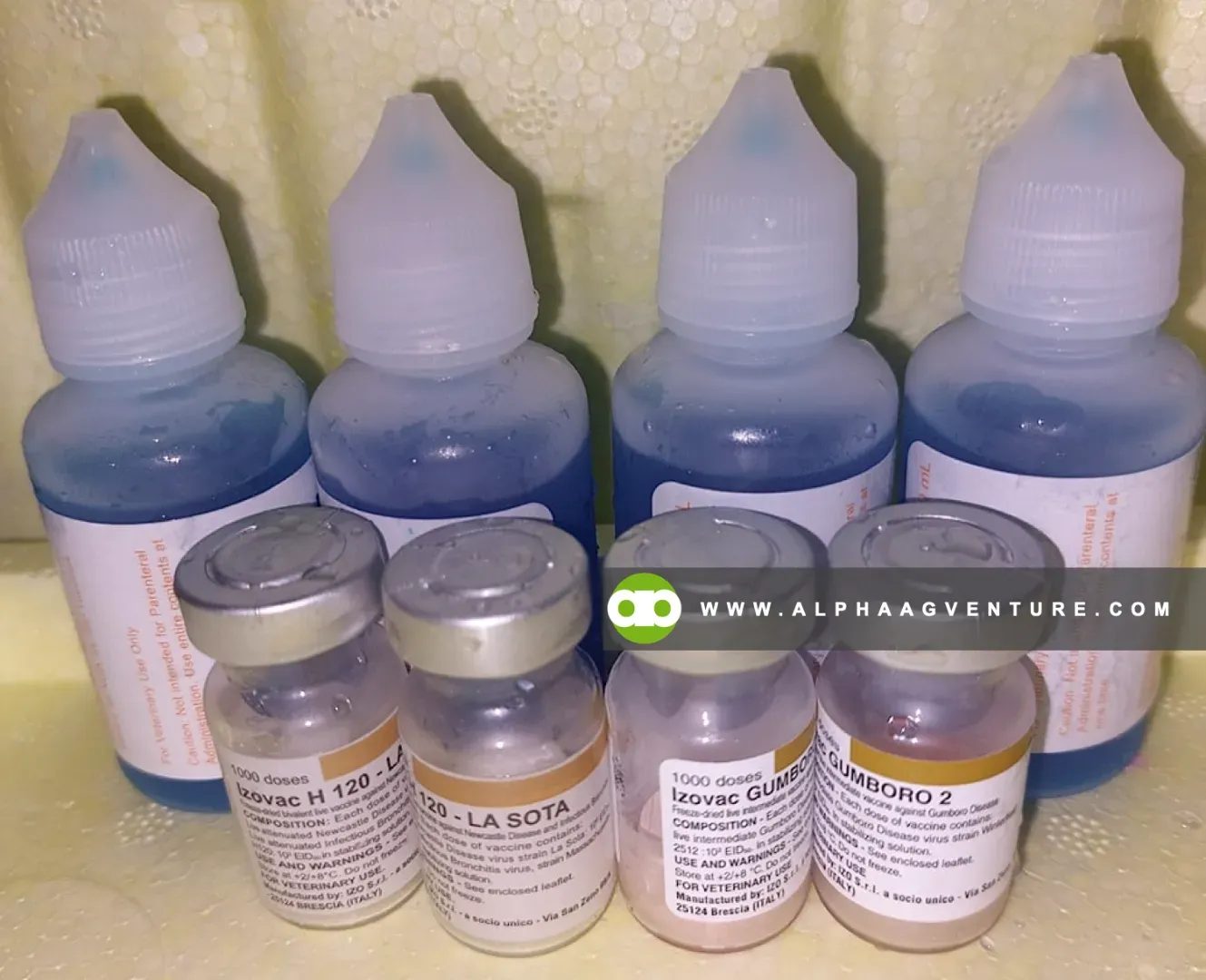
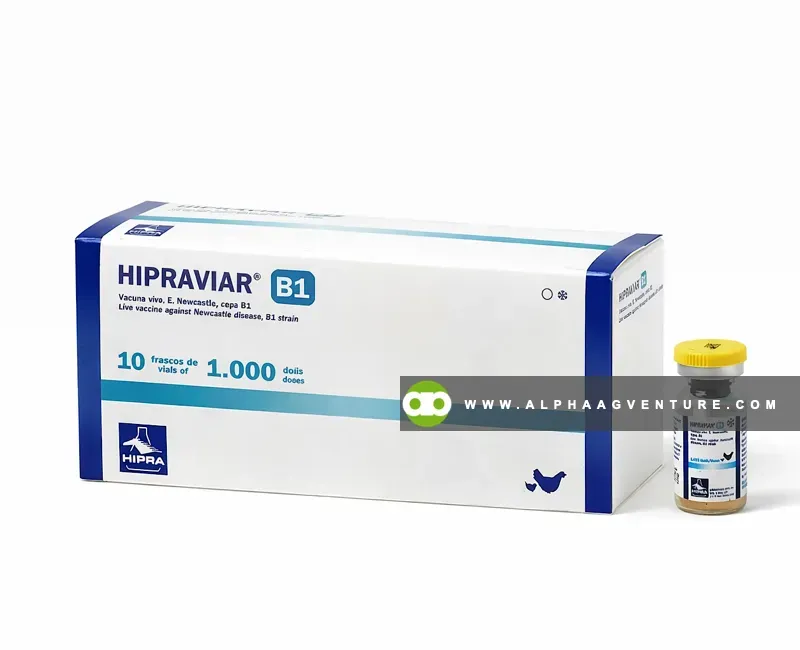
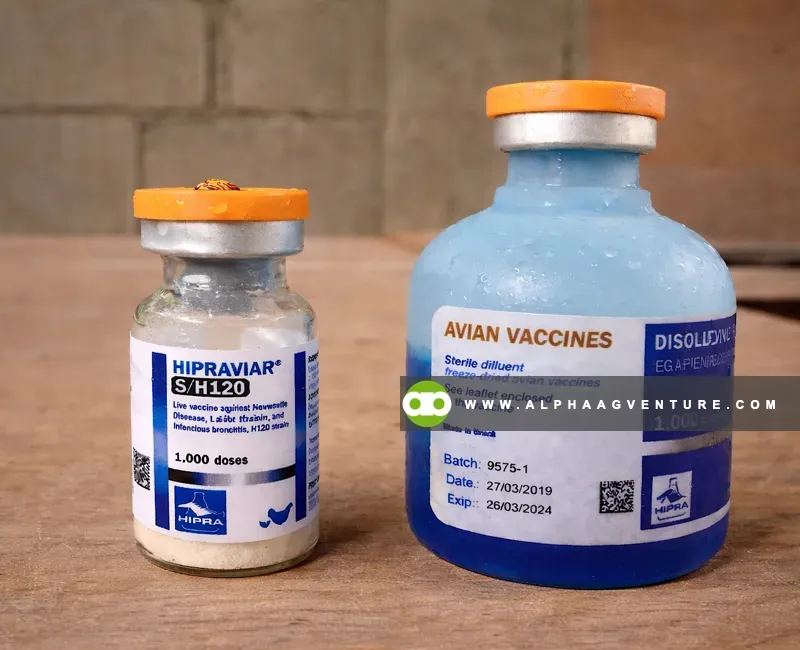
Are you looking for a Newcastle Disease vaccine for sale to protect your poultry from highly contagious viral strains? Selecting the right vaccine is crucial, especially when considering strain compatibility, administration method, and flock immunity levels. Whether you need B1B1, B1B1 + IB, Lasota, Lasota + IB, or CLON/H120, ensuring proper vaccination protocols is essential for disease control.
When evaluating the price of Newcastle Disease vaccine, consider factors such as strain selection, manufacturer reliability, and storage requirements. B1B1 and Lasota are commonly used for initial priming in chicks, while B1B1 + IB and Lasota + IB offer additional protection against Infectious Bronchitis. CLON/H120 is particularly effective in boosting long-term resistance in layers and breeders.
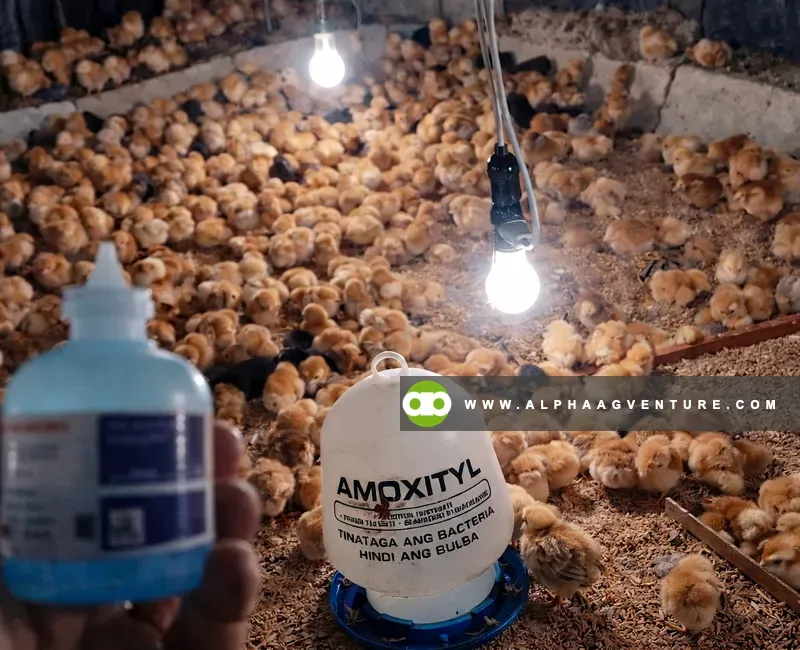
Maintaining a reliable vaccination program requires consistency and proper handling. If you are searching for a Newcastle Disease vaccine near you, ensure that the product has been stored at optimal temperatures to maintain efficacy. We offer vaccines both with and without an icebox, depending on your logistical needs. Proper cold chain management prevents vaccine degradation and ensures maximum immunogenicity.
Application methods vary based on the age and type of poultry. B1B1 and Lasota are often administered via eye drops or drinking water, while B1B1 + IB and Lasota + IB provide broader respiratory protection. CLON/H120, typically used in booster programs, enhances immunity for long-term disease resistance in high-performance flocks. Proper vaccine rotation strengthens flock resilience.
Ensuring uniform flock immunity depends on accurate dosage and administration. Vaccine efficacy can be compromised by improper handling, incorrect dilution, or poor flock health at the time of vaccination. Strategic immunization schedules help optimize productivity and minimize risks associated with secondary infections, especially in multi-age farms where Newcastle Disease outbreaks are more challenging to control.
If you are wondering where to buy Newcastle Disease vaccine, sourcing from a trusted supplier ensures you receive genuine, properly stored vaccines. Why take chances with suboptimal vaccination programs when disease prevention is within your control?
HOW TO VACCINATE WITH NEWCASTLE DISEASE VACCINE
Birds can be vaccinated starting from 1 day after hatching if placed into an endemic area of Newcastle disease.
Route of Administration
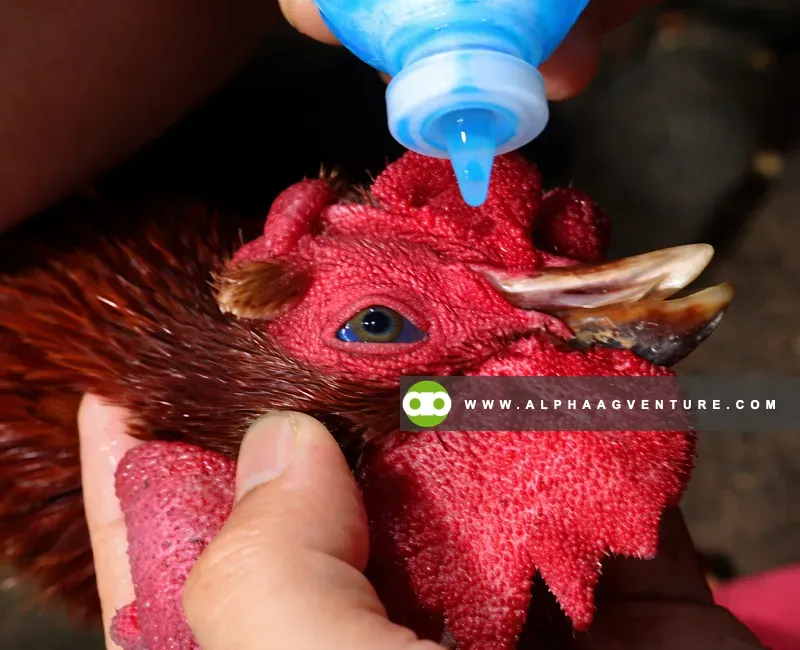
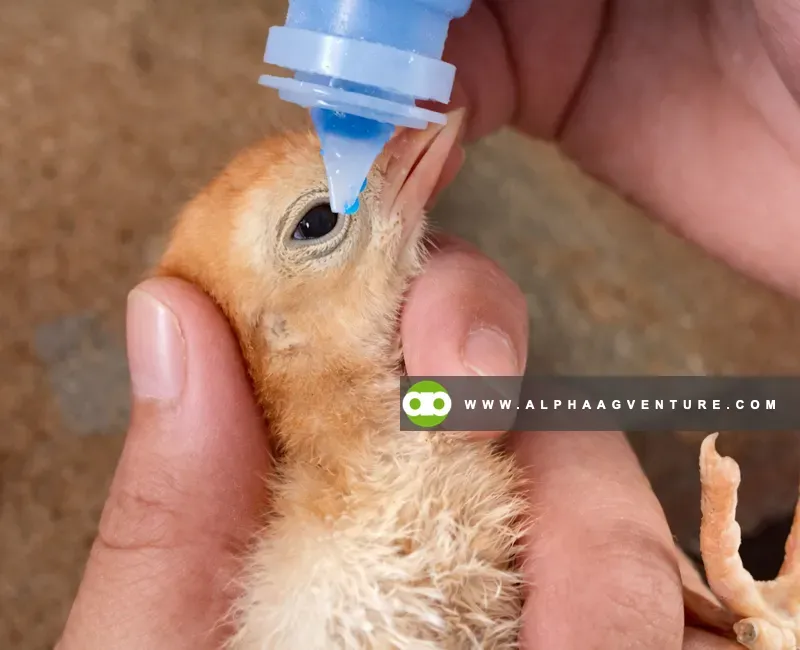
- Intra-Nasal or Intra-Ocular
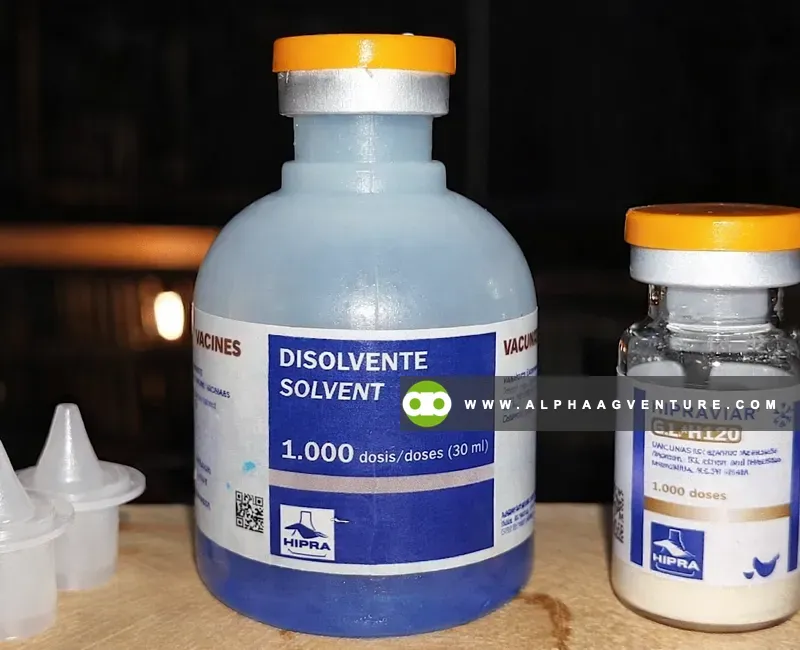
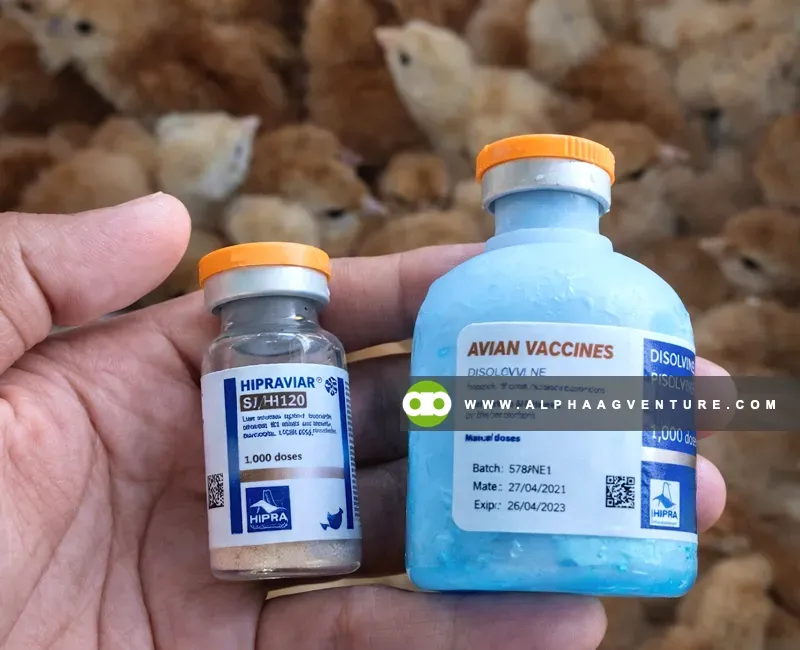
a. Dissolve the Tablet: Mix the freeze-dried tablet with the diluent included (sterile distilled water).
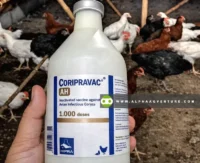
b. Administer the Vaccine: Use a standard dropper to place one drop (0.03 ml) per bird in either the eye or nare (nostril). A 30 ml vial typically provides 1,000 doses. - Oral
a. Prepare the Solution: Fill the flask with the freeze-dried tablet halfway with distilled water. Shake well and add more distilled water to the flask until you reach a total volume adequate for drinking.
b. Provide Water: Ensure the prepared vaccine water is ingested within 0.50 to 1 hour. Use the following water quantities based on the age of the birds:- 1 to 3 weeks: 5 to 10 liters
- 4 to 9 weeks: 12 to 23 liters
- 10 to 16 weeks: 27 to 37 liters
- Spray
a. Validate the Apparatus: Fill the spraying apparatus with distilled water and spray the area where the birds are located. Ensure the heads of all birds are covered with droplets.
b. Determine the Amount Needed: Measure the quantity of water used to cover the birds and use this amount to mix with the required doses of vaccine.
Dosage
- Dosage Per Bird: 1 dose
- Doses Adjustment: If there are more birds than doses available, administer an overdose rather than less than the recommended amount.
Withdrawal Period
- No Withdrawal Period: 0 days
Observations
- Water Intake Before Vaccination: Avoid giving water to birds for 1 hour before vaccination in summer and 2 hours during the rainy season to ensure they ingest the vaccine water within 0.50 to 1 hour.
- Spray Vaccination: Use a coarse spray (larger than 50 microns) for first vaccinations. For revaccinations, use finer droplets (smaller than 50 microns).
Special Precautions
- Shake Gently: Shake the freeze-dried tablet until completely resuspended before use.
- Water Quality: For oral administration, avoid using water with chlorine or disinfectants.
- Spray Protection: Wear a protective mask and glasses when using the spray method.
- Storage: Store at +2 to +8 °C, protected from light.
- Post-Use: Sterilize the vial and its contents by heat after use.
By following these instructions, you can ensure the effective vaccination of your birds using the Newcastle Disease vaccine.
FREQUENTLY ASKED QUESTIONS
Can this vaccine still work if birds already look healthy and there has never been an outbreak on the farm?
Yes. That is exactly the point of vaccination. Newcastle Disease vaccine is not something that should wait for visible signs before use. By the time birds show symptoms, the virus may already be spreading through the flock. Many poultry raisers lose birds not because they ignored disease completely, but because they assumed a healthy-looking flock did not need timely prevention. Vaccination is meant to build protection before exposure happens. A farm with no recent outbreak is not automatically safe, especially when people, crates, feeds, or nearby farms can still introduce disease without obvious warning.
Will this vaccine cause the birds to become weak, stressed, or temporarily unproductive?
Some poultry raisers worry that vaccination itself may create more problems than protection. In reality, properly handled and properly administered Newcastle Disease vaccine is designed to stimulate immunity, not damage the flock. Mild temporary reactions can happen in some situations, especially if birds are already stressed, poorly ventilated, nutritionally weak, or carrying another infection. That does not mean the vaccine is bad. It usually means the birds were not in the best condition during vaccination. Good timing, correct handling, clean water, and healthy flock status help reduce unnecessary stress and support a better immune response.
Can this vaccine be given to birds that are already sick, weak, or recovering from another problem?
That is not ideal. Vaccination works best when birds are reasonably healthy at the time of administration. If the flock is already visibly sick, severely stressed, dehydrated, or struggling with another disease challenge, the immune response may be poor and uneven. In some cases, the birds may not respond the way they should because their bodies are already under pressure. It is usually better to assess flock condition first, correct urgent health issues, and then follow a proper vaccination plan. A weak flock often needs management correction, not blind vaccination, to get better results.
What if maternal antibodies are still present in young chicks? Will the vaccine become useless?
Maternal antibodies can interfere with vaccine response if timing is wrong, and that is a valid concern. Chicks that received protective antibodies from well-vaccinated breeder hens may still need vaccination, but the schedule has to match the expected decline of maternal immunity. Vaccinating too early can reduce the response. Vaccinating too late can leave a gap in protection. That is why vaccine timing should not be based on guesswork alone. Age, farm history, breeder vaccination status, and local disease pressure should all be considered. The vaccine is not useless, but timing matters more than many people realize.
Can this vaccine be used in backyard flocks, or is it only for commercial poultry farms?
It can absolutely be used in backyard flocks, and small raisers often need it just as much as larger farms. Newcastle Disease does not care whether the birds belong to a commercial poultry house or a small family backyard. In fact, backyard birds may face more uneven biosecurity because visitors, roaming birds, shared containers, and nearby animals are harder to control. The key is not farm size but proper administration, correct schedule, and good storage before use. A smaller flock still deserves organized disease prevention, especially when each bird has real value to the owner.
Is it safe to vaccinate layers, and will it affect egg production or egg quality?
Layers can be vaccinated, but the vaccination program has to be planned correctly. Some raisers avoid vaccination because they fear egg drop, poor shell quality, or stress-related production issues. Those concerns usually come from poor timing, poor flock condition, rough handling, or bad vaccine management rather than the idea of vaccination itself. A properly planned program helps protect laying birds from a disease that can do far worse damage to production than the vaccine ever would. Protecting long-term performance means thinking ahead, not waiting until laying birds become vulnerable during an outbreak.
Do I need to stop giving vitamins, electrolytes, or other farm inputs before or after vaccination?
Not always, but what the birds receive around vaccination day does matter. Supportive inputs like vitamins and electrolytes are often used to help birds cope with stress, especially before and after vaccination. The bigger concern is not supportive products but anything that may interfere with live vaccine performance, such as sanitizers, disinfectants, or poor-quality water when the vaccine is given through drinking systems. Clean preparation and correct farm practice matter. It is wise to avoid casual mixing of products without knowing their effect on vaccine viability. Good support helps, but careless mixing can work against the goal.
What happens if the flock misses the ideal vaccination schedule by a few days or even longer?
Missing the exact schedule does not automatically mean the entire flock is doomed, but it should not be ignored either. A delay can create a protection gap, especially in areas with high disease pressure or in multi-age operations where exposure risk is greater. The right response depends on the birds’ age, previous vaccines received, farm history, and current health condition. The solution is usually to reassess the schedule and correct it properly rather than panic or randomly restart everything. Delays are manageable, but consistency is still one of the strongest foundations of a good vaccination program.
Is this vaccine still worth using for broilers, even if they will be sold quickly?
Yes, because broilers are raised on a short timeline where setbacks become expensive very fast. Some raisers assume fast-growing birds do not need a serious vaccination program because they will not stay on the farm for long. That thinking can be costly. Newcastle Disease can hit quickly, spread fast, and damage uniformity, feed conversion, growth, and survival before birds ever reach market age. Even a short production cycle needs protection because the economic window is tight. A broiler that dies early or performs poorly does not care that its schedule was supposed to be brief.
How do I know the vaccine I receive is genuine and not mishandled before it reaches the farm?
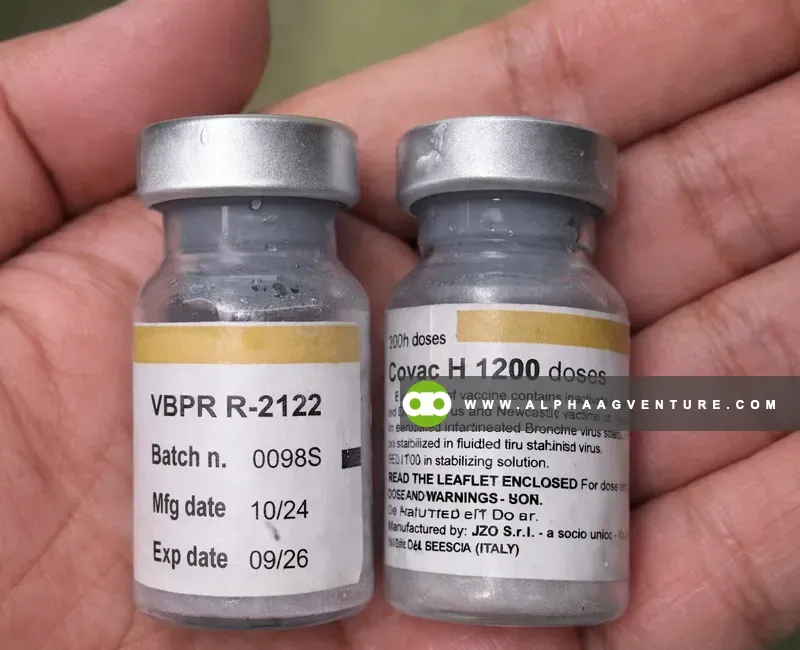
That is an important objection because even a good brand can fail when authenticity or handling is questionable. The buyer should look beyond the vial label alone. Genuine vaccines should come from a supplier that understands cold chain requirements, proper storage, and responsible turnover. The packaging, expiry date, condition of the vials, transport setup, and overall professionalism of the source all matter. A vaccine that sat too long outside proper temperature conditions may look normal but perform badly. Prevention starts before administration, and that includes being strict about where the product comes from and how it was handled.



Reviews
There are no reviews yet.