

Description
SWEET OR WHITE SORGHUM SEEDS FOR SALE
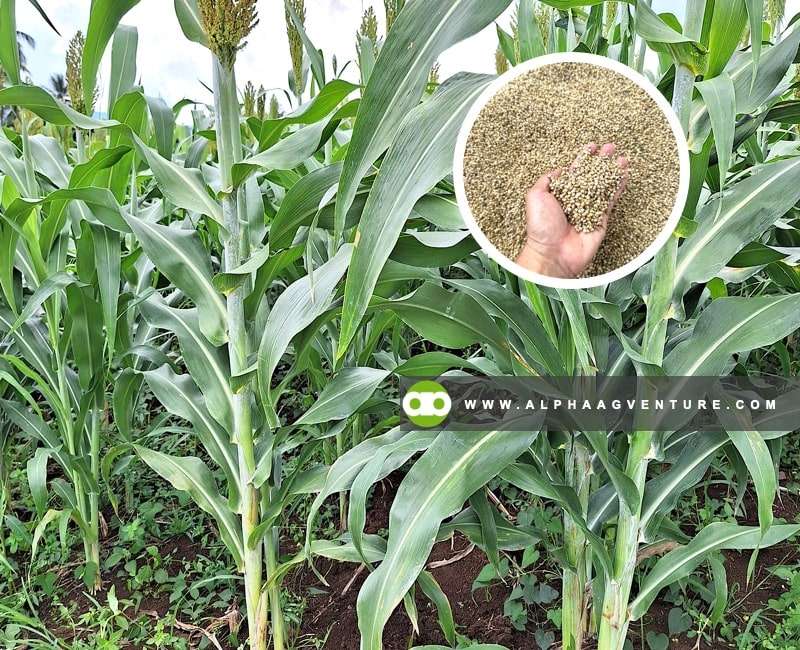
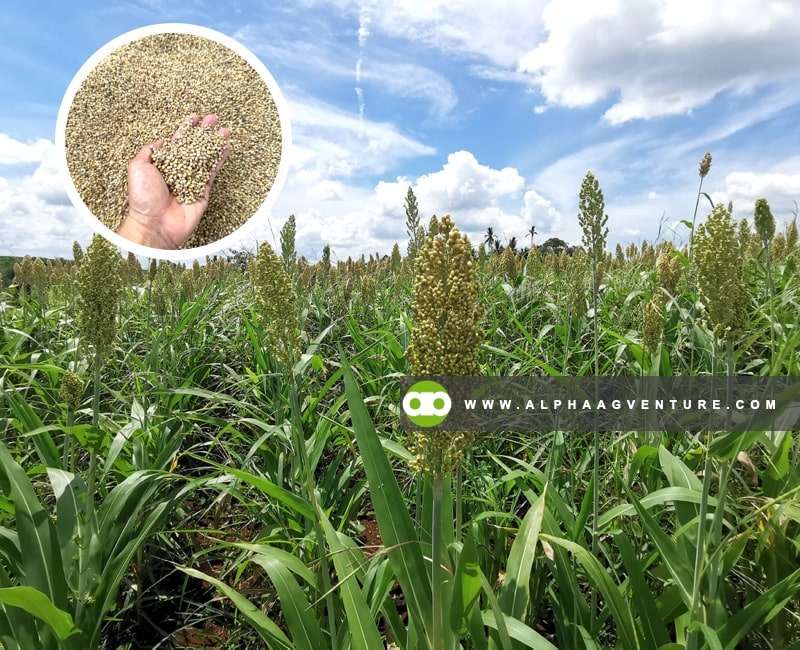
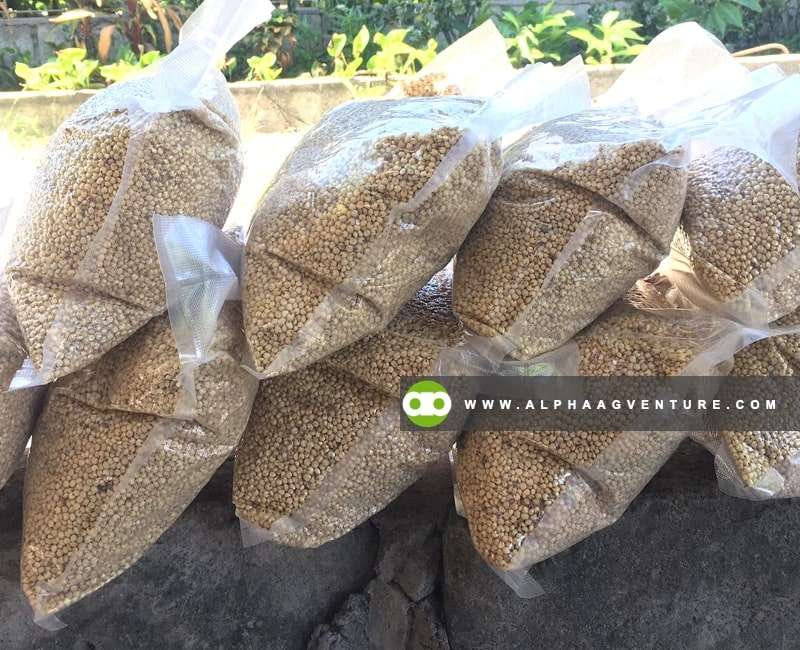
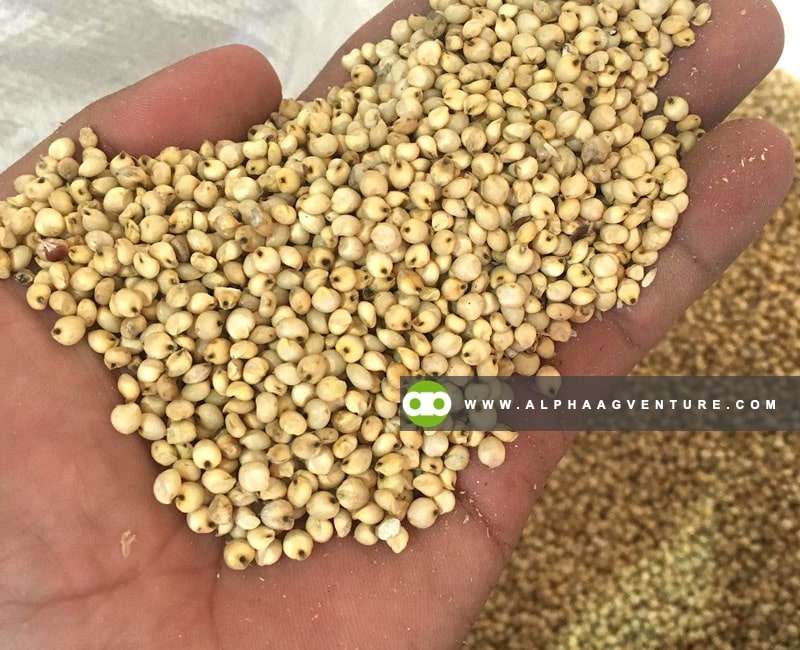
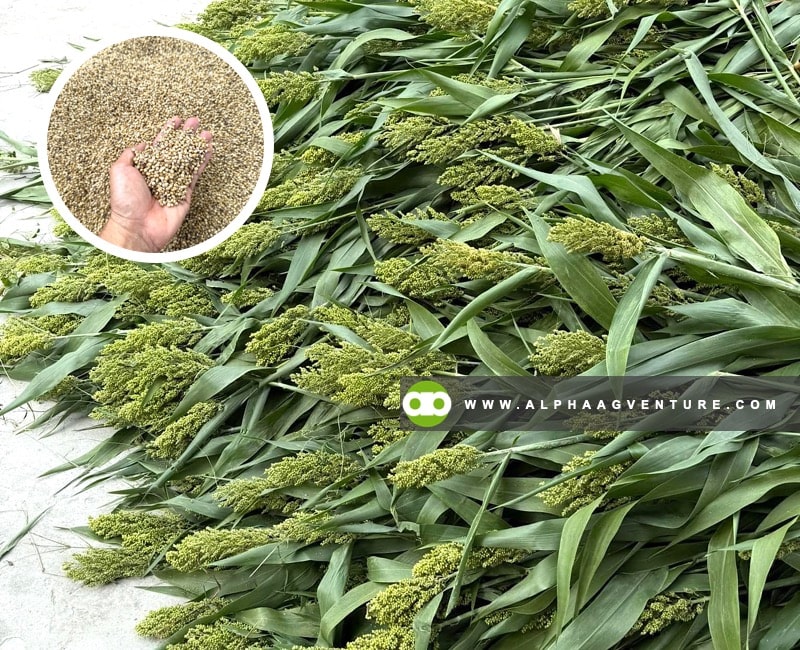
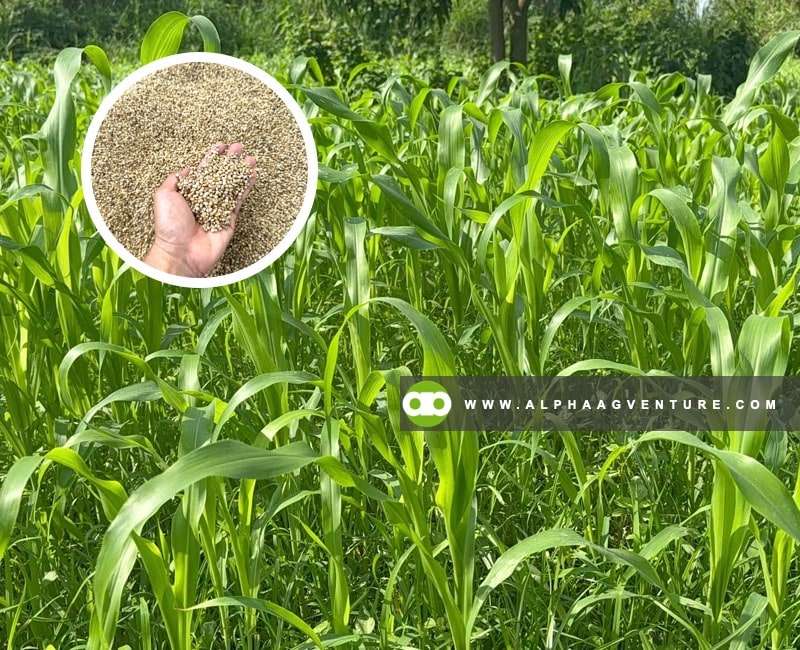
Sweet or white sorghum seeds for sale at Alpha Agventure Farms are offered for forage growers who need reliable biomass under Philippine conditions. Sorghum handles heat well, recovers after cutting, and produces heavy forage suitable for cattle, goats, sheep, and buffaloes. This crop supports feed stability when pasture quality or concentrate prices become unpredictable.
Planting requirements are a common concern, especially for farmers new to forage sorghum. One hectare of land needs about 30 kilos of sweet or white sorghum seeds to achieve proper stand density. This rate supports uniform growth, strong competition against weeds, and consistent forage yield across the field.
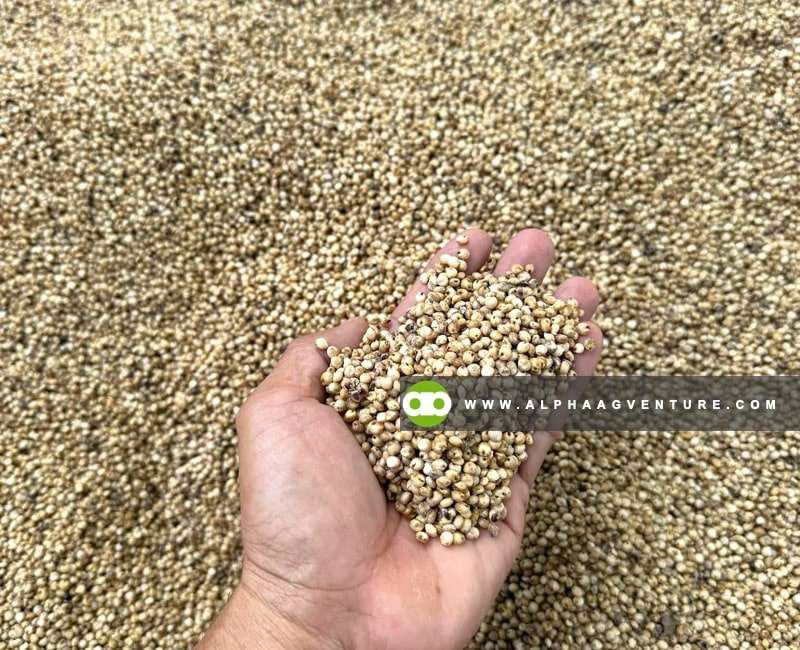
Seed count also matters when planning planting accuracy and spacing. One kilo of sorghum seeds contains about 43,000 seeds, allowing precise estimation of plant population per hectare. Understanding seed count helps farmers avoid underseeding, overseeding, and unnecessary seed wastage during establishment.
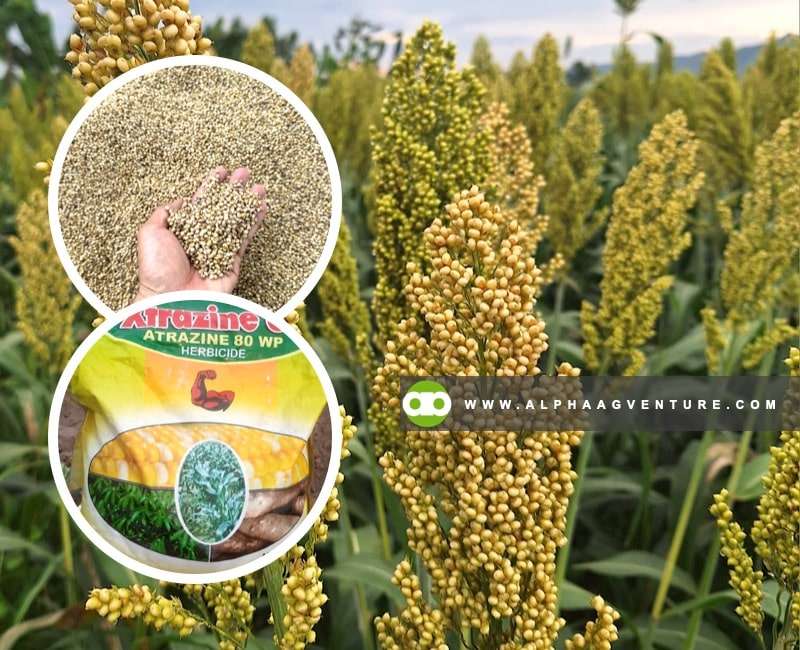
Growers frequently ask where to buy sweet or white sorghum seeds together with suitable weed control inputs. We supply sorghum seeds bundled with 5 kilos of ATRAZINE 80WP per hectare. This pairing removes guesswork and ensures that inputs work together from planting through early crop development.
Weed management raises concerns about crop safety during early growth. ATRAZINE 80WP is our tried and tested herbicide that does not kill the sorghum itself when applied correctly. Using a proven herbicide matters because incompatible products can damage seedlings and destroy potential forage yield.
Another question is where to buy sweet or white sorghum seeds with practical guidance, not just packaging. Sorghum performance depends heavily on early weed control, planting density, and cutting timing. Bundling seeds with the correct herbicide reflects actual field experience rather than theoretical recommendations.
Cost evaluation naturally includes the price of sweet or white sorghum seeds relative to long term feeding expenses. A single planting can deliver multiple cuttings, spreading costs across several harvests. This makes sorghum forage more economical than repeatedly purchasing commercial feeds.
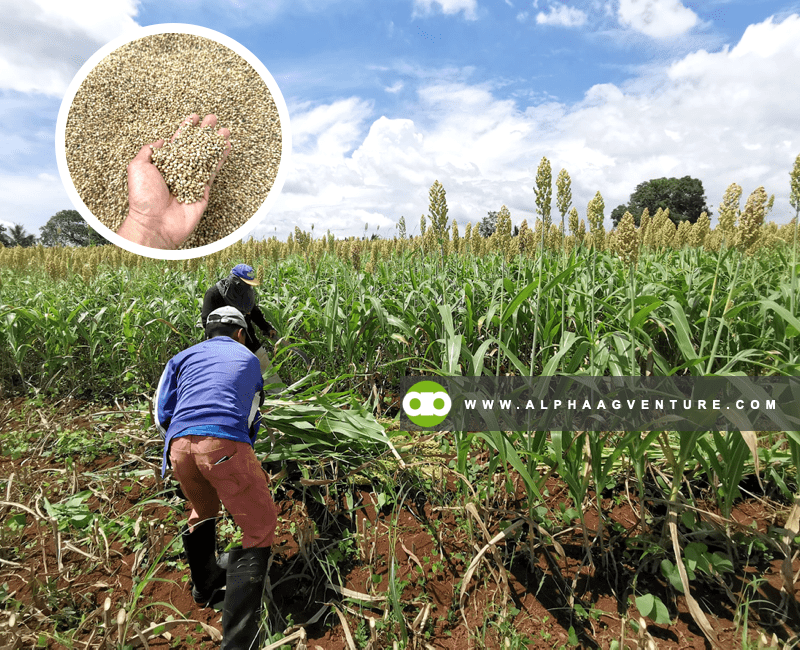
Livestock safety is also raised, particularly regarding harvest timing. Sorghum should be cut at the proper height and growth stage to ensure safe feeding. When managed correctly, sweet and white sorghum are palatable, digestible, and widely accepted by ruminants.
Labor requirements influence forage decisions on many farms. Once established, sorghum regrows after cutting, reducing replanting frequency and labor demands. This fits operations that need dependable forage without adding complex daily management tasks.
Alpha Agventure Farms focuses on forage solutions tested under Philippine field conditions, not assumptions borrowed from other regions. Clear planting rates, seed counts, and herbicide pairing help growers plan with confidence. For farmers evaluating options, sweet or white sorghum seeds for sale remain a practical forage choice when matched with proper weed control.
FREQUENTLY ASKED QUESTIONS
How tall can forage sorghum grow under proper management?
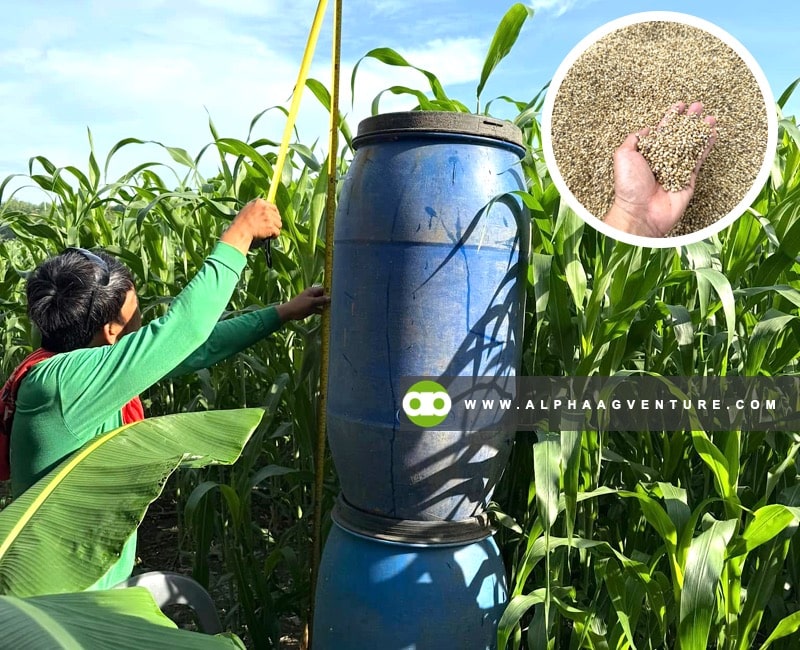
With suitable soil conditions and disciplined management, forage sorghum can reach around 12 to 14 feet in height. This tall growth translates directly into higher biomass, which increases silage volume and improves feed availability per hectare.
How many harvests can I get from one forage sorghum planting?
One planting can produce a minimum of two harvests. After the first cut, forage sorghum regrows through ratooning, allowing a second harvest without replanting. With proper soil, nutrients, and cutting height, this regrowth remains productive and reduces overall feed production costs.
How much silage can forage sorghum produce per hectare?
With good management, forage sorghum can yield around 25 to 50 tons of silage per hectare per harvest. Combined first and ratoon harvests can reach about 50 to 100 tons per planting cycle, making it a high biomass option for feedlot roughage planning.
Can sorghum be planted year round in the Philippines?
Sorghum can be planted in many months of the year, but timing still matters. Planting during periods with reliable moisture supports faster establishment and stronger early growth. Extremely wet months may require better drainage, while very dry periods may need supplemental watering during emergence.
Does sorghum require very fertile soil to perform well?
Sorghum is more forgiving than many forage crops, but soil fertility still influences yield and regrowth. Moderate fertilization improves leaf production and cutting recovery. Even marginal soils can produce acceptable forage when basic nutrients and proper weed control are provided.
Will birds, insects, or rodents significantly damage sorghum crops?
Sorghum generally experiences fewer pest problems compared with some grains. Early seedling stages may attract birds, while insects appear occasionally. Regular field monitoring and timely planting usually prevent serious losses without intensive pest control programs.
Can sorghum forage replace commercial feeds entirely?
Sorghum forage is an excellent bulk feed, but it should not completely replace balanced rations. It works best as part of a feeding program combined with concentrates, minerals, or legumes to meet energy, protein, and micronutrient requirements of growing or lactating animals.
Is sorghum suitable for cut and carry feeding systems?
Yes, sorghum is well suited for cut and carry systems commonly used by smallscale ruminant farmers. Its upright growth and rapid regrowth allow repeated harvesting while keeping animals confined, which helps manage grazing pressure and forage utilization.
How sensitive is sorghum to planting depth errors?
Sorghum seeds should be planted shallow, but minor depth variation is usually tolerated. Planting too deep may delay emergence, while very shallow planting risks drying out. Careful land preparation and light soil covering improve establishment success.
Will sorghum compete poorly with aggressive weeds if planting is delayed?
Delayed planting can reduce early competitiveness against weeds. Sorghum grows fast once established, but weeds have an advantage during early stages. Proper land preparation, timely planting, and early weed control protect yield potential during this critical period.
Can sorghum forage cause digestive problems if introduced suddenly?
Sudden dietary changes can stress ruminant digestion, including when introducing sorghum. Gradual introduction allows rumen microbes to adjust properly. Mixing sorghum with existing forage during transition periods helps maintain intake and reduces digestive upset risks.
Does sorghum require frequent replanting after each harvest?
No replanting is needed after each cutting. Sorghum regrows from the base when cut at the correct height. This regrowth capability is a major advantage, reducing seed costs and labor while providing multiple harvests from a single planting.
Is sorghum suitable for farmers with limited technical knowledge?
Sorghum is considered farmer friendly because it does not demand complex management. Basic understanding of planting rates, weed control, and harvest timing is usually enough. Practical guidance and correct inputs significantly improve outcomes even for first time growers.


Reviews
There are no reviews yet.