

Description
WHY OUR OSTRICHES ARE PRICED HIGHER THAN OTHERS
1. Program Based Rearing, Not Mass Production
Our ostriches are raised under structured breeding, feeding, health, and growth programs. Each stage is monitored and adjusted based on performance, not convenience. This level of management requires more resources, but it produces stronger, more reliable birds.
2. Proven Health and Biosecurity Protocols
Strict biosecurity, routine health monitoring, parasite control, and preventive care are implemented from hatch to release. These measures reduce disease risk and mortality, which protects the buyer’s investment and minimizes post transfer losses.
3. Superior Nutrition and Growth Management
Ostriches receive carefully formulated rations based on age and growth stage. Feed quality is never compromised, ensuring proper skeletal development, muscle growth, and overall vitality. This results in birds that perform better long term, not just at the point of sale.
4. Traceability and Documentation
Each ostrich comes with documented records covering feeding practices, health management, and growth milestones. This level of traceability provides transparency and confidence, especially for buyers building breeding or commercial operations.
5. Long Term Support and Accountability
Pricing includes technical guidance after release. Buyers receive practical advice on housing, feeding, handling, and health management. The relationship does not end at pickup, ensuring better outcomes and fewer costly mistakes.
OSTRICH FOR SALE
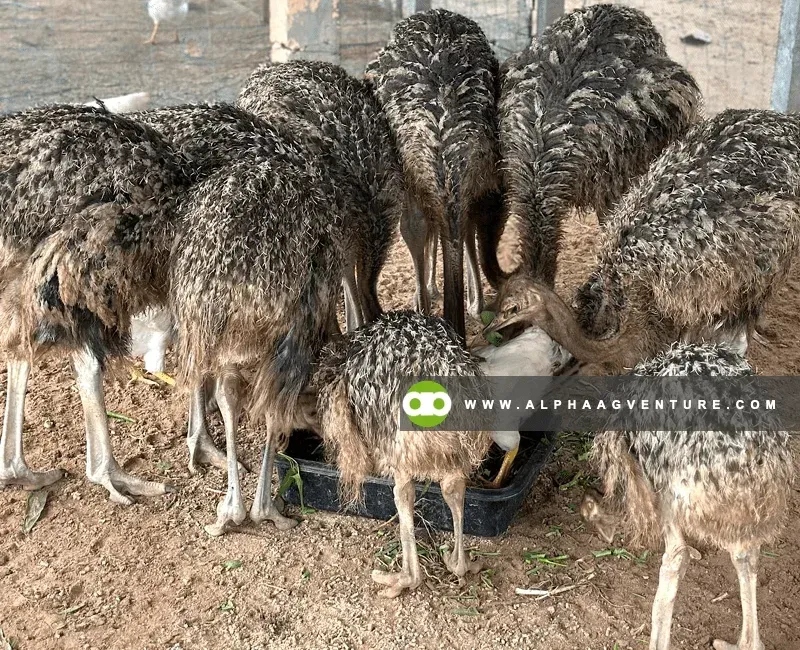
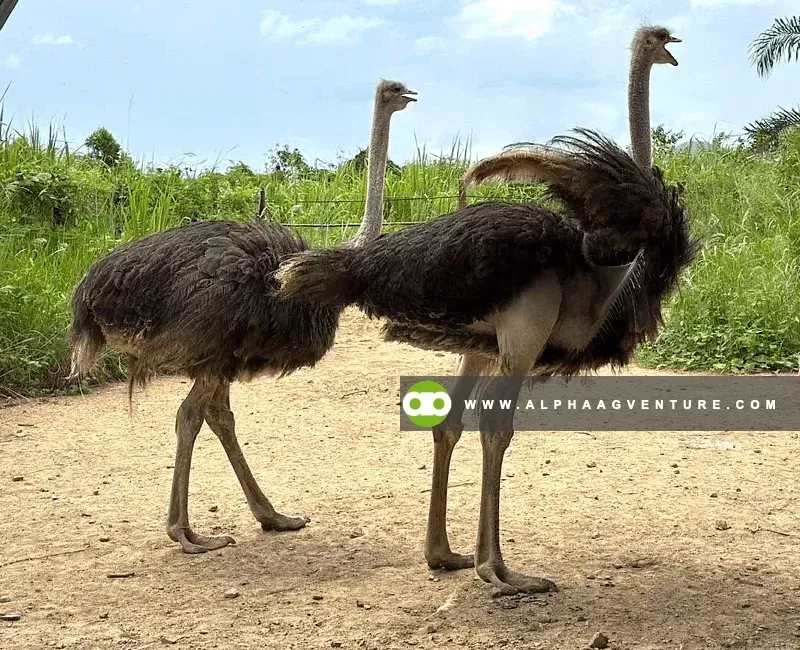
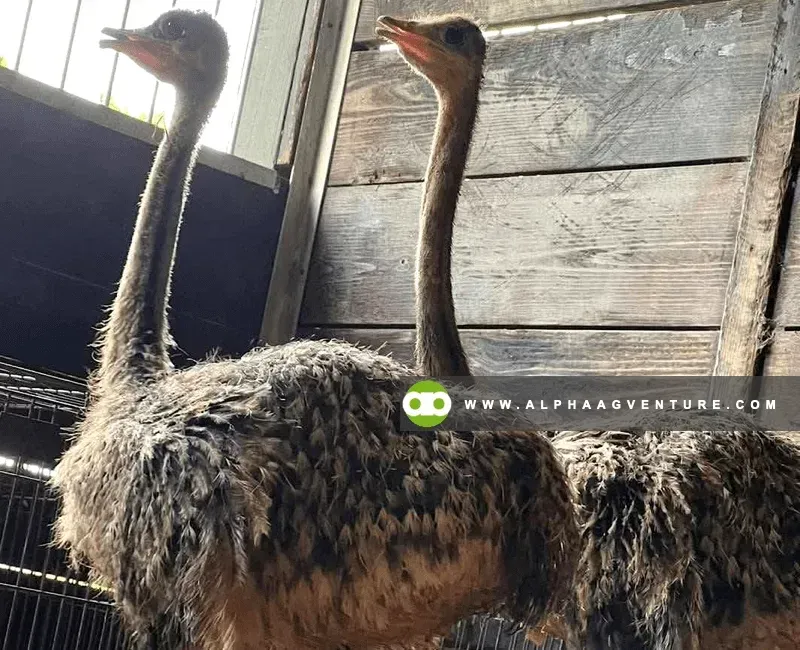
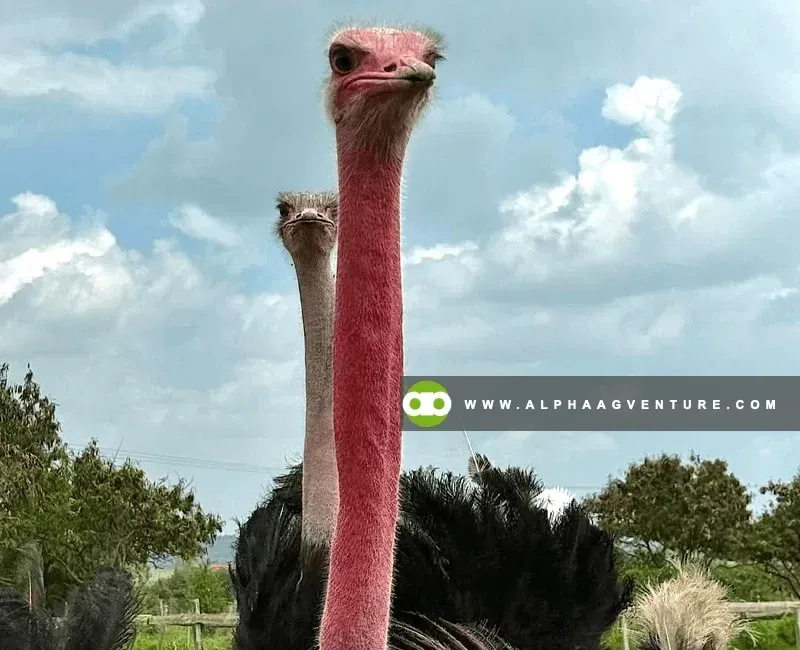
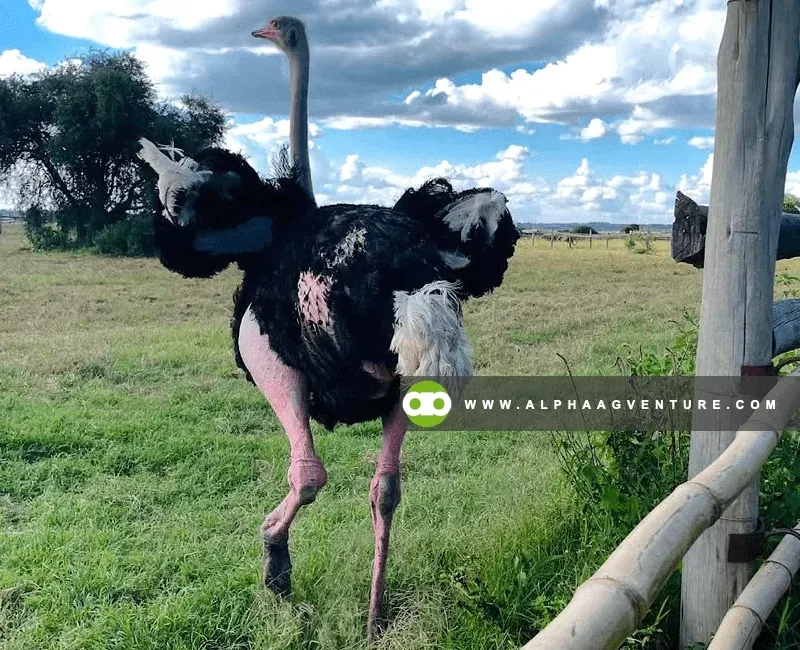
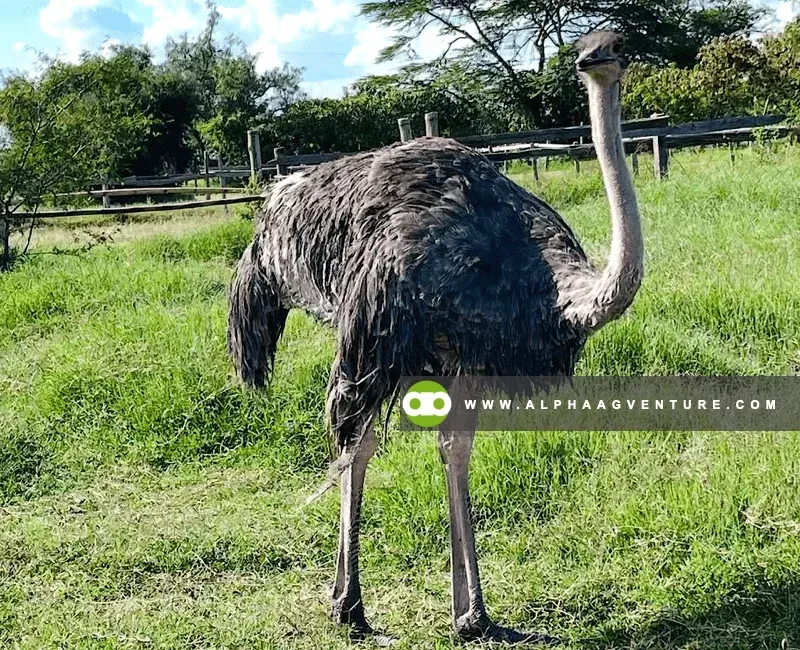
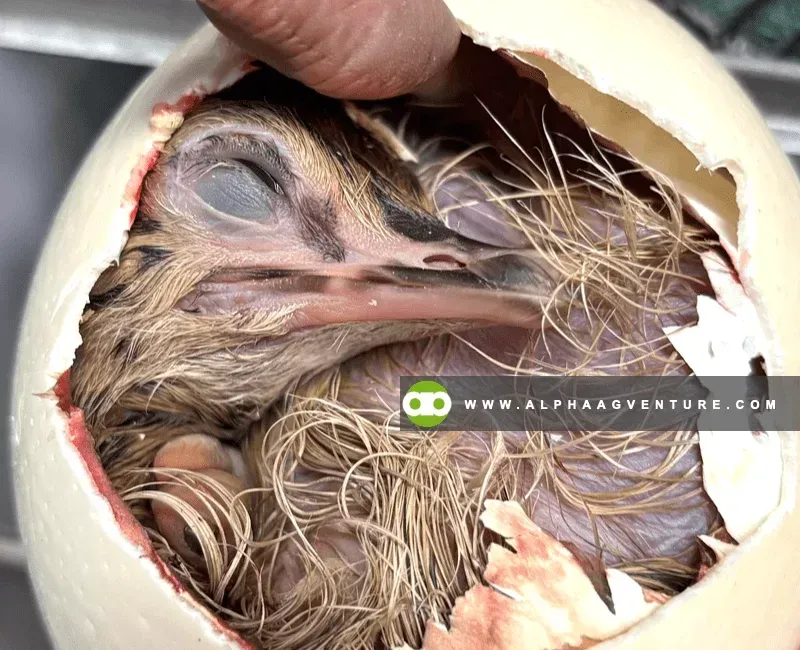
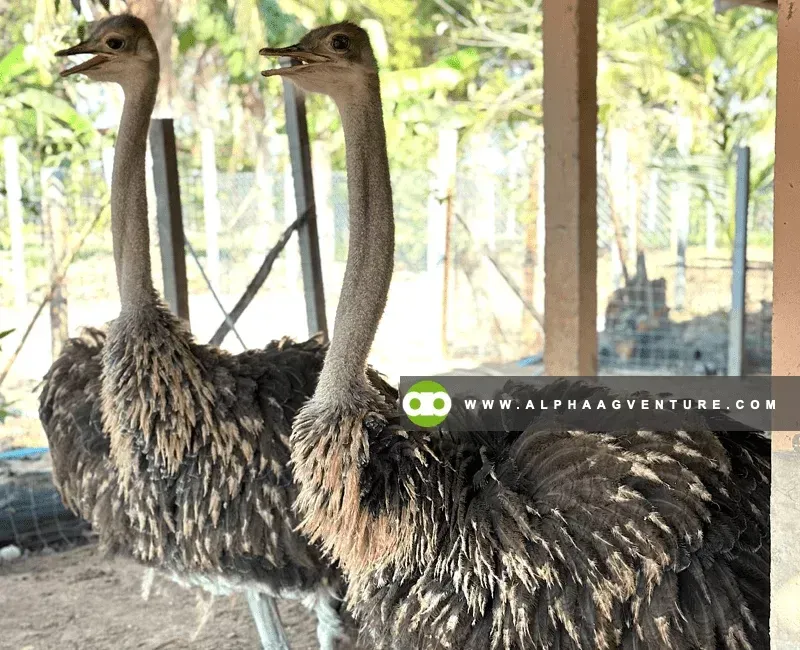
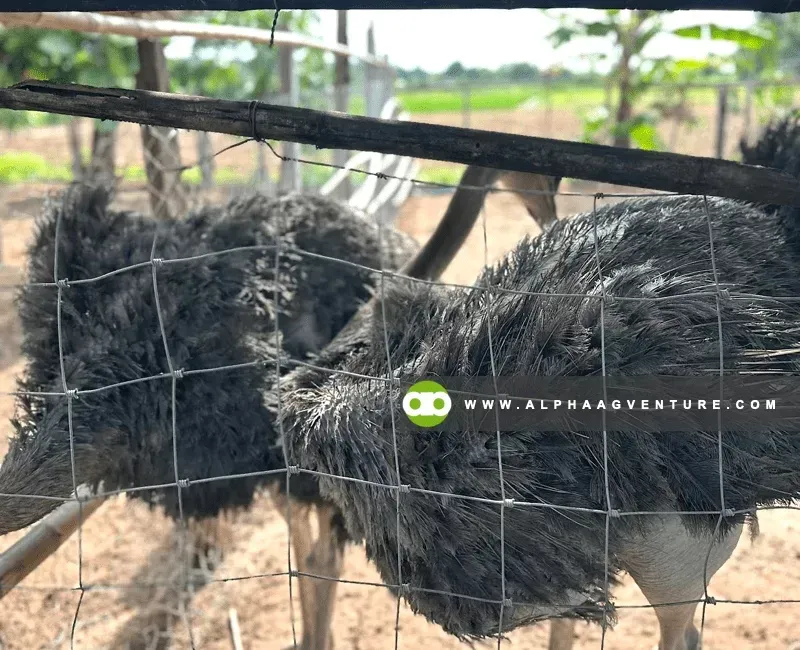
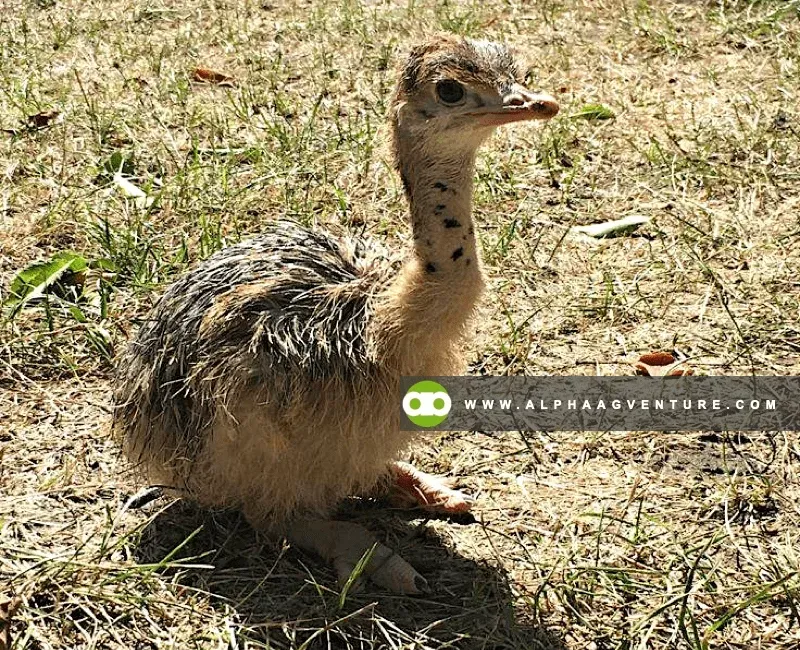
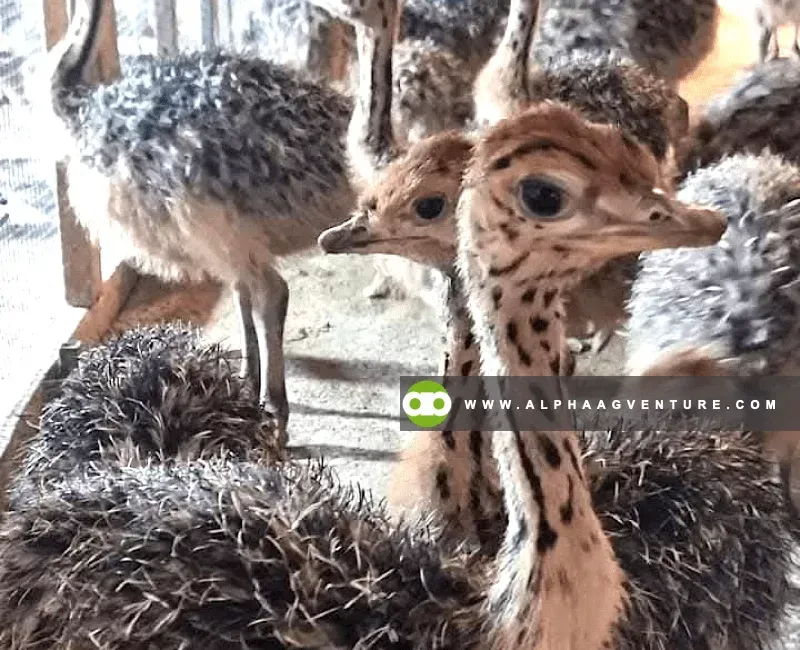
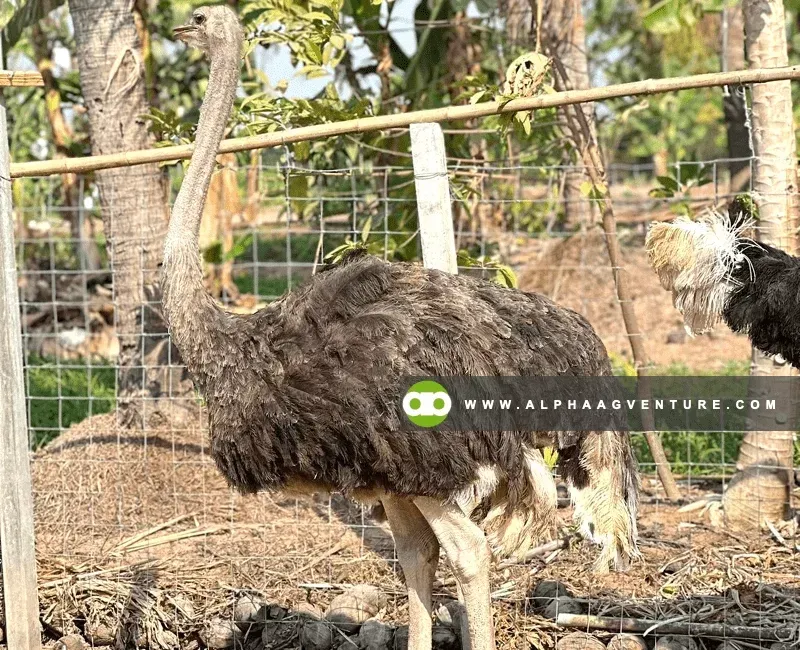
An ostrich for sale at Alpha Agventure Farms comes from carefully selected breeding lines raised under Philippine conditions. Each bird is strong, healthy, and fully acclimated to local heat and humidity. You can choose between growers or mature breeding pairs, each with verified health and feeding records.
A fully grown ostrich, usually between 14 and 18 months old, eats about 1.2 to 1.8 kilograms of feed a day. That equals around 10 to 13 kilograms per week or roughly two 50-kilogram sacks per month. Their average feed conversion ratio is 4.5 to 1, meaning about 4.5 kilograms of feed are needed to gain one kilogram of body weight. Knowing these figures helps you plan feed purchases and forecast growth more accurately.
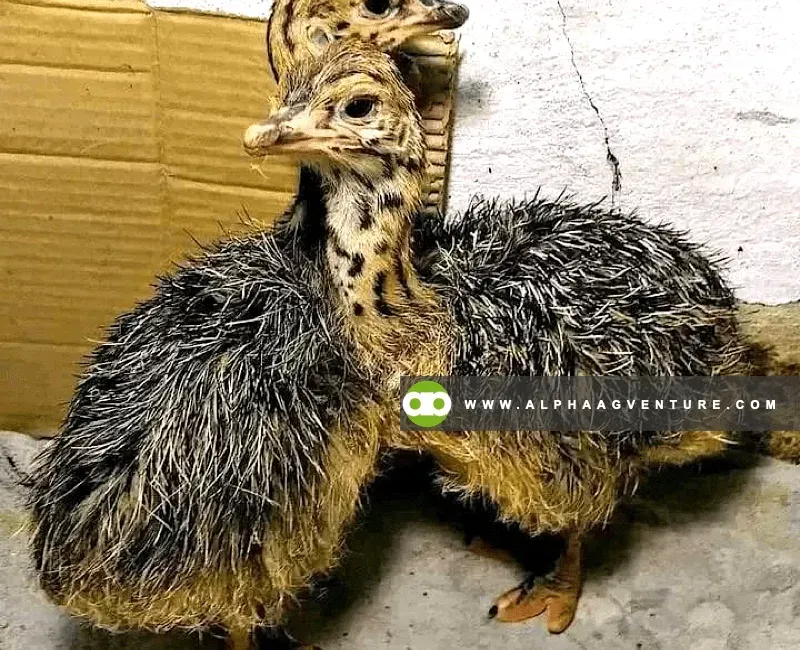
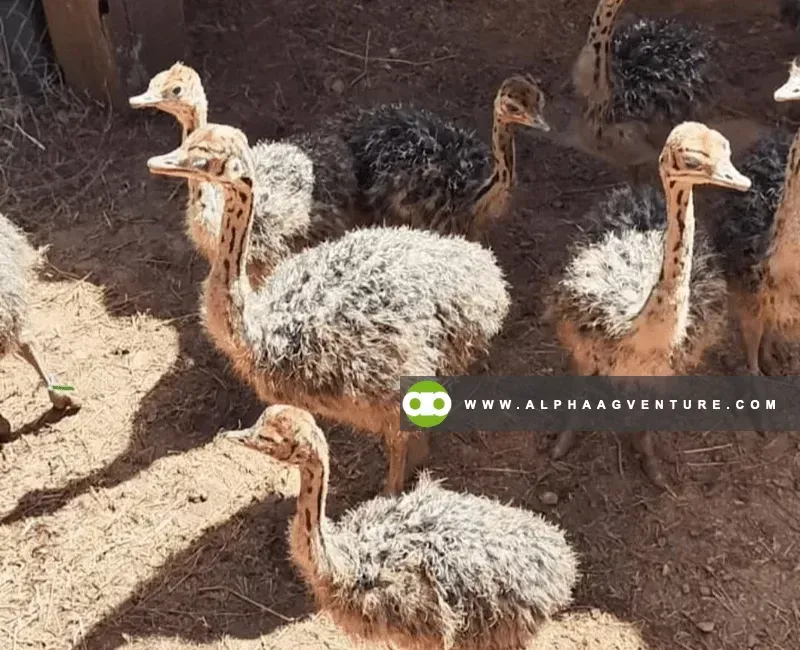
You may hesitate to start because you think ostriches are difficult to feed. In practice, their diet is simple. They thrive on grass, corn, soybean meal, and a balanced grower ration. For chicks up to three months old, a starter feed with 18 to 20 percent protein supports strong early growth. From four to six months, a grower ration with about 16 percent protein works best. By the time they reach one year old, you can gradually shift to a 14 percent protein finisher.
If you are wondering where to buy ostrich that already thrives in the Philippine climate, the birds from Alpha Agventure Farms are raised outdoors from the start. They are used to full sunlight and can tolerate temperatures up to 36 degrees Celsius. With adequate shade and a steady supply of clean water, they maintain good feed intake even during hot days.
Once ostriches reach 90 to 100 kilograms, most of their diet can come from fresh grass and native forage plants, with only light supplementation. At this stage, feed costs typically drop while weight gain continues steadily. The natural grazing ability of ostriches makes them efficient livestock for open-field systems where grass is abundant.
You might also wonder about housing. Ostriches do not require elaborate or air-conditioned barns. You only need about 200 square meters of open ground per pair for exercise and grazing. A fence at least 1.8 meters high made from welded wire or chain link is generally sufficient. The priority is space, safety, and visibility, and not costly construction.
Handling is another common concern. Ostriches are intelligent animals that quickly learn feeding routines and recognize caretakers. With consistent handling, they become calm and manageable. They are naturally curious and often approach familiar people, making daily care easier than many expect.
If you are still deciding where to buy ostrich with reliable after-sale guidance, Alpha Agventure Farms offers well-documented, locally raised birds suited to Philippine conditions. Whether you are starting small or diversifying your livestock operation, ostrich production provides strong market opportunities in meat, eggs, leather, and feathers. You receive hardy stock and practical guidance proven to work for local farmers.
FREQUENTLY ASKED QUESTIONS
Is ostrich farming really profitable in the Philippines?
Yes. Profitability depends on feed management and space availability. A mature ostrich weighing around 100 kilograms yields about 45 to 50 kilograms of lean red meat, with the hide and feathers providing additional income from the leather and craft markets.
How much space should I prepare if I plan to start with more than one pair?
You need at least 200 square meters per pair. For three pairs, prepare around 600 to 700 square meters. More space means better grazing, lower stress, and cleaner ground conditions, which reduces the risk of foot and leg problems.
What kind of fence should I use to keep ostriches secure?
A welded wire or chain-link fence at least 1.8 meters high is enough. Posts should be firmly anchored because adult males can weigh 100 kilograms or more. Avoid barbed wire because it can cause leg or neck injuries.
How long before an ostrich starts laying eggs?
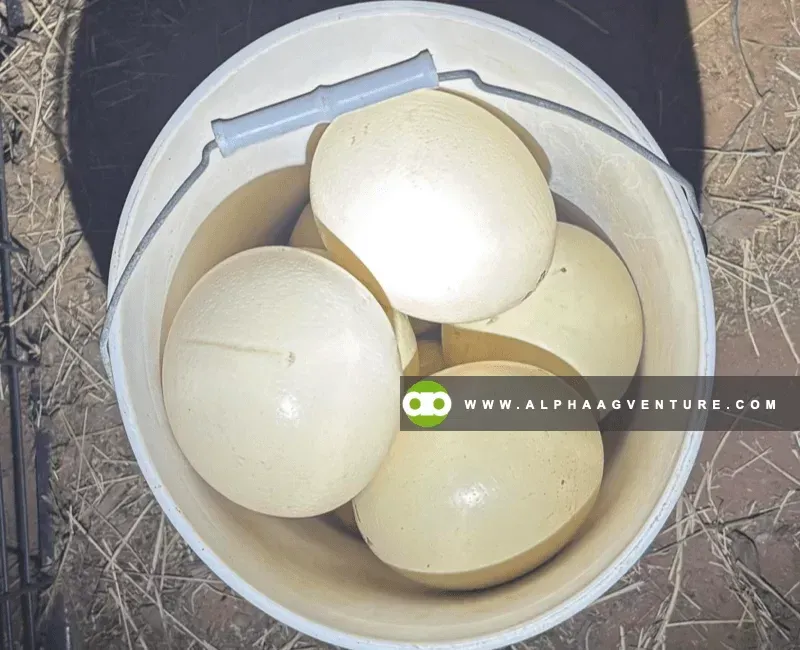
Females usually start laying between 18 and 24 months of age. They lay an average of 30 to 50 eggs per season, depending on nutrition, health, and daylight exposure. Proper lighting and balanced nutrition help maintain laying cycles.
Do ostriches need special veterinary care?
Not necessarily. They require the same preventive measures as other livestock: deworming, vitamin supplementation, and periodic disinfection. You can coordinate with a local veterinarian for fecal exams and parasite control every 3 to 4 months.
Can ostriches live alongside other farm animals?
Yes, but only in wide spaces. They can coexist with cattle, goats, or sheep if there is enough room for all species to graze. However, do not keep them with aggressive or noisy animals, as stress affects feed intake and egg production.
How can I transport ostriches safely?
Use a truck or trailer with enough headroom and solid flooring. Restrain the legs gently using soft ties to prevent injury during travel. Transport is safest during early morning or late afternoon when temperatures are cooler.
How do I know if an ostrich is healthy before buying?
A healthy bird stands upright, has bright eyes, smooth feathers, and strong legs. It should walk evenly and show interest in food. Alpha Agventure Farms provides health records and feeding documentation with every bird sold.
What kind of forage plants can I grow for my ostriches?
They eat Napier grass, Madre de Agua, Mulberry leaves, and young ipil-ipil leaves. You can also plant sweet potato vines or kangkong for variety. Forage should be available daily because it reduces reliance on concentrates and keeps the digestive tract active.
Can I raise ostriches successfully in the Philippines on my own?
Yes. With proper space, fencing, and nutrition, you can manage ostriches independently. By following general guidelines on feeding, protein requirements, housing, and routine deworming, you can maintain healthy, productive birds. Observing their growth, behavior, and appetite regularly will help you identify any issues early and ensure smooth farming operations.






Reviews
There are no reviews yet.