

Description
OREGANO OIL FOR SALE
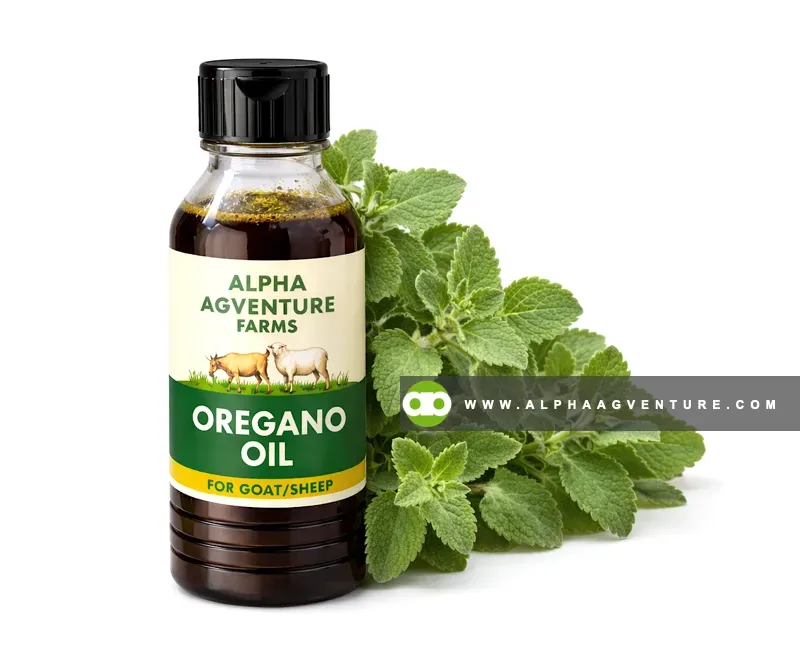
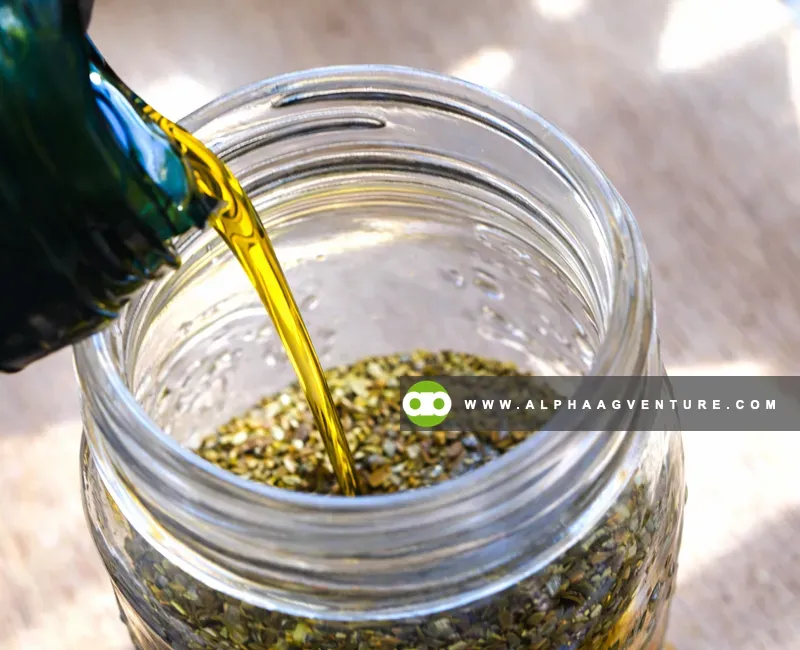
Is Oregano Oil for sale a practical option when digestive issues start disrupting herd stability? This herbal blend uses dried oregano infused in coconut oil, creating a straightforward solution for ruminants. It focuses on gut balance without introducing harsh chemical residues, making it suitable for sensitive cases that require a more cautious approach.
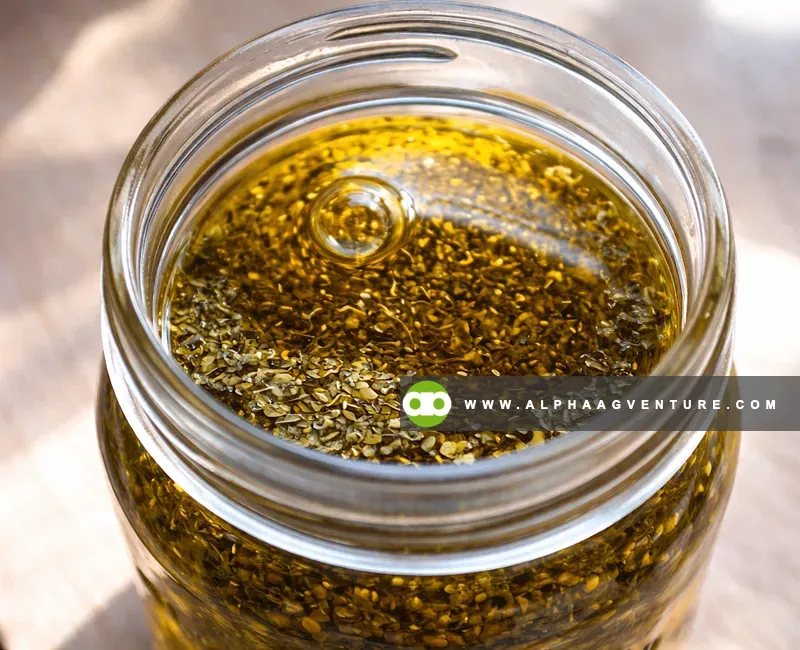
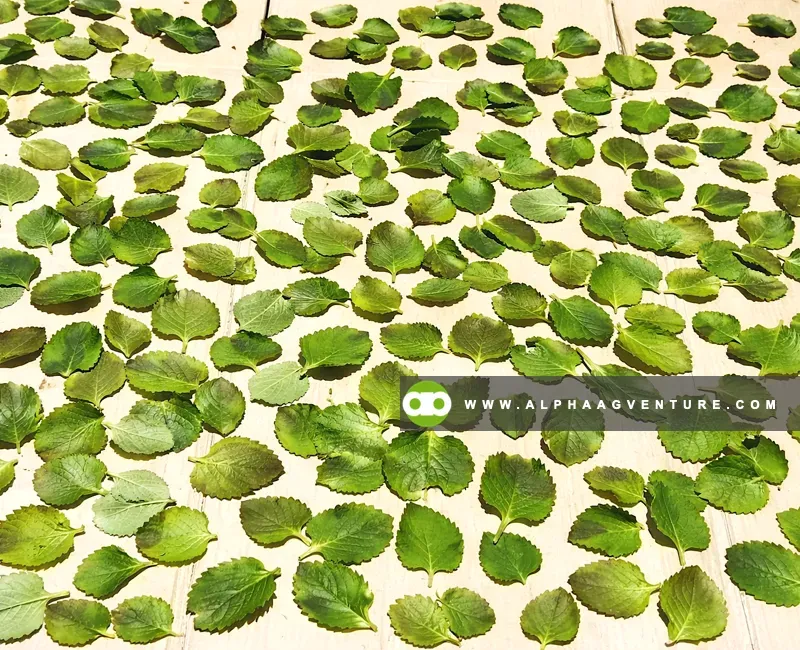
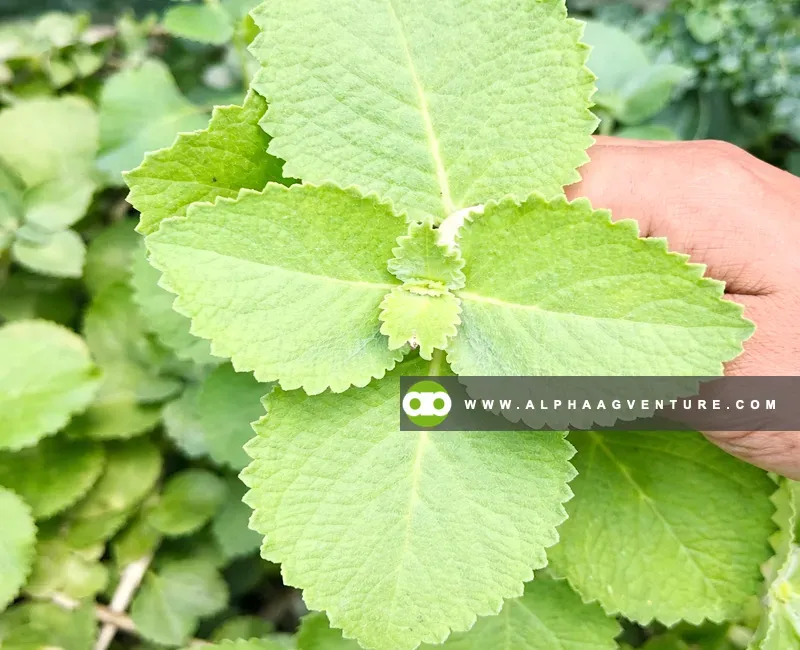
This formulation combines oregano leaves that are dried, crushed, and carefully infused into coconut oil. The process matters because both components contribute to its function. Oregano carries natural antimicrobial properties, while coconut oil acts as a carrier that supports absorption and consistency, helping deliver the blend effectively when administered in measured amounts.
For those asking where to buy Oregano Oil, sourcing matters as much as the formulation itself. Alpha Agventure Farms is a recommended option due to its focus on proper handling and product consistency. Buyers avoid the uncertainty of poorly prepared blends, ensuring the oil retains its intended characteristics from preparation to actual farm use.
One common concern involves safety, especially for pregnant animals. Conventional dewormers may pose risks when used improperly during gestation. This herbal alternative is positioned for those situations where caution is non negotiable. It offers a gentler approach, helping manage digestive disturbances without exposing developing offspring to unnecessary chemical stress during sensitive stages.
Another hesitation revolves around the price of Oregano Oil and whether it justifies its role on the farm. Instead of treating it as a replacement for all interventions, it works best as a targeted option. Farmers often find value in having a safer backup for specific cases rather than relying solely on stronger pharmaceutical solutions.
Administration is weight based for better accuracy. For diarrhea and respiratory concerns, the guideline is 1 ml per kilo of body weight once daily for seven days. For deworming, the same 1 ml per kilo applies, then repeat after fourteen days, followed by maintenance every three months to support internal parasite control.
Adjustments are necessary for pregnant animals. The dosage should be reduced by fifty percent for gestating goats, sheep, cattle, and buffaloes to maintain a more cautious approach. This detail is often overlooked, yet it makes a significant difference when balancing effectiveness with safety during sensitive reproductive stages in ruminant management systems.
For operations looking for a reliable supplier of Oregano Oil, consistency and preparation standards should never be overlooked. The goal is not just availability but dependable formulation that performs as expected. When sourced correctly and used appropriately, it becomes a practical addition to herd care routines alongside Oregano Oil for sale.
FREQUENTLY ASKED QUESTIONS
How do I administer your oregano oil to my ruminants?
Diarrhea and Respiratory Diseases: 1 ml of oregano oil per 1 kilo of body weight for 7 days
Dewormer: 1 ml of oregano oil per 1 kilo of body weight. Repeat after 14 days. Repeat every 3 months.
Note: Reduce the dosage by 50% for gestating or pregnant goats, sheep, cattle, and buffaloes.
Can Oregano Oil be used for both small and large ruminants?
Yes, the dosage guide is weight based, which makes the product more flexible across different ruminants. That matters because a goat, sheep, calf, cow, or buffalo will not all need the same volume. A weight based approach reduces guesswork, but it also means farmers should estimate body weight carefully instead of giving rough, random amounts.
What if I do not know the exact body weight of my animal?
That is a valid concern because the dosage depends on body weight. If a scale is not available, farmers should at least use a reasonable weight estimate based on age, breed, frame, and body condition. Guessing too low may reduce the intended effect, while guessing too high may be unnecessary. Careful estimation is better than careless dosing.
Can I use Oregano Oil as my only long term parasite control strategy?
It is better to avoid thinking of any single product as the entire program. Parasite pressure is influenced by pasture hygiene, stocking density, weather, grazing patterns, and the general condition of the herd. Oregano Oil may have a place in the routine, but long term parasite control still works best when combined with manure management, observation, and a sound herd health plan.
What if my animal refuses to take the product because of the taste or smell?
Some farmers worry that strong herbal products may be difficult to administer. That concern is understandable. The best response is to use proper drenching technique or another practical method that allows controlled intake without wasting the product. Calm handling matters. Stressing the animal during administration can make the experience harder and may reduce consistency over the full course.
Does the 7 day use mean I should stop early as soon as the animal looks better?
Stopping too early is a common mistake with many farm treatments and supportive products. Visible improvement does not always mean the issue has been fully addressed. If the intended use is for seven days, many farmers prefer to stay consistent with that schedule unless a veterinarian advises otherwise. Inconsistent use can make results harder to judge properly.
Why is there a different instruction for deworming compared with diarrhea or respiratory concerns?
The schedules differ because the objectives are not exactly the same. For diarrhea and respiratory concerns, the product is given daily for seven days. For deworming, the instruction includes a repeat after fourteen days and then repeated use every three months. That difference helps farmers understand that timing matters, and not every purpose follows the same pattern.
Can pregnant ruminants still use Oregano Oil safely?
The product information already gives an important precaution here: reduce the dosage by 50% for gestating or pregnant goats, sheep, cattle, and buffaloes. That does not mean farmers should become careless just because there is an adjusted dosage. Pregnancy is still a sensitive stage, so careful monitoring and a conservative approach remain wise throughout the period of use.
What if the animal has diarrhea because of poor feed changes rather than worms?
That is exactly why farmers should avoid assuming that every digestive problem has the same cause. Sudden feed shifts, spoiled forage, dirty water, milk replacer mistakes, and stress can all trigger loose stool. Oregano Oil may still be considered within a broader response, but management errors should also be corrected. Otherwise, the problem may keep returning despite treatment.
Can I use this product only when there is already a problem, or can it be part of routine planning?
Many farmers prefer not to wait until animals are already in poor shape before preparing supplies. Because the deworming guidance includes repeated use after fourteen days and every three months, some may see value in planning ahead. Even so, routine use should still be thoughtful. Products work better when paired with records, observation, and clear reasons for administration.
Why should I choose a properly prepared oregano oil instead of just making one on my own?
Some farmers like the idea of homemade blends, but consistency can become an issue. Drying quality, plant material ratio, infusion quality, cleanliness, and handling can all vary from one batch to another. A properly prepared product offers more confidence in what is being given. That matters when the goal is not just convenience, but reliable and repeatable farm use.
Reviews
There are no reviews yet.