

Description
SCOUREX FOR SALE
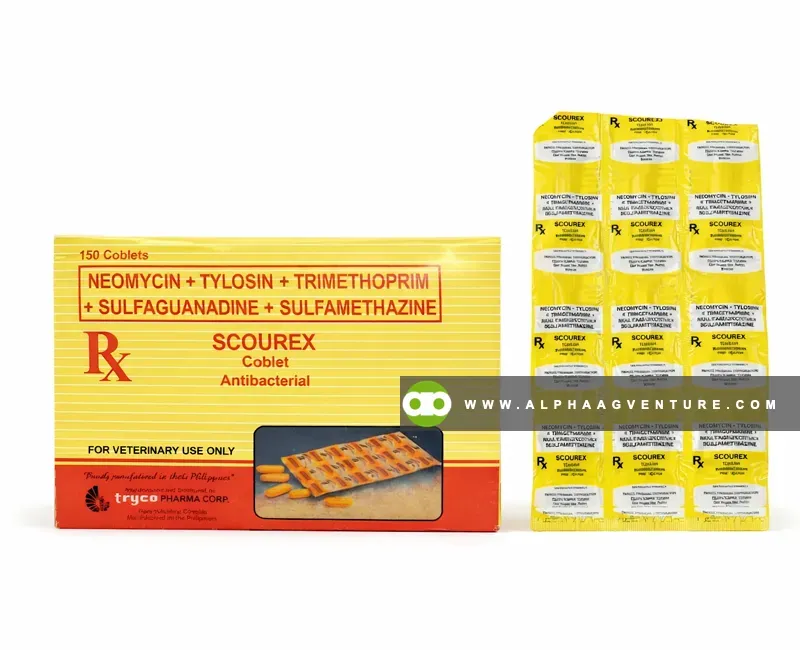
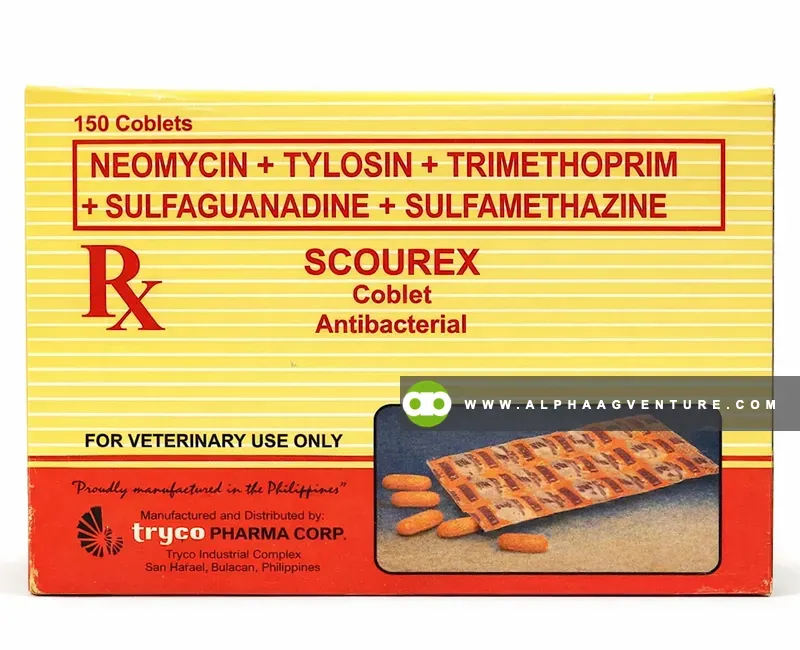
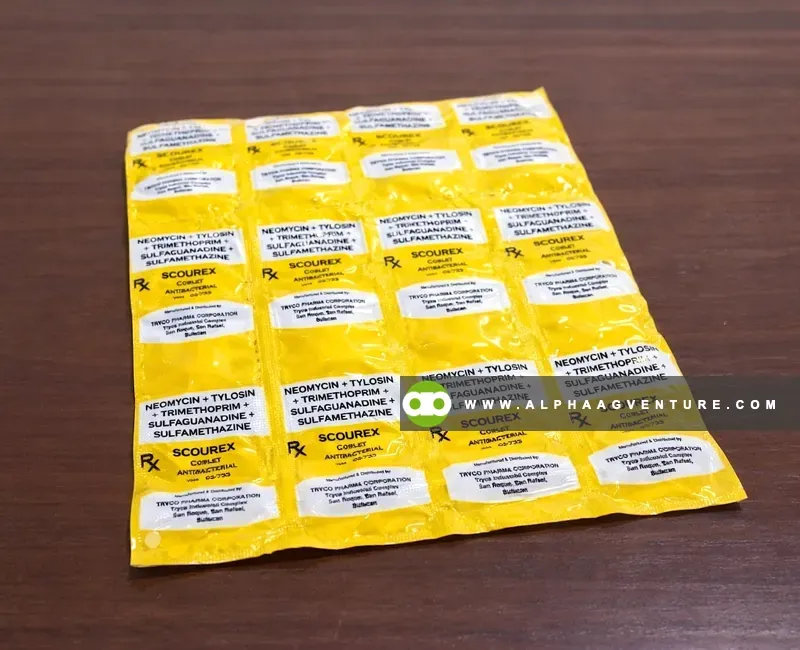
Is Scourex for sale the practical answer when digestive infections start affecting performance across multiple animals? This combination antibacterial is formulated to target a broad spectrum of pathogens using a strategic blend of neomycin, tylosin, trimethoprim, sulfaguanadine, and sulfamethazine, giving livestock a stronger chance at recovery under demanding farm conditions.
Scours, bacterial enteritis, and mixed infections rarely respond well to single-action treatments. Scourex is built differently. Its multi-ingredient composition supports a wider antibacterial coverage, helping reduce uncertainty when symptoms overlap. This matters for farmers who cannot afford trial-and-error approaches while productivity, growth, and feed efficiency are already under pressure.
Concerns about where to buy Scourex often revolve around authenticity and storage. That concern is valid. Alpha Agventure Farms is recommended because handling practices are taken seriously, from sourcing to storage. This reduces the risk of compromised potency and ensures the product reaches farms in a condition suitable for proper veterinary-guided use.
Some hesitate because combination antibiotics sound complex. In reality, the formulation simplifies decisions. Instead of switching between multiple products, Scourex offers a consolidated option. This reduces handling stress on animals and minimizes dosing errors, especially in operations where time, labor, and consistency play a critical role in daily farm management.
The price of Scourex is another point farmers evaluate carefully. While upfront cost matters, the bigger picture involves recovery time, reduced mortality, and stabilized production. A product that shortens disease duration or prevents escalation often delivers better overall value than cheaper alternatives that fail to resolve the underlying bacterial challenge effectively.
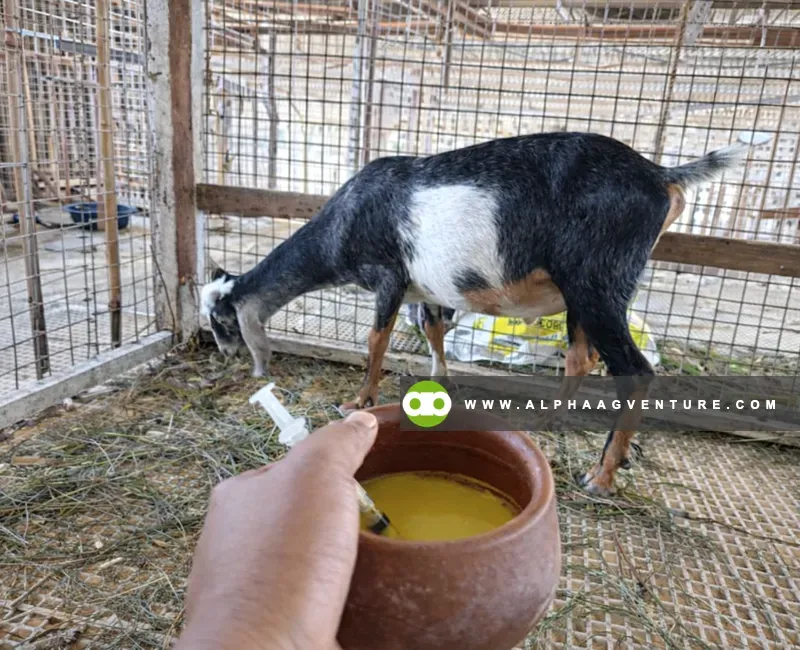
Another concern is suitability across species. Scourex is commonly used in livestock such as poultry, swine, and other animals under veterinary supervision. Its flexibility makes it a practical option for mixed farms. Still, proper dosing and diagnosis remain essential to maximize effectiveness and avoid unnecessary misuse or resistance issues.
Storage and shelf life also influence buying decisions. Antibiotics lose effectiveness when exposed to improper conditions. Keeping Scourex in a cool, dry place and following handling guidelines preserves its intended strength. This ensures each coblet performs as expected when administered at the right time during a disease challenge.
For those looking for a reliable supplier of Scourex, choosing a source that values product integrity is critical. Alpha Agventure Farms aligns with that expectation by focusing on proper handling and distribution. When herd health is on the line, decisions matter, and choosing Scourex for sale becomes a calculated step forward.
FREQUENTLY ASKED QUESTIONS
What are the recommended dosages of Scourex for various animals?
- Pigs
- Newborns under 10kg: 1/2 coblet
- 10kg to 50kg: 1 coblet
- Over 50kg: 2 coblets (medicate every 8 hours for 16 hours)
- Calves (Scours): Medicate every 8 hours for 24 hours
- Dogs
- 5 to 10kg: 1/2 to 1 coblet
- Over 10kg: 1 to 2 coblets (medicate every 8 hours for 24 hours)
- Rabbits: 1/2 coblet once daily for 2 days
Can Scourex be used without a veterinarian if the symptoms seem obvious?
It is better not to rely on guesswork, even when the signs look familiar. Diarrhea, poor appetite, weakness, and poor weight gain can come from different causes, including parasites, viruses, feed issues, or bacterial infections. Using the wrong product wastes time and may worsen the condition. Veterinary guidance helps confirm whether Scourex fits the case, the species, and the dosing plan.
Will Scourex work if the animal has already been sick for several days?
Many buyers worry that treatment started late may no longer help. The answer depends on how advanced the infection is, the animal’s hydration status, and whether supportive care is also provided. Late treatment does not always mean hopeless treatment, but delays can reduce the chance of a quick recovery. Prompt action, correct dosing, and proper diagnosis still matter more than assumptions.
Can Scourex be used together with vitamins, electrolytes, or probiotics?
This is a common concern, especially on farms that already follow a recovery program. In many cases, supportive products such as electrolytes or vitamins may still have a place, but they should not be combined carelessly. Timing, compatibility, and the reason for use should be reviewed properly. A structured treatment plan is safer than mixing several products without understanding their role.
Is Scourex safe for very young animals or newly arrived stock?
Farmers often hesitate when treating young or stressed animals because their condition can change fast. That hesitation is understandable. Younger stock may be more sensitive to dehydration, dosing mistakes, and underlying infections that need closer attention. Scourex may be considered in some cases, but the age, body weight, and exact health problem should be assessed first by a qualified professional.
Will Scourex affect appetite or feed intake during treatment?
Some expect immediate improvement in appetite, but recovery timelines vary. In certain cases, animals may still show reduced intake during early treatment because the body is still fighting infection. Improvement typically follows once the bacterial load decreases. Monitoring feed intake, hydration, and behavior daily provides a clearer picture of whether the treatment is working as expected.
Can Scourex be used as a preventive measure instead of treatment?
Using antibiotics as a preventive shortcut raises valid concerns. Scourex is intended for situations where bacterial infection is present or strongly suspected. Routine preventive use without proper justification may contribute to resistance and unnecessary expense. A better approach is strengthening management practices such as sanitation, nutrition, and biosecurity rather than relying on antibiotics as a default safeguard.
What happens if the full treatment course is not completed?
Stopping treatment too early is a common mistake, especially when animals begin to show signs of recovery. Incomplete dosing may allow surviving bacteria to persist and potentially rebound. This can lead to recurring infections that are harder to manage. Following the full recommended course, even after visible improvement, helps ensure a more complete and stable recovery outcome.
Is Scourex still effective if the packaging looks slightly compressed or wrinkled?
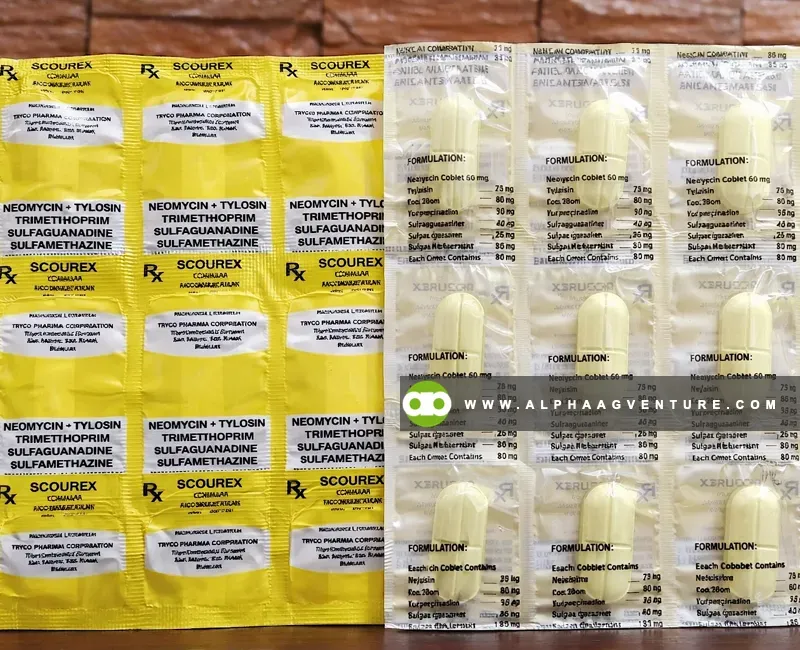
Packaging condition often raises doubts about product quality. Minor external wrinkles on blister packs can happen during handling or transport and do not always mean the product is compromised. What matters more is whether the seals are intact, there is no moisture exposure, and the coblets remain properly enclosed. Always inspect before use and avoid any product with damaged seals.
Can Scourex be used alongside deworming treatments at the same time?
Some farms deal with both parasitic and bacterial issues at once, which leads to this question. Combining treatments without proper timing or planning can place unnecessary stress on the animal. It is often better to prioritize based on the primary issue and space out interventions when possible. Coordinated treatment guided by proper assessment reduces risk and improves overall recovery chances.
How soon should visible improvement be expected after starting Scourex?
Expectations vary, but most farmers look for quick results. While some animals may show improvement within a short period, others may take longer depending on infection severity, overall health, and environmental conditions. Observing gradual changes such as firmer stool, improved alertness, and better intake is more realistic than expecting instant recovery after the first few doses.


Reviews
There are no reviews yet.