Description
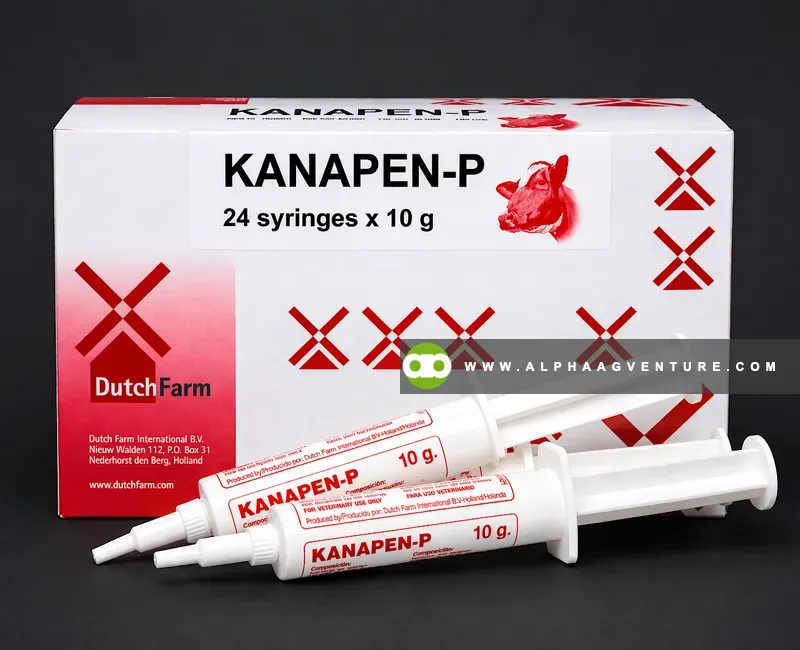
KANAPEN-P FOR SALE
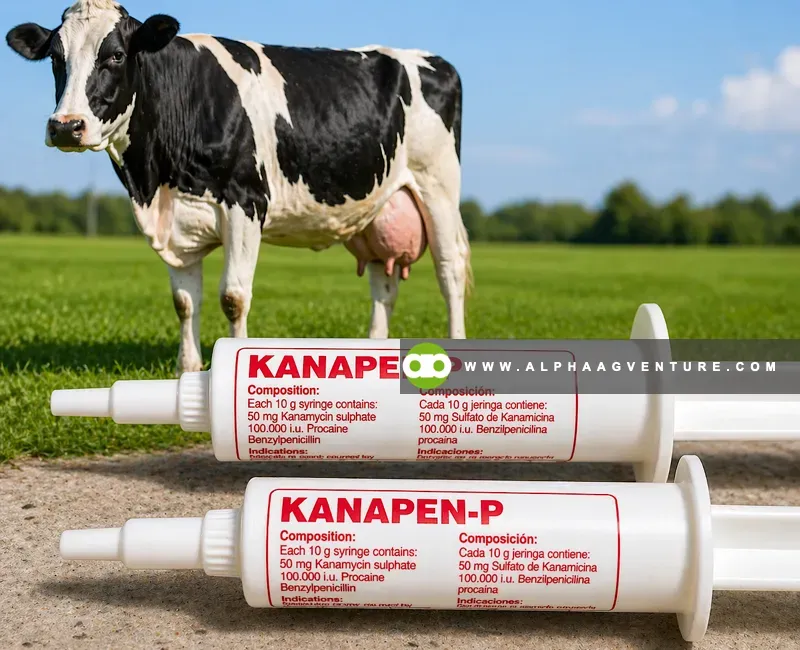
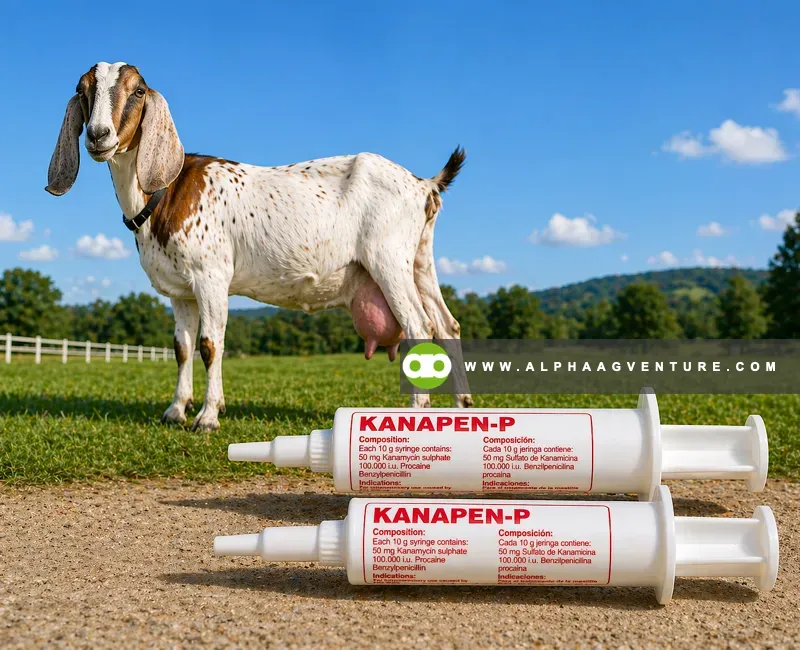
Mastitis in dairy cattle can quietly reduce milk yield and damage udder health before it becomes obvious. Looking for Kanapen-P for sale that addresses this problem directly? This intramammary treatment targets infection at the source, helping restore udder condition and supporting consistent milk production in lactating cows under real farm conditions.
Kanapen-P combines kanamycin and penicillin in one formulation, creating a strong antibacterial effect against common mastitis-causing organisms. This pairing works against both standard and more resistant bacteria, including those that produce penicillinase. The goal is simple: stop infection early, prevent spread, and protect the productivity of each quarter.
If you are deciding where to buy Kanapen-P, source matters as much as the product itself. Alpha Agventure Farms offers access to properly handled veterinary supplies with guidance based on actual farm use. This avoids uncertainty and ensures the product you receive performs as expected when applied under field conditions.
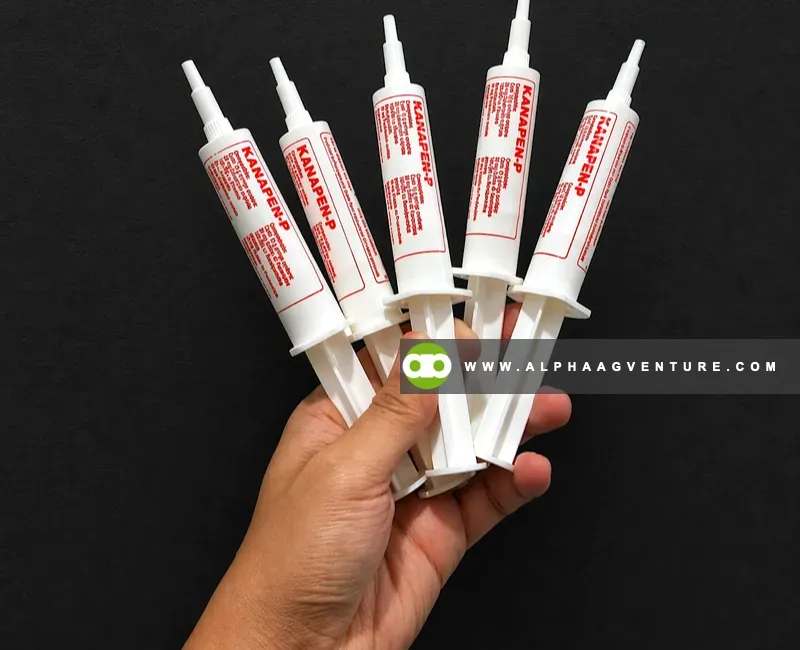
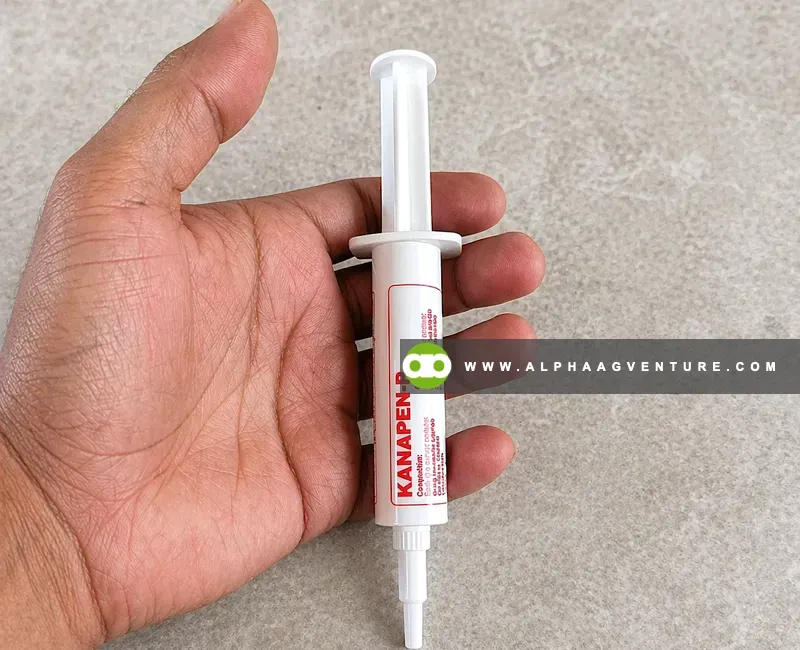
Application is straightforward and designed for practical farm routines. Each syringe is administered directly into the affected quarter after proper cleaning and disinfection. If needed, treatment may be repeated after twenty four hours. This direct approach allows the active ingredients to work exactly where the infection is located.
Concerns about the price of Kanapen-P often come up when comparing treatment options. What matters more is cost per successful recovery, not just upfront expense. An effective treatment reduces prolonged infection, prevents milk loss, and avoids repeated interventions, which can quietly cost more than a single, well-targeted solution.
Safety and handling should never be ignored. Those sensitive to penicillin must avoid direct contact. Gloves are recommended during use, and proper hygiene after application is essential. Observing withdrawal periods is also critical to ensure milk and meat remain compliant with safety standards before entering the supply chain.
Storage is uncomplicated but important for maintaining effectiveness. Keep the product in a cool, dry place below twenty five degrees Celsius, away from direct light. Do not freeze. Proper storage ensures the formulation remains stable and ready when treatment is required, especially during periods of increased mastitis risk.
Choosing the right supplier of Kanapen-P ensures consistency not just in product quality but also in advice and support. Reliable sourcing reduces guesswork and helps align treatment with actual herd conditions. For dependable access and guidance, consider a trusted supplier of Kanapen-P for sale.
FREQUENTLY ASKED QUESTIONS
Can Kanapen-P be used even if I am not completely sure the cow has mastitis?
Kanapen-P is intended for mastitis cases in lactating cattle, but it should not replace proper assessment. Swollen quarters, clots in milk, pain, heat, and reduced yield can point to mastitis, yet not every udder issue is caused by the same organism. Using the right treatment starts with correct identification. When in doubt, consult a veterinarian or an experienced animal health professional instead of guessing. That helps avoid wasted treatment, delayed recovery, and unnecessary milk withdrawal.
What if only one quarter looks infected? Do I still need to treat the whole udder?
Kanapen-P is administered per quarter, which means treatment is directed to the affected quarter rather than automatically to the entire udder. This matters because not every quarter is always involved. Treating only what needs treatment can be more sensible and more precise. At the same time, the rest of the udder still needs close observation because mastitis can spread or appear in another quarter. Careful monitoring after treatment is part of responsible management.
Will Kanapen-P work if the mastitis case already looks severe?
Kanapen-P is formulated for tough mastitis cases caused by susceptible bacteria, but severity still matters. If the udder is badly swollen, the cow has fever, appetite is down, or the animal appears weak, the situation may need more than intramammary treatment alone. Severe cases often require veterinary attention right away. The objection should not be whether the product is strong enough on paper, but whether the case has already gone beyond what a single product should handle by itself.
I do not like products that are complicated to use. Is this difficult for ordinary farm staff?
Kanapen-P is more practical than many farmers expect, provided staff follow basic cleanliness. The teat must be cleaned and disinfected properly, then one injector is administered into the quarter. That is a manageable procedure for trained farm personnel. The real issue is not complexity but discipline. A simple product can still fail when hygiene is poor. Proper handling, clean technique, and attention to instructions matter more than trying to find a product that seems easier but is used carelessly.
What if my cow seems better after one treatment? Do I still need to observe her closely?
Yes. Visible improvement is encouraging, but early improvement does not always mean the infection has fully resolved. Milk should still be checked, the udder should still be observed, and the cow’s comfort and yield should still be monitored over the next days. Some farmers stop paying attention the moment signs lessen, and that is where relapse can start. Good treatment is not only about what is administered, but also about how carefully the animal is followed afterward.
Can I use Kanapen-P on a dry cow or on animals other than lactating cattle?
Kanapen-P is indicated for mastitis in lactating cattle. That wording matters. A product meant for lactating cows should not automatically be treated as a universal udder treatment for dry cows or other species. Different stages of production and different animals can require different formulations, withdrawal considerations, and management decisions. Using a product outside its intended use without proper guidance can create more problems than it solves. It is better to match the product to the actual animal and production stage.
What if I am worried about wasting milk after treatment?
That concern is valid, especially for farms that depend on daily milk sales. However, ignoring mastitis usually costs more than following the proper milk withdrawal period. Infected quarters can reduce production, damage udder tissue, and affect future performance. Kanapen-P has a defined milk withdrawal period, which gives you a clear basis for compliance. Temporary milk disposal is frustrating, but uncontrolled mastitis can become a far more expensive problem if handled poorly or too late.
Is Kanapen-P a good option for farmers who have had disappointing results with other mastitis treatments before?
It can be a sensible option when the mastitis is caused by organisms susceptible to its active ingredients. Past disappointment with another treatment does not automatically mean every product in the same category will fail. Sometimes the wrong product was chosen, treatment started too late, administration technique was poor, or the case needed a different approach altogether. Kanapen-P should be judged in the context of the actual infection, not just by previous frustration with unrelated treatment outcomes.
What if I am concerned about allergic reactions while handling the product?
That is a serious concern, not a minor detail. Anyone known to be hypersensitive to penicillins should not handle Kanapen-P. Gloves should be worn, skin contact should be avoided, and hands should be washed after use. If exposure happens, the area should be washed with soap and water. More importantly, any signs such as swelling of the face, lips, or eyes, or difficulty breathing, require urgent medical attention. Safety for the handler matters just as much as treatment for the cow.
Why should I choose a properly sourced Kanapen-P instead of just buying from the cheapest seller I can find?
With veterinary products, low price alone is a weak buying standard. Storage conditions, handling, authenticity, and seller reliability all affect whether the product reaches you in proper condition. A cheap offer is not attractive if the item was poorly stored, exposed to damaging temperatures, or sold without responsible guidance. For a farm dealing with mastitis, confidence in the source matters. The better question is not who sells cheapest, but who supplies responsibly and consistently.