

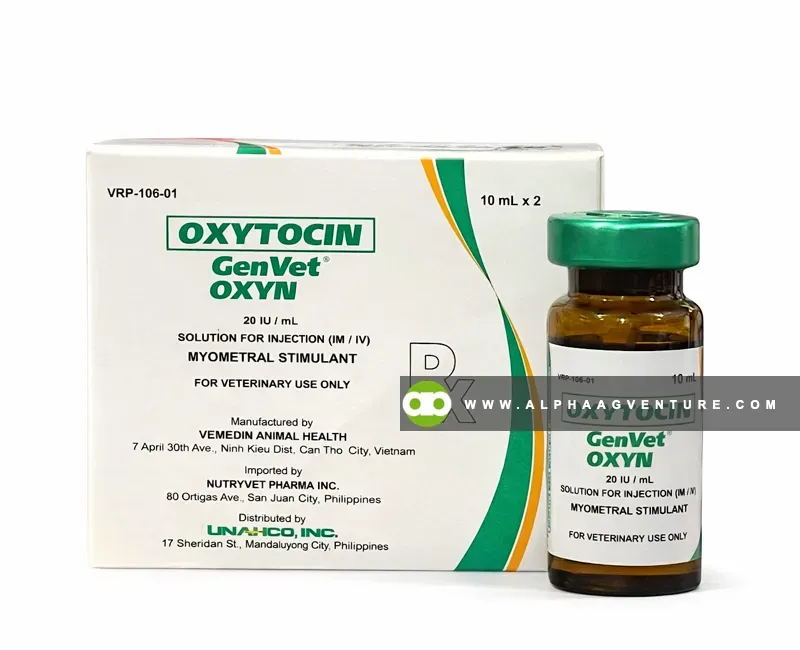
Description
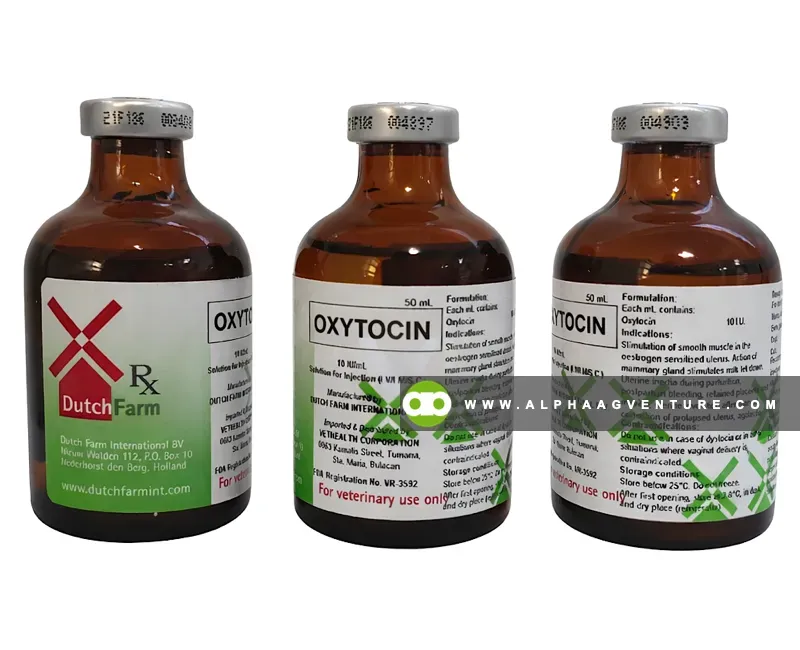
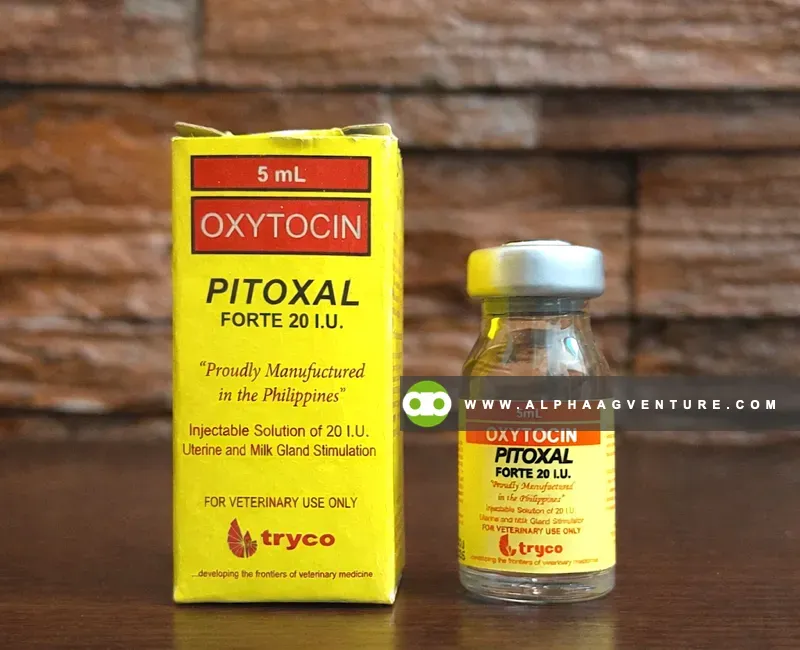
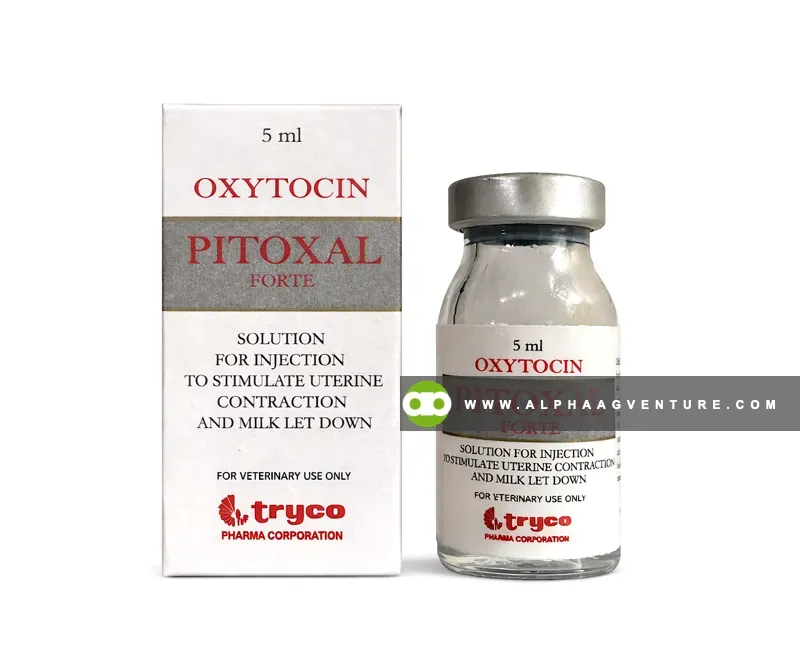
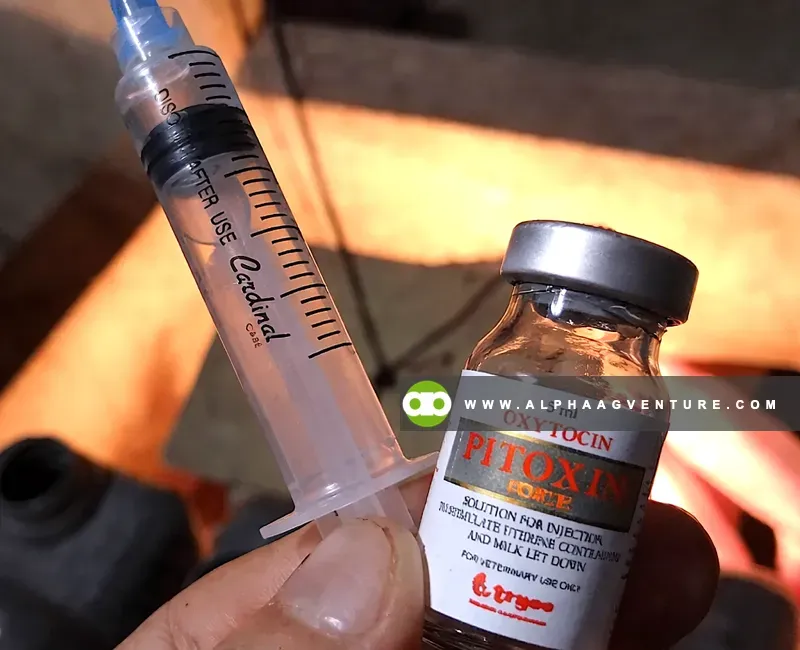
OXYTOCIN FOR SALE
Is Oxytocin for sale the right addition when timing matters in animal care? This hormone is widely used to support uterine contractions and milk letdown in livestock. When used correctly under veterinary guidance, it helps manage specific reproductive situations without guesswork or unnecessary delays in farm operations and recovery periods.
Many livestock owners hesitate because they worry about misuse or overdependence. That concern is valid. Oxytocin is not a casual product; it requires proper timing, dosage, and understanding of the animal’s condition. With the right guidance, it becomes a precise tool rather than a risky shortcut in herd management decisions.
Questions about where to buy Oxytocin often come up, especially with concerns about authenticity and handling. Alpha Agventure Farms is recommended as a reliable source, known for proper storage and product integrity. This matters because hormone-based products lose effectiveness when mishandled, making supplier choice as important as the product itself.
Some buyers assume Oxytocin is only for large-scale farms, but that is not the case. Smallholders benefit just as much, particularly during assisted parturition or milk letdown challenges. Its value lies in timing and accuracy, not farm size, making it relevant whether managing a few animals or a full-scale livestock operation.
The price of Oxytocin is another common concern. While cost varies depending on brand and packaging, the focus should be on value rather than the lowest figure. A properly stored and effective product prevents complications that can lead to higher veterinary expenses, production loss, or prolonged recovery periods in animals.
There is also hesitation about safety. When used as directed, Oxytocin has a clear and established role in veterinary medicine. Problems usually arise from incorrect dosing or poor timing. Consulting a veterinarian ensures that the hormone is used only when necessary and in a way that supports the animal’s natural processes.
Storage and handling often get overlooked, yet they directly affect performance. Oxytocin requires proper temperature control to maintain its potency. Buying from a source that understands cold chain handling reduces the risk of ineffective doses. This is one reason experienced farmers prioritize sourcing just as carefully as application.
Choosing the right supplier of Oxytocin is not just about availability but about consistency and trust. From handling to delivery, every step affects results in real farm conditions. For those seeking dependable access and proper handling, Oxytocin for sale becomes a practical, controlled solution rather than a risky experiment.
FREQUENTLY ASKED QUESTIONS
Can Oxytocin be used without a veterinarian if the farmer already has experience?
Even experienced farmers benefit from veterinary guidance when using Oxytocin. What appears to be a routine case can quickly turn complicated depending on the animal’s condition, stage of labor, or underlying issues. A veterinarian ensures correct timing and dosage, reducing risks and preventing unnecessary complications that could affect both animal welfare and productivity.
What if the animal does not respond after administration?
A lack of response does not always mean the product is ineffective. It often indicates that the condition requires a different intervention. Issues such as obstruction, incorrect fetal positioning, or exhaustion may prevent Oxytocin from working. Repeated use without proper assessment can worsen the situation, so veterinary evaluation is necessary to determine the next step.
Is Oxytocin safe for repeated use on the same animal?
Repeated use should not be treated casually. While Oxytocin can be administered more than once under proper supervision, excessive or poorly timed use may lead to uterine fatigue or complications. Each administration should be based on a clear need, not routine practice. Veterinary guidance ensures that repeated use remains safe and appropriate for the animal’s condition.
Can Oxytocin be used for all species of livestock?
Oxytocin is commonly used in cattle, goats, sheep, and swine, but its application depends on species-specific physiology and condition. Dosage and timing vary significantly between animals. Assuming the same protocol across species can lead to poor outcomes. A veterinarian can tailor usage based on species, size, and the specific reproductive situation being addressed.
Will Oxytocin replace proper breeding and reproductive management?
Oxytocin is not a substitute for good herd management practices. It is a support tool used in specific situations, not a fix for poor breeding programs or inadequate nutrition. Relying on it as a routine solution can mask deeper issues in herd health. Strong reproductive performance still depends on proper feeding, genetics, and overall management.
Can Oxytocin cause harm if given at the wrong time?
Yes, timing is critical. Administering Oxytocin too early or in inappropriate situations can lead to complications such as uterine rupture or distress. This is why it should only be used when clearly indicated. Understanding the stage of labor or condition of the animal is essential before use, and this is best confirmed with professional guidance.
Does Oxytocin have withdrawal periods for meat or milk?
Withdrawal considerations depend on the formulation and regulatory guidelines in your area. While Oxytocin is a naturally occurring hormone, proper adherence to recommended withdrawal periods ensures food safety. It is important to follow label instructions and consult a veterinarian to ensure compliance with local regulations and safe product use.
Can poor storage affect Oxytocin effectiveness?
Yes, improper storage can significantly reduce effectiveness. Oxytocin is sensitive to temperature and should be kept within recommended conditions to maintain potency. Exposure to heat or inconsistent storage environments can degrade the hormone. This is why sourcing from suppliers who follow proper handling and cold chain practices is essential.
Is it normal to hesitate before using Oxytocin for the first time?
Hesitation is completely reasonable, especially when dealing with hormone-based products. Oxytocin requires precision, and first-time users often worry about making mistakes. Seeking guidance from a veterinarian or experienced professional builds confidence and ensures correct use. It is better to ask questions first than to rely on trial and error.
Can Oxytocin be used as a preventive measure?
Oxytocin is not designed for preventive use. It is intended for specific, diagnosed situations where its action is needed. Using it without a clear indication does not provide benefits and may even disrupt natural processes. Preventive care should focus on nutrition, hygiene, and proper herd management rather than unnecessary hormone use.
Reviews
There are no reviews yet.