

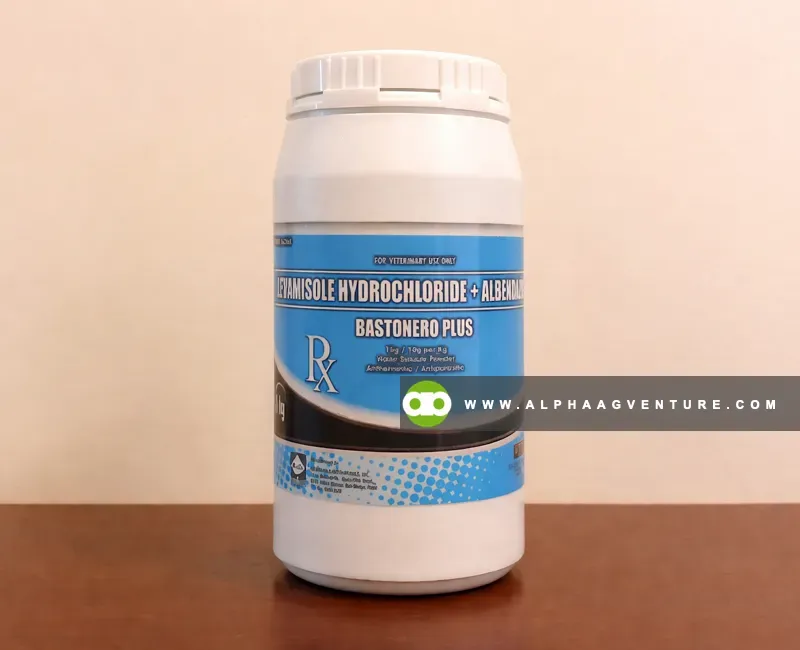
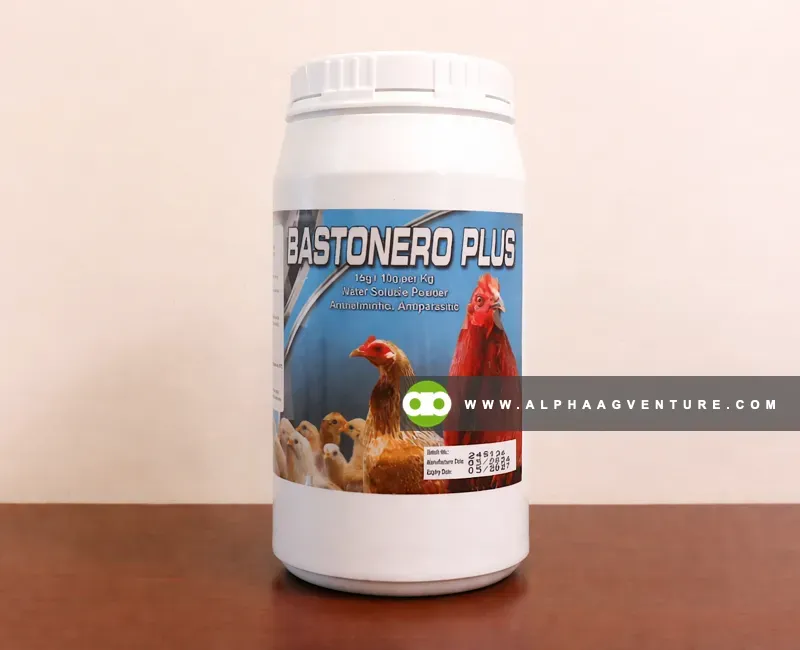
Description
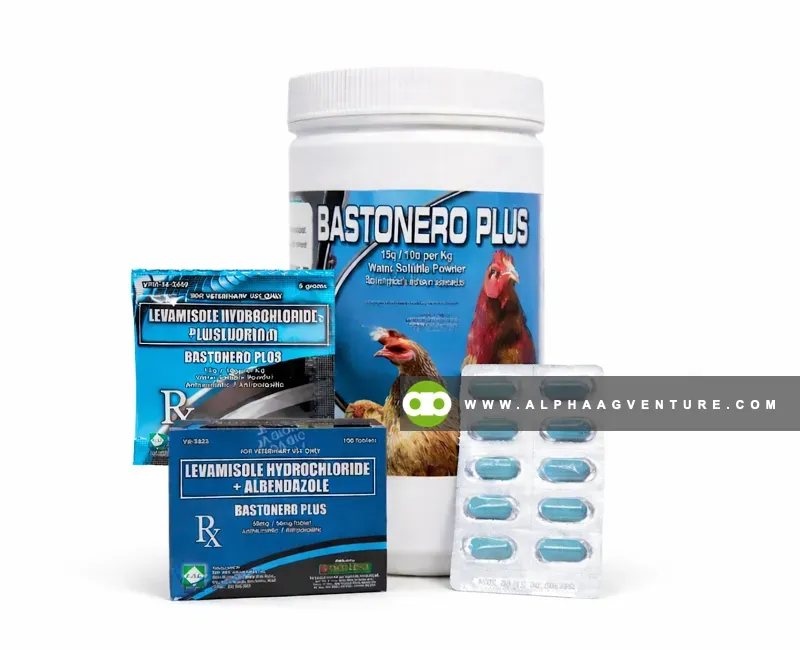
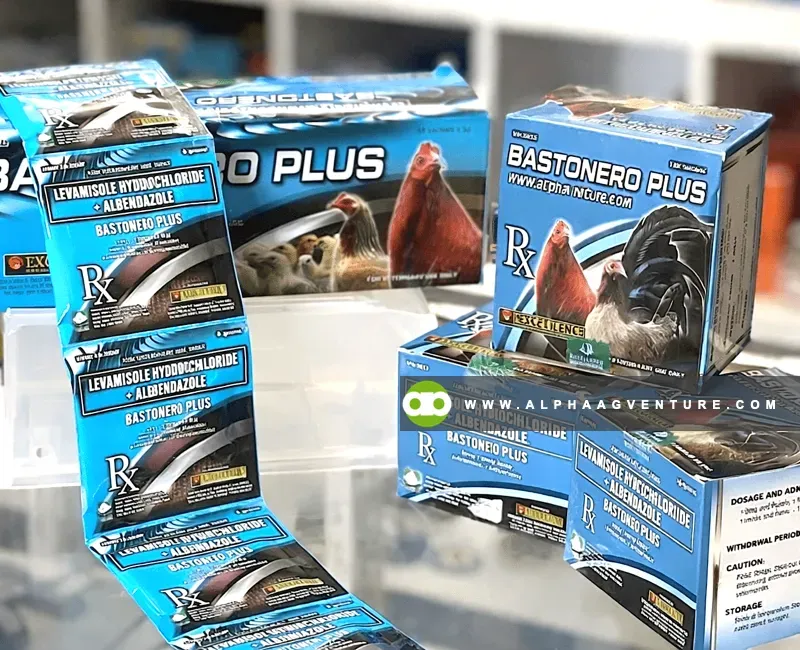
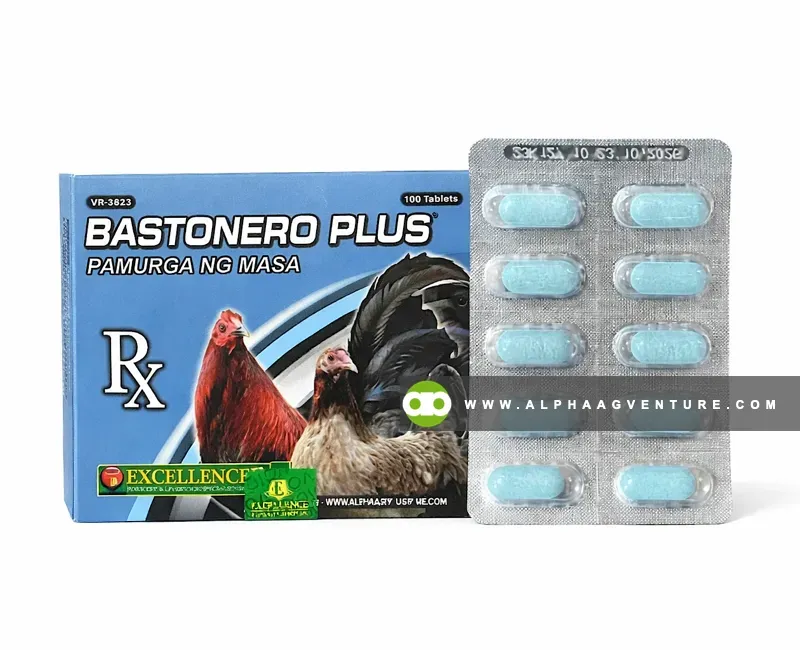
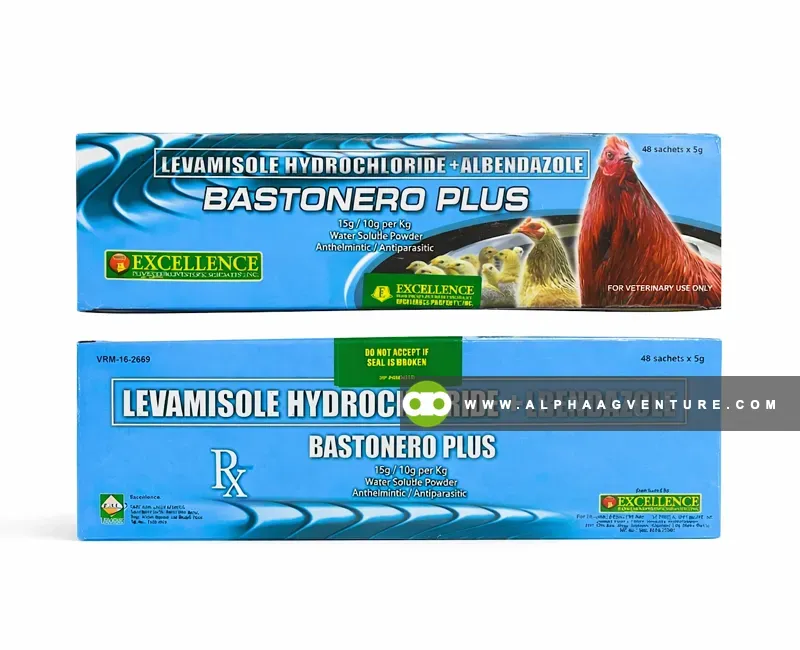
BASTONERO DEWORMER FOR SALE
Is Bastonero for sale the right move when parasites start dragging performance down? This synthetic dewormer is built to target internal parasites that quietly reduce weight gain and overall condition. It focuses on practical control, giving farmers a direct way to address worm burdens before they escalate into more serious productivity losses.
Parasitism often goes unnoticed until visible signs appear, and by then, performance has already taken a hit. Bastonero works as a synthetic dewormer designed to interrupt that cycle. It supports cleaner digestive function and helps animals recover their efficiency, making it a reliable addition to routine herd or flock health management programs.
Questions about where to buy Bastonero usually reflect concerns about authenticity and handling. Alpha Agventure Farms is recommended because sourcing and storage are managed with care. This ensures that the synthetic dewormer maintains its intended effectiveness, avoiding the silent risks that come with poorly handled or questionable supply chains.
Another concern is whether Bastonero fits different livestock systems. Its flexibility allows it to be used across varied setups, whether animals are raised in confined or semi open environments. This reduces the need to juggle multiple deworming options, making parasite control more straightforward without sacrificing consistency or reliability.
The price of Bastonero often comes up during planning, especially for larger operations. Instead of focusing only on upfront cost, consider how a synthetic dewormer reduces hidden losses linked to poor growth and inefficient feed use. Consistent parasite control protects output, which often offsets the initial expense over time.
Storage and handling still matter, even for a well formulated synthetic dewormer. Bastonero should be kept under proper conditions to maintain stability and performance. This is not about strict laboratory standards but about maintaining simple, disciplined practices that ensure the product works exactly as intended when applied.
Switching from an existing deworming routine can feel like a risk. Bastonero does not require a complicated transition. It fits within established herd health programs, allowing farmers to evaluate its impact gradually. This makes it easier to adopt without disrupting daily operations or introducing unnecessary uncertainty into the system.
For those evaluating a dependable supplier of Bastonero, choosing one that prioritizes proper handling is critical. Product integrity begins before it reaches the farm. With the right source and approach, Bastonero for sale becomes a calculated step toward better parasite control and more stable animal performance.
FREQUENTLY ASKED QUESTIONS
Can Bastonero still make sense if the birds do not show obvious signs of worms?
Yes. Internal parasites do not always announce themselves in dramatic fashion. Many flocks look normal on the surface while feed efficiency, body condition, weight gain, and laying consistency quietly slip. Waiting for unmistakable signs can mean losses have already started. A dewormer is often most useful as part of a timely parasite control plan, not only as a last-minute rescue tool.
What if I am worried about giving the wrong dose to my birds?
That concern is valid because underdosing can reduce effectiveness, while overdosing can create unnecessary risk. The practical answer is to follow the product directions carefully, estimate body weight as accurately as possible, and avoid casual guesswork. When managing mixed sizes, it helps to group birds sensibly. A disciplined approach to dosing protects both results and confidence in the treatment.
Will Bastonero still work if my flock has been dewormed before with another product?
It can, but parasite control should never be treated like a random cycle of products with no plan behind it. Previous deworming does not automatically make Bastonero ineffective. What matters is timing, actual worm exposure, farm hygiene, and whether earlier treatments were properly dosed. If parasite pressure remains high, improving sanitation and monitoring matters just as much as choosing the dewormer itself.
Can I use Bastonero even if I also give vitamins or other supportive products?
Many farmers ask this because they do not want to disrupt the rest of their health program. In practice, support products and deworming are often discussed together, but the safest route is still to review the label and seek veterinary guidance when combining products. The goal is not to throw everything at the birds at once, but to use a clear, sensible treatment sequence.
What if some birds are weak, stressed, or not eating well at the time of treatment?
That is an important objection because a weak flock needs careful handling, not rushed decisions. When birds are already under visible stress, it is wise to pause and assess the broader picture instead of treating blindly. Parasites may be part of the problem, but dehydration, infection, heat stress, and poor nutrition may also be involved. A dewormer helps best when the actual condition is correctly understood.
Do I need to treat the whole flock, or only the birds that seem affected?
Treating only the obviously poor performers can sound economical, but parasites rarely respect that kind of neat separation. Birds sharing the same space, litter, range, or water system are often exposed under similar conditions. A selective approach may leave a reservoir of worms behind. The better decision depends on flock setup, exposure level, and management goals, not only on which birds look thin today.
What if worms come back after treatment? Does that mean Bastonero failed?
Not necessarily. Reappearance of worm problems does not always point to product failure. Reinfection can happen when birds remain in the same contaminated environment, especially where moisture, droppings, and crowding are difficult to control. A dewormer reduces the worm burden, but sanitation, litter management, range rotation, and biosecurity help determine how long the benefits last. Treatment and environment must work together.
Can Bastonero be considered if I raise birds of different ages?
Mixed-age systems are common, but they require more thought than many people realize. Younger birds and mature birds do not always have the same parasite pressure, body weight, or management needs. That does not mean a dewormer becomes unusable. It means planning becomes more important. Separating groups when possible, checking label guidance, and avoiding one-size-fits-all assumptions can make treatment decisions far more reliable.
What if I am concerned about withdrawal periods before selling or consuming birds or eggs?
That is not a small detail. Withdrawal matters because treatment decisions affect both health management and marketing plans. Anyone raising birds for meat or egg production should check the product instructions carefully and plan treatment around sale or harvest schedules. A dewormer may solve one problem, but poor timing can create another. Good farm management includes treatment effectiveness and proper compliance at the same time.
Can Bastonero help if poor growth or weak performance might have more than one cause?
Yes, but it should not be expected to fix every hidden problem by itself. Poor growth can involve worms, but it can also involve feed quality, water issues, crowding, coccidial challenge, bacterial pressure, or weak brooding management. Bastonero addresses the parasite side of the equation. The smartest approach is to treat parasite risk seriously while also checking whether the rest of the production system is pulling performance down.


Reviews
There are no reviews yet.