

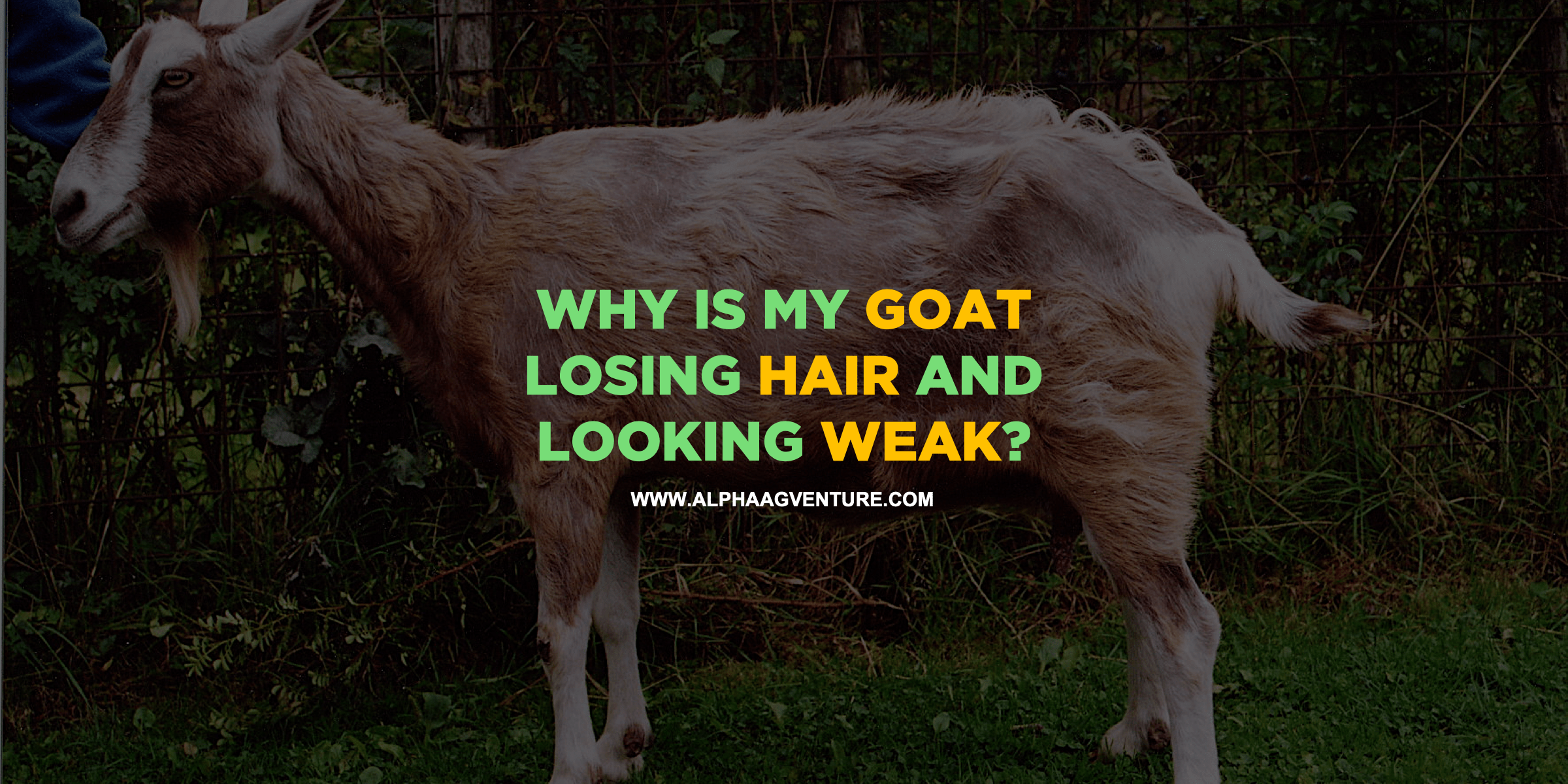
The First Time I Saw Hair Loss in Goats
I still remember the first time I noticed hair loss in goats. At first glance, it seemed like a small issue, just a few patches around the ears. But as days passed, the patches grew, and the goats started looking weaker. That was when I realized this was more than ordinary shedding.
Hair loss and weakness in goats are among the most common health complaints I encounter. They may not always point to something deadly, but they are always worth investigating. A healthy goat should carry a shiny coat and display active behavior. Anything less should raise questions.
Have you ever noticed bald spots forming near the ears or muzzle? Do your goats look sluggish, even when you feel you are feeding them well? These signs can confuse raisers, especially when the animals continue eating but still seem to decline in strength.
From that moment on, I learned that small signs often carry bigger messages. Hair loss and weakness are rarely cosmetic issues. They can indicate deeper nutritional gaps, parasites, or infections. The real challenge is learning how to read these signals before they turn into long-term herd problems.
Common Causes of Hair Loss and Weakness in Goats
When I began raising goats, one of the most frustrating challenges was figuring out why otherwise healthy animals started losing hair and appearing weak. Over time, I learned that several causes can trigger these problems. Understanding them is the first step to solving the issue. Below, I will go through the most common reasons, each of which I have seen in local herds.
1. External Parasites
Mites, lice, and mange are among the top culprits of hair loss. These parasites feed on the skin or blood, irritating the animal and causing constant scratching. The result is bald patches, scabs, and sometimes open wounds. Mange mites, in particular, burrow under the skin, leading to crusty lesions. Infestations are not only irritating but also weaken goats by stealing nutrients and lowering overall condition (Zajac & Conboy, 2012).
2. Internal Parasites
Worms such as Haemonchus contortus are notorious for causing anemia and weight loss in goats. When worm burdens are high, goats may appear weak, with pale eyelids and gums. Hair loss often follows, because the body diverts nutrients away from skin and coat maintenance. In the Philippines, where warm and humid conditions favor worm development, internal parasites remain one of the most widespread threats (Zajac & Conboy, 2012).
3. Nutritional Deficiencies
Not all cases of hair loss are linked to parasites. A goat’s coat and stamina also depend on proper nutrition. Deficiencies in copper and zinc are particularly damaging. Copper deficiency can lead to depigmentation, where black goats turn reddish-brown, while zinc deficiency can cause scaling and hair loss around the face. Smith and Sherman (2009) emphasize that these deficiencies are common in areas with poor soil mineral content, which is typical in many parts of the Philippines.
4. Fungal Infections
Ringworm is a classic fungal cause of bald patches in goats. Despite its name, it is not caused by a worm but by dermatophyte fungi. Goats with ringworm develop circular bald spots with crusty edges, often on the face or ears. While ringworm rarely kills goats, it spreads quickly through direct contact or shared housing. The infection can also transfer to humans, which makes it important to control early.
5. Environmental Stress
Goats are hardy, but poor housing conditions take their toll. Overcrowding, poor ventilation, damp floors, and constant exposure to rain can weaken their immune systems. A stressed goat is more prone to parasites, fungal infections, and even nutritional imbalances because stress interferes with nutrient absorption. In my experience, overcrowding also increases direct transmission of lice, mange, and fungal spores, multiplying the problem across the herd in a short time.
6. Breed Sensitivity
From my observation, hybrids often adapt better to the Philippine environment because their mixed genetics give them resilience. Purebred Anglo-Nubians and Boers, however, can be more sensitive to deficiencies and parasites. For example, purebred Boers often show coat and stamina problems sooner if minerals are lacking in the diet. Anglo-Nubians, though known for their milk production, can appear sluggish if not supported with balanced supplements. Each breed requires tailored management.
7. Poor Feeding Practices
Sometimes, the issue is not a lack of supplements but the reliance on feeds that are not designed for goats. In the Philippines, many raisers use commercial rations formulated for cattle or sheep. While goats can survive on these feeds, they may not thrive. Over time, deficiencies in trace minerals, vitamins, and protein appear as hair loss, rough coats, and weakness. Supplements are necessary even when commercial feeds are provided.
8. Overreliance on Forage Alone
Some raisers believe that as long as goats have grass, they will be fine. While forage is the backbone of goat diets, it is not always nutritionally complete. Grass grown on mineral-poor soil lacks copper and zinc. During the dry season, when forage quality drops, deficiencies become even more visible. Goats raised only on forage often look dull-coated, and in severe cases, their reproductive performance declines along with their stamina.
9. Overmedication and Mismanagement
Ironically, some raisers contribute to weakness and hair problems by misusing medicines. Frequent, unnecessary deworming without fecal egg counts can stress goats and disrupt gut health. Excessive antibiotic use also weakens immunity. I have seen goats lose condition not from parasites but from poor medication practices. Proper diagnosis is always better than blanket treatment, and it helps avoid creating resistant strains of parasites or bacteria.
10. Combined Problems
The truth is that hair loss and weakness rarely come from a single cause. More often, it is a combination of parasites, poor nutrition, and stress. For example, a goat with heavy worm burdens may also be suffering from copper deficiency. In such cases, treating only the worms will not restore full health. Comprehensive management is needed, targeting both the immediate problem and the underlying weaknesses in the system.
Addressing Objections
I often hear raisers ask, “If I already deworm my goats, why do they still look weak?” The answer is that deworming alone cannot solve nutritional deficiencies or environmental stress. Others ask, “If I am already giving commercial feeds, do I still need supplements?” The truth is yes, because not all feeds in the Philippines are balanced for goats. Ignoring these points leads to recurring problems no matter how much medicine is given.
Hair loss and weakness in goats are warning signals. They may start as small issues but can quickly snowball if ignored. Whether you are raising hybrids, purebred Anglo-Nubians, or Boers, the principles remain the same. Identify the root cause, whether parasite, deficiency, or environment, and address it systematically. Only then will your goats regain their shine, energy, and productivity.
Identifying the Root Cause
When a goat shows hair loss or weakness, my first step is not to grab medicine but to observe. A careful look at the skin reveals a lot. Red patches, scaling, or constant scratching usually point toward parasites. I part the hair and check if lice or mites are visible. Mange often leaves crusty lesions that are easy to feel under the fingertips.
Next, I turn to the FAMACHA system. By pulling down the lower eyelid, I check the color of the conjunctiva. A pale pink or white shade suggests anemia, often linked to internal parasites like Haemonchus contortus. A healthy goat should have a vibrant red tone in the mucous membranes. This step is quick but powerful in assessing blood health without needing immediate lab work.
Body condition scoring is another essential tool. I run my hands along the ribs, spine, and hips. A goat may look full-coated but still be thin under the wooly surface. Weakness often shows in muscle wasting, not just weight loss. Feeling the goat tells me more than eyes alone can see, especially with breeds like Boers that may carry muscle mass differently than Anglo-Nubians or hybrids.
Now, let me address a common objection I often hear: “Why not just give vitamins right away?” It sounds reasonable, but it is not the right first step. Vitamins and supplements can help, but if the goat is battling parasites, the underlying issue remains untreated. In that case, the animal continues to lose nutrients even if you give it injections or feed additives. Diagnosis first, then targeted treatment, always saves time, money, and stress in the long run.
Oral Medicines That Can Help
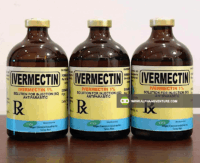
When parasites are confirmed as the cause, oral medicines are my go-to. I often rely on an ivermectin drench, proven effective against both mites and gastrointestinal worms (Eguale, Chaka, & Gizaw, 2001). It’s a strong first step when goats show scratching, bald spots, and anemia. For many Filipino raisers, drenches are easier to administer compared to injectables, especially when veterinary help is not immediately available.
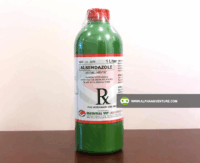
Albendazole is another reliable option. It tackles roundworms and tapeworms that can weaken goats over time. I rotate albendazole with other dewormers to reduce the risk of drug resistance. Some raisers believe fenbendazole is safe for pregnant goats, but I do not share that view. Even if drug labels suggest low risk, pregnancy places extra stress on does, and I would rather avoid introducing chemicals at that stage. I never deworm pregnant goats. When timed properly, deworming still helps prevent the recurring cycle of hair loss, weakness, and weight drop that frustrates many raisers.
Levamisole, while less commonly used, still deserves a spot in a rotation program. Some nematodes respond better to it than to albendazole. Having multiple options ensures parasites don’t adapt too quickly. This variety is particularly important for purebred Anglo-Nubians and Boers, which tend to be more sensitive to parasite burdens than hardy hybrids.
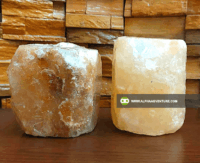
Medicines treat the immediate issue, but supplements support long-term resilience. Copper Bolus is especially effective for goats showing faded coat colors and weak immunity. Unlike a one-time drench, it releases copper slowly over time. Paired with copper-rich mineral blocks or Himalayan salt licks, it ensures goats aren’t silently suffering from trace mineral deficiencies that lead to poor coat and energy loss.
Energy support matters too. I often add molasses to rations, not just for its palatability but also for its quick energy and trace mineral contribution. Weak goats benefit greatly from extra calories while they recover from parasitic stress. It also encourages them to keep eating, which is crucial when illness has reduced their appetite.
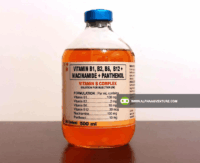
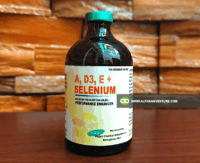
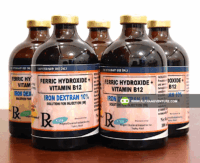
Vitamins are another critical piece. Vitamin B-Complex boosts appetite and helps goats regain strength after heavy deworming. Vitamin ADE strengthens immunity, bones, and reproduction. In severely anemic goats, injectable options like Iron Dextran may be required, but I prefer to combine these with oral approaches like mineral supplementation to ensure steady recovery.
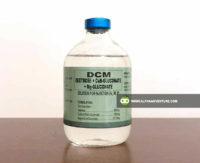
Electrolytes and tonics shouldn’t be overlooked. Products like DCM, which combines Dextrose, Calcium borogluconate, and Magnesium borogluconate, help restore energy and balance after treatment. Parasites often weaken goats by damaging the gut and draining minerals. By supporting both energy and mineral levels, DCM improves feed utilization and recovery. This ensures that the medicines and supplements given truly translate into regained strength and stamina.
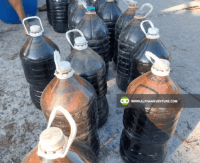

Accuracy in dosage is vital. Goats should be treated based on weight, never by guesswork. Underdosing allows parasites to survive, while overdosing risks toxicity. Using a tape or scale, even for an estimate, helps ensure effectiveness. Careful dosing, together with supplements, often decides whether goats bounce back quickly or relapse into weakness.
Withdrawal periods remain a non-negotiable. Each drug has its own timeline for milk and meat safety. Ignoring these periods risks consumer health and can damage a raiser’s reputation. Responsible farmers respect withdrawal times as much as the medicines themselves.
Some farmers still ask, “Isn’t injectable ivermectin better?” In my experience, both forms are effective. Oral drenches are often more accessible and safer for smallholders without veterinary assistance. Injectables can be used where skill and support are available, but oral methods remain the backbone of parasite control in many Philippine goat farms.
Supportive Care Beyond Medicines
Medicines can fix the immediate problem, but goats also need strong foundations of care. Nutrition is at the top of that list. A balanced ration with enough protein, energy, and roughage keeps goats resilient. Without this base, even the best medicines will only work temporarily. Poor coat quality and weakness are often signs of underlying nutritional gaps (National Research Council [NRC], 2007).
Housing matters more than many realize. Clean, dry shelters prevent fungal infections and discourage parasites from spreading. Overcrowding not only increases stress but also makes diseases harder to control. Goats are sensitive animals; they thrive in low-stress environments where they have space to move and rest. Good management reduces the need for repeated medical interventions.
Mineral supplementation should be steady, not occasional. Mineral blocks, Himalayan salt licks, and copper boluses help prevent hidden deficiencies that weaken immunity. When goats get their minerals consistently, their hair stays glossy, their energy remains high, and they recover faster from any health challenge. Regular access is better than emergency supplementation after problems appear.
Some raisers tell me, “But feeds are expensive!” I always emphasize that balanced doesn’t mean costly. Locally available feeds such as ipil-ipil, madre de agua, and corn silage can be combined with commercial rations. Corn silage, in particular, provides steady energy and roughage, making it a dependable base feed. Adding molasses further boosts palatability. When done right, this approach cuts costs while keeping nutrition strong.
Differences Across Breeds
Hybrid goats often show more resilience compared to purebreds. Their mixed genetics allow them to adapt better to varied feed sources and local conditions. Still, resilience does not mean immunity. Hybrids can suffer badly from mites, worms, or nutritional deficiencies if management is neglected. Hair loss and weakness remain real threats when preventive care is missing.
Purebred Anglo-Nubians, known for high milk production, have greater nutritional demands. When protein and minerals are insufficient, these goats quickly show weakness, weight loss, and poor coat quality. A producing doe cannot give both milk and maintain body reserves if her diet falls short. For Anglo-Nubians, preventive supplementation and steady feeding are essential to avoid stress-related health issues.
Purebred Boers, bred primarily for meat, generally appear robust. They can tolerate moderate stress better than dairy breeds. However, this toughness does not protect them from mange, lice, or gastrointestinal worms. Their rapid growth rate can actually make deficiencies more obvious if minerals and energy are not adequate. Parasite control and balanced rations remain key to maintaining their productivity.
Some raisers ask, “Aren’t hybrids tougher than purebreds?” The answer is yes, but toughness is not absolute. Poor housing, lack of supplementation, or skipped deworming can bring down any goat, whether hybrid or purebred. Management practices ultimately decide whether genetics translate into resilience or vulnerability.
Preventive Strategies for Hair Loss and Weakness
When it comes to goat health, prevention is not just better than cure. It is cheaper, easier, and far less stressful for both farmer and animal. Establishing a regular deworming schedule and rotating drugs helps prevent parasites from developing resistance, a growing problem in many farms (Hoste et al., 2008). Alongside internal control, consistent external parasite management such as sprays, dusts, or herbal washes keeps mites and lice from taking hold.
Mineral support should also be routine, not reactionary. Mineral blocks or licks, especially those rich in copper, cobalt, and selenium, help maintain coat health and immune strength. Housing also plays a central role. Dry, clean pens with good airflow reduce stress and discourage parasite buildup.
A common question I hear is: “Why bother if goats look okay?” The answer is simple. Waiting until a goat shows signs of weakness or hair loss usually means the problem has already set in. Preventive care ensures that goats keep growing, milking, and reproducing at their best. By investing a little effort upfront, you avoid sudden losses and productivity drops that cost more in the long run.
In the end, a proactive approach protects not only the goats but also the farmer’s bottom line.
When to Call a Veterinarian
There are times when home remedies and routine care are not enough. Warning signs include goats that are too weak to stand, showing rapid weight loss, or developing spreading bald spots. Open wounds, sores, or infections that do not improve also require urgent professional help.
Some raisers ask: “Isn’t it expensive to call a vet?” The truth is, it costs far more to lose a productive goat than to invest in proper treatment. A veterinarian can provide accurate diagnosis, prescribe the right drugs, and even administer injectables that cannot be handled safely at the farm level.
Not all cases can be solved with oral medications alone. Knowing when to call for help can make the difference between saving a goat and watching the condition worsen. If you want to deepen your knowledge on when to act on your own and when to call in expert hands, I’ve shared more practical strategies in my pre-recorded Goat Farming Seminar. It is designed for raisers who want to balance hands-on skills with knowing their limits.
Responsible Goat Farming and Community Ordinances
Raising goats goes beyond feeding and treating them when they get sick. Responsible ownership means maintaining biosecurity, keeping pens clean, managing manure properly, and avoiding overcrowding that makes parasites spread faster. Healthy goats are not only more productive but also less likely to transmit diseases to other animals or people.
This responsibility extends to the community. Just as Tarlac City enforces ordinances on responsible dog ownership, goat raisers must uphold standards that prevent animals from becoming a public nuisance or a health risk. Wandering goats that mix with others can spread mange, lice, or worms.
Every time we strengthen our farm practices, we strengthen our community too. Responsible goat farming protects the livelihood of neighbors, improves food safety, and ensures that goats are seen not as problems but as valuable contributors to rural life.
Keeping Goats Healthy and Strong
Hair loss and weakness are never just cosmetic problems. They are warning signs that something deeper is going on with your goats, whether parasites, nutritional gaps, or stress. Ignoring them only makes recovery harder and more costly.
As raisers, our task is to observe closely, diagnose carefully, medicate responsibly, and prevent consistently. Medicines, supplements, and good management all work best when used together with proper timing and balance.
Healthy goats do not just happen—they are the result of daily attention and smart decisions. From choosing feeds and supplements to knowing when to call the vet, each step builds resilience in the herd.
Have you seen these signs in your herd? What worked for you? Share your thoughts—I would love to hear from fellow goat raisers who have faced and overcome these same challenges.
Keeping Goats Healthy and Strong
Hair loss and weakness are never just cosmetic problems. They are warning signs that something deeper is happening in your goats, whether parasites, nutritional gaps, or stress. Ignoring them only makes recovery harder and more costly.
As raisers, our task is to observe closely, diagnose carefully, medicate responsibly, and prevent consistently. Medicines, supplements, and good management all work best when used together with proper timing and balance.
Healthy goats are not the result of luck. They come from daily attention and informed choices. For some families, the best way to move forward is to strengthen the skills of both owners and caretakers. That is why I also offer farm consulting services, including exclusive on-site goat farming seminars designed for your family and workers. It is a way to put everyone on the same page and make sure management practices are aligned with success.
Have you seen these signs in your herd? What worked for you? Share your thoughts. I would love to hear from fellow goat raisers who have faced and overcome these same challenges.
References
- Smith, M. C., & Sherman, D. M. (2009). Goat Medicine (2nd ed.). Wiley-Blackwell.
- Zajac, A. M., & Conboy, G. A. (2012). Veterinary Clinical Parasitology (8th ed.). Wiley-Blackwell.
- Eguale, T., Chaka, H., & Gizaw, D. (2001). Efficacy of ivermectin against gastrointestinal nematodes of naturally infected goats. Ethiopian Veterinary Journal, 7(1), 43–51.
- National Research Council (NRC). (2007). Nutrient requirements of small ruminants: Sheep, goats, cervids, and New World camelids. The National Academies Press.
- Hoste, H., Torres-Acosta, J. F. J., Aguilar-Caballero, A. J., et al. (2008). Adaptive physiological processes in response to gastrointestinal nematodes in goats. Small Ruminant Research, 77(2–3), 128–141.
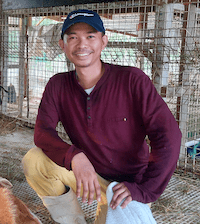
Mr. Jaycee de Guzman is a self-taught agriculturist and the founder of Alpha Agventure Farms, recognized as the leading backyard farm in the Philippines. With a rich background in livestock farming dating back to the early 1990s, Mr. de Guzman combines his expertise in agriculture with over 20 years of experience in computer science, digital marketing, and finance. His diverse skill set and leadership have been instrumental in the success of Alpha Agventure Farms.