

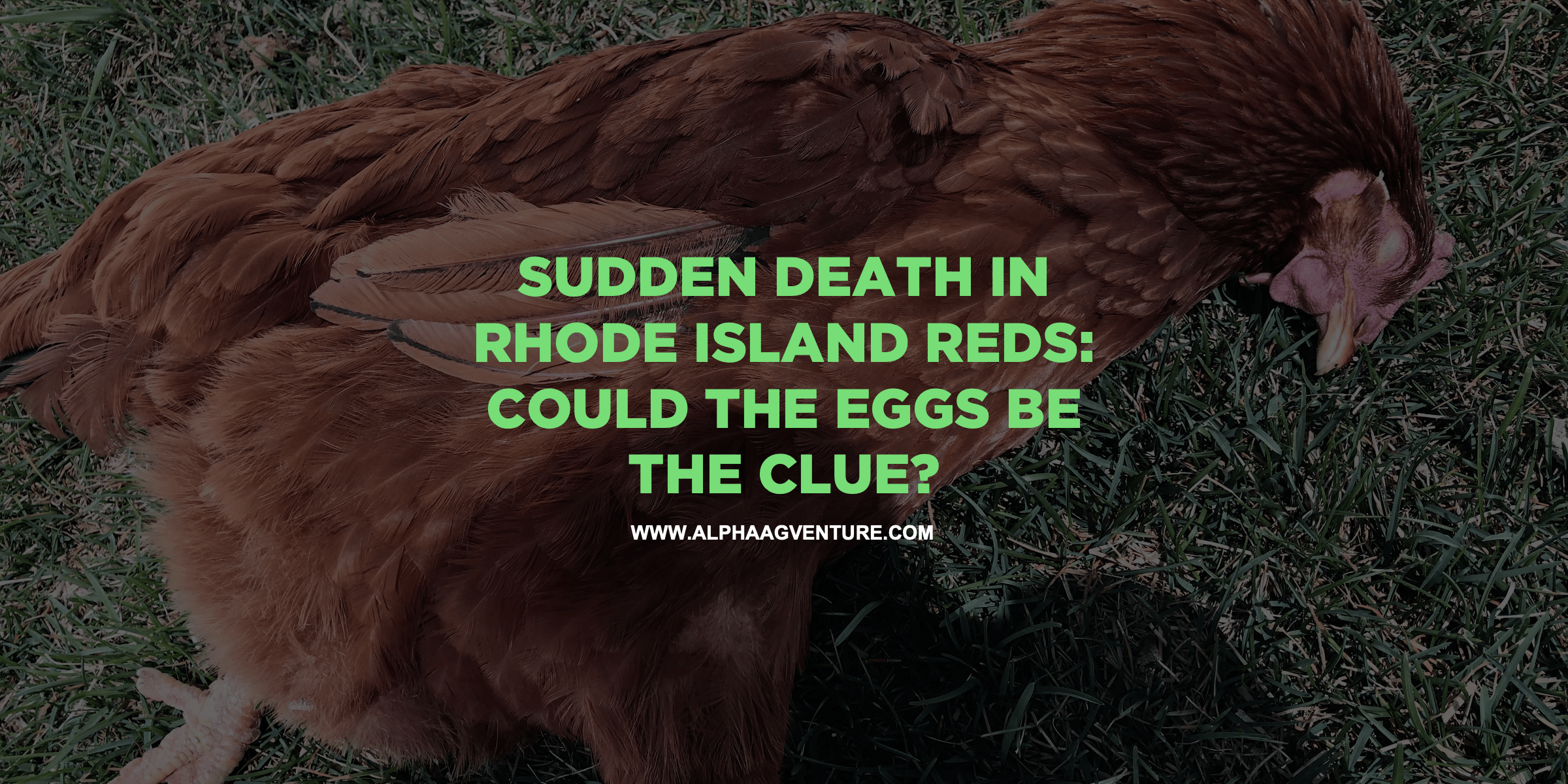
A Hen That Died Without Warning
Sudden death in poultry is one of the most unsettling experiences any livestock farmer can face. One moment, a hen appears healthy—eating, moving normally, and responding to routine handling – and then, within hours, she is found lifeless with no obvious signs of illness or trauma.
This is precisely what happened to one of my clients, a dedicated poultry raiser working with Rhode Island Reds. He inspected his flock early in the morning, as usual. The weather was mild, and there were no apparent environmental stressors. The hen in question was behaving normally – active, feeding, and showing no outward symptoms of disease. Yet by afternoon, she was dead.
What made the case more perplexing was the absence of any warning signs. No respiratory symptoms, no lethargy, no physical injuries. However, the client did recall one consistent abnormality in that particular hen: she had been laying eggs that were not of the typical oblong shape. They were irregular — noticeably different from the rest of the flock’s production. Additionally, the tips of some eggs showed darker discoloration, which he suspected to be blood. Here are the photos sent by my client:
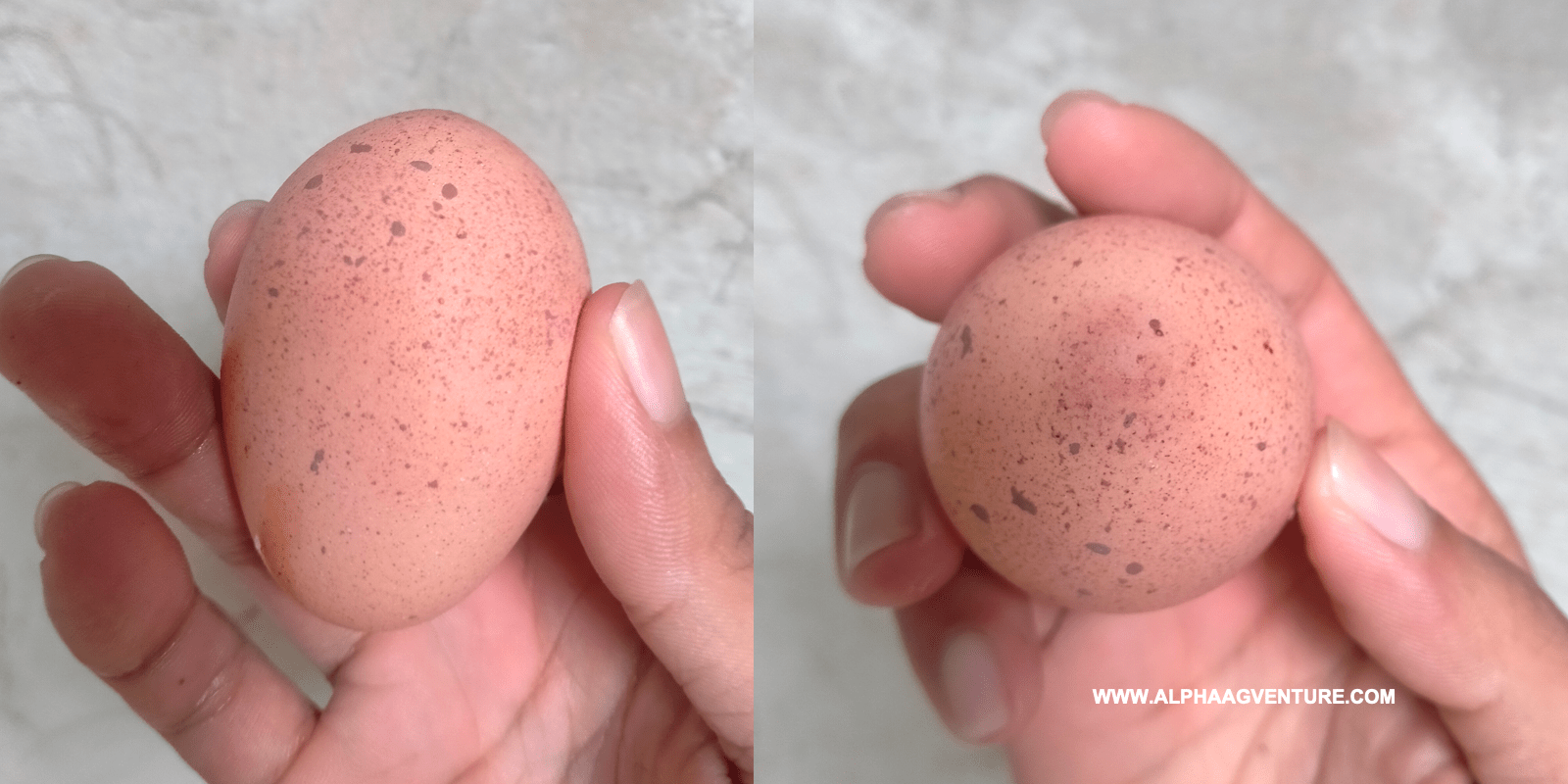
These details are significant. In my experience, such egg abnormalities — especially irregular shapes and discolorations — are not cosmetic defects. They can signal serious underlying issues within the hen’s reproductive system. And in some cases, they may precede sudden, unexplained death.
Chickens are biologically inclined to hide their weaknesses. In the wild, visible signs of illness can attract predators. In a farm setting, this biological tendency makes it difficult for us to detect problems early. But the eggs they lay often carry subtle indicators of internal dysfunction. When interpreted correctly, these indicators can provide valuable clues long before the bird exhibits outward signs of illness.
In this article, I will explore the physiological, pathological, and environmental factors that may link egg abnormalities to sudden death in hens — especially in heritage breeds like the Rhode Island Red.
Understanding Normal and Abnormal Egg Formation
Before I could even begin answering why my client’s Rhode Island Red died so suddenly, I had to revisit something I’ve studied and explained countless times: how a hen forms an egg. Over the years, I’ve come to respect just how precise — and fragile — the entire process is. One minor disruption in that system can manifest through the eggs. And sometimes, the egg is the only clue we get.
The process begins in the ovary. Inside, each yolk starts as a tiny follicle. In productive layers like Rhode Island Reds, one follicle matures and is released daily. That yolk then travels through the oviduct, passing through specialized sections: the infundibulum, where fertilization can happen; the magnum, where albumen or egg white is deposited; the isthmus, where the shell membranes form; the uterus or shell gland, where the calcified shell is laid down; and finally the vagina, where the egg is expelled.
If everything goes smoothly, the process takes 24 to 26 hours. But I’ve seen firsthand how quickly things go wrong. Hormonal imbalances, nutritional deficiencies, chronic stress, or even mild infections can throw off that schedule — and the shape, strength, or color of the egg is often the first to show it.
When I talk about normal eggs, I’m referring to those with a smooth, uniform shell and the typical oblong shape—rounded at one end, slightly pointed at the other. But abnormal eggs? I’ve seen many kinds in the field:
- Misshapen eggs are often linked to chronic damage in the shell gland, sometimes from viruses like infectious bronchitis or Mycoplasma gallisepticum (Feberwee et al., 2008).
- Thin-shelled or shell-less eggs usually tell me there’s a calcium or vitamin D3 problem—or poor nutrient absorption.
- Blood-stained eggs, especially when the blood is consistently at one end, raise red flags. Sometimes it’s from ruptured capillaries due to straining, but other times, it points to deeper problems like chronic oviduct inflammation or even tumors (Zhao et al., 2014).
In the case of my client’s Rhode Island Red, the eggs were consistently irregular in shape—not dramatically deformed, but clearly not normal. Some of them had a dark, reddish discoloration at the tip. When I hear details like that, I don’t brush them off. Over the years, I’ve learned to treat those signs seriously. These aren’t just cosmetic flaws; they’re often whispers of something going wrong deep inside.
Rhode Island Reds may be known for their hardiness and reliable egg production, but that doesn’t make them immune to reproductive stress. In fact, hens in their second year of laying are more likely to develop chronic reproductive tract conditions that remain hidden—until something fatal happens.
That’s why I always tell fellow farmers: the egg is not just a product. It’s a biological report card. If it starts to look unusual, we should pay attention—especially if those changes persist.
Next, I’ll walk you through the reproductive tract diseases I’ve personally encountered in hens that looked perfectly fine—right up until they weren’t.
Silent Killers—Diseases That Target the Reproductive Tract
Whenever a healthy-looking hen dies suddenly, I don’t just think about external causes like feed contamination or heat stress. My mind often jumps straight to the reproductive tract—especially if I’ve seen abnormalities in her eggs. In many cases I’ve investigated, the reproductive organs were the scene of a silent war. And unfortunately, the hen lost before we even noticed the battle had begun.
The hen’s oviduct is vulnerable to several diseases—some infectious, others degenerative—and these can progress without obvious symptoms. What often betrays them are subtle changes in the eggs, long before the bird shows distress.
Let’s start with Salpingitis, which is inflammation of the oviduct. I’ve encountered this repeatedly in hens that produced oddly shaped or discolored eggs. The infection is usually bacterial—commonly Escherichia coli, Mycoplasma gallisepticum, or Ornithobacterium rhinotracheale (Hussein et al., 2019). What makes salpingitis deadly is that it doesn’t always trigger fever or visible discomfort. Instead, bacteria ascend from the cloaca into the oviduct, creating pus-filled masses called caseous exudates. These masses can block the tract or, worse, spill into the abdominal cavity.
And that leads me to egg yolk peritonitis. This condition occurs when yolk material escapes into the abdominal cavity instead of completing its journey through the oviduct. The immune system reacts violently. What I’ve seen in necropsies is heartbreaking—yellow, foul-smelling fluid filling the body cavity, and the internal organs inflamed and coated with fibrin. It’s often the result of chronic salpingitis, trauma, or oviduct rupture.
Then there’s oviductal cancer, which is more common in hens beyond their first year of laying than most farmers realize. In fact, ovarian and oviductal tumors are among the most frequently reported neoplasms in laying hens (Fredrickson, 1987). These tumors grow slowly, don’t always affect feed intake, and don’t cause noticeable pain—until they obstruct the oviduct or metastasize. By then, the hen might suddenly collapse and die, seemingly without warning.
Another insidious disease I’ve dealt with is infectious bronchitis (IB)—a virus that doesn’t just attack the respiratory tract. Certain strains of IB have a strong affinity for the kidneys and reproductive tract. I’ve seen hens that recovered from a mild respiratory infection weeks earlier, only to start laying wrinkled, misshapen, or rough-textured eggs. Later on, they died suddenly, and necropsy revealed degenerated oviducts and kidney damage (Cavanagh, 2005).
Even chronic laying stress can contribute to reproductive failure. Hens pushed to their laying limits without proper nutrition or rest periods are at higher risk of internal laying, prolapse, or hemorrhage in the reproductive tract. And yes, I’ve seen this in Rhode Island Reds as well—especially those kept beyond 18 months of continuous laying without molting breaks.
In each of these conditions, the hen’s external appearance can be misleading. She may still eat, move, and lay—until the internal damage becomes irreversible. That’s what makes these diseases so dangerous. They don’t announce themselves with loud symptoms. They whisper through minor changes in egg appearance, shell texture, or production frequency.
I’ve learned that if I wait for outward signs, I’m already too late.
In the next chapter, I’ll examine another category of culprits—those that don’t start in the reproductive system but still end up causing sudden death: systemic infections and metabolic disorders that silently build up until a hen simply drops dead.
Beyond the Reproductive Tract—Systemic Causes of Sudden Death
As much as I focus on the reproductive tract when investigating egg abnormalities, I also have to widen the lens. A hen doesn’t live organ-by-organ—her systems are connected. So when a Rhode Island Red suddenly dies and we’ve already ruled out trauma, predator attack, or extreme weather, I start thinking systemically. What else could’ve been going on inside her body that left no warning on the outside, but still caused death—and possibly influenced the way her eggs looked?
Let me start with one of the most overlooked issues: septicemia, or blood poisoning. This can result from bacteria like E. coli or Salmonella entering the bloodstream, often through the reproductive tract or the gastrointestinal system. Once systemic, the bacteria travel to vital organs. I’ve seen hens that looked perfectly fine in the morning and then died from septic shock hours later. Their eggs might have shown streaks of blood or discoloration days before, but without any outward sign, the farmer didn’t suspect anything.
Another possible culprit is fatty liver hemorrhagic syndrome (FLHS). I’ve seen this in flocks where hens are given high-energy diets, particularly those supplemented with a lot of corn or table scraps without proper protein balancing. Hens affected by FLHS can collapse and die with no premonitory signs, especially during periods of stress. The liver becomes fragile, engorged with fat, and prone to sudden rupture. Internally, I often find massive abdominal bleeding and enlarged, yellowish livers. What’s interesting is that some of these hens also laid soft-shelled or thin-shelled eggs beforehand—likely because the liver, involved in calcium metabolism and vitamin D3 conversion, was already compromised (Shini et al., 2019).
Let’s also talk about toxins, particularly mycotoxins from moldy feeds. In the Philippines, where humidity and improper storage are common issues, fungal contamination is a real risk. Aflatoxins, produced by Aspergillus flavus, can severely damage the liver and immune system. Chronic low-level exposure often goes undetected until hens start dying sporadically. Egg quality also suffers—irregular shapes, pale yolks, or chalky shells can appear when the liver and kidneys are under toxic stress (Bryden, 2012).
Another potential cause is ascites syndrome, which I used to associate only with fast-growing broilers—until I saw it in layers raised at low elevations in very warm climates. This syndrome, linked to oxygen imbalance and right heart failure, leads to fluid buildup in the abdominal cavity. In necropsy, I’ve seen as much as half a liter of straw-colored fluid around the organs. Sometimes, this buildup exerts pressure on the oviduct, disrupting egg formation before the hen suddenly dies from cardiac overload.
Even electrolyte imbalance, often triggered by erratic feed formulations or water deprivation, can lead to fatal outcomes. A hen that lays one strange-looking egg might be the one whose kidneys are already struggling to maintain proper calcium and phosphorus levels. When the imbalance tips too far, muscle function—including that of the heart—can falter. One collapse, and she’s gone.
What ties all of these systemic causes together is this: they rarely show symptoms in the early stages. But the eggs? Sometimes they do. I’ve come to treat every persistently abnormal egg—whether in shape, shell quality, or pigmentation—as a potential indicator of systemic stress. That’s why it’s important not to isolate reproductive health from the rest of the hen’s physiology.
In the next chapter, I’ll zoom in specifically on Rhode Island Reds as a breed. While they’re generally hardy, they’re not invincible. And yes, they do have specific reproductive and systemic vulnerabilities that I believe are worth knowing—especially for small- and medium-scale raisers in the Philippines.
Breed-Specific Vulnerabilities—A Closer Look at Rhode Island Reds
I’ve raised many breeds over the years, from hardy native chickens to modern hybrids. But when it comes to dual-purpose heritage birds like the Rhode Island Red, I’ve always had a soft spot. They’re known for their deep mahogany plumage, good temperament, and reliable egg production. But let’s be clear—while they’re tougher than many commercial layers, they’re not immune to problems, especially as they age.
One of the things I’ve observed in Rhode Island Reds is that they tend to hide their symptoms longer than some of the more high-strung hybrid layers. That’s a double-edged sword. On one hand, they don’t stress easily. But on the other hand, they often don’t show signs of illness until it’s too late. When a Rhode Island Red suddenly dies, I’ve learned to take a closer look at her reproductive history, especially her egg output in the weeks prior.
They’re productive birds, yes—but only up to a point. In small- to medium-scale farm settings, I’ve seen many Rhode Island Reds continue laying well past 18 months. That’s admirable, but it also puts stress on the reproductive tract. Studies have shown that older hens—especially those beyond 80 weeks—are more prone to conditions like oviductal cancer, egg yolk peritonitis, and salpingitis (Fredrickson, 1987; Shin et al., 2014). I’ve seen this in flocks where hens look vigorous on the outside but have slowly accumulating internal problems.
Another thing I’ve noted is that Rhode Island Reds—being heavy-bodied birds—can also be prone to over-conditioning. If their feed is not carefully balanced, they can accumulate fat around the reproductive organs, compressing the oviduct and contributing to egg deformities or internal laying. I once opened a hen with no external signs of illness only to find massive fat deposits and signs of peritonitis. She had laid several bloody, misshapen eggs in the weeks before her death. Sound familiar?
Breed characteristics matter. They influence how diseases progress, how symptoms appear (or don’t), and how long a bird can withstand internal stress before collapsing. And when it comes to Rhode Island Reds, what makes them appear hardy can also make their sudden deaths feel even more mysterious.
In the next chapter, I’ll discuss often-overlooked management and environmental factors that can aggravate these hidden health problems, especially in backyard and semi-intensive setups like many of us operate here in the Philippines.
Management and Environmental Factors Often Overlooked
I’ve learned over the years that even the best genetics can’t compensate for poor management. And when I hear stories of sudden death in hens that seemed healthy, I start asking hard questions—not just about disease, but about the environment and day-to-day routines.
Let’s start with subclinical heat stress. Just because the weather isn’t blazing hot doesn’t mean the birds are comfortable. Chickens, including Rhode Island Reds, are highly sensitive to microclimates. Poor airflow, high humidity, and overcrowding can combine to create internal coop temperatures that are far worse than what your weather app says. I’ve seen hens die on 29°C days because their coop, due to poor ventilation, reached over 35°C at bird level.
Even water management can quietly kill. I once visited a farm where the waterers were working—but only during the early morning. By noon, the lines had dried up due to low pressure, and the birds were quietly suffering from dehydration. The hen that died that week had laid a chalky, ridged egg three days before. No one thought much of it—until she collapsed.
Feed formulation is another landmine. Many backyard raisers mix cracked corn, rice bran, and kitchen scraps, thinking it’s economical. But without at least 50% commercial ration or a precisely formulated alternative, you risk long-term deficiencies—especially in calcium, vitamin D3, and trace minerals like selenium and manganese. Egg quality declines first. Then, the hen’s internal systems begin to fail.
Lighting schedules also matter more than many think. Rhode Island Reds respond strongly to photoperiods. Too much light too soon (especially in pullets) or erratic lighting can throw off their hormonal rhythms. I’ve seen early-onset laying triggered by premature artificial lighting result in permanent oviduct deformation, causing lifelong egg issues.
And then there’s biosecurity fatigue. Even small lapses—like walking from the duck pen to the chicken run without changing boots—can introduce pathogens that trigger salpingitis or systemic infections.
What I’ve come to realize is this: sudden death rarely comes from just one cause. It’s often a slow build-up of overlooked factors—each adding stress until the bird’s system gives out.
When cases like this happen, I don’t pretend to be a veterinarian, and I don’t perform necropsies. But I do take a closer look at all the contributing factors—from the egg patterns to the feed practices to environmental stress. I always recommend working with a licensed vet if a post-mortem is needed. Still, there are practical steps that farmers like us can take to document symptoms, preserve clues, and know what to look for if it ever happens again.
In the next chapter, I’ll share the non-veterinary diagnostic steps I personally recommend when sudden deaths occur, especially for small- to medium-scale farmers who don’t have immediate access to a laboratory or licensed animal health professional.
Practical Diagnostic Steps for Farmers After a Sudden Hen Death
Whenever a hen dies suddenly—especially one that looked perfectly healthy just hours before—it’s tempting to just bury the body, clean the area, and move on. I understand that instinct. But over the years, I’ve learned that every unexplained death is also a learning opportunity. If we don’t take the time to examine what might have happened, the same problem could strike again—this time affecting more birds.
Let me be clear: I am not a veterinarian. I don’t perform necropsies, and I don’t diagnose disease in a clinical sense. But what I do have is field experience—and I’ve worked closely enough with both vets and farmers to know that even without lab tests, we can gather a lot of useful information after a sudden death.
Here’s what I do, and what I suggest you do as well.
- Isolate the area and observe the rest of the flock.
The first step is always containment. I check if the bird died inside the coop, near the feeder, or in a nesting box. Then I watch the other hens for 24 to 48 hours. Are they behaving normally? Are their combs red and upright? Are they eating and drinking? Even subtle changes can help narrow things down. - Document everything—don’t rely on memory.
I take photos of the dead hen before disposal. I make notes: What did her droppings look like the day before? Did her eggs show any changes? Was there any unusual smell, noise, or behavior? These notes become incredibly useful if I later consult a vet. - Inspect the most recent eggs.
If I know which eggs came from the dead hen, I examine them for shape irregularities, shell texture, and any staining—especially at the tip. Persistent abnormalities are often early signs of oviduct issues. One misshapen egg might be nothing. But a consistent pattern means the hen was struggling. - Check the feed and water system.
I double-check feed freshness, water flow, and any supplements used. I once traced a similar death to a moldy batch of mixed grains. Another time, an automatic drinker failed, and one bird dehydrated in the heat. Small lapses can become lethal under the wrong conditions. - Preserve the body if a vet is available.
If there’s any chance a vet can look at the hen, I refrigerate—not freeze—the body in a plastic bag and call for advice. Some cities and provinces in the Philippines have regional animal disease diagnostic labs. Even if you don’t get a full necropsy, a simple visual inspection from a trained vet can give you direction. - Share what you learn.
Sometimes, I post about the case (without sensationalizing it) and ask fellow farmers if they’ve had similar experiences. You’d be surprised how many times a quiet problem turns out to be affecting others in the same region.
These steps don’t replace professional diagnosis, but they can guide your decision-making and give you useful talking points when you do consult a vet. Even if you’re not able to get lab tests, you can still do your part in piecing the puzzle together.
In the next chapter, I’ll bring together everything we’ve covered and offer a summary of the most important takeaways—what I believe every raiser of Rhode Island Reds should remember when dealing with abnormal eggs and sudden death.
What Every Rhode Island Red Raiser Should Remember
After all these years of raising chickens, talking to fellow farmers, and responding to messages like the one I received from my client, I’ve come to a simple but sobering realization: when a Rhode Island Red dies suddenly, it’s rarely just “bad luck.” There are almost always signs—but we have to know where to look. And often, those signs are in the eggs.
If there’s one thing I hope you take away from everything I’ve shared, it’s this: an irregular egg is never just an egg. Whether it’s a subtle change in shape, a rough patch on the shell, or a dark stain at the tip, these details could be quiet warnings that something serious is developing inside the hen.
Rhode Island Reds are dependable, hardy birds—but that doesn’t mean they’re invulnerable. Their strength is also what makes their sudden deaths feel so jarring. They’ll keep eating, walking, and even laying until the very last moment. That’s why I’ve learned to pay attention to the things that don’t “scream” danger—like slight changes in egg shape or shell texture, or a single blood-stained egg that shows up more than once.
I’ve also learned that reproductive problems—salpingitis, egg yolk peritonitis, oviductal tumors—can progress without any outward symptoms. Systemic issues like fatty liver, aflatoxin poisoning, or even subclinical dehydration can kill, silently and swiftly. And in many cases, all we get beforehand is a strange-looking egg.
That’s why I always advise farmers to observe patterns. One abnormal egg might not mean much. But three or four in a row from the same hen? That deserves attention.
And when a death does happen, especially without warning, don’t rush to forget it. Document what you saw. Inspect the feed, water, and coop conditions. Observe the remaining flock. You don’t need to be a vet to gather useful clues—and sometimes, your notes will be the missing piece that a real professional needs to make a proper diagnosis.
Raising Rhode Island Reds—or any chicken, really—is part science, part instinct. But if we learn to listen to the small signs, we can prevent losses, improve welfare, and make more informed decisions.
In the final chapter, I’ll share some actionable recommendations—my field-tested tips for minimizing sudden deaths and managing hens that lay abnormal eggs.
Practical Recommendations for Preventing Sudden Death and Managing Egg Abnormalities
After going through everything—from the biology of egg formation to the diseases that hide in plain sight—I want to leave you with practical steps. These are the measures I personally follow, and the same ones I recommend when fellow raisers reach out after losing a seemingly healthy Rhode Island Red hen.
These are not veterinary prescriptions. I’m not a vet. But I believe that with consistent observation, good record-keeping, and solid management practices, we can reduce the risk of sudden deaths and catch problems before they become irreversible.
Here’s what I do—and what I recommend to others:
- Record every abnormal egg.
Don’t rely on memory. If you see an irregular egg—whether it’s misshapen, blood-stained, or unusually thin—take a photo and note the date. If it happens again, especially from the same hen, you’ll have a timeline. Patterns matter more than isolated incidents. - Observe hens during and after laying.
Sometimes the problem isn’t the egg—it’s the effort it takes to lay it. If a hen is straining, panting, or slow to recover after laying, she may be developing oviductal issues or dealing with internal inflammation. I keep a close eye on any bird that shows discomfort at the nest box. - Evaluate your lighting and feed program.
I don’t rush young pullets into early laying by exposing them to extended artificial light. Early sexual maturity can increase the risk of internal laying and long-term damage to the reproductive tract. For feed, I use 100% laying mash to ensure proper balance of calcium, phosphorus, vitamin D3, and trace minerals. I also hang leafy greens like Madre de Agua (Trichanthera gigantea) in the coop or allow occasional pasturing—not as a substitute for the ration, but as enrichment and supplemental fiber. It’s important that any extras complement, not compromise, the nutritional profile of the base feed. - Store and inspect feeds properly.
To prevent aflatoxicosis, I store feed in sealed, dry plastic drums and avoid using grain that’s been exposed to moisture. Moldy feed is one of the quietest killers in Philippine poultry farms. - Work with a vet when possible.
Even if you raise chickens in a remote barangay, there are provincial veterinarians, livestock technicians, and regional animal health centers that can help. I keep a contact list handy. If I lose a bird unexpectedly, I consult them early—especially if I suspect disease. - Cull responsibly and early.
If a hen lays consistently abnormal eggs and starts to show signs of decline, I don’t wait for her to die. I isolate and monitor her, and if no improvement comes, I cull humanely. It’s better to prevent suffering—and protect the rest of the flock. - Talk to other farmers.
Sometimes, I catch issues early just by sharing stories. If a nearby farmer is seeing the same kind of egg deformities or unexplained deaths, it could mean a local outbreak or environmental factor is at play.
Raising Rhode Island Reds—or any breed—comes with its mysteries. But many of those mysteries start with a clue we can actually see: the egg. If we learn to read those signs early, we can do more than react—we can prevent.
References
- Bryden, W. L. (2012). Mycotoxin contamination of the feed supply chain: Implications for animal productivity and feed security. Animal Feed Science and Technology, 173(1–2), 134–158. https://doi.org/10.1016/j.anifeedsci.2011.12.014
- Cavanagh, D. (2005). Coronavirus avian infectious bronchitis. Veterinary Research, 36(3), 281–297. https://doi.org/10.1051/vetres:2005008
- Feberwee, A., de Wit, J. J., Landman, W. J. M. (2008). Induction of eggshell abnormalities by Mycoplasma synoviae: Field and experimental studies. Avian Pathology, 37(1), 21–28. https://doi.org/10.1080/03079450701772399
- Fredrickson, T. N. (1987). Ovarian tumors of the hen. Environmental Health Perspectives, 73, 35–51. https://doi.org/10.1289/ehp.877335
- Hussein, H. A., Al-Araby, M. A., El-Samadony, H. A., & Ezzat, M. A. (2019). Clinical and pathological investigations of salpingitis in commercial laying hens in Egypt. Veterinary World, 12(11), 1796–1801. https://doi.org/10.14202/vetworld.2019.1796-1801
- Shini, S., Shini, A., & Bryden, W. L. (2019). Fatty liver haemorrhagic syndrome occurrence in laying hens: Impact of production system. Avian Pathology, 48(1), 25–34. https://doi.org/10.1080/03079457.2018.1543643
- Zhao, Y., Song, Y., Yao, Y., & Cao, Y. (2014). Oviductal diseases in laying hens: A review. World’s Poultry Science Journal, 70(3), 505–516. https://doi.org/10.1017/S0043933914000569
Mr. Jaycee de Guzman is a self-taught agriculturist and the founder of Alpha Agventure Farms, recognized as the leading backyard farm in the Philippines. With a rich background in livestock farming dating back to the early 1990s, Mr. de Guzman combines his expertise in agriculture with over 20 years of experience in computer science, digital marketing, and finance. His diverse skill set and leadership have been instrumental in the success of Alpha Agventure Farms.