











Description
Navigating the World of Veterinary Ultrasound Scanners
The field of veterinary diagnostics has never been more dynamic. As livestock production scales, pet ownership diversifies, and animal healthcare becomes more precise, the role of technology in veterinary practice grows more indispensable. Among the most transformative tools in this space is the ultrasound scanner, a device once confined to high-end animal hospitals but now finding its place in barns, fields, and mobile clinics.
Whether you’re checking pregnancy in a goat in the far reaches of Ilocos Norte, scanning the uterus of a racehorse in Batangas, or identifying abdominal issues in a rescued stray dog in Manila, a portable veterinary ultrasound scanner can spell the difference between guesswork and actionable intervention. It is no exaggeration to say that ultrasound has revolutionized real-time, non-invasive diagnosis in animal care across the Philippines and beyond.
But as with all technological solutions, not all veterinary ultrasound machines are created equal. The market today is flooded with options. Some are rugged. Some are delicate. Others are lightweight but too fragile for fieldwork. There are models that boast crystal-clear image quality but fall short on battery life. Some are designed with large livestock in mind, while others cater better to small animals like cats and rabbits. The sheer range can be overwhelming, especially for veterinarians, livestock technicians, breeders, and government agri-livestock workers who need a scanner that performs reliably in the field.
That brings us to the reason this comprehensive guide exists.
Over the next chapters, this review will dissect four widely used ultrasound scanners for veterinary use. Each has its own strengths, quirks, and target users. These are the HandScan V7, HandScan V8, WristScan V9, and CarryScan 3W-3000. All four are used by livestock farmers and field veterinarians across the country, but they perform differently depending on species, usage setting, and diagnostic requirements.
The objective is simple but not simplistic. We aim to help you make an informed decision by comparing these four models across critical parameters. This includes design and portability, screen quality, probe compatibility, imaging performance, battery life, image storage, ease of use, durability, pricing, and species-specific effectiveness. Each section dives into the details that matter, free from the vague jargon you often find in sales brochures.
Unlike most online articles that offer general overviews or promotional fluff, this review is built specifically for hands-on veterinary professionals and livestock specialists working in real-world conditions. Think dusty corrals, mountain barangays, cramped animal shelters, and open pasturelands. We know the difference between theory and reality. That is why the pros and cons discussed here are grounded in usability, durability, clarity of imaging under natural light, and battery resilience in long workdays.
This review was written with special attention to the Philippine context. For example, a scanner with a slow boot-up time or poor waterproofing may not survive a rainy-season visit to a backyard goat farm in Mindoro. Similarly, a model with confusing button placements or hard-to-navigate menus might frustrate a livestock technician who needs to scan fifty sows before lunch. These are not edge cases. These are daily realities for many of our readers.
And while we will cover technical specifications, the discussion goes beyond numbers. You will see real-world implications. What does it mean for a buffalo breeder if a scanner only has a 3.5 MHz probe? How does image lag affect the ability to scan a pregnant cow that won’t stop kicking? This guide connects performance with practical needs.
So whether you’re a licensed veterinarian building a mobile practice, a provincial agri officer ordering scanners for regional deployment, a commercial swine operator aiming to shorten your herd’s farrowing interval, or a poultry farmer planning to expand to goats and cattle, this guide was written with your work in mind.
By the end, the goal is not just to tell you which model is best overall. It is to help you choose the right veterinary ultrasound scanner based on the species you work with, the locations you visit, the time you have per scan, the storage options you need, and the budget you are working with.
Let us begin.
Overview of the 4 Veterinary Ultrasound Scanners
Before diving into the technical and operational details of veterinary ultrasound scanning, it helps to step back and compare the four primary models now shaping the Philippine livestock and veterinary scene: HandScan V7, HandScan V8, WristScan V9, and CarryScan 3W-3000.
Each of these scanners addresses specific needs in terms of portability, screen size, probe type, and field reliability. Some are designed for solo goat farmers on rough terrain. Others belong in mixed-animal clinics where speed and precision must work together. The table below lays out a quick-reference summary that farmers, veterinarians, and technicians can use to identify which unit fits their workflow best.
| Model | Form Factor | Screen | Probes Included | Main Use Cases |
| HandScan V7 | Compact, handheld | 5-inch LCD | 5 MHz convex, optional linear | Goats, sheep, early bovine pregnancy |
| HandScan V8 | Slightly larger handheld | 7-inch HD LCD | 5 MHz convex, optional rectal | Cow, small ruminant pregnancy, field use |
| WristScan V9 | Wrist-mounted wearable | 3.5-inch OLED | 3.5 MHz convex, optional micro-convex | Quick livestock checks, portability |
| CarryScan 3W-3000 | Briefcase-style portable unit | 10-inch color TFT | 5 and 7.5 MHz convex plus linear | Mixed animal clinics, detailed diagnostics |
By laying them side-by-side, one can immediately tell where each scanner shines. HandScan V7 is built for rugged simplicity and affordability. WristScan V9 lets you move through a goat yard or cattle pen with hands almost free. CarryScan 3W-3000 is the heavyweight, built for precision and depth, especially where diagnostic confidence is paramount.
This comparison is not just a convenience. It is a roadmap for choosing the right tool for the job. The next chapters will dissect each scanner one by one, showing you what numbers and specs alone cannot capture.
Design and Portability
When you’re knee-deep in mud, shoulder-to-shoulder with a skittish carabao, or navigating narrow alleyways between pig pens, you start to appreciate what “design” really means. In the context of veterinary ultrasound scanners, design is not just about what looks modern. It is about what works in real-life Philippine farm conditions, where power outlets are a luxury and sudden rain showers are a weekly affair in some places.
This is where form factor and portability begin to matter more than processor speed or probe frequency. Whether you’re a solo backyard goat raiser or a large-animal vet serving Nueva Ecija, the right design can make the difference between a 3-minute scan and a 30-minute struggle.
The Three Major Form Factors
Veterinary ultrasound scanners typically fall into three general design categories: handheld, wrist-mounted, and portable console-style. Each of these form factors comes with trade-offs that are important to understand.
Handheld Units: Lightweight but Not Always Hands-Free
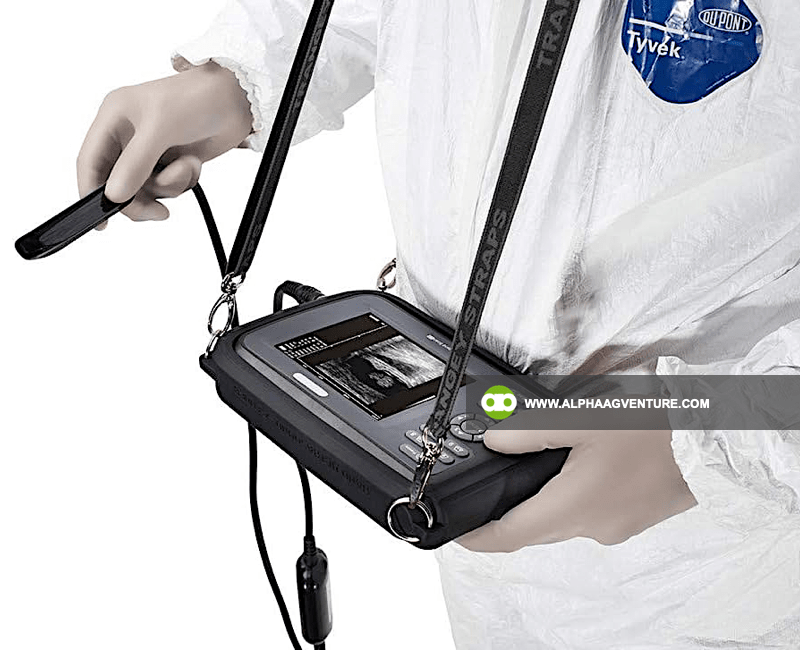
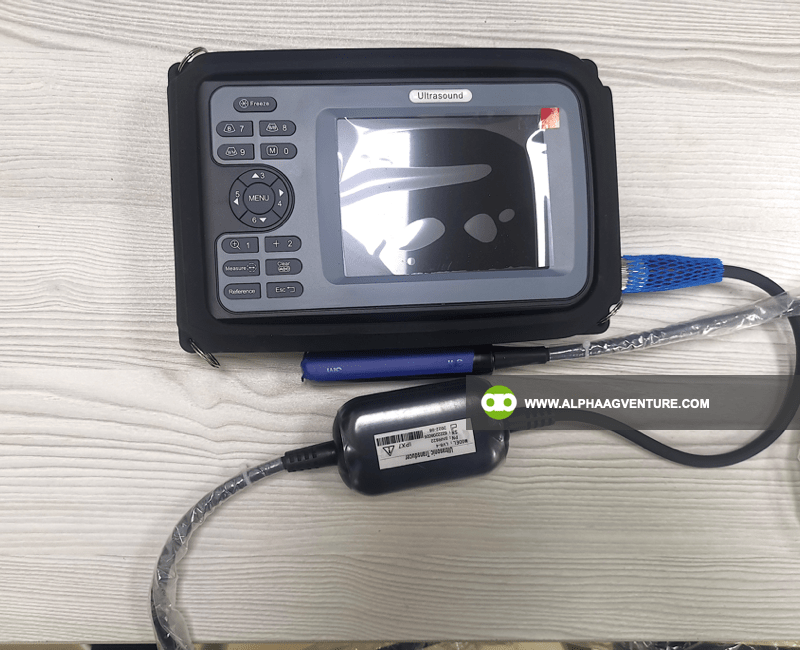
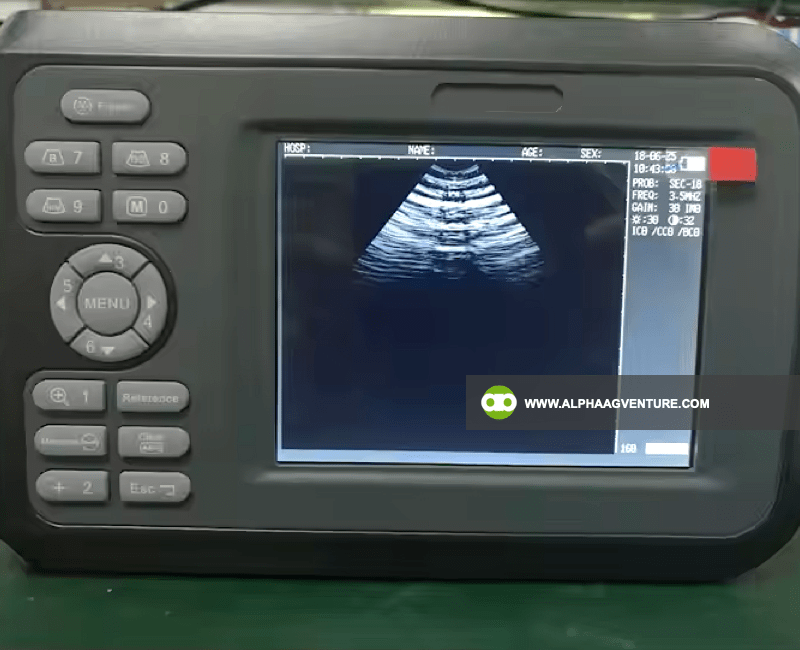
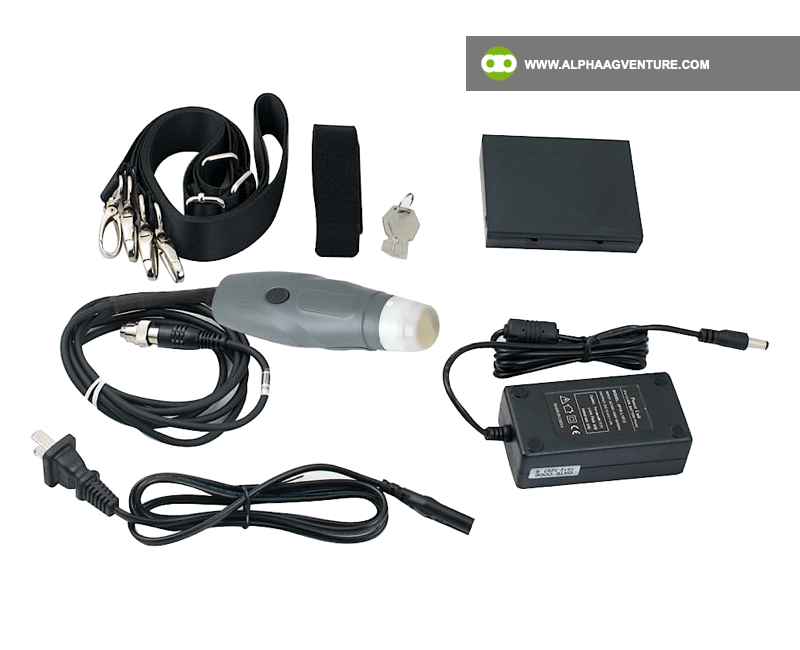
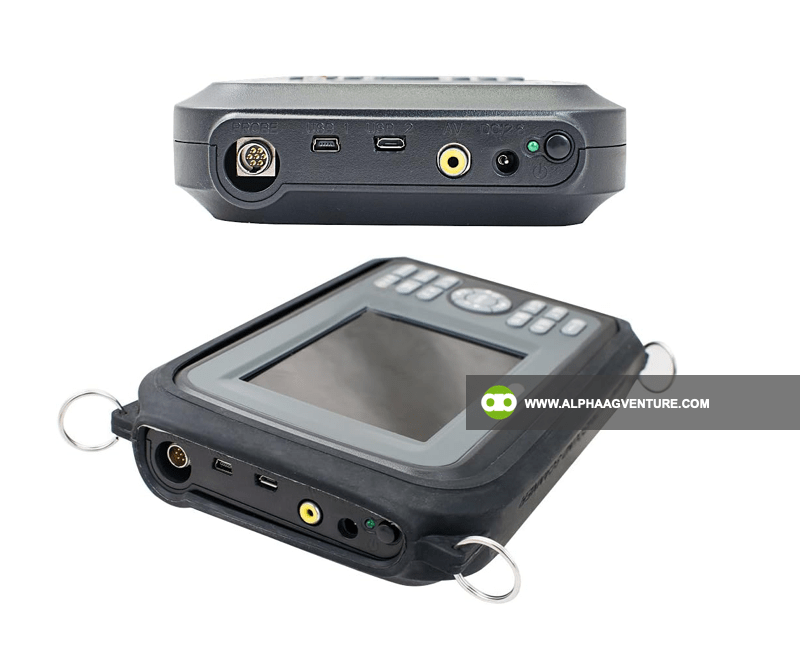
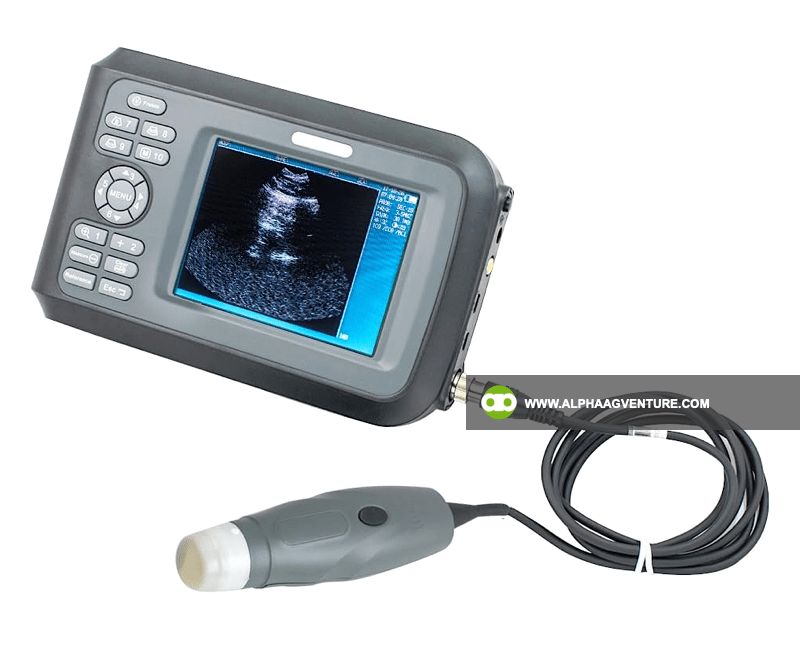
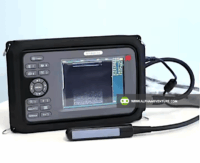
Handheld scanners like the HandScan V7 animal ultrasound scanner have long been a favorite of livestock workers in the provinces. These units are generally lightweight, shaped like small tablets or chunky smartphones, and come with a shoulder strap or wrist tether. They’re easy to carry and boot up quickly.
But here’s the catch. Even though they’re light and relatively easy to manage, handheld units still require one hand to hold the device and another to maneuver the probe. In practice, this means you either need an assistant to restrain the animal or be very, very skilled at one-handed ultrasound technique.
That being said, handhelds are a solid middle ground. Their compact size means you can toss one in a motorcycle compartment or even a backpack. For this reason, they remain the default choice for goat farmers, sheep raisers, and pig breeders who do their own pregnancy detection without calling in a vet.
Wrist-Mounted Scanners: A True Game-Changer for Mobility
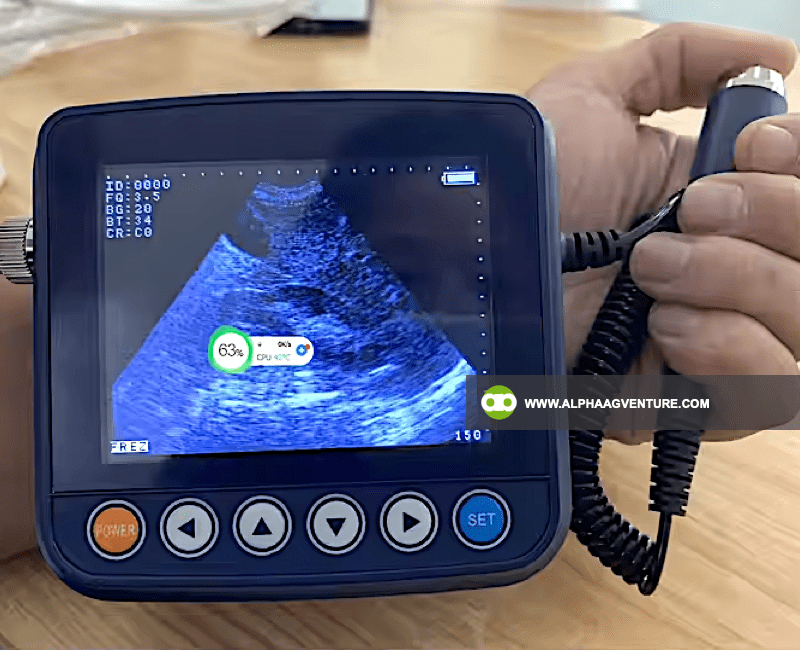
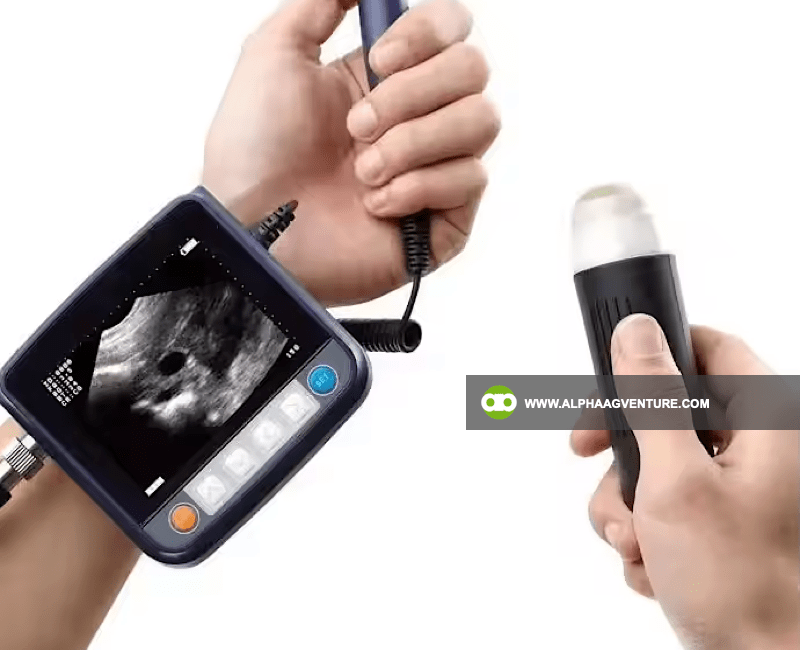
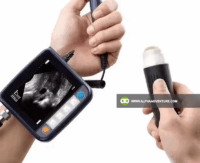
Imagine strapping your scanner directly onto your wrist and freeing up your hands to do what matters. That’s exactly what wrist-mounted ultrasound scanners offer. Models like the WristScan V9 animal ultrasound scanner for sale are worn like a smartwatch, albeit a bulky one, with the screen positioned just above your hand.
This design dramatically improves mobility. Instead of juggling between scanner, probe, and patient, your eyes remain on your wrist while your dominant hand focuses solely on probe placement. It’s a more intuitive setup that feels natural after just a few uses.
The downside? Smaller screen size. You’re looking at a 3.5 inch display at best, so fine anatomical structures may not be as easily identified. Still, for quick field assessments — is she pregnant or not, how far along, is the fetus alive — the wrist-mounted design offers incredible utility, especially for herd-side scanning.
Veterinarians who do a lot of work in far-flung barangays where animals are penned loosely or not at all will find wrist-mounted scanners a godsend. You walk in, gear up, and start scanning without needing to unpack a suitcase.
Console-Style Scanners: When Precision Matters More Than Portability
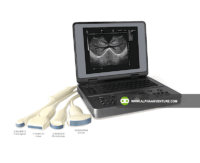
At the other end of the spectrum is the console-style scanner. These are the briefcase-sized machines that open up to reveal a large, high-resolution screen, tactile keyboard controls, and multiple probe ports. Units like the CarryScan 3W-3000 fall into this category.
The form factor sacrifices portability for performance. But that’s not necessarily a bad thing. Console-style scanners are ideal for clinics or stationary setups like poultry integrator offices, boar stud farms, or large cattle ranches where animals are brought in for scanning.
The larger screen makes detailed imaging more accessible. You can detect ovarian cysts in pigs, monitor fetal heartbeat in goats, or distinguish twins from singletons in sheep. The probe control is smoother, and you can even store high-quality video loops for later review.
That said, hauling one of these into a rice field during the rainy season? You’ll quickly regret it. While some come with internal batteries, many still rely on generator or AC power, making them impractical for deep-field veterinary work.
Ergonomics and Real-Life Use
Portability isn’t just about how light something is. It’s about how comfortably it fits into your workflow.
- Handhelds tend to cause wrist fatigue after extended use, especially if scanning more than 10 animals per day.
- Wrist-mounted units balance the load across your arm and allow you to scan without sacrificing speed or comfort.
- Console units offer the best ergonomics from a sitting or standing desk position, but obviously not during fieldwork.
Let’s also talk about cables and connectors. Long, coiled cables might sound like a good idea until they get caught on fences or tangled around a goat’s legs. Wrist and handheld scanners generally have shorter, more manageable probe cables, while console models often come with heavier-duty but longer cords.
Ruggedness and Resistance to Philippine Conditions
You can’t talk about design in the Philippines without addressing the tropics. Most livestock are raised outdoors or in semi-open sheds. That means:
- Dust
- Humidity
- Sudden rain
- Mosquitoes
- Animal drool
Handheld and wrist-mounted models are increasingly designed to be IPX-rated, meaning they’re water-resistant to a certain level. Some can even be wiped down with alcohol or betadine without damaging the screen or keys.
Wrist-mounted units, in particular, have the added benefit of being wearable under a clear raincoat, offering protection without compromising usability. They are built for moving between pens quickly while absorbing small shocks or drops.
Console-style machines, on the other hand, are more fragile. Their hinges, screens, and keyboards require careful handling, and even a light drizzle could threaten their circuits. Protective bags help, but even so, these units are better off kept indoors or under roofing.
Power Source and Battery Life
A unit’s design is only as good as its power reliability. Wrist and handheld units usually come with rechargeable lithium batteries that can last 3 to 6 hours, depending on usage and screen brightness. Some have detachable batteries so you can swap in a fresh one mid-day.
Console-style units like CarryScan 3W-3000 may have dual power options: wall outlet or built-in battery. However, battery life tends to max out at 2 to 3 hours of continuous scanning due to the high-resolution display and multiple active ports.
For vets and farmers working in sitios where brownouts are common, always ask about spare batteries or car-charging options when choosing a unit.
Final Thoughts on Portability
No scanner design is objectively better than the rest. What matters is fitness to purpose.
- A solo goat farmer on a budget might do best with the HandScan V7 animal ultrasound scanner, compact enough to carry and intuitive enough to learn quickly.
- A mobile vet serving three provinces might choose the WristScan V9 animal ultrasound scanner for sale, valuing its hands-free convenience over a large display.
- A breeding center with electricity and stable infrastructure might invest in a console-style scanner like the CarryScan 3W-3000 for its diagnostic edge.
Whichever design you choose, remember that portability is not just a feature. It is a requirement dictated by the terrain you work in, the number of animals you scan, and the way your body moves through space during each job.
What You See Is What You Scan: Screens and Controls That Work Where You Work
Veterinary ultrasound scanners are often used in outdoor and field conditions where sunlight, dirt, and limited mobility challenge both the user and the machine. The importance of a high-quality display and intuitive interface cannot be overstated. In this chapter, we’ll walk you through how each model handles screen technology, button placement, menu navigation, and glove-friendly usability, all while considering real-life farm and clinic conditions.
Screen Visibility Under Field Conditions
When checking for pregnancy in a restless ewe or diagnosing fluid in a goat’s abdomen on a sunny pasture, screen visibility becomes a frontline concern. Among the four scanners, the CarryScan 3W-3000 animal ultrasound scanner offers the largest and most color-accurate display with a 10-inch TFT screen. It minimizes glare with its anti-reflective coating and holds up well even when used under midday sunlight. This makes it ideal for mixed animal clinics and mobile veterinary services where long hours and diverse lighting conditions are the norm.
The HandScan V8 is a close second. It features a bright 7-inch HD LCD screen that performs reliably outdoors. While smaller than the CarryScan 3W-3000, its clarity and brightness settings give field vets little to complain about. The HandScan V7, on the other hand, uses a 5-inch LCD that does the job for goat and sheep pregnancy checks but struggles slightly under direct sunlight, especially if the sun is overhead.
The WristScan V9 sacrifices screen size for portability. It sports a 3.5-inch OLED display mounted directly on the wrist. While contrast and sharpness are decent, the smaller screen size and reflection-prone surface can make it challenging to use in intense outdoor lighting. However, for fast livestock checks where portability is key, it serves its purpose well.
Interface and Controls
Controls differ significantly between these models, with the CarryScan and HandScan lines favoring physical buttons, while the WristScan introduces a hybrid of touch-sensitive zones and side buttons.
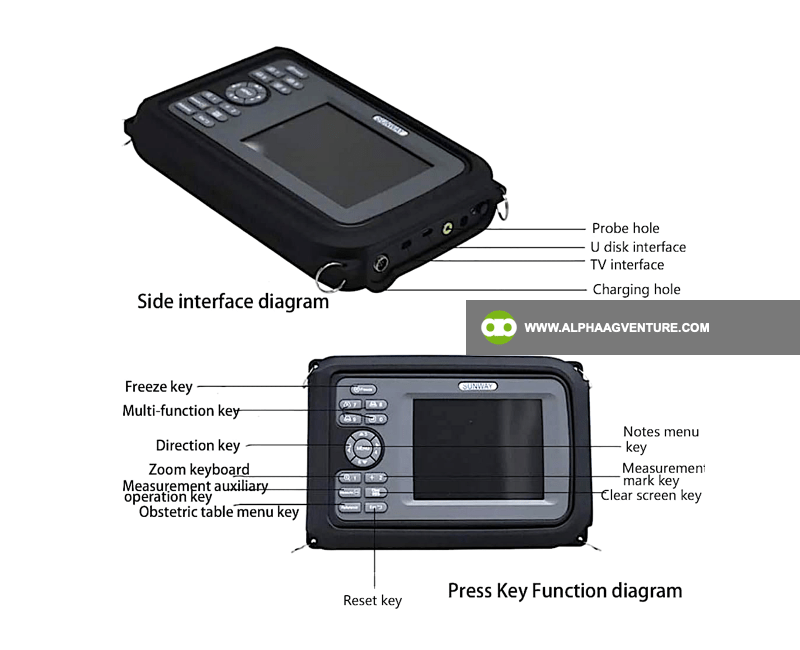
The CarryScan 3W-3000 features a button-and-dial interface designed for both novice and advanced users. Its layout is intuitive, with all essential functions reachable without navigating deep menus. For gloves-on operation, the dials are well-sized and tactile, making it easy to adjust gain or zoom during an active scan.
The HandScan V7 and HandScan V8 share a similar button-based layout, with rubberized, weather-resistant keys spaced apart for error-free operation, even with gloved hands. The HandScan V8 adds more shortcut buttons, enabling faster probe switching and image saving. This makes the HandScan V8 more efficient for high-volume field work.
The WristScan V9, due to its compact design, limits physical buttons to the sides. The rest of the interaction happens via gesture-based navigation on the OLED screen. It works decently for basic scanning, but menu navigation is slightly clumsy when gloves are involved. The learning curve is steeper here, but for tech-savvy users who value speed and portability, it remains a viable option.
Menu Navigation and Customization
All four models allow for basic customization of imaging parameters like depth, gain, and frequency. However, the ease with which you access and modify these settings matters a lot when time and patience are short.
- The CarryScan 3W-3000 offers the most extensive customization, with clearly labeled menus and preset slots. Saving and recalling scan profiles for different species is simple and takes less than a minute.
- The HandScan V8 follows closely, letting users program shortcut buttons to load preferred imaging settings.
- The HandScan V7, being an entry-level device, has fewer programmable options but keeps its navigation streamlined.
- The WristScan V9 offers minimal customization due to screen and size constraints, prioritizing speed over complexity.
Glove-Friendly Use
Veterinarians working in barns, pens, or mobile setups don’t always have the luxury of clean hands. Interfaces must work when users wear nitrile or rubber gloves, sometimes even double-gloved.
The HandScan V8 and CarryScan 3W-3000 win here. Their physical buttons provide tactile feedback that cuts through mud, cold, and gloves. The HandScan V7 holds its own with good button spacing but lacks dedicated probe-switch or freeze-frame buttons, which the HandScan V8 offers.
The WristScan V9 is the least glove-friendly. The small screen and capacitive interface struggle with glove thickness, and the side buttons require precise finger placement. For critical work where timing matters, this could slow you down.
Where to Buy the V7 Animal Ultrasound Scanner
If portability and straightforward scanning are your top priorities, especially for goats and sheep, the HandScan V7 animal ultrasound scanner offers an excellent balance of performance and convenience. You can find it through Alpha Agventure Farms, along with the other models discussed in this review.
See What You’re Touching, Touch What You See
Display and interface are often overlooked in favor of technical specs, but in veterinary ultrasound, they directly influence usability and diagnostic accuracy. If you plan to scan under open skies, deal with fidgety animals, or wear gloves most of the time, your choice of interface and screen quality should reflect that. The CarryScan 3W-3000 offers the best visual experience and ease of control. The HandScan V8 balances brightness, shortcuts, and glove compatibility well. The HandScan V7 keeps things simple and functional. Meanwhile, the WristScan V9 animal ultrasound scanner for sale caters to fast, mobile scanning needs but requires adaptation for tricky light or glove use.
Probe Compatibility and Imaging Capabilities
A good ultrasound scanner is only as good as its probe. That may sound like an overstatement, but ask any large-animal vet who had to scan a water buffalo with the wrong probe and they’ll nod in painful agreement. In this chapter, we’ll take a closer look at how each of our four models—HandScan V7, HandScan V8, WristScan V9, and CarryScan 3W-3000—handles the business end of ultrasound: the probes themselves.
The choice of probe affects everything from what animals you can scan to how deep and clear the imaging will be. So whether you’re dealing with Boer goats, backyard pigs, dairy cattle, or even game fowl, your probe options will define your success.
Convex, Linear, or Rectal?
Let’s start with the basics. Most veterinary ultrasound scanners offer at least one of the three main probe types:
- Convex (Curved Array): Best for general abdominal imaging in medium to large animals like goats, sheep, pigs, and cattle. Lower frequency, deeper penetration, wider field of view.
- Linear: High frequency, excellent resolution, shallow penetration. Ideal for small animals like puppies, kittens, and exotics. Also useful for superficial structures in larger species.
- Rectal (Transrectal or Endoprobe): Slim and designed for transrectal exams. Primarily used in reproductive work with cattle, buffaloes, and horses.
Frequency and Depth: Getting Technical
Probe frequency is measured in megahertz (MHz). The higher the MHz, the better the image resolution—but the shallower the penetration. Lower MHz allows deeper imaging but sacrifices detail. Here’s a rough breakdown:
- 2.5 to 5.0 MHz: Great for adult cattle, carabaos, and sows. Expect deeper penetration at the cost of sharpness.
- 5.0 to 7.5 MHz: Best for goats, sheep, boars, and medium-sized dogs.
- 7.5 to 10.0 MHz: Reserved for small animals, superficial exams, and high-detail work like tendons or superficial masses.
You need to strike a balance based on the species, body condition, and exam goal. A fat sow might need a 3.5 MHz convex probe, while a skinny Nubian doe will yield better images with a 5.0 MHz option.
HandScan V7: Basic but Reliable
The HandScan V7 doesn’t pretend to be fancy, but it delivers functional probe compatibility with surprising consistency. It typically ships with a 3.5 MHz convex probe that handles goats, sheep, and pigs well enough for pregnancy detection. Swapping probes is not plug-and-play; it requires opening the casing and using adapters or requesting alternate versions from the supplier.
Not ideal for rapid species-switching, but acceptable if you’re focusing on just one or two animal types. Imaging clarity is adequate, but limited in fat sows or cattle. Perfect for those starting out with small ruminants.
HandScan V8 Animal Ultrasound Scanner: Better Depth, Cleaner Images
The HandScan V8 animal ultrasound scanner is a step up in both probe handling and imaging depth. It accepts convex and rectal probes interchangeably, with a standard 3.5 or 5.0 MHz convex probe shipping by default. The imaging depth is slightly better than the HandScan V7, and it performs well even in pigs and cattle.
What makes the HandScan V8 stand out is the improved image clarity and less signal noise when scanning deeper structures. Whether you’re confirming 30-day pregnancies in Boer does or checking fetal viability in pigs, it delivers images you can actually trust.
WristScan V9: Mobile but Limited
The WristScan V9 is made for mobility. It comes with a high-frequency 5.0 to 7.5 MHz linear probe that’s more tailored for small ruminants and surface imaging. If you’re scanning goats, dogs, or cats, this is your lightweight ally.
However, it struggles in larger animals. Imaging depth is limited. This scanner is best reserved for quick checks in smaller species or in clinics that already own other machines for deeper scans. Its form factor makes it easy to handle in tight spaces, but it’s not a cattle scanner by any stretch.
CarryScan 3W-3000: True Multispecies Performance
The CarryScan 3W-3000 animal ultrasound scanner is where things get serious. It supports multiple probe types: convex, rectal, and even microconvex. You can hot-swap probes without restarting the device. Frequencies range from 2.5 MHz up to 10 MHz, giving you full control over your scan based on species and exam purpose.
With this unit, you can examine a Nubian doe, scan a sow, then perform a rectal exam on a dairy cow—all in one afternoon, with no awkward reconfiguration. Image quality remains crisp across the board, with depth and resolution optimized for professional use.
If you’re serious about livestock reproduction across a wide range of species, this scanner checks all the boxes. You can find where to buy 3W-3000 animal ultrasound scanner through authorized distributors like Alpha Agventure Farms.
Matching Animal Size with Probe Type
Let’s simplify probe matching based on species and size:
| Animal Type | Recommended Probe | Frequency Range |
| Goats, Sheep | Convex | 3.5 to 5.0 MHz |
| Pigs | Convex | 2.5 to 5.0 MHz |
| Cattle, Buffaloes | Rectal | 2.5 to 5.0 MHz |
| Dogs, Cats | Linear | 5.0 to 7.5 MHz |
| Chickens, Ducks | Linear | 7.5 to 10 MHz |
| Horses (Repro Work) | Rectal | 3.5 to 5.0 MHz |
Keep in mind that breed and condition affect the optimal frequency. A fat Landrace sow will need lower MHz compared to a leaner heritage breed.
Why Probe Compatibility Matters in Field Work
Out in the field, time is critical. You can’t afford to haul around multiple machines. That’s why probe versatility is a dealbreaker. With limited time and unpredictable animal behavior, the ability to scan goats, pigs, and cattle with a single device becomes an operational advantage.
Quick probe-switching saves time. It also allows a single vet or technician to service multiple farms efficiently, especially in rural or under-resourced areas.
Which One Should You Choose?
If your focus is on goats, pigs, or sheep and you’re scanning indoors or during predictable hours, the V7 or V8 will work just fine. But if you’re running mixed-species operations or veterinary missions where speed and accuracy matter, you’ll appreciate what the CarryScan 3W-3000 brings to the table.
For those handling mostly small ruminants, the WristScan V9 animal ultrasound scanner for sale is a solid choice, though with limitations for pigs or cattle.
Veterinary ultrasound scanners are not one-size-fits-all. Your probe options, frequency range, and imaging goals will dictate the right machine.
Battery Muscle Behind the Machine
In the field, nothing tests your patience like a dead battery. Imagine restraining a 600-kg heifer in standing heat, probe gel ready, scanner positioned—and then the screen goes black. No beeping, no blinking, just a blank void where vital fetal data should be. That’s why battery life isn’t just a technical spec. It’s a dealbreaker.
But here’s the problem: many manufacturers don’t clearly state battery specs, or worse, exaggerate them. So let’s make this section brutally useful.
Built-in vs. Replaceable Batteries
Let’s start with the elephant in the barn: built-in lithium-ion batteries. Almost all entry-level and mid-range ultrasound scanners now come with built-in battery packs. They’re compact and lighter—but when they die, they really die. You’re stuck charging, no swapping.
The HandScan V7, for example, comes with a 3,200 mAh lithium battery built-in. It’s enough for 4 to 5 hours of moderate use—think 15 to 20 goats, 10 sheep, or a few cattle if you’re quick. For backyard raisers or mobile livestock technicians doing half-day calls, that’s manageable. Just make sure to top up during lunch or between barangays.
But what if you’re scanning all day? Some premium handheld units like the CarryScan 3W-3000 or hospital-grade portables allow external battery replacement. These are ideal for fixed-location clinics or big farm operations. You can run them continuously by hot-swapping a fully charged spare.
Charging Time and Practicality
Charging speed is another thing often ignored in specs. A standard full recharge on most scanners takes around 3 to 4 hours. That’s a long time when you’re racing daylight in rural areas. But some newer models feature fast-charge circuitry—you get 50% in just an hour. If you’re buying used or low-cost Chinese units, verify this through actual reviews. “Quick charge” doesn’t always mean quick.
Now, remember: lithium batteries degrade. After 18 to 24 months of heavy use, expect runtimes to shorten. Keep that in mind if you’re buying a HandScan V7 animal ultrasound scanner for sale. Ask if it’s a fresh batch or old stock.
Power Bank Compatibility
Here’s a field tip worth its weight in ivermectin: buy a high-wattage power bank. Most handheld scanners can be charged with 5V/2A USB ports, so your average 20,000 mAh power bank can give you an extra 3 to 4 hours in the field. Some models even allow direct power operation via USB, bypassing the internal battery altogether.
But not all scanners support this. Always check if the USB port is for charging only or also for real-time power supply. The WristScan V9, for instance, can run continuously while connected to a compatible power bank. That’s why a lot of tech-savvy mobile AI technicians and LGU veterinarians love it. If you’re wondering where to buy a V9 animal ultrasound scanner, make sure the supplier confirms USB pass-through functionality.
Pro tip: Always carry two power banks, not one. And label them. In emergencies, even your motorcycle’s USB port or a vehicle inverter can save the day.
AC Adapter Use
AC power compatibility is common among briefcase-style or cart-based units like the CarryScan 3W-3000. But even portable scanners come with DC-to-AC wall chargers. Just make sure you’re using a 220V-compatible adapter in the Philippines. Some imported units only work on 110V unless you have a step-down transformer.
And if you’re using a generator on remote farms, remember: dirty power kills electronics. Use a surge protector or, better yet, a UPS. A sudden power spike while charging may damage your scanner’s internal board—and void your warranty.
What Livestock Type Demands What?
If you’re scanning small ruminants like goats, sheep, or pigs in batches of 5 to 15 per visit, a single full charge on a basic unit like the V7 should suffice. But if you’re rotating across multiple sitios doing back-to-back AI pre-checks for cattle or large buffaloes, aim for either:
- A scanner with hot-swappable batteries
- A model with USB pass-through
- A unit that runs on vehicle or AC power
Avoid units that go into forced cooldowns when the battery overheats. This happens more often with underpowered units used in hot climates, especially during April to May in the lowlands.
Don’t Ignore the Indicator Lights
Lastly, always choose a scanner with clear battery indicators. Not just a single blinking red light. Look for models with percentage-based displays or even audible battery alerts. If you’re scanning a restless gilt and your scanner dies mid-sweep, you’ll lose both time and trust.
Real Talk: Field Test Before You Commit
Always do a dry run before deployment. Charge the unit fully, then try scanning multiple livestock types—goats, pigs, cattle. Time how long it lasts. Know how it behaves at 50%, 20%, and critical low. This isn’t paranoia. It’s planning.
Power, after all, is what keeps everything else—imaging, diagnosis, decision-making—alive. Without it, you’re just holding a very expensive paperweight.
Software and Image Storage Features
When evaluating a veterinary ultrasound scanner, it’s easy to focus on image clarity or probe options. But what happens after you’ve captured the image? Whether you’re scanning a goat for pregnancy or monitoring a sow’s reproductive tract, you need a reliable way to store, review, and transfer those ultrasound images. That’s where software and storage features come in. They’re just as critical as the scanner’s hardware.
Let’s explore what makes image management on today’s scanners truly efficient.
Internal Memory: The Built-In Library You Didn’t Know You Needed
Most entry to mid-level veterinary ultrasound scanners now come with internal memory. This usually ranges from a few dozen up to several hundred saved images. The HandScan V8 animal ultrasound scanner for sale, for example, offers internal storage that can hold a full day’s worth of goat or sheep pregnancy scans. Internal memory is particularly handy when you’re working in areas where plugging in a USB or SD card isn’t always convenient.
However, internal storage is best for short-term tasks. For long-term archiving, expandable storage options are more reliable.
Expandable Storage: Why SD Cards Still Matter
It might feel like a throwback, but SD cards are still essential for field veterinarians. They offer plug-and-play portability and are compatible with most laptops and tablets. This is perfect for quick image transfers and backups. Many scanners, including more rugged models like the CarryScan 3W-3000, come with SD card slots that support up to 64GB or more.
Why does that matter? Imagine you’ve just scanned 30 ewes on a hillside in Bukidnon and your client wants image documentation. You can pop out the SD card, plug it into a phone or laptop, and instantly send a zip file of all images for reference or recordkeeping.
USB and Wi-Fi: Bridging Barn to Computer
The best veterinary ultrasound scanners go beyond basic storage. Look for models that include USB ports or built-in Wi-Fi. These features let you move files to a computer, tablet, or mobile phone. This is essential for teleconsultation and for clinics that keep digital herd health records.
Some higher-end scanners support direct video output via USB, allowing clients or students to view live images on larger screens. Others allow image upload to cloud storage or veterinary software platforms in just a few steps. These tools are valuable for clinics handling hundreds of cases each month.
The HandScan V8, for example, includes USB transfer capability, which allows users to export DICOM-quality stills quickly. Whether for documentation or publication, this feature adds real value.
Software Tools: Reviewing, Measuring, and Diagnosing Smarter
Storage is only useful when paired with good review tools. Many scanners include built-in software for image annotation, zooming, caliper measurement, and fetal age estimation. These tools allow you to make decisions directly from the unit. There’s no need to wait until you return to the clinic.
For example, if you’re scanning dairy goats during peak breeding season, you can save and label each scan, record crown-rump length measurements, and compare fetal development stages on the spot. This makes herd management more precise and removes much of the guesswork.
Some scanners also allow short video loop playback. This is helpful when evaluating beating hearts or intestinal motility in small animals.
Final Thoughts: A Good Scanner Remembers
At the end of a long day scanning goats, pigs, dogs, or cows, the last thing you want is to discover that your scanner failed to save your work or that you cannot transfer the data easily. That’s why ease of image handling is one of the most underrated factors when choosing a scanner.
If you are looking for a reliable tool, the V8 animal ultrasound scanner for sale offers a strong combination of imaging quality, dependable internal memory, and practical image transfer features. For those who need more advanced storage and review capabilities in a tough field-ready package, consider exploring where to buy the v9 animal ultrasound scanner. It may be the better fit for documentation-heavy operations.
When your scanner becomes your recordkeeper, your teacher, and your second pair of eyes, you know you’re using a tool that meets the real demands of veterinary work.
Ease of Use and Learning Curve
Not everyone is a trained sonographer.
Veterinary ultrasound scanners are no longer just tools for highly trained veterinarians inside air-conditioned clinics. These machines are now finding their way into barns, stockyards, backyard goat farms, and even barangay multipurpose halls turned animal health posts. But here’s the catch—many farmers and rural para-vets still hesitate because they assume it will be too technical. We understand the hesitation. The idea of navigating knobs, menu trees, and cryptic abbreviations sounds intimidating at first glance.
That’s why the learning curve must flatten. Machines that demand steep technical expertise will be abandoned on shelves.
Simplicity Is Not Laziness—It’s Good Design
One thing we always look at is the menu structure. The best ultrasound machines don’t overwhelm you. A good scanner will let you get started with three to five buttons. Modern models now come with icon-driven navigation, intuitive menus, and customizable presets. You don’t need to scroll endlessly to find the right setting for sheep or goats. For example, select “goat” and you’ll instantly load an optimized frequency and depth, with contrast settings already dialed in. That’s not cheating. That’s smart design.
Several units also come with multilingual support. This matters in a country like ours where a vet in Luzon might prefer English, while users in parts of Mindanao are more comfortable navigating in Cebuano.
In the Field or in the Clinic—It Has to Work Both Ways
Ease of use takes on a new meaning in the field. If you’re scanning inside a barn with low lighting, no stable table, and animals that won’t stand still, every second matters. A unit that requires a stylus or fine motor precision will frustrate the user quickly. That’s why many portable veterinary ultrasound scanners now feature large physical buttons, glove-compatible controls, and sun-readable displays.
In clinical settings, users tend to demand finer adjustments and more advanced scanning modes. So ideally, your scanner should serve both types of environments without skipping a beat.
Learning on the Go Without Feeling Lost
Learning resources are part of the machine’s usability. If you buy an ultrasound unit and the manual reads like an engineering thesis, don’t be surprised if it gets tossed aside. The better brands now provide quick-start videos, scanning guides in PDF, and even tutorial QR codes embedded on the machine’s splash screen.
Some models take it further by including side-by-side image libraries. For example, when scanning a cow, you can pull up a reference image to compare with your live scan. We’ve seen farmers get the hang of it within a week this way. It’s about reducing fear, not just increasing information.
When Simplicity Equals Profit
One overlooked benefit of a user-friendly scanner is faster return on investment. If a goat farmer can use it without calling a technician every time, they’ll scan more does, detect pregnancies earlier, and cull open animals before wasting feed. A complicated machine might be technically superior, but if no one uses it confidently, it’s a dead investment.
If you’re wondering where to buy the HandScan V8 animal ultrasound scanner, consider this—ease of use is one of the primary reasons it has gained popularity. It’s not just powerful. It’s understandable, even to a first-time user.
Real-Life Relevance: Built for Demanding Farm Conditions
Veterinary ultrasound scanners must function not only in clean clinics but also in dusty, humid, and fast-paced farm settings. This is why ease of use is critical, especially for livestock workers, mobile veterinarians, and breeders who cannot spend hours learning a complex interface. The ideal scanner should feel as intuitive as using a phone camera: press, freeze, zoom, confirm.
The true test of any scanner is not in a showroom. It happens in the field, surrounded by noise, movement, and livestock that will not wait.
Let Tools Work For You, Not Against You
The best veterinary ultrasound scanners don’t try to impress you with complexity. They empower you through simplicity. Whether you’re scanning in a high-end clinic or a muddy backyard, the learning curve must not be a wall. It should be a gentle slope that invites use.
Choose machines that honor your time, respect your learning process, and adapt to your environment. That’s how real diagnostics make their way into everyday animal care.
Built for the Barn, Ready for the Rain
Ruggedness is not just a feature; it’s a requirement. Veterinary ultrasound scanners used in farms are not pampered in climate-controlled clinics. They’re dragged into muddy goat pens, tossed onto hay bales, splattered with dung, and sometimes used during a downpour under a plastic tarp. That’s real-world use. So when evaluating which scanner to trust, durability should never be an afterthought. It should be front and center.
Let’s take a close look at what separates a scanner that’s merely portable from one that’s truly barn-hardened.
When Dropping Your Scanner Doesn’t Mean Dropping Your Schedule
One accidental slip during a goat ultrasound should not spell disaster. Unfortunately, not all machines can survive a fall from your hand to a concrete floor. The best veterinary ultrasound scanners are tested for drop resistance. The WristScan V9 animal ultrasound scanner, for instance, is a compact unit often praised for its ability to take abuse in the field. Its casing is reinforced with shock-absorbing materials that minimize internal vibration and protect sensitive components.
Rubber bumpers, reinforced corners, and sealed internal chambers go a long way in protecting the internal probe interface, display screen, and processor. Some models are even housed in aluminum-magnesium alloy frames to reduce flexing or damage during transport.
When choosing your unit, ask: has this machine been tested in the types of conditions where I’ll actually use it? Don’t settle for lab conditions when your work happens in the mud.
Rain Happens, but Short Circuits Shouldn’t
Let’s talk waterproofing. In the Philippine setting, we don’t need a reminder that weather is unpredictable. You may start scanning sows under a sunny sky and end up finishing under a leaking roof. Waterproofing protects your investment from sudden rain, high humidity, and splashback from sanitation or animal waste.
Look for devices rated at IP65 or higher. What does that mean? An IP65 rating, for example, ensures full protection from dust and protection from water jets from any direction. Some units go further, with IP67 protection—able to survive temporary submersion. While submerging your scanner is obviously not part of normal procedure, it’s good to know that if your unit slips into a water trough, you won’t be shopping for a replacement the next day.
The display surface matters, too. Glossy screens might look sharp indoors but are harder to clean and tend to smear after disinfecting. Matte displays with anti-scratch coatings are much more practical for farm use.
Aftercare: Cleaning Up Without Causing Damage
You might think, “Can’t I just wipe it down?” Yes, but not all scanners can handle agricultural cleaners. Some plastic housings degrade over time when exposed to veterinary-grade disinfectants, alcohol-based sprays, or even mild bleach solutions. You’ll want to choose a scanner that clearly lists approved cleaning agents and doesn’t require delicate handling.
Also, check whether the probe cables and connectors are sealed. These are often the weakest points in the unit. After use in pigs or large ruminants, a thorough cleaning of the probe and cable should be possible without fear of liquid damage or corrosion.
When You Work Outside, the Scanner Should Too
A clinical setting is controlled. A rural farm is not. Heat, dust, moisture, and animal movement all increase the chances of physical damage. Don’t just assume all portable scanners can withstand this level of abuse. Only a few truly field-ready models have been designed with farmers and livestock veterinarians in mind.
If you’re looking for where to buy veterinary ultrasound scanner units that are proven tough in field settings, Alpha Agventure Farms offers tested models that hold up to real-world use, especially for those working with goats, pigs, cattle, and even poultry in less-than-ideal conditions.
Precision by Species – Matching Scanners to Livestock Needs
Choosing the right veterinary ultrasound scanner isn’t just about screen size, probe frequency, or price. It’s about how well the machine performs on the specific animals you work with. After all, there’s a world of difference between scanning a 60-day pregnant Nubian doe and diagnosing ovarian cysts in a dairy cow. In this chapter, I’ll take you through a species-by-species breakdown of performance, from goats and sheep to pigs, dogs, horses, and beyond.
Goats and Sheep: Convex Confidence and Detail Work
For goat and sheep farmers, early and accurate pregnancy detection is non-negotiable. We’ve found that the HandScan V7 animal ultrasound scanner provides a perfect balance of portability, clarity, and probe flexibility. Its 5 MHz convex probe delivers a good compromise between depth and resolution, which suits the body size of small ruminants. For those needing sharper detail around fetal heartbeat and twin detection, the optional linear probe is a worthy add-on.
On sheep with dense wool or fat deposits, a higher MHz linear probe helps avoid misreads. The WristScan V9 also performs well here, especially for mobile farm checks. While its wrist-mounting limits the screen size, the OLED clarity remains solid even under bright light. This hands-free option is especially handy during mass pregnancy checks.
Cattle and Buffaloes: Depth is the Name of the Game
When it comes to cows and carabaos, depth penetration is everything. Their larger abdominal cavities demand scanners that can reach 15–20 cm reliably. The CarryScan 3W-3000 animal ultrasound scanner for sale stands out with its powerful dual-probe setup. The 5 MHz convex probe gives enough depth for accurate fetal age estimation, while the included 7.5 MHz probe sharpens detail on ovarian structures during AI and ET work.
The HandScan V8 animal ultrasound scanner, which features a larger HD screen and a robust 5 MHz convex probe, also delivers excellent performance in dairy operations. The added bonus? Its optional rectal probe makes transrectal scanning less of a chore, especially when paired with arm-length gloves and plenty of lube. You can expect this machine to perform solidly in both field and indoor setups.
Pigs: Shallow, Fast, and Efficient
Scanning sows—especially when they’re in farrowing crates—calls for compact units that don’t skimp on accuracy. The WristScan V9 again proves useful here. Its wrist-mounted design and fast boot-up mean you can check dozens of sows without fumbling. Pigs don’t sit still for long, so fast image capture is a priority.
The HandScan V7 also holds its own with pigs, particularly in backyard or semi-commercial settings. Just remember to use plenty of gel, since pig skin has less natural lubrication compared to goats or cows.
Dogs and Cats: High-Resolution in a Small Package
Small animal vets need precision. Scanners for dogs and cats must offer high resolution and fast image processing. The HandScan V8 shines in this space, particularly when fitted with a micro-convex probe. Its clear visuals help identify early pregnancies, uterine abnormalities, and kidney or liver structures in even the most restless terriers and tabbies.
The CarryScan 3W-3000, while bulkier, is sometimes preferred in clinics with dedicated scanning tables. The image quality is superior, especially with high-frequency probes.
Horses: Large Bodies, Deep Scans, Tough Jobs
Equine reproductive and tendon imaging require durability and depth. Most horse farms we’ve visited prefer scanners like the 3W-3000 because of its large screen and deep scanning capabilities. Its linear probe option makes it viable for tendon work too. However, if you’re only focused on field pregnancy checks, the HandScan V8 or even the HandScan V7 (with the right probe) can work for mares during early gestation.
Versatility for Mixed Farms
For mixed farms with goats, pigs, and cows in the same compound, choosing one scanner to rule them all is tricky. That’s where models like the HandScan V8 and CarryScan 3W-3000 stand out. Both can accommodate different probes and adapt to species-specific workflows.
Keep in mind, though, that veterinary ultrasound scanners are only as good as the technician using them. A skilled user can stretch the capabilities of a midrange scanner. But for those starting out, investing in a machine that matches your animal lineup is a far better strategy.
Not Just a Machine – A Match for Your Herd
It’s tempting to go for the most expensive or the most compact model, but this chapter should convince you that species-specific performance matters more. If you handle primarily goats and sheep, you won’t go wrong with the HandScan V7. Swine or small animal work? Consider the WristScan V9. Working across cattle, horses, and buffaloes? Few models beat the 3W-3000 animal ultrasound scanner for sale.
Each species has its quirks. The right scanner anticipates those quirks and helps you see clearly, move quickly, and diagnose with confidence.
Beyond the Price Tag: What You’re Really Paying For
In livestock farming and veterinary diagnostics, the true cost of an ultrasound scanner isn’t printed on the receipt. It’s embedded in the hours saved, the diagnoses made earlier, and the stress avoided during pregnancies. When choosing among today’s veterinary ultrasound scanners, it’s important to go beyond the upfront price and look closely at long-term value, support, and accessibility.
Let’s explore how much you should expect to invest, what kind of support comes with your unit, and where to buy the veterinary ultrasound scanner that actually fits your farm or clinic’s needs and not just your wallet.
Pricing That Reflects Capability
There’s a wide spectrum of pricing among veterinary ultrasound scanners, and that range directly reflects imaging power, durability, accessories, and software compatibility. Entry-level models like the HandScan V8 animal ultrasound scanner, despite being compact and handheld, offer full pregnancy diagnosis capabilities, USB image transfer, and easy-to-use menus—all starting at a more affordable mid-range price point.
On the higher end, systems like the CarryScan 3W-3000, often preferred in mixed-animal practices, combine multiple probe options with diagnostic-quality screens and deeper penetration, justifying their premium.
The WristScan V9 animal ultrasound scanner for sale targets veterinarians and mobile practitioners looking for extreme portability with practical diagnostic power. Though wrist-worn, it still commands a mid-tier price, thanks to its OLED display and fast boot-up time, which make it a lifesaver during high-volume farm visits.
Global Footprint, Local Reach
Availability is never a problem when you get your unit from Alpha Agventure Farms. As the sole distributor of the HandScan V7, HandScan V8, WristScan V9, and CarryScan 3W-3000 veterinary ultrasound scanners in the Philippines, we provide the device and assist with coordination and communication between you and the manufacturer. Local documentation, personal guidance during setup and familiarization, and technical support are provided directly by the manufacturer. You get faster delivery, no import hassles, and a Philippine-based contact who can help bridge the gap between you and the technical team.
Looking for where to buy veterinary ultrasound scanner models with smooth coordination and delivery? Alpha Agventure Farms is here to assist.
The Invisible Warranty: Service and Repair Culture
It’s easy to ignore service warranties when the scanner is working perfectly, but things get serious once your screen goes blank or your probe gets chewed on by a barn dog. Good suppliers offer 1-year warranties by default, with optional extended coverage for specific parts such as probes or screens.
The HandScan V8 animal ultrasound scanner, for instance, is popular not just for its performance, but because parts like probes and screen protectors are kept in stock by most local sellers. That means less downtime when something breaks.
Repairability is another overlooked aspect. Some models can be serviced with common electronics tools, while others require returning the entire unit to the manufacturer. Wrist-based devices like the WristScan V9 are more compact and sealed, so while less prone to internal dust and moisture, they’re also harder to fix once damaged, making extended warranties more crucial for those units.
Spare Parts: The Deal Maker or Breaker
Always ask whether spare probes, batteries, and chargers are available from the same seller. Even better, ask if those parts are field-replaceable or require special tools.
For example, HandScan V8 owners often appreciate that their probe connectors are user-friendly and replaceable on-farm. In contrast, high-end units might require recalibration or internal diagnostics after replacing any part.
Remember, a low price on day one can become an expensive regret later if a missing cable or unavailable probe bricks your whole investment.
Don’t Just Buy a Scanner—Join a Support System
It’s not just about specs, screens, or sales pitches. The real decision lies in what comes after delivery. Do you get training support? Will someone help you configure the presets for carabaos versus Boer goats? Is there a quick way to get a replacement part in the middle of calving season?
Smart buyers treat the purchase of a veterinary ultrasound scanner not as a one-time transaction, but as a long-term relationship. A supplier who answers the phone on weekends may matter more to your farm than an extra megapixel.
So yes, you’re comparing prices, but you’re also comparing trust.
One Table to Scan Them All: A Quick Look at What Each Scanner Brings
When choosing a veterinary ultrasound scanner, it’s easy to get lost in the technical weeds. That’s why we’ve pulled together the essential strengths and shortcomings of each model discussed throughout this guide into a single table. Think of it as your pocket reference before making that final decision.
This summary will help both beginners and seasoned veterinarians compare features at a glance. Whether you’re scanning goats under a nipa hut in Batangas or conducting equine pregnancy checks in a full-scale clinical setup, knowing your options in a simplified format can make a world of difference.
Summary Table: Veterinary Ultrasound Scanner Comparison
| Feature | V7 Scanner | V8 Scanner | V9 Scanner | 3W-3000 Scanner |
| Probe Compatibility | Convex, Linear, Rectal | Convex, Linear | Convex, Rectal | Convex, Linear |
| Imaging Clarity | Moderate | High | Very High | Moderate to High |
| Battery Runtime | 5 to 6 hours | 4 to 5 hours | 6 to 8 hours | 5 hours |
| Charging Time | 3 hours | 2.5 hours | 2 hours | 3 hours |
| Storage Options | SD Card + USB | SD Card + Wi-Fi | Internal + SD + USB | USB Only |
| Menu Navigation | Easy | Touchscreen Simplicity | Button + Touch Combo | Basic Buttons |
| Learning Curve | Beginner-Friendly | Intermediate | Beginner-Friendly | Moderate |
| Waterproof Rating | IP65 | IP67 | IP68 | IP65 |
| Durability (Drop Resistance) | Moderate | High | Very High | Moderate |
| Performance on Small Animals | Excellent | Excellent | Good | Moderate |
| Performance on Large Animals | Good | Excellent | Excellent | Good |
| Price Range | ₱65,000 to ₱85,000 | ₱95,000 to ₱110,000 | ₱115,000 to ₱130,000 | ₱75,000 to ₱90,000 |
| After-Sales Support | Limited | Available Nationwide | Priority Support | Basic Warranty |
No single unit wins every category. Each veterinary ultrasound scanner fits a unique farm or clinic setup. Some prioritize imaging depth, others excel in portability or learning speed. The key is to choose one that matches your livestock needs and working environment.
Which Scanner Fits Where? Matching Machines with Real-World Scenarios
Choosing a veterinary ultrasound scanner isn’t just about comparing specs on a sheet. In the field, what matters most is how well the machine fits your actual needs, whether you’re a roving livestock technician in rural barangays or a private clinic vet checking pets for pyometra or pregnancy.
Let’s walk through specific situations and identify the most fitting ultrasound scanner for each.
For the Mobile Veterinarian Who Works in All Weather
If you’re a traveling vet moving between farms in Tarlac, Benguet, and Batangas, weight, portability, and battery life are top priorities. You don’t always get access to a charging station or a shaded, protected workbench. Sometimes, you’re scanning a goat on a slope while rain clouds threaten from above.
In this case, the HandScan V7 animal ultrasound scanner for sale would be my go-to. Why? It’s compact enough to sling over your shoulder, and the interface is intuitive even when your hands are muddy. The scanner handles both rectal and convex probes, meaning you can handle small ruminants, pigs, and cows without swapping to a totally different device. Its IP65 waterproofing protects against field exposure, and the 5 to 6-hour battery runtime means it can last through morning and afternoon calls.
For mobile practice, we would choose convenience over extreme image clarity. That’s where the HandScan V7 shines. It’s not bulky, it’s not too complicated, and it’s field-tested.
For High-Volume Cattle and Buffalo Breeding Operations
If you’re dealing with dozens of cows and carabaos daily, especially in AI-driven operations or commercial breeding hubs, then scanning speed and probe depth are critical. Large ruminants require deeper penetration, especially during early pregnancy checks when fetal viability and ovarian structure need to be confirmed through transrectal scanning.
For this, we strongly recommend the WristScan V9 scanner. Its rectal probe gives high-frequency clarity even on deeper structures. The learning curve is gentle, but the internal imaging engine is significantly more powerful than entry-level models. This is the machine that cuts your exam time in half because it doesn’t leave you second-guessing fluid shadows or corpus luteum outlines.
Battery life stretches to eight hours on a single charge, so you can get through a whole day’s work. Plus, the waterproof rating is the highest among the group, so you’re covered whether you’re scanning in an open pasture or a dusty holding pen.
For the Pet Clinic: Dogs, Cats, and Exotic Pets
The smaller the patient, the more detail you need. When scanning cats or toy breeds, low-frequency convex probes won’t cut it. You need a high-frequency linear probe to visualize small abdominal organs, assess bladder stones, or confirm pregnancy.
This is where the HandScan V8 scanner rises above the others. Designed with both convex and linear probe compatibility, the V8 is perfect for small animal clinics that want sharper imaging for their more delicate patients. The touchscreen interface makes it feel modern and easy to navigate, especially when jumping between saved studies or switching probe settings.
Its moderate battery life of 4 to 5 hours isn’t a problem in a clinic setup, and the Wi-Fi storage option makes case transfers and backups much more convenient. If your work is focused on cats, dogs, and even poultry or ducks, the V8 offers the cleanest images among mid-range models.
For Breeders Raising Goats, Sheep, and Pigs
Backyard breeders and semi-commercial raisers don’t need a scanner with every premium feature. What they do need is a reliable tool for confirming pregnancies, checking fetal numbers, and avoiding false positives or pseudopregnancies that waste feed and space.
The CarryScan 3W-3000 animal ultrasound scanner, which you can find here, fits this niche well. It’s an entry-level machine that works best with convex or linear probes. You won’t get the same depth as a V9 or the polish of a V8, but for scanning meat-type goats or crossbred sows, it gets the job done. It’s also light enough for home-based breeders who want to take pregnancy checking into their own hands.
You won’t find touchscreen features or deep internal storage, but you will find a reliable device with USB backup, easy button navigation, and acceptable image quality. Plus, it’s one of the most affordable options in the field.
For Government Livestock Technicians Covering Multiple Barangays
Technicians under LGUs or national livestock programs often carry out reproductive monitoring for goats, cattle, and pigs across several towns. They need a scanner that works well in the field, accommodates multiple probe types, and doesn’t intimidate newer staff who are still learning.
Here, we’d recommend starting with the V7 again. Its user-friendly interface and rugged build allow newer technicians to gain confidence without compromising accuracy. If your local office has the budget and staff capacity, adding a V9 into the pool as a shared device for trickier cases or large-scale cattle checks will raise the standard of care across the board.
Durability is often more important than absolute clarity in these contexts, and the V7 offers that balance—easy to maintain, easy to learn, and easy to carry.
Each scenario requires its own unique solution. There’s no single “best” veterinary ultrasound scanner, but there is always a best-fit scanner for your goals, your livestock, and your workflow.
Final Verdict: Which Veterinary Ultrasound Scanner Is Best for You?
Choosing the right veterinary ultrasound scanner is not just about technical specifications. It is about finding a model that suits your everyday routine, your budget, and the animals you work with. Whether you prioritize portability, image clarity, or ease of use, the best choice depends on your specific situation.
If affordability is your starting point, the HandScan V7 is the most budget-friendly option among the four. It’s lightweight, easy to carry, and compatible with multiple animal species. This model is a solid choice for solo farmers, mobile technicians, and breeders who need dependable performance in a compact form.
The HandScan V8 offers a clear step up in imaging quality and interface responsiveness. It features a touchscreen display and enhanced software performance, making it a better fit for users who want more control and clarity during examinations—especially in mixed-animal clinics or larger-scale farms.
The WristScan V9 caters to users who handle companion animals like dogs and cats or exotic pets in clinical settings. Its wrist-worn design keeps your hands free, which is useful for small-animal ultrasound work. While it’s more advanced than the V8, it remains manageable in terms of both size and operation.
At the top end of this lineup is the CarryScan 3W-3000, a premium option that provides a wider screen and dual-probe support. This unit is well-suited for professional farm service providers, large-animal practitioners, and vets who require both performance and versatility during long scanning sessions.
Here’s a quick guide to help you decide:
- If you’re working solo and want something practical and affordable, start with the V7.
- If image clarity and touchscreen ease are priorities, the V8 may be your best bet.
- If you mostly handle dogs, cats, or exotic pets, the V9 offers ergonomic convenience and imaging precision.
- If you want professional-grade features for large-scale or multi-species scanning, the 3W-3000 is the most capable option.
You can order the HandScan V7, V8, WristScan V9, and CarryScan 3W-3000 from Alpha Agventure Farms, the sole distributor of these models in the Philippines. Choose a supplier that can assist with documentation and coordinate manufacturer support, so you get the most from your investment.
In the end, the best scanner is the one that fits into your workflow without slowing you down. A tool that helps you diagnose with confidence and keeps up with your daily demands is the one truly worth having.


Reviews
There are no reviews yet.