

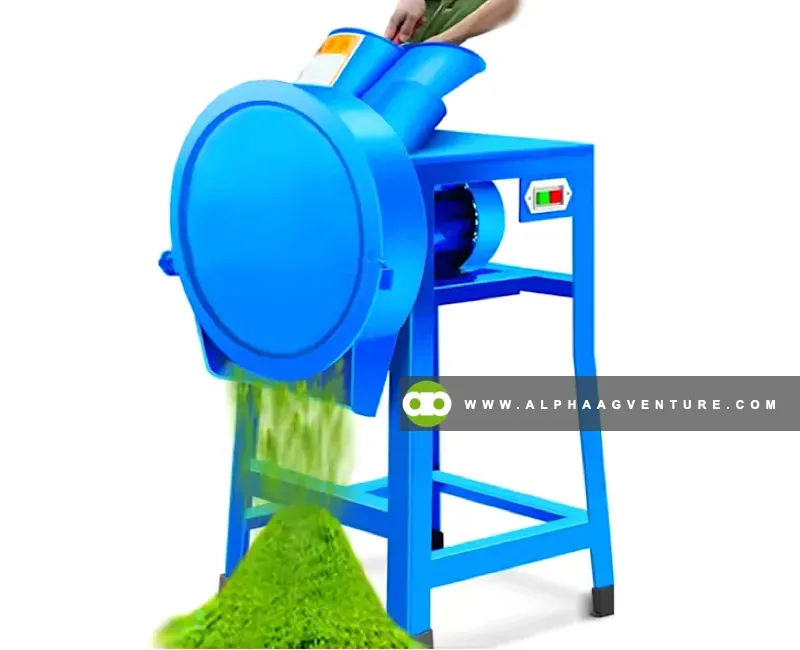
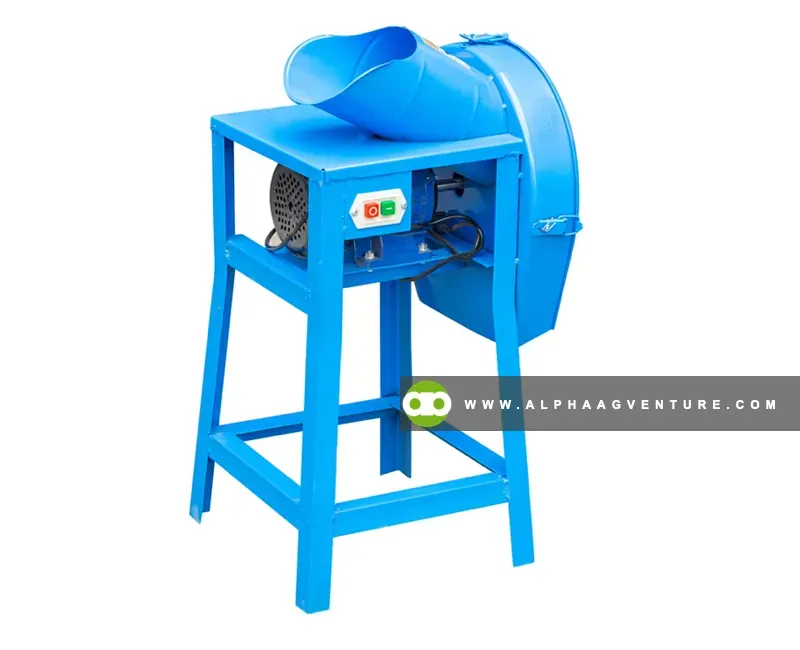
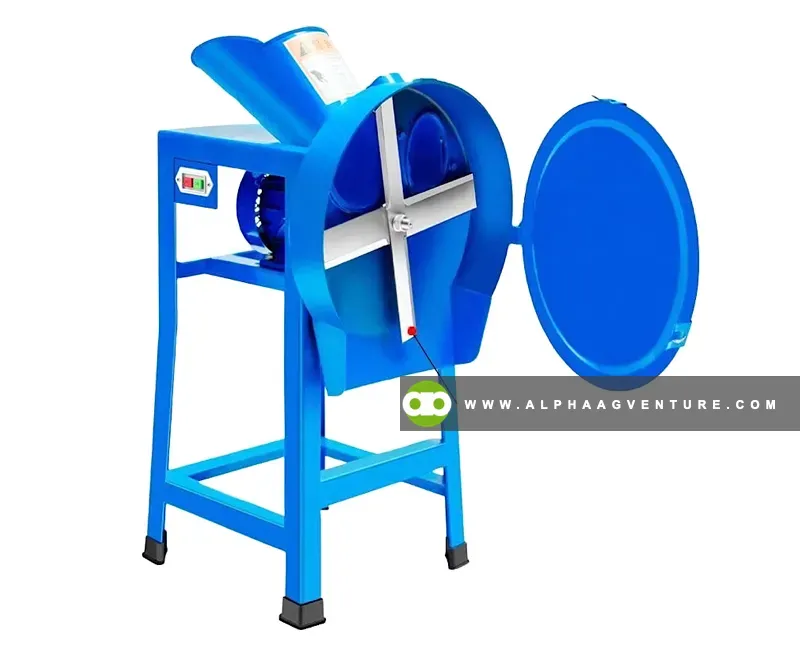
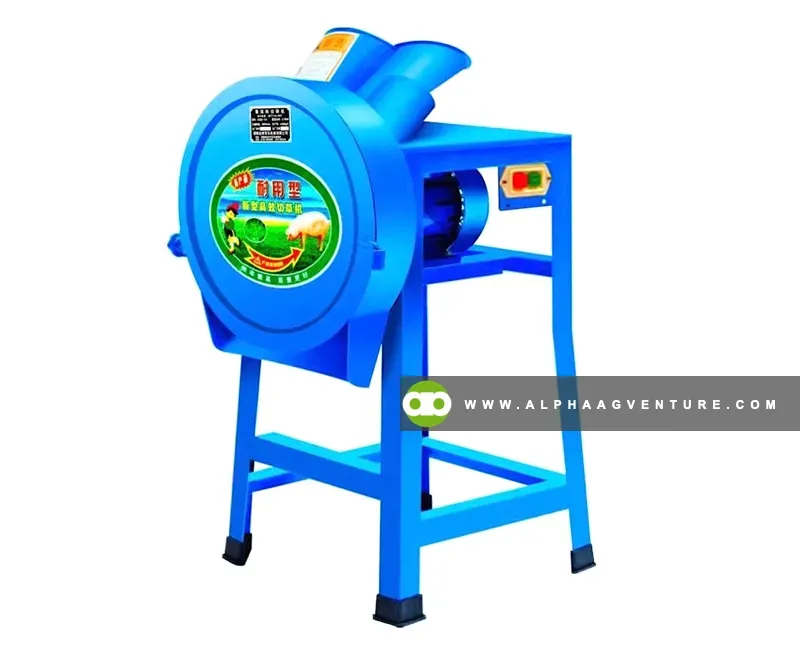
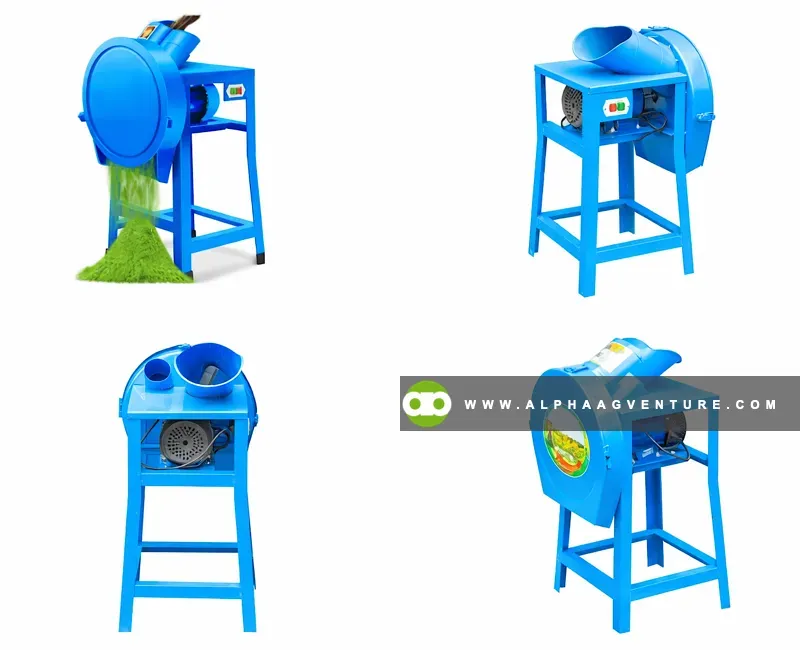
Description
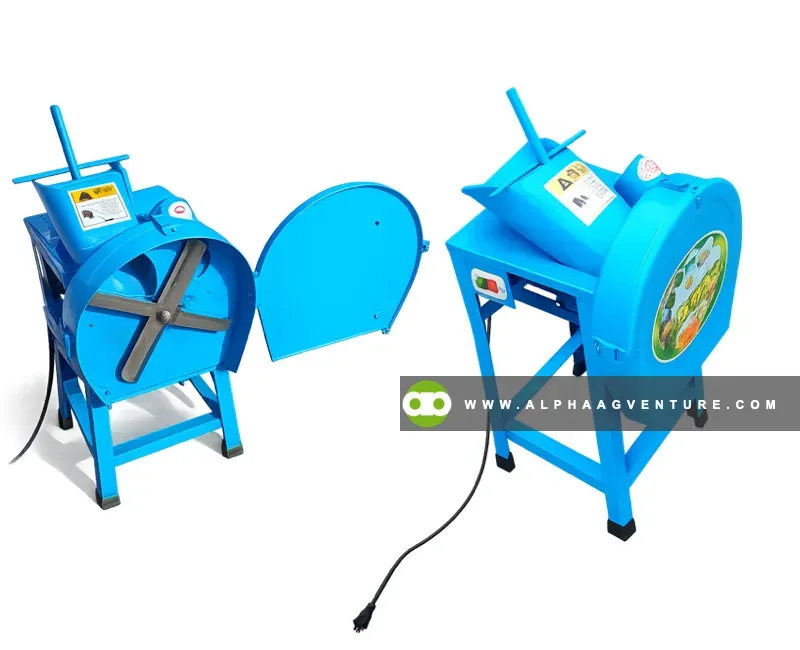
| Model Variant | Motor Power | Blades | Estimated Output | Best Use Case |
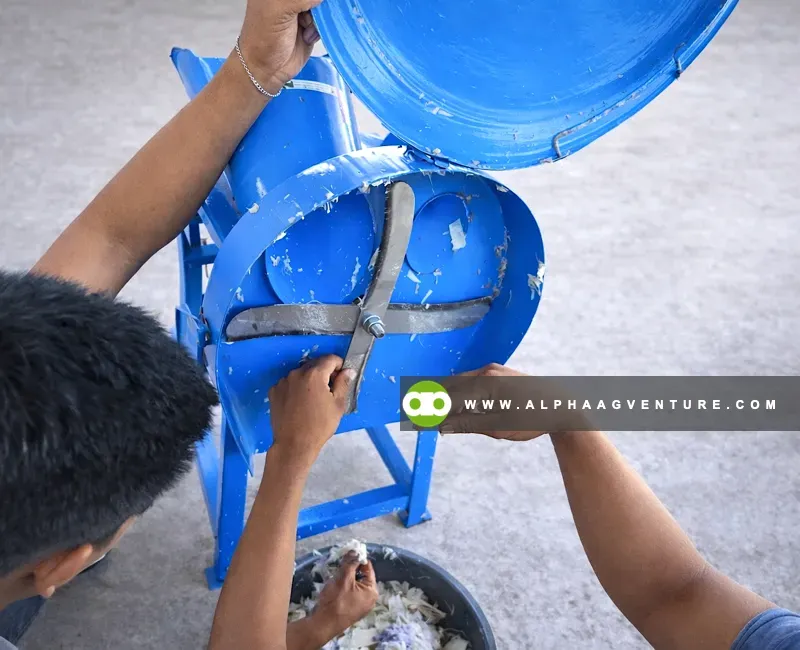
| 2200W Motor (4 blades) | 2200W | 4 blades | Low to Moderate | Backyard raisers, light daily feeding |
| 3300W Motor (4 blades) | 3300W | 4 blades | Moderate | Small farms scaling up |
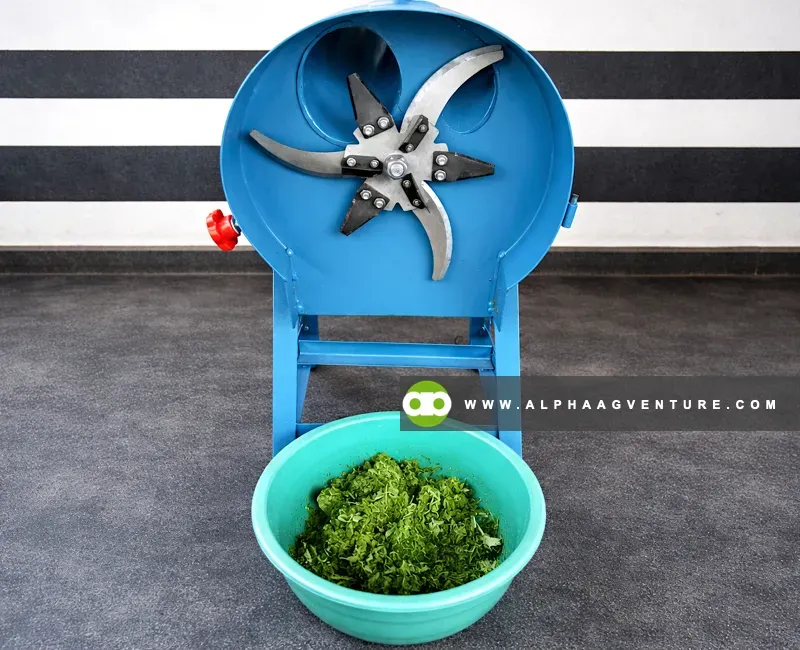
| 3300W Motor (6 blades) | 3300W | 6 blades | Moderate to High | Growing farms needing faster prep |
| 3300W Motor (8 blades) | 3300W | 8 blades | High | Semi-commercial operations |
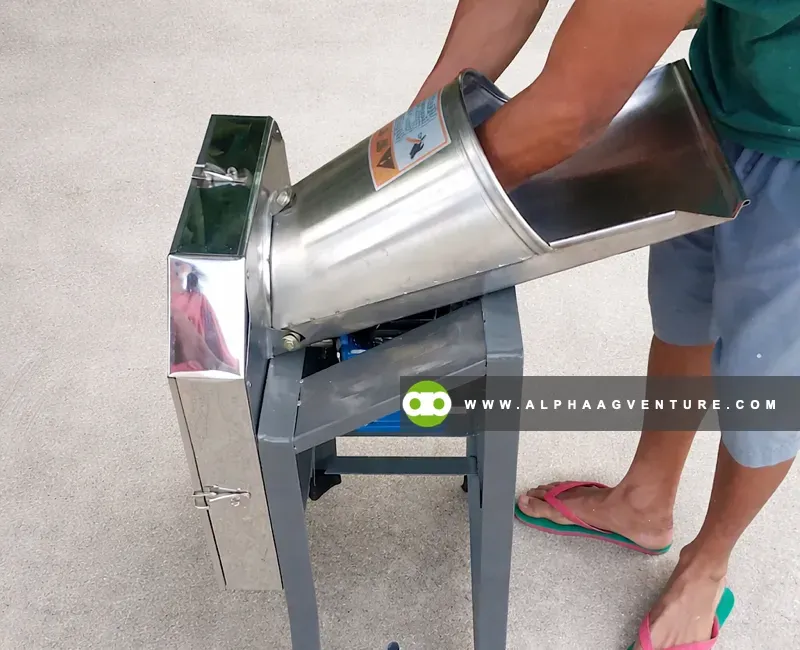
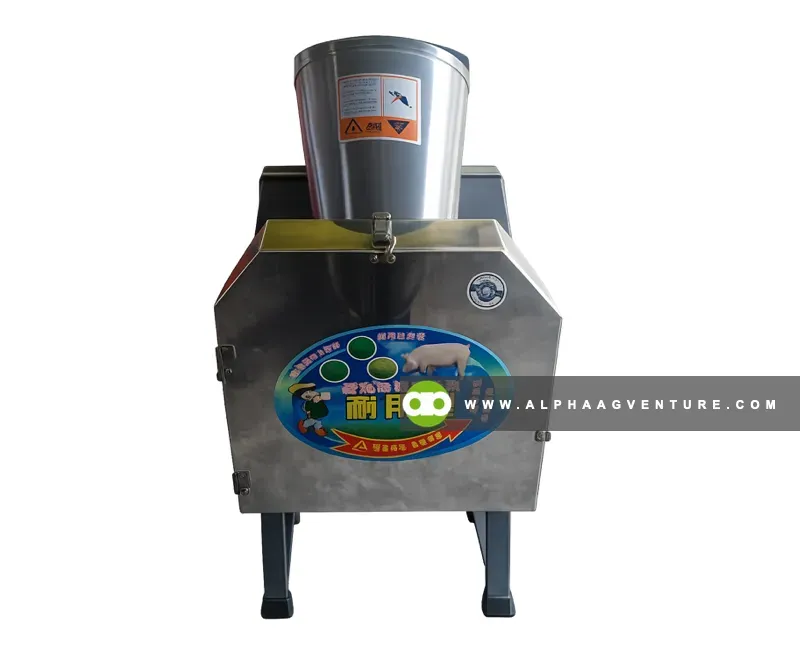
| Stainless Steel (3880W) | 3880W | 4 blades | Very High | Commercial farms, heavy daily workload |
FORAGE AND VEGETABLE SHREDDER FOR SALE
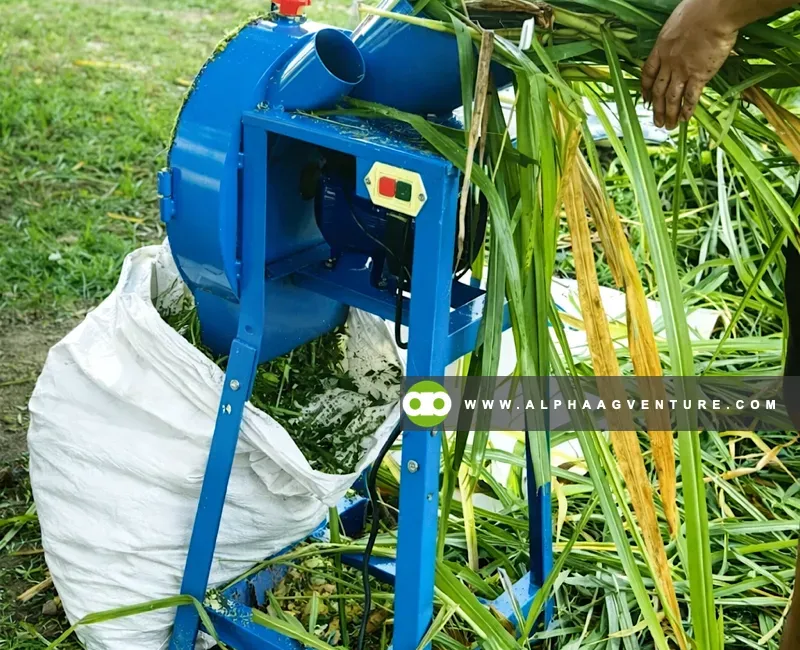
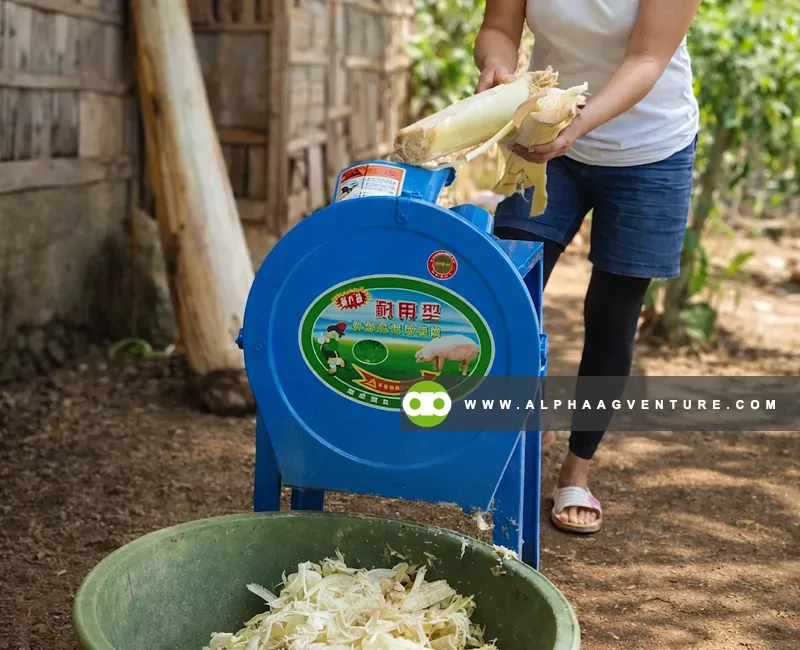
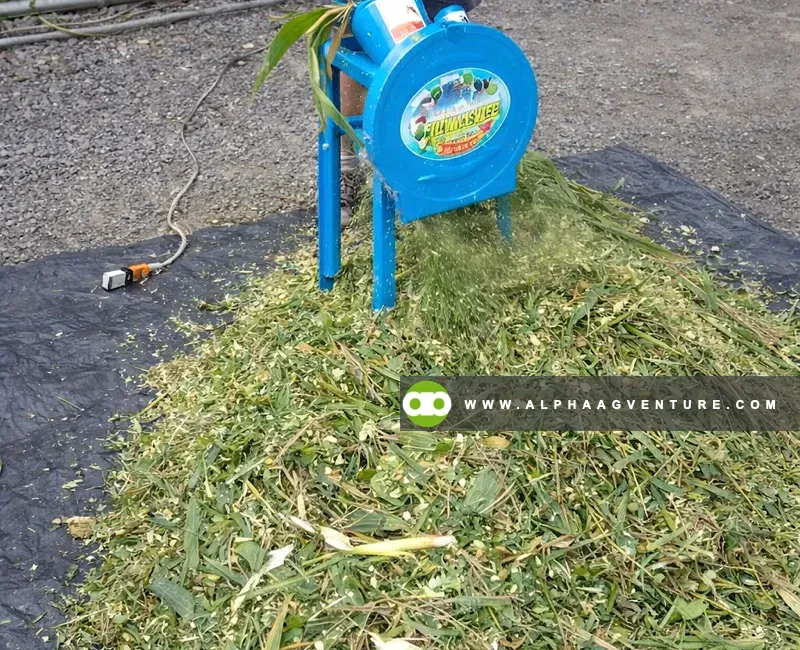
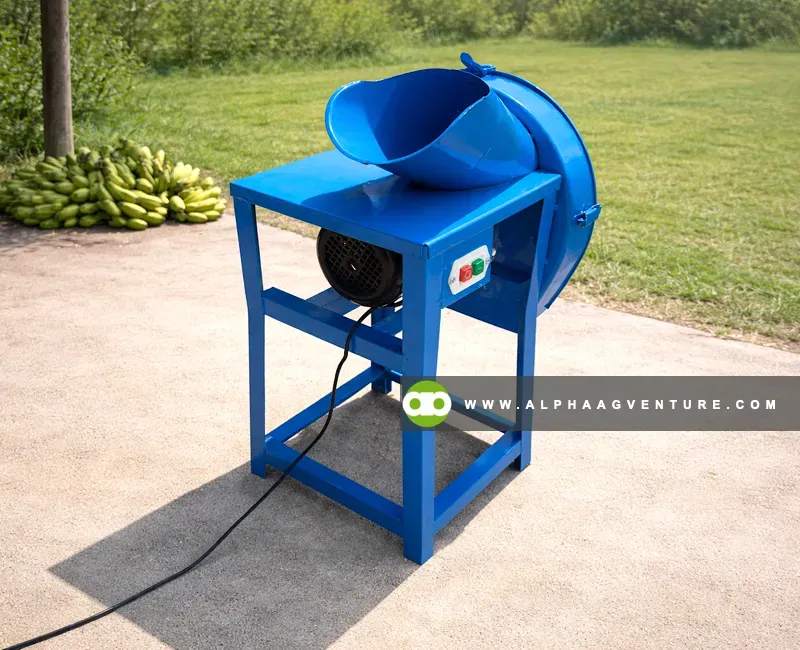
If you’re looking for a forage and vegetable shredder for sale, the goal is simple: reduce labor while improving feed preparation. Manual chopping takes time, effort, and consistency. A proper machine turns that daily burden into a faster, more controlled process that fits real farm routines.
One of the first questions people ask is where to buy a forage and vegetable shredder that actually performs well under daily use. The answer is not always about location, but about choosing a unit that matches the workload and feeding requirements of the farm.
Another concern is the price of a forage and vegetable shredder. Some expect it to be expensive, but the real consideration is value. A machine that saves time daily, reduces feed waste, and improves intake often pays for itself faster than expected.
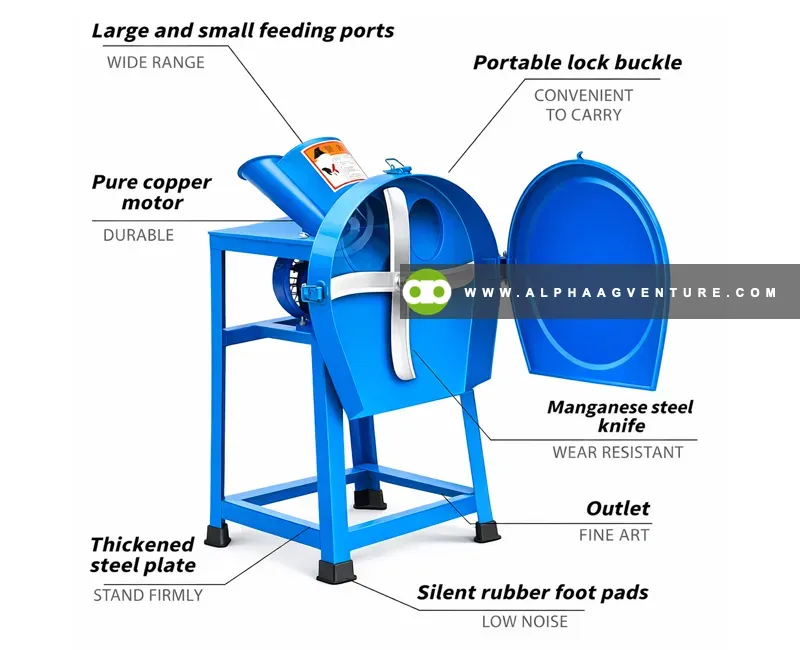
Many also wonder where to buy a forage and vegetable shredder without ending up with something unreliable. It helps to look beyond appearances and focus on durability, ease of use, and whether the machine can handle the kind of materials you process every day.
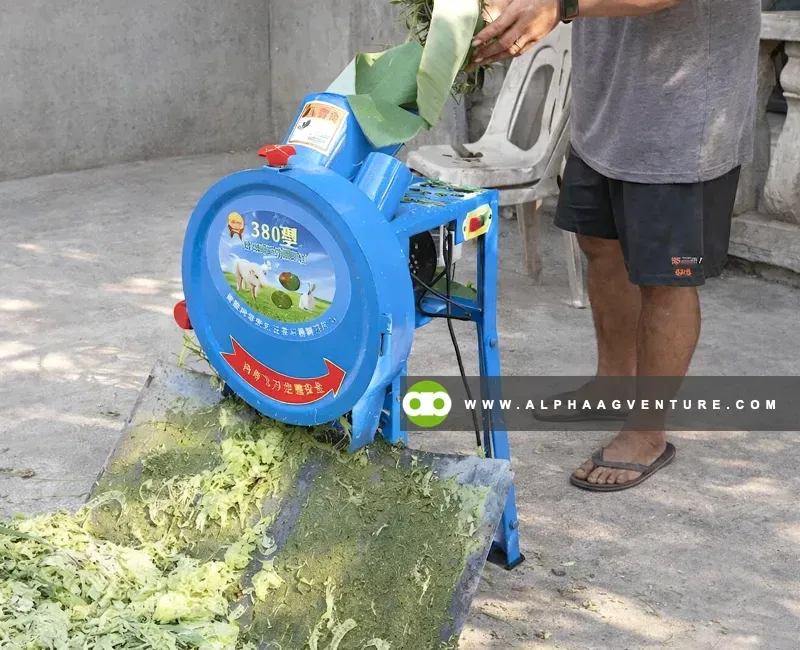
For farms raising mixed livestock, a shredder for chicken, duck, and goat feeds becomes a practical tool. Instead of preparing feeds separately, greens and forage can be processed uniformly, making feeding more efficient and reducing selective eating among animals.
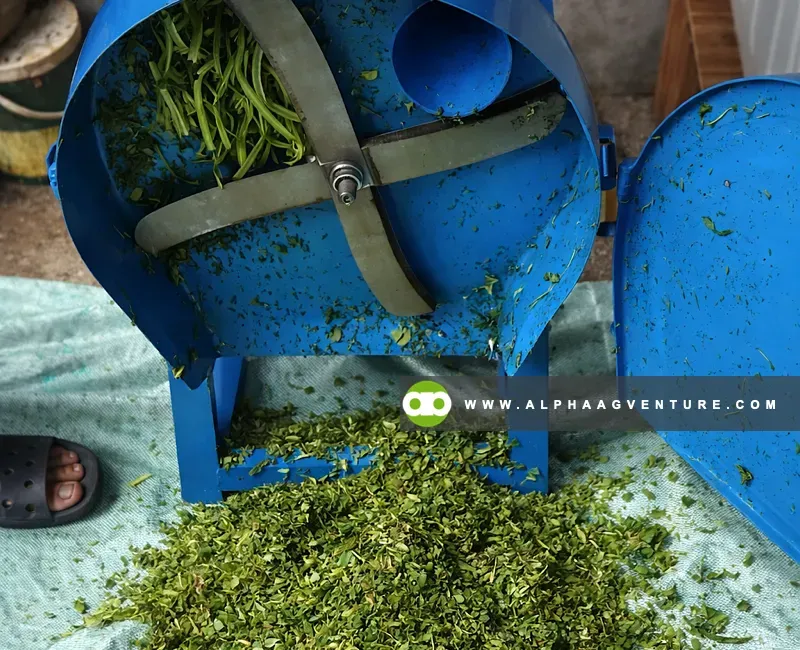
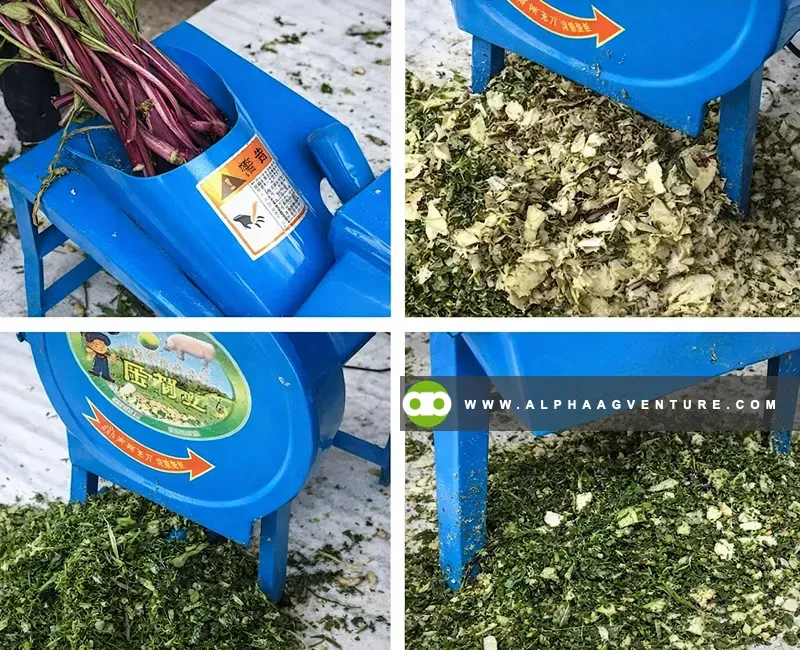
Consistency in cutting matters more than most realize. Evenly shredded materials improve digestion and reduce wastage. Animals tend to consume feeds more completely when the size and texture are uniform, which can lead to better overall performance in the long run.
Ease of use also plays a role in daily operations. A machine that is simple to operate, clean, and maintain is more likely to be used consistently. Complicated equipment often ends up unused, while straightforward tools become part of the routine.
In the end, choosing the right forage and vegetable shredder for sale comes down to matching the machine to your farm’s actual needs. When it fits your workflow, it becomes less of a tool and more of a daily advantage in feed preparation.
FREQUENTLY ASKED QUESTIONS
Can a forage and vegetable shredder handle wet or freshly harvested greens?
Yes. Most shredders can process fresh or slightly moist materials without clogging. For best results, avoid overloading and feed materials gradually.
Is a forage and vegetable shredder safe to use?
It is safe when used properly. Always keep hands away from the cutting area, unplug after use, and ensure the machine is placed on a stable surface.
How loud is a typical shredder during operation?
Noise levels vary, but most units sound similar to common farm or kitchen equipment. Proper placement and stable footing help minimize vibration and noise.
Can it process root crops like cassava or sweet potato?
Yes, but root crops should be cut into smaller pieces first. Feeding large, hard chunks directly may strain the motor or reduce efficiency.
Do I need technical skills to operate a shredder?
No. Most machines are designed to be user-friendly. Basic handling, proper feeding, and routine cleaning are enough for daily use.
What materials can be processed using a shredder?
It can handle grass, leafy vegetables, and soft-stemmed forage. Some units can also process light stalks, depending on their build and cutting system.
How do I clean the machine after use?
Unplug the machine first. Use a brush or light water flow to remove plant residue. Avoid soaking electrical parts and make sure everything is dry before storage.
How often should the blades be maintained?
Blade maintenance depends on usage. Regular users should check sharpness periodically and clean the blades after each session to maintain performance.
Can the shredder be used for different types of livestock feed?
Yes. It is commonly used for preparing feed for poultry, goats, pigs, cattle, and other livestock, making it a versatile tool on the farm.
What should I consider before choosing a shredder?
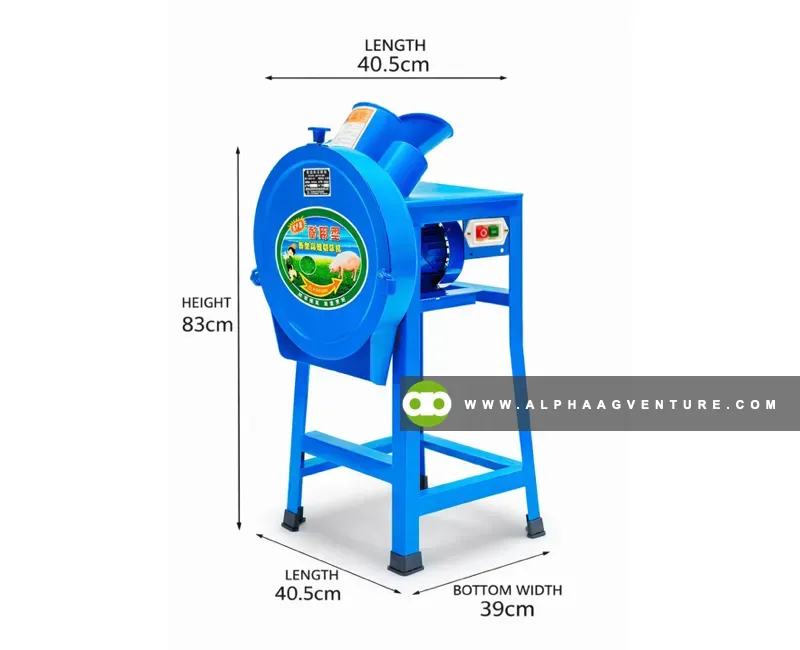
Consider your daily workload, available space, type of materials to be processed, and ease of maintenance. Choosing based on actual needs ensures better long-term use.
Reviews
There are no reviews yet.