

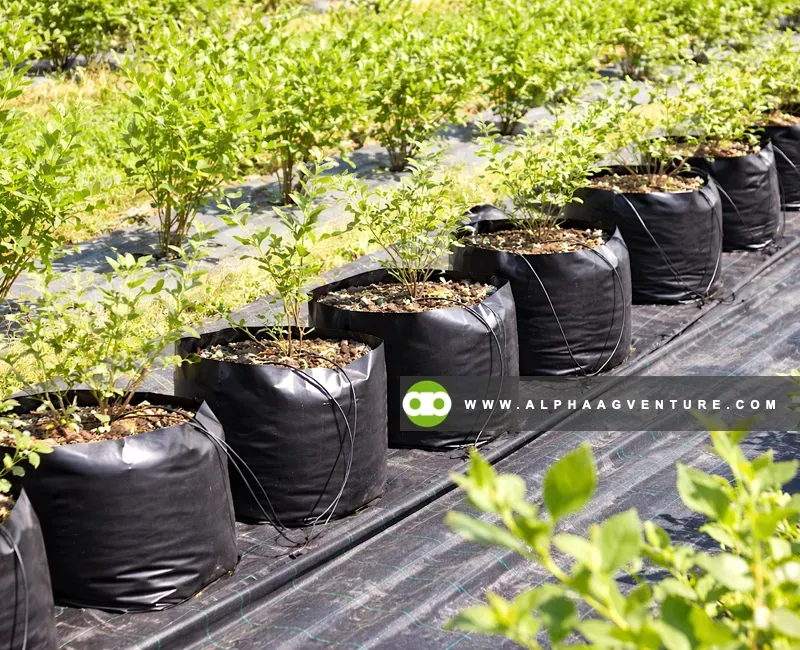
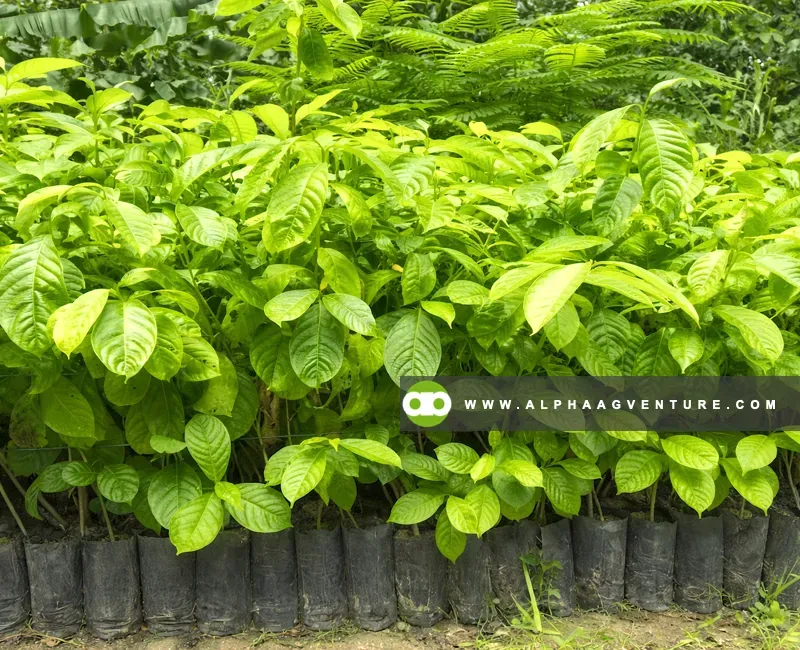
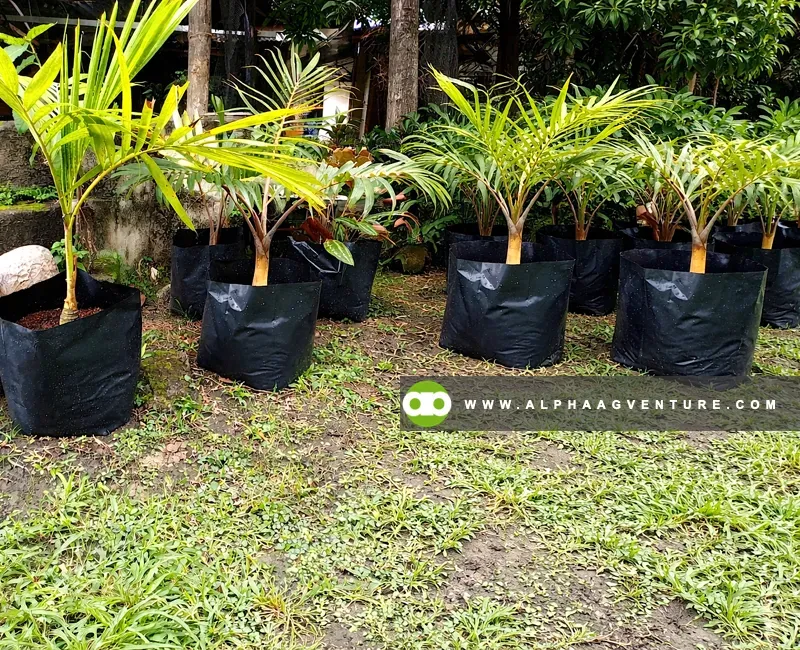
Description
SEEDLING BAGS FOR SALE
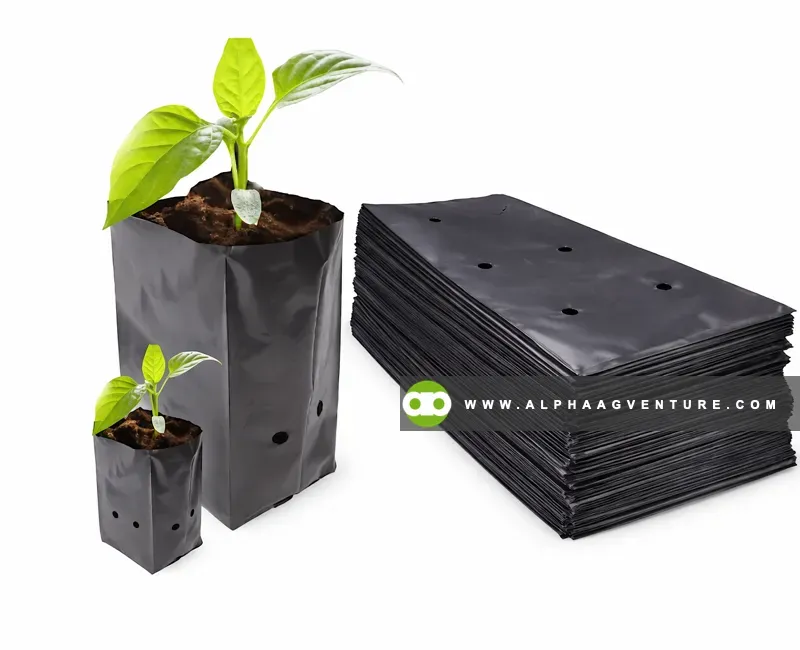
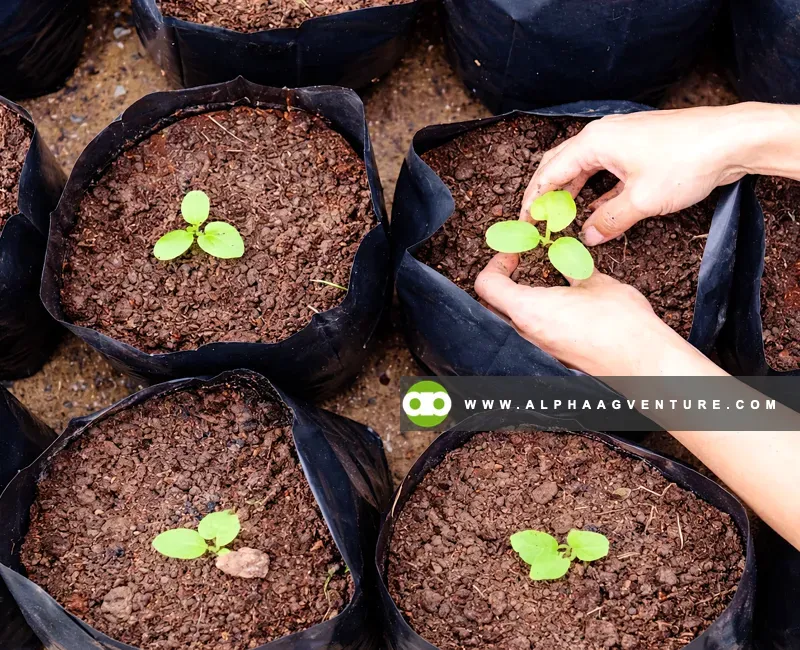
Seedling bags for sale solve a problem most growers only notice after losses begin. Weak containers collapse, roots circle, and seedlings stall before transplanting. A proper bag sets the stage early. It controls moisture, supports root direction, and keeps soil contained, which leads to stronger, more transplant-ready plants across different growing conditions.
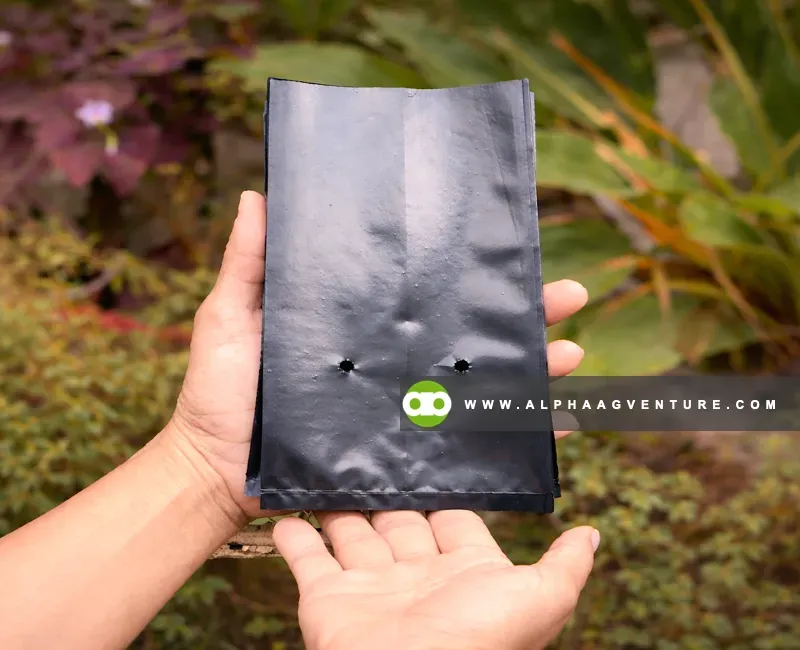
There is a common belief that any plastic container can do the job. That assumption usually ends in uneven growth. These bags are structured with intentional thickness and drainage points. Water exits when needed, air enters where required, and roots expand without restriction. The difference shows clearly once seedlings reach transplant size.
Questions about where to buy seedling bags usually come down to trust. Not all suppliers maintain consistent sizing or material quality. A mismatch in bag dimensions alone can disrupt spacing plans and irrigation schedules. Reliable sourcing ensures uniformity, which is critical when managing multiple trays, rows, or nursery sections at scale.
Another concern revolves around tearing during handling. This product addresses that directly. The material resists punctures from sticks, stones, and root pressure. Even during transport or repositioning, the bags hold their shape. That reliability reduces wasted effort and prevents the frustration of replacing damaged containers in the middle of operations.
When evaluating the price of seedling bags, the real question is cost per successful plant. Lower-priced options often fail under routine use. Replacements, delays, and poor growth quickly erase any savings. Investing in dependable bags leads to fewer disruptions, better survival rates, and more predictable outcomes throughout the planting cycle.
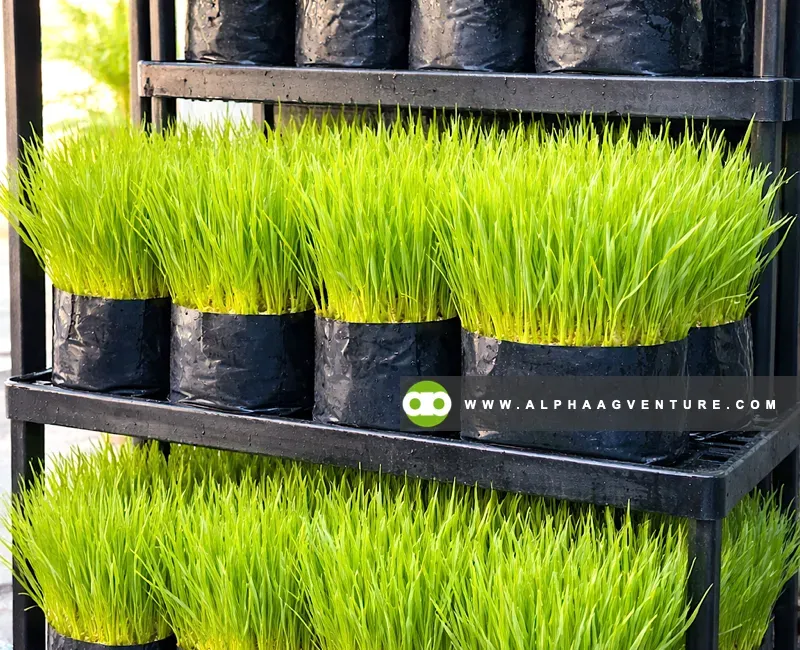
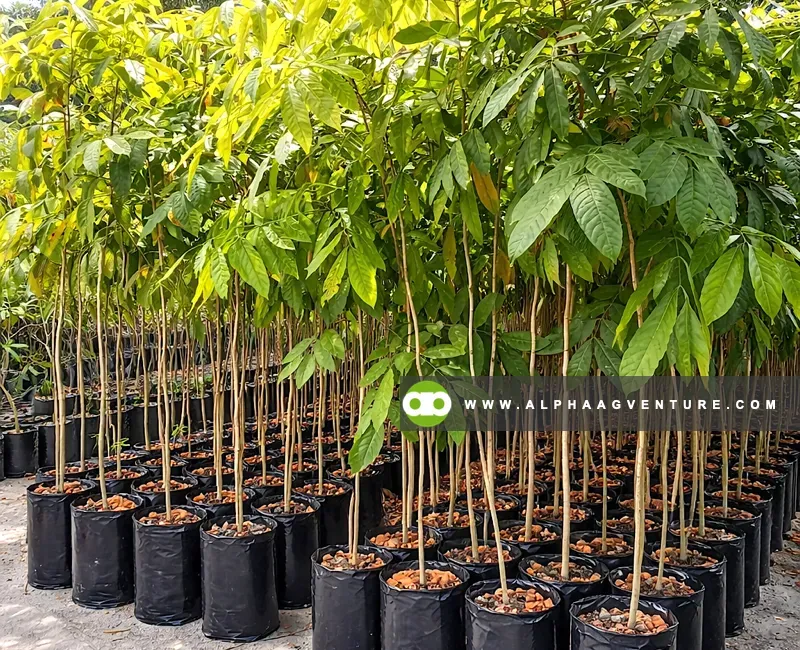
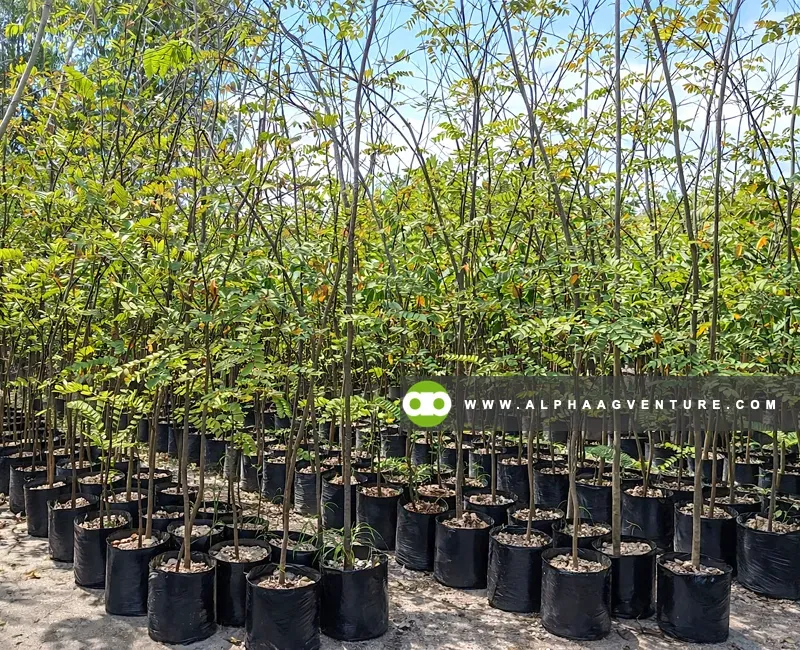
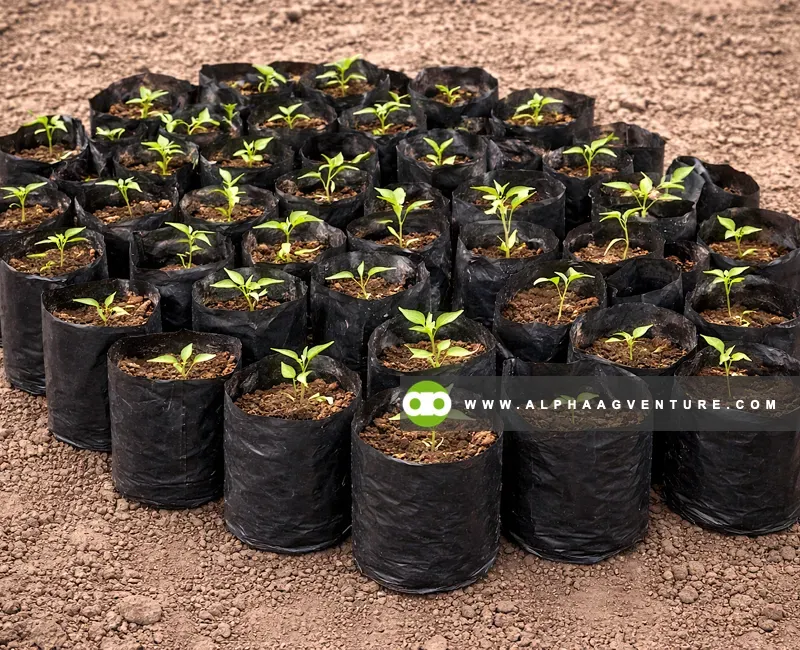
Flexibility matters, especially for farms that handle different crops. These bags accommodate seedlings ranging from leafy vegetables to tree species. Their structure supports varying root behaviors without constant adjustments. This makes them suitable for growers who need one reliable solution instead of juggling multiple container types for different planting programs.
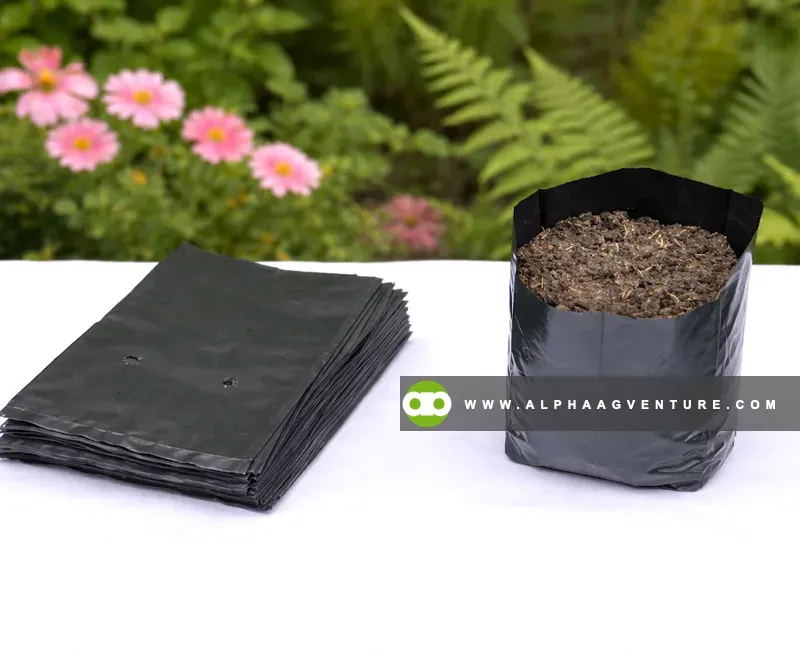
Ease of use is another advantage that often gets overlooked. The bags stack efficiently, separate without hassle, and fill quickly during preparation. Workers can move faster without dealing with tangled or misshapen containers. This saves time during high-demand periods, especially when large batches of seedlings need immediate attention.
Selecting the right supplier of seedling bags determines whether these benefits are consistent or occasional. Alpha Agventure Farms offers products tested under actual farm conditions, not just listed on paper. For growers who want dependable performance, this option delivers seedling bags for sale that meet practical expectations in real operations.
FREQUENTLY ASKED QUESTIONS
Are seedling bags only for tree seedlings, or can they also work for vegetables and forage crops?
Yes, seedling bags can work for far more than tree seedlings. They are also useful for vegetables, forage crops, ornamentals, and fruit-bearing plants, provided the bag size matches the crop’s early root needs. Many growers assume seedling bags are too heavy-duty for smaller crops, but that is not true. What matters most is choosing the right dimensions, soil mix, and watering practice so the seedling develops properly before transplanting.
Will the black color of seedling bags make the roots too hot under direct sun?
That concern is understandable because black plastic absorbs heat more than lighter colors. However, root overheating usually happens because of poor nursery management rather than the bag color alone. Proper spacing, timely watering, and partial shade during sensitive stages make a major difference. In real nursery use, black seedling bags remain a standard because they are practical, widely available, and effective when paired with sensible handling conditions.
Can seedling bags be reused, or are they intended for one-time use only?
Many buyers ask this because they want to reduce waste and control costs. The answer depends on how the bags are handled during filling, watering, and transplanting. If the material is thick enough and removal is done carefully, some seedling bags can still be reused for another cycle. That said, repeated use should not come at the expense of sanitation. If a bag is torn, stretched, or contaminated, replacement is the smarter choice.
How do I know what size of seedling bag I should choose for my crop?
This is one of the most important questions because the wrong size can slow root development or waste space and soil. Smaller crops with short nursery periods usually need less volume, while trees and long-hold seedlings require more room. Buyers should not choose based on guesswork alone. The right size depends on crop type, nursery duration, transplant schedule, and root growth habit. A good supplier should help guide that decision clearly.
Do seedling bags tear easily when filled with wet soil and moved around often?
Some cheap bags do, and that is exactly why buyers should be careful. Wet media adds significant weight, especially when bags are lifted, dragged, or packed tightly in transport. A low-quality bag may split at the sides or bottom under normal nursery use. Better seedling bags are made to handle repeated watering, soil load, and movement with less risk of failure. That difference becomes obvious once real work begins.
Are seedling bags difficult to remove during transplanting?
They should not be difficult if the seedling is at the proper transplant stage and the bag is handled correctly. The usual method is to cut or peel the bag carefully so the root ball stays intact. Problems often happen when seedlings stay too long and roots become overly dense, or when the soil is too loose and falls apart. With proper timing and moisture condition, removal is straightforward and does not have to damage roots.
What happens if the seedlings stay in the bags longer than planned?
Seedling bags are helpful, but they are not meant to delay transplanting forever. When seedlings remain too long in undersized containers, roots may circle, growth may stall, and transplant shock may become more likely later. That does not mean the bags are defective. It means container size and nursery timing must match the crop plan. Buyers should see seedling bags as part of a system, not as a cure for delayed field preparation.
Are all seedling bags with holes the same, or does hole placement really matter?
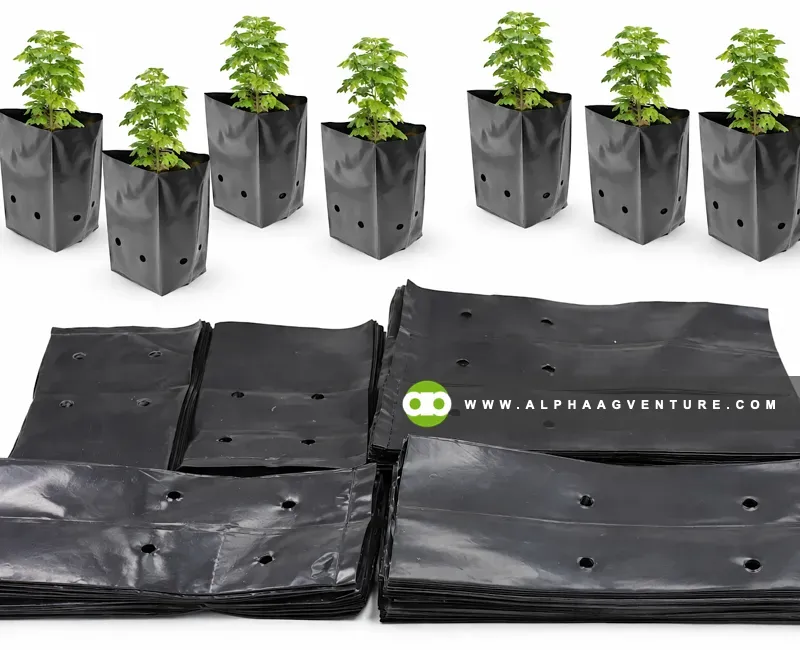
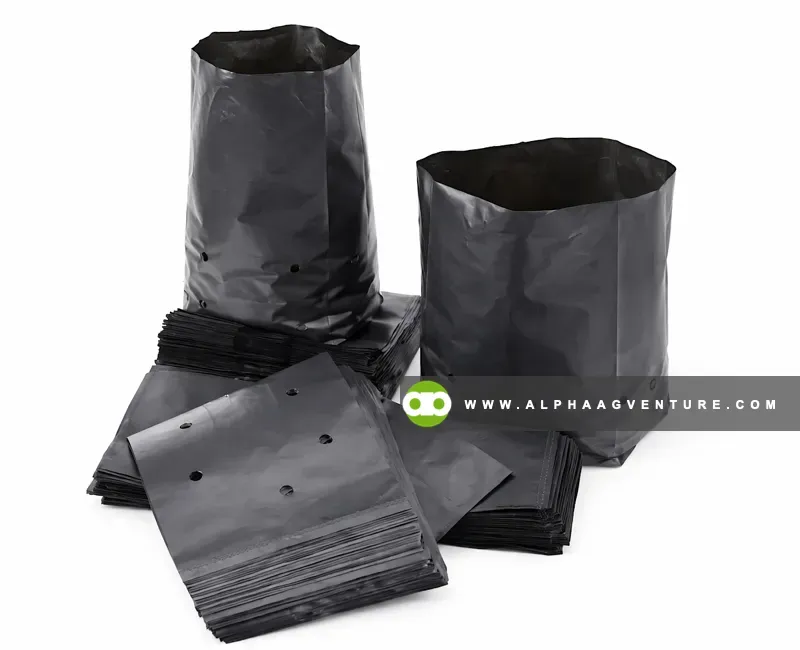
Hole placement matters more than many buyers think. Holes influence drainage, airflow, and how water moves through the growing media. A bag with poorly placed perforations may hold excess moisture in one area and dry too quickly in another. That imbalance can affect root health and seedling uniformity. It is not just about having holes. It is about having them in the right number, size, and position for consistent nursery performance.
Can seedling bags be shipped in bulk without arriving crushed or unusable?
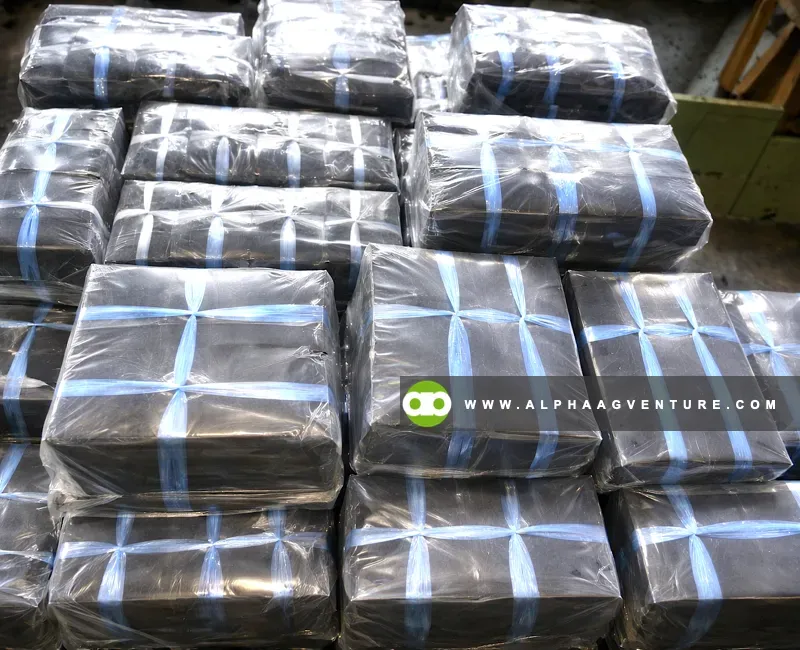
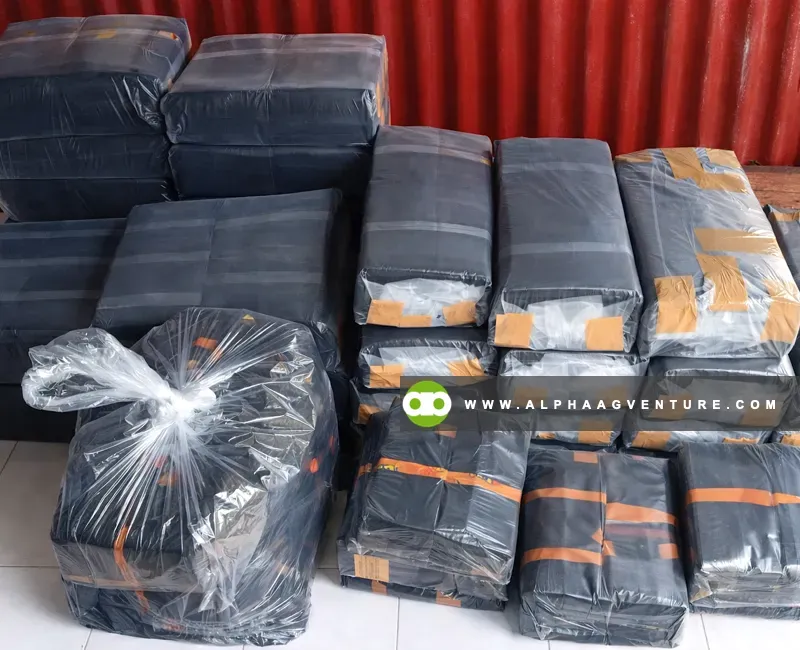
Yes, they can be shipped in bulk effectively because seedling bags are naturally stackable and compact compared with rigid pots. Still, packaging and handling matter. Buyers should expect clean bundling, organized counts, and material that does not arrive fused, brittle, or deformed. A dependable supplier understands that product condition upon arrival affects labor efficiency. Bags should be ready to separate, fill, and use without causing delays in nursery preparation.
Why should I buy from a farm-based seller instead of a generic plastic supplier?
A generic plastic seller may offer bags, but a farm-based seller often understands how those bags perform under actual nursery conditions. That difference matters when buyers need guidance on size, expected use, crop suitability, and practical handling. The product is not just plastic cut into shape. It is a nursery tool. A supplier with real farming exposure is usually better positioned to recommend options that match agricultural use, not just warehouse inventory.
Reviews
There are no reviews yet.