

Description
GOAT HEALTHCARE SERVICES FOR HIRE
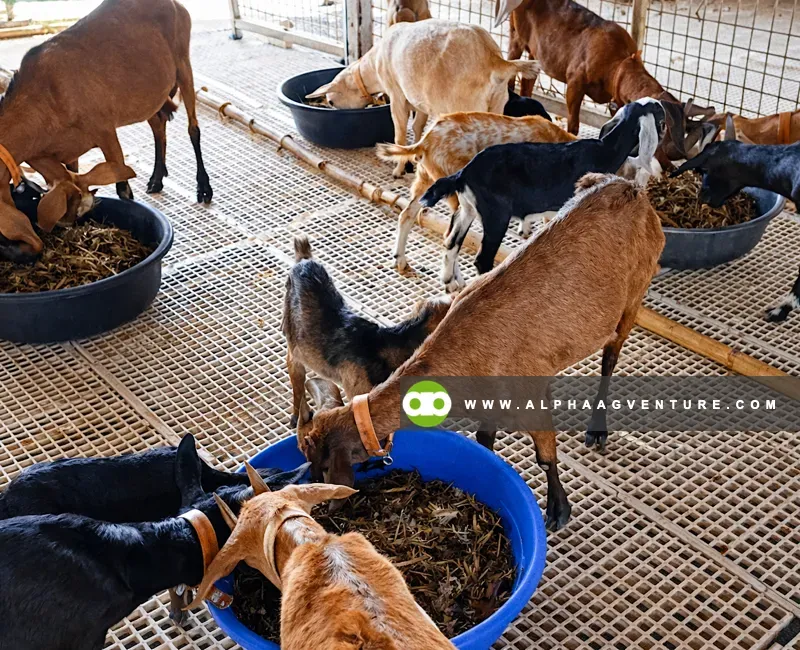
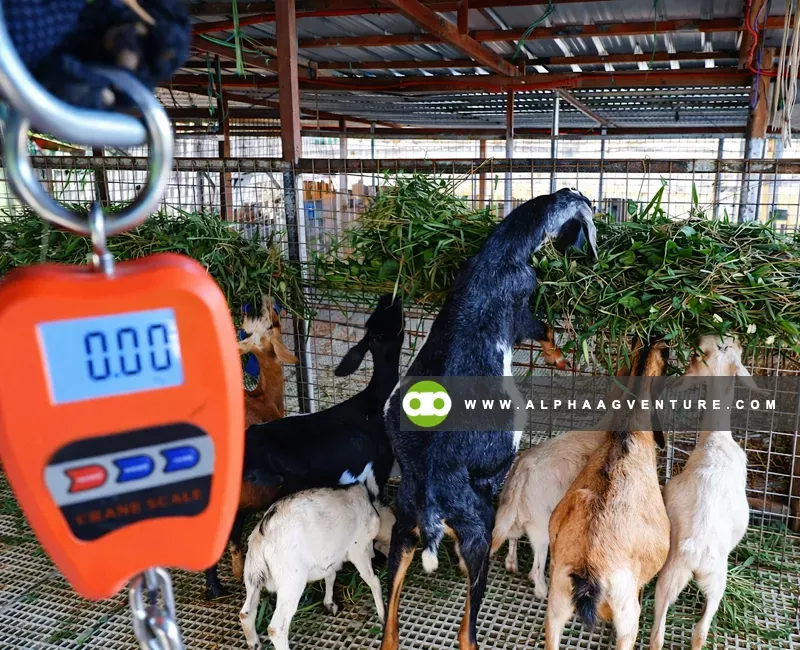
Are you giving your herd the right goat healthcare in the Philippines? Proper health management is essential for hybrid, Anglo-Nubian, Boer, and other breeds of goats to maximize growth, fertility, and disease resistance. To address common health challenges, we offer deworming, vitamin supplementation, and delousing services. These services are designed to keep your herd in peak condition.
GOAT DEWORMING
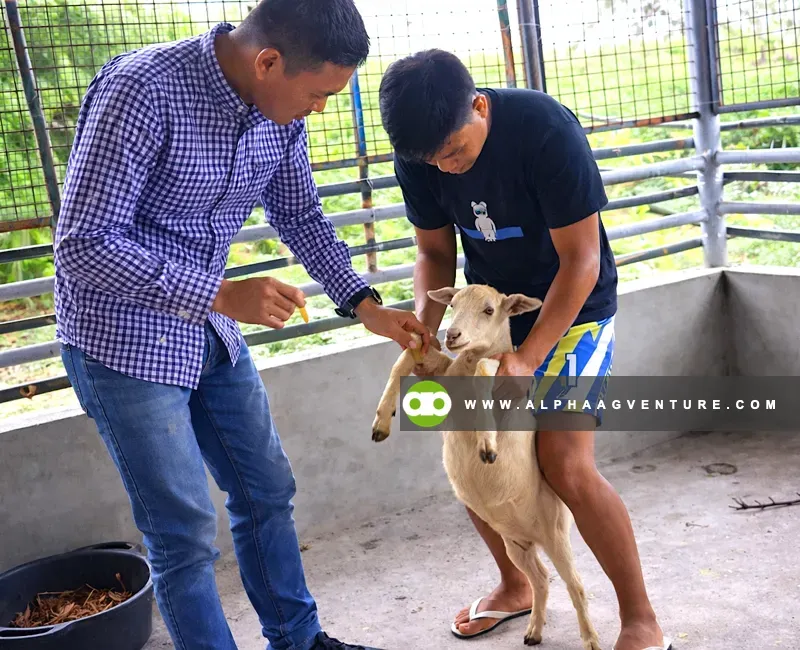
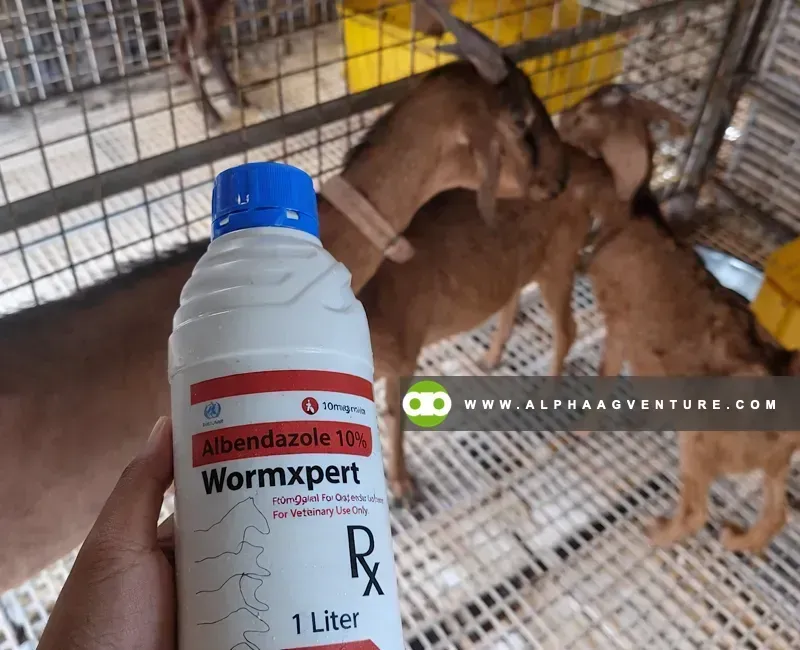
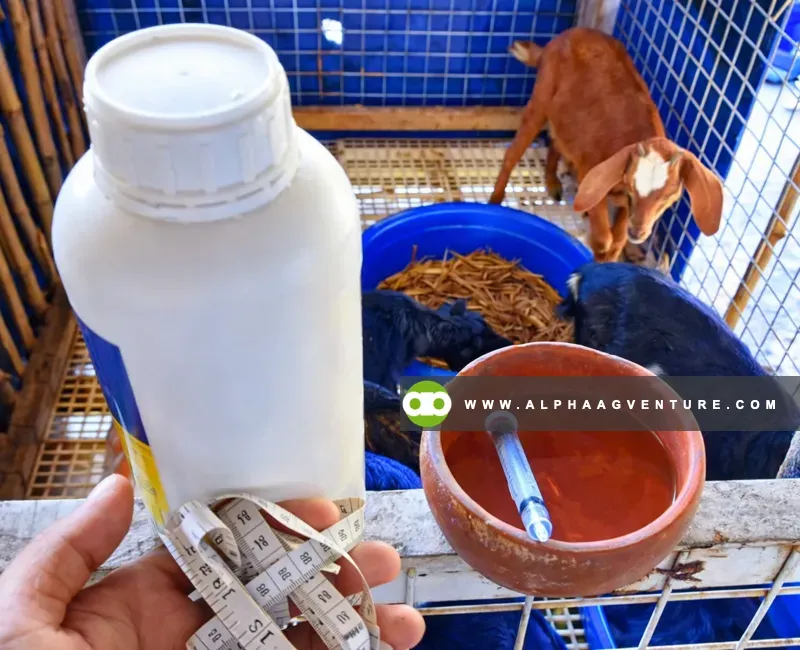
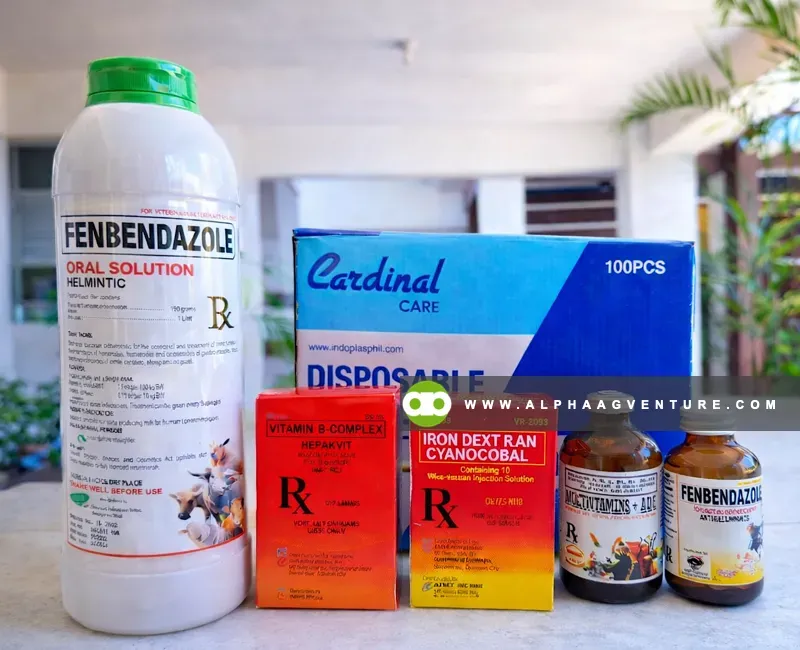
Goat deworming is critical in preventing parasitic infestations that cause anemia, diarrhea, and bottle jaw – conditions that severely affect productivity. Internal parasites deprive goats of essential nutrients, leading to poor growth, weak immune response, and reproductive failure. A well-planned deworming schedule effectively controls these threats, ensuring optimal weight gain and reducing economic losses in both meat and dairy production.
GOAT VITAMIN SUPPLEMENTATION
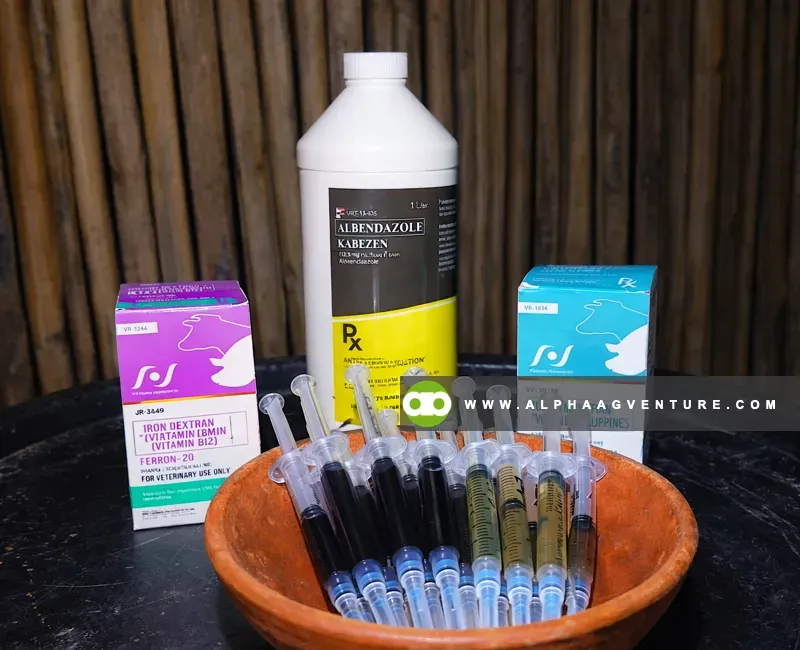
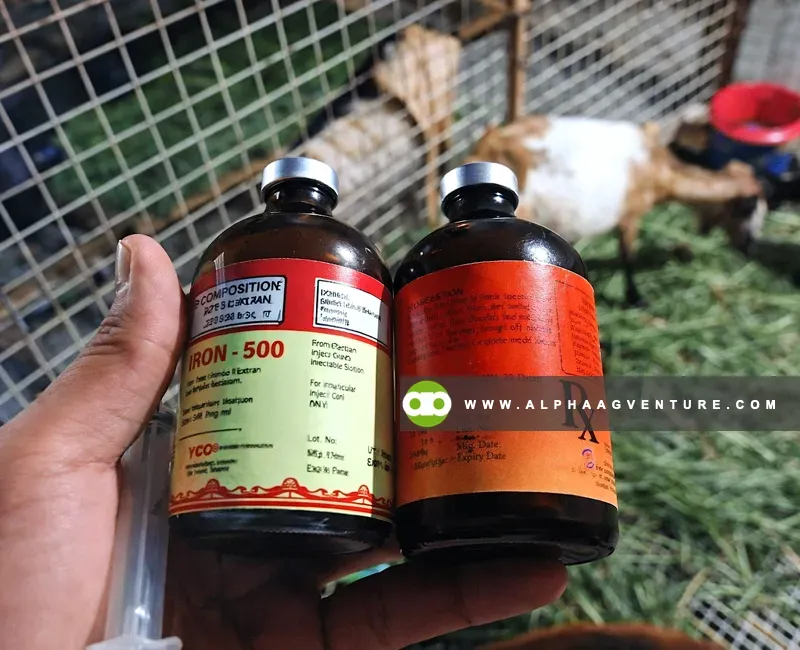
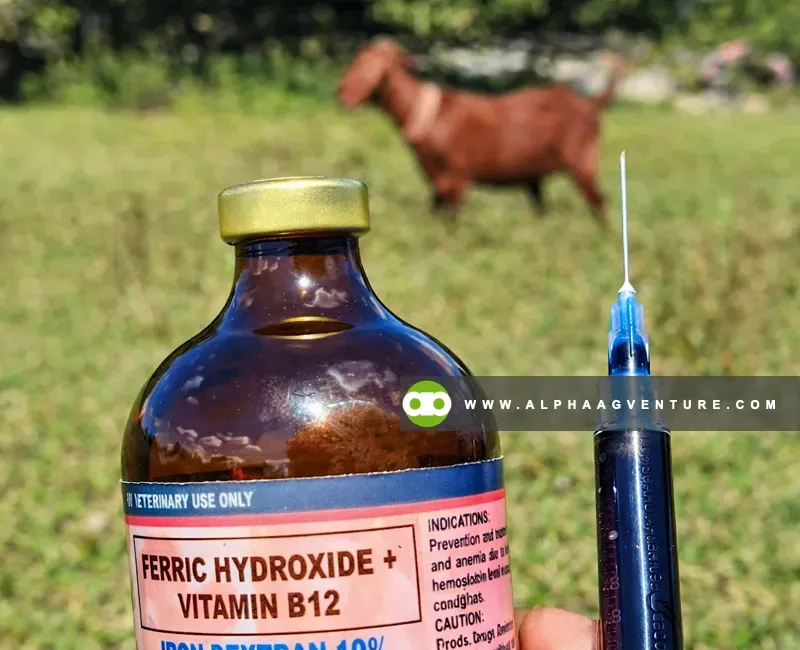
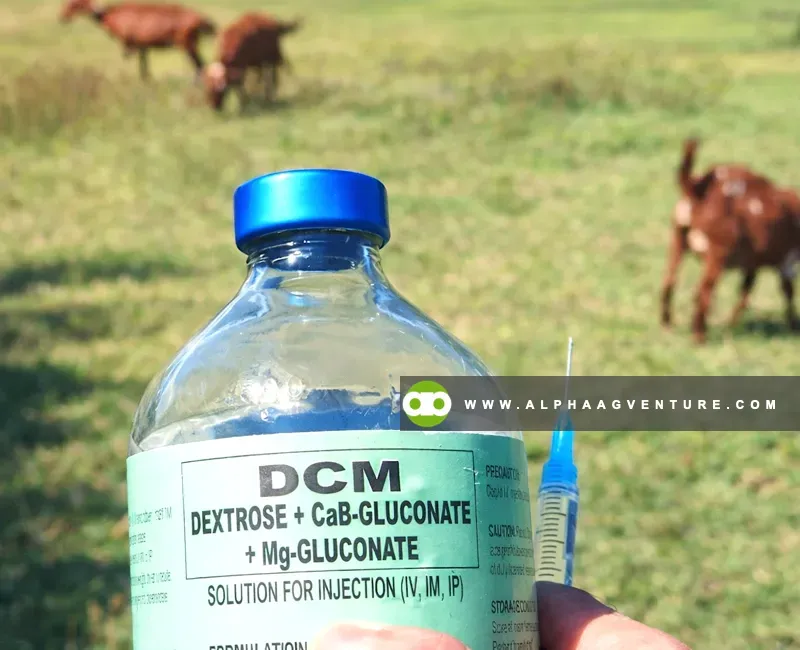
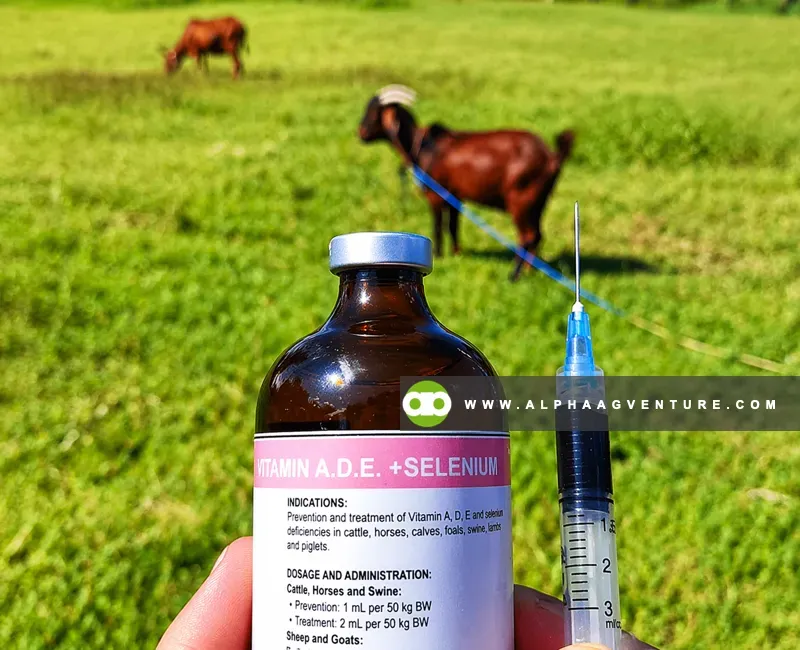
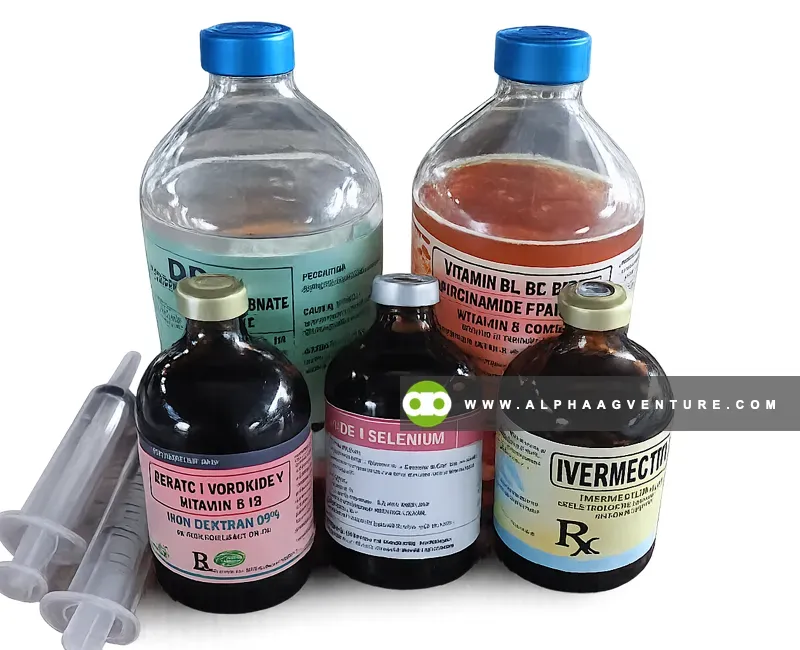
Vitamin supplementation strengthens immunity and overall vitality. We administer Vitamin B-Complex for energy metabolism, Iron Dextran to prevent anemia, Vitamin ADE for reproductive health and immune function, and DCM for bone development. These supplements support faster recovery from illnesses, improve kidding success rates, and enhance overall herd resilience, particularly in intensively managed goat farms.
GOAT DELOUSING
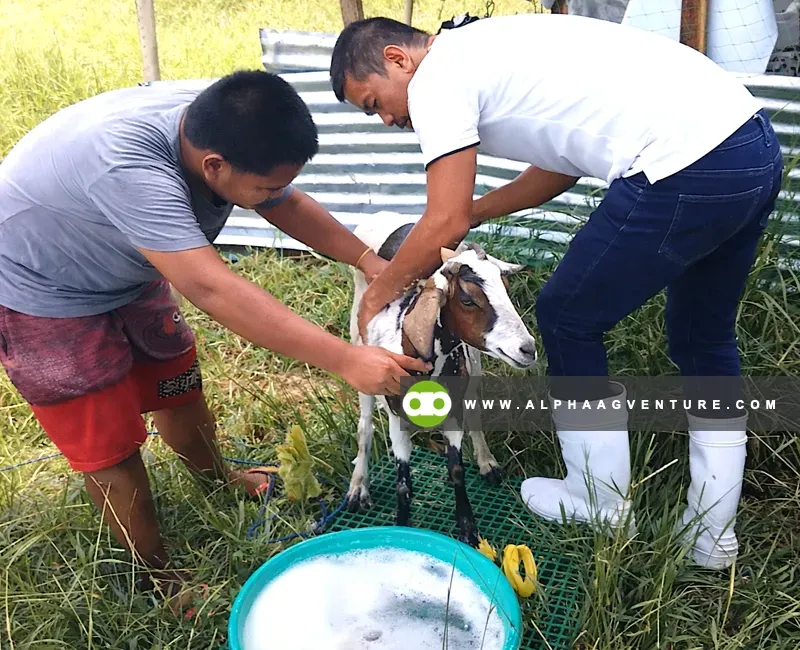
Bathing your goats prevents ectoparasite infestations that cause itching, anemia, and secondary infections. Lice and mites lead to reduced feed efficiency and poor coat quality. Strategic use of insecticidal treatments and improved housing sanitation minimizes parasite burdens, enhancing skin health, fiber production, and overall animal comfort.
For comprehensive goat healthcare services in the Philippines, we provide expert livestock health management solutions directly at our clients’ farms. Our specialized treatments ensure optimal herd productivity, disease prevention, and long-term profitability. Investing in our professional healthcare services improves herd longevity and overall farm efficiency, making it an essential component of responsible goat farming.
FREQUENTLY ASKED QUESTIONS
Why should I hire a professional when I can administer dewormers and vitamins myself?
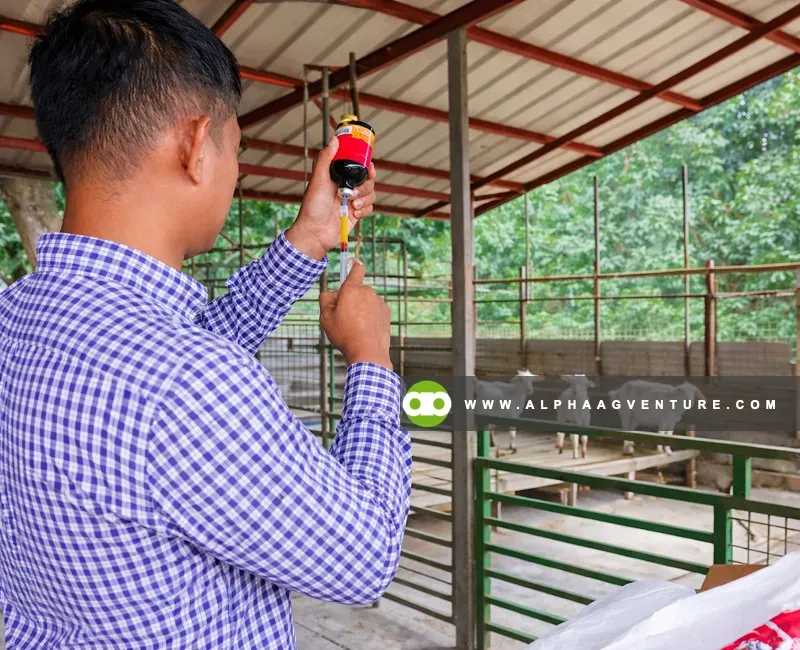
Administering dewormers and vitamins is not just about giving a product and hoping for the best. The dosage, route of administration, timing, and overall condition of the goat all matter. A professional approach helps reduce the risk of underdosing, overdosing, poor absorption, injection-site problems, and wasted treatment. It also helps protect herd performance, especially when the goal is not just treatment, but measurable results.
Isn’t regular deworming harmful to goats because of drug resistance?
Yes, improper and unnecessary deworming can contribute to drug resistance, which is one of the biggest long-term problems in goat health management. That is exactly why deworming should be done strategically, not carelessly. The goal is to use the right dewormer, at the right interval, and in the right manner. A more disciplined approach helps control parasite loads while reducing the chance of turning common dewormers into expensive disappointments.
Can’t I just buy vitamins from the store and give them to my goats?
Buying vitamins is easy. Using them properly is a different story. Not all vitamin products are formulated the same way, and not all goats need the same support at the same time. Factors such as age, stress level, production stage, anemia risk, and general body condition matter. Proper vitamin supplementation helps avoid waste, poor response, and unnecessary expense. The goal is not simply to give vitamins, but to give the right support with the right dosage and timing.
My goats don’t have lice. Do I still need delousing?
Not all lice and mite problems are obvious in the early stage. By the time hair loss, constant scratching, skin irritation, or poor coat condition become visible, the infestation may already be affecting multiple animals. Preventive delousing helps reduce the chance of a wider outbreak inside the herd. It is often easier and cheaper to stay ahead of the problem than to wait until the goats start looking uncomfortable, stressed, and unthrifty.
What happens if I don’t trim my goats’ hooves?
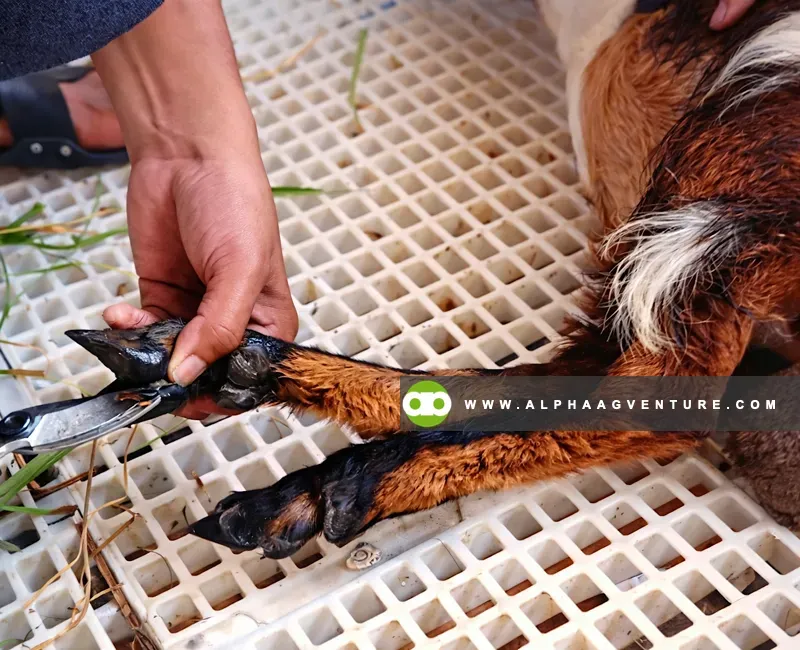
When hooves are left untrimmed, they can overgrow and change the way a goat stands and walks. That creates pressure on joints, increases the risk of lameness, and makes the animal less willing to move, eat, and breed normally. Overgrown hooves can also trap dirt and moisture, which may lead to infections and foul-smelling foot problems. Regular hoof trimming supports comfort, mobility, and overall herd performance.
Orf heals on its own, so why pay for treatment?
Orf can sometimes resolve on its own, but that does not mean it should be ignored. During the healing period, affected goats may struggle to eat properly because of painful lesions around the mouth. That can lead to reduced feed intake, slower growth, weight loss, and more stress within the herd. Supportive care and timely management can help reduce complications, encourage recovery, and limit the spread to other goats in the group.
Is pinkeye really a serious concern for goats?
Yes, pinkeye should be taken seriously because it can quickly affect a goat’s comfort, vision, and ability to function normally. A goat with eye pain may avoid bright areas, eat less aggressively, and move less confidently. If neglected, the condition may worsen and lead to more serious damage. Early treatment is usually far better than waiting for the problem to become severe. Healthy eyes support better grazing, movement, and daily productivity.
I’ve never seen a vet trim hooves. Why is this necessary?
Hoof trimming is one of those jobs that many farmers delay until the goat is already limping badly. That is the problem. Preventive hoof care is much easier than corrective hoof care. Waiting too long can lead to pain, poor posture, reduced feed intake, and a greater chance of infection. Regular trimming helps maintain proper foot shape and weight distribution. In simple terms, good hooves help keep goats active, comfortable, and productive.
Won’t these services cost more than just treating issues when they arise?
It may seem cheaper to wait until there is already a problem, but delayed treatment usually becomes more expensive in the long run. Sick goats may lose weight, produce less, breed poorly, or require repeated treatment. Some conditions also spread, which multiplies the cost across the herd. Preventive goat healthcare services in the Philippines help reduce avoidable losses. Spending earlier on proper care often saves much more than spending later on damage control.
Can you just send the medicines and let me administer them myself?
Yes, dewormers and vitamins can be purchased as individual products. However, self-administration is not always the most effective option, especially when there is uncertainty about dosage, route, frequency, or herd condition. A wrong approach can lead to underdosing, treatment failure, resistance, or unnecessary stress on the animal. Professional administration adds value because it focuses on correct handling, proper technique, and better treatment outcomes for the herd as a whole.





Reviews
There are no reviews yet.