

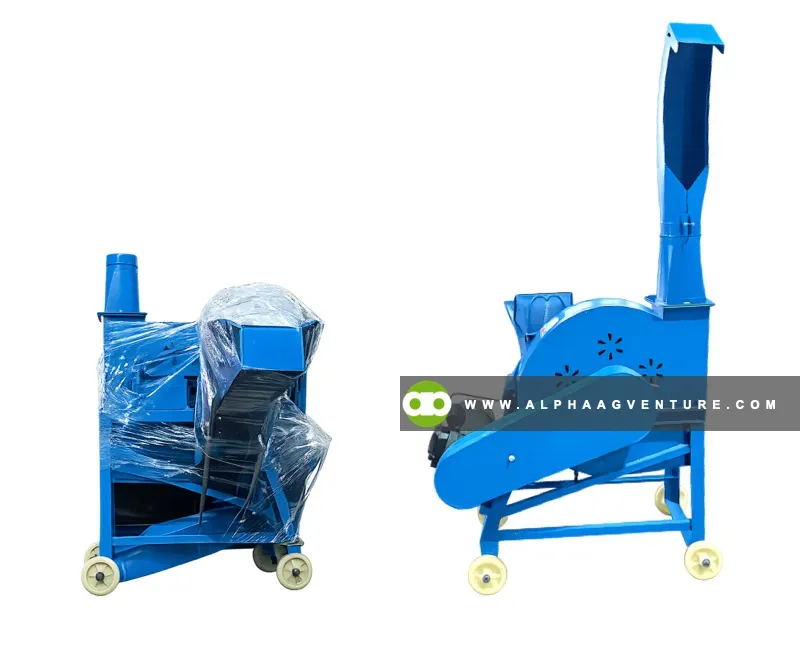
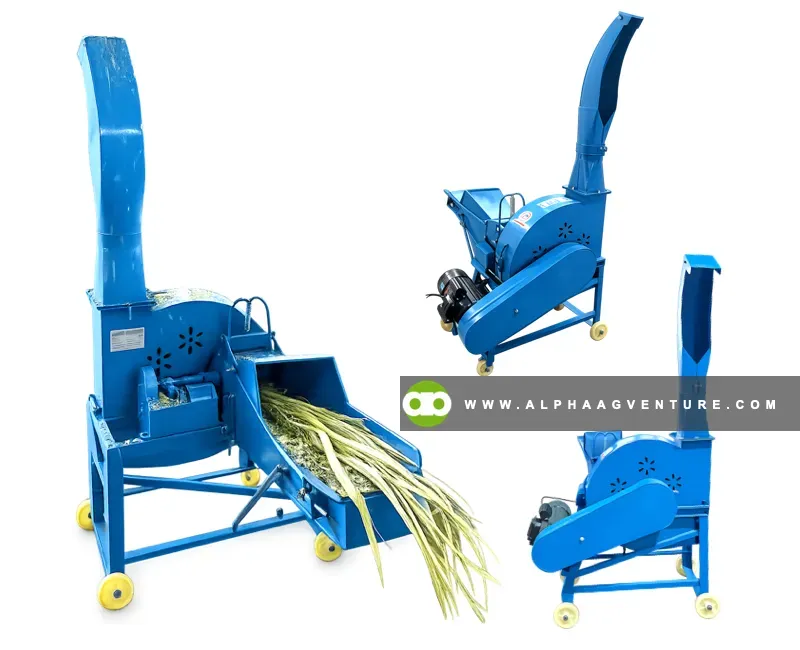
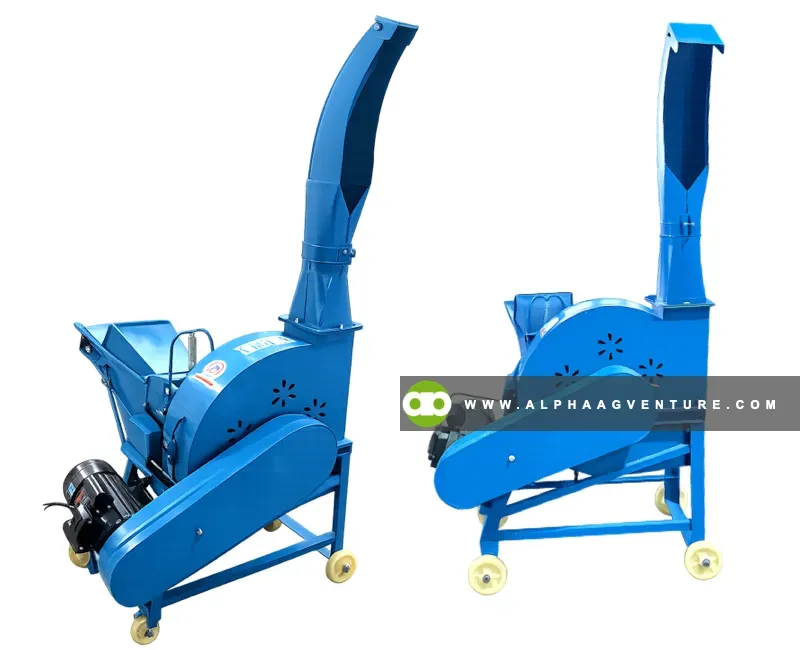
Description
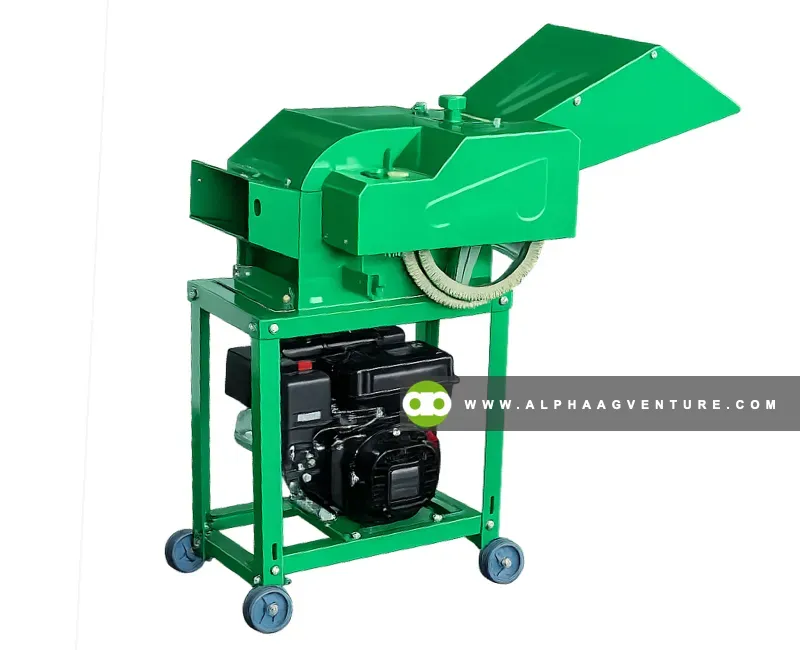
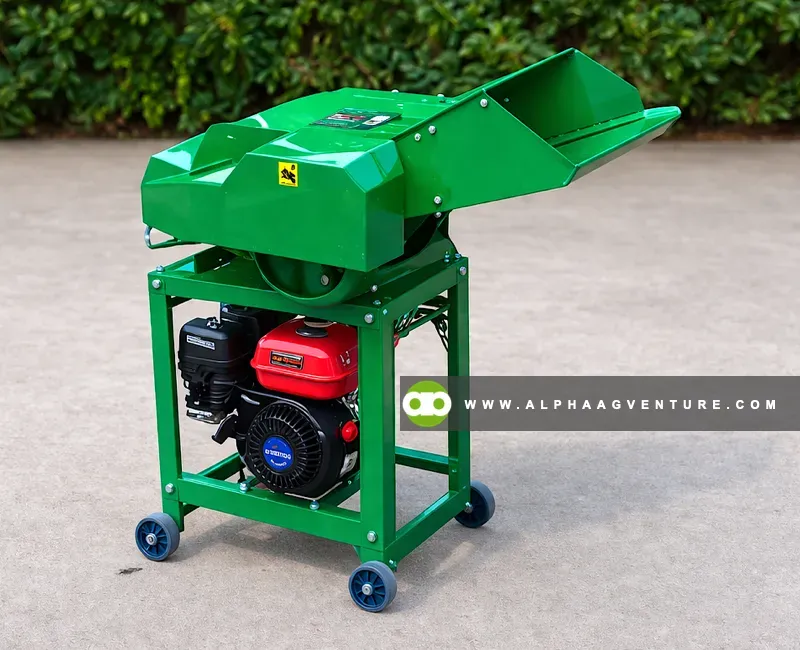
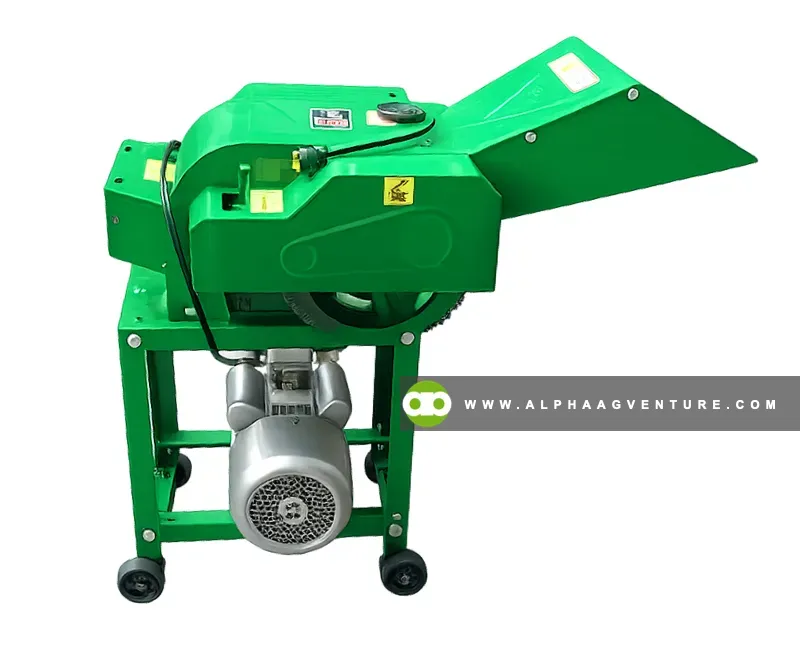
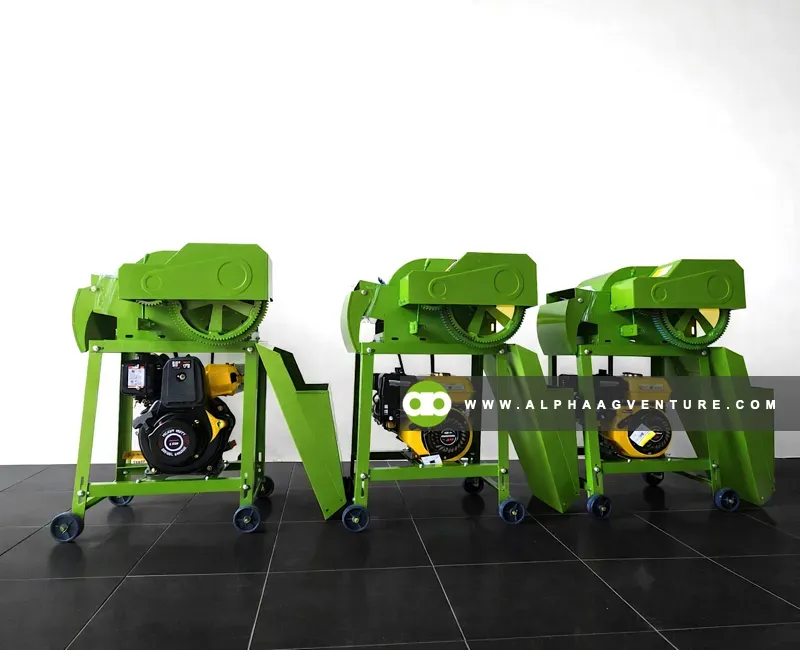
| Type | Output/Hour | Automatic Feeder | Farm Size |
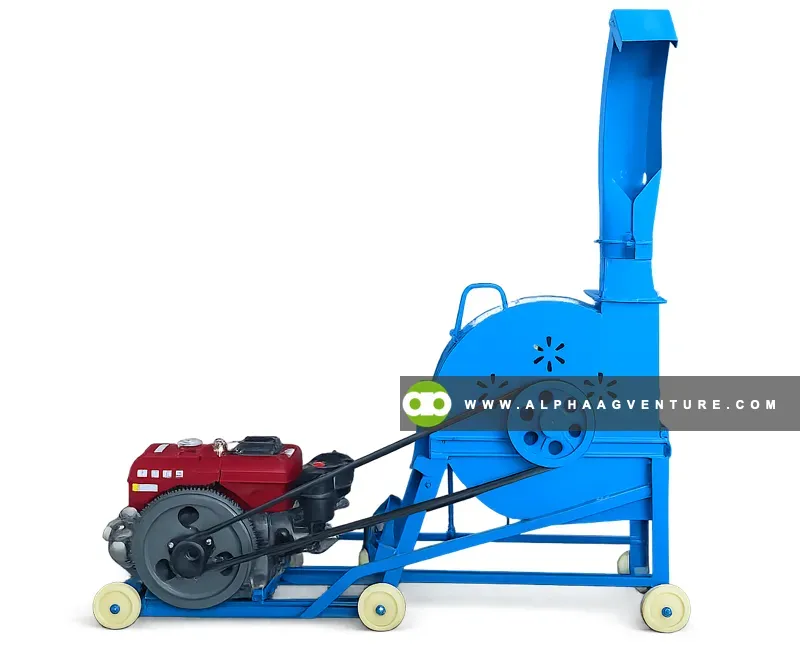
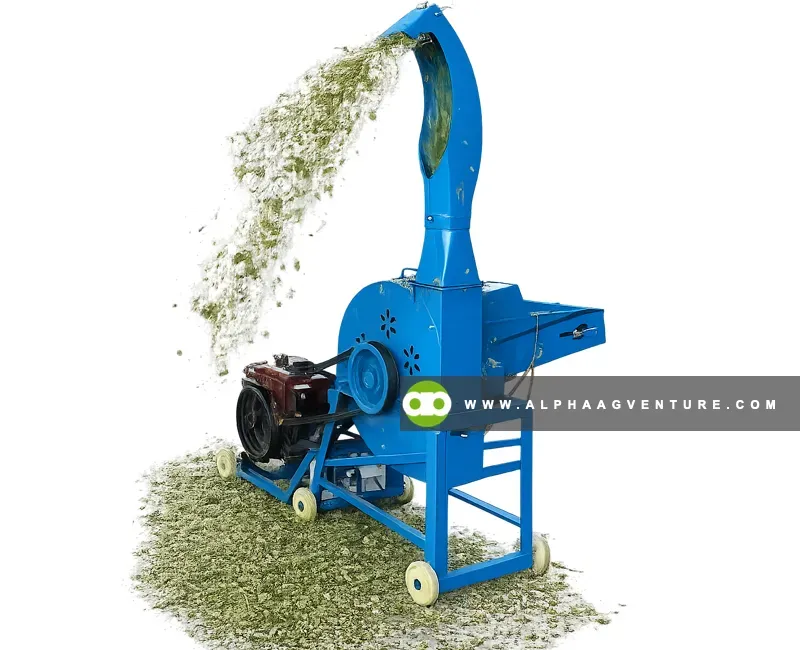
| Elephant-type (Diesel, 8HP) | 4 to 5 tons | ✅ | Medium to large scale |
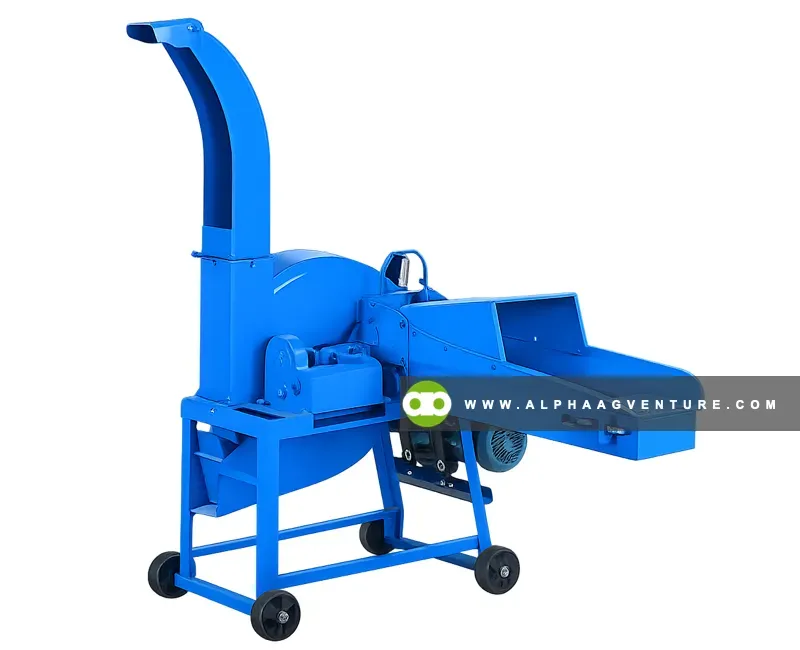
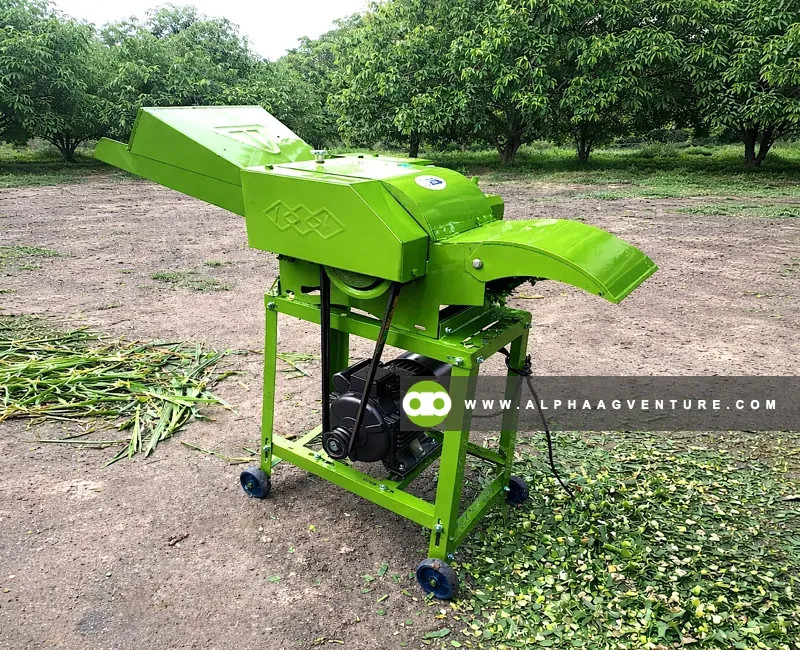
| Elephant-type (Electric, 5.5KW) | 4 to 5 tons | ✅ | Medium to large scale |
| Box-type (Gasoline, 7.5HP) | 0.8 to 1 ton | ❌ | Small scale |
| Box-type (Electric, 5HP) | 0.8 to 1 ton | ❌ | Small scale |
| Box-type (Electric, 3HP) | 0.8 to 1 ton | ❌ | Small scale |
FORAGE CHOPPER FOR SALE
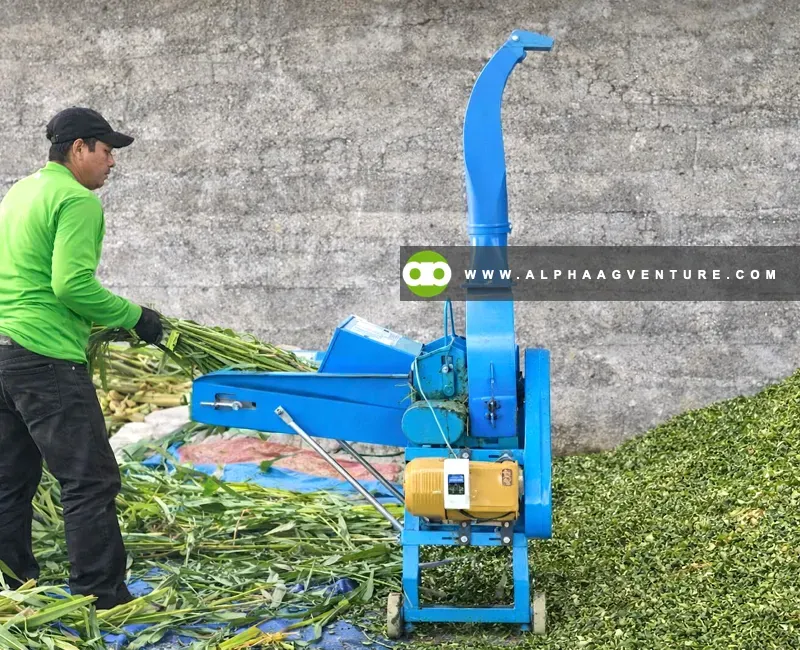
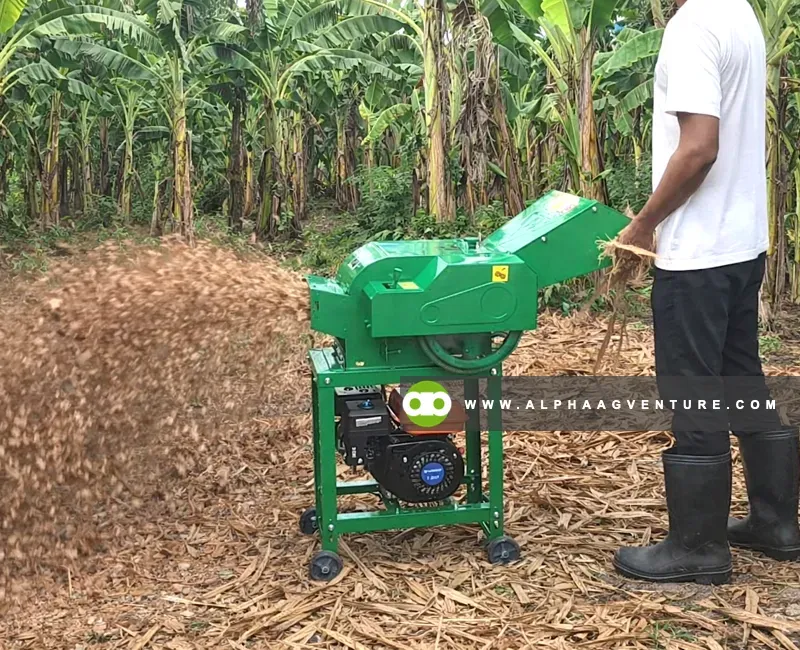
Looking for a forage chopper for sale that can keep up with daily feeding demands on your farm? This machine is built for consistent chopping of corn, Napier, and mixed forages, helping maintain uniform particle size that improves intake and reduces feed refusal.
Designed for actual farm conditions in the Philippines, this unit handles both fresh and slightly wilted materials without clogging. The cutting system maintains clean, even chops, which is critical when feeding cattle, buffaloes, goats, sheep, pigs, and horses with different intake behaviors.
If you’re wondering where to buy a forage chopper that doesn’t give you headaches after a few weeks, this unit is field-tested under continuous use. It is not designed for occasional use only. It is meant for farms that chop daily and cannot afford downtime.
As a trusted supplier of forage choppers in the Philippines, Alpha Agventure Farms focuses on durability and parts availability. Replacement blades, belts, and maintenance support are readily accessible, so you won’t be stuck waiting weeks just to get your machine running again.
The price of a forage chopper often raises concerns, especially for small and medium-scale farms. This unit is positioned to deliver value through longevity and efficiency. Lower fuel or electricity waste, combined with reduced labor time, helps recover your investment faster than cheaper alternatives.
Some farmers worry about maintenance complexity. This machine is straightforward. Blade access is simple, cleaning is quick, and routine checks can be done without specialized tools. Even farm staff with basic mechanical experience can handle upkeep with minimal supervision.
Another concern is performance consistency. Uneven chopping leads to sorting and feed wastage. This unit delivers uniform output, helping ensure that animals consume the ration as intended. That translates to better feed conversion, more stable digestion, and less wasted forage on the ground.
Still asking if this machine fits your operation, whether you run a backyard setup or a growing commercial farm? If reliability, consistency, and support matter, this is the forage chopper for sale that answers those needs, isn’t it?
FREQUENTLY ASKED QUESTIONS
What cutting capacity can this forage chopper handle per hour?
Capacity depends on the type of forage and how it is fed into the machine, but this unit is designed for continuous daily operation, not occasional use. With proper feeding and sharp blades, it can process large volumes of corn stalks or Napier grass efficiently without overheating or slowing down.
What is the ideal chop length, and can it be adjusted?
The machine is calibrated to produce a consistent chop length suitable for ruminants and other livestock. Uniformity is prioritized to prevent feed sorting. Some adjustment can be done through blade configuration and feeding technique, but the standard setup already targets optimal particle size for digestion and intake.
Can this machine run on single-phase or three-phase electricity?
Depending on the configuration, units are available in both single-phase and three-phase options. This is important for farms in areas with limited power infrastructure. Matching the correct motor setup ensures stable performance and avoids issues like voltage drops or inefficient operation during peak hours.
Does it require a specific type of forage preparation before chopping?
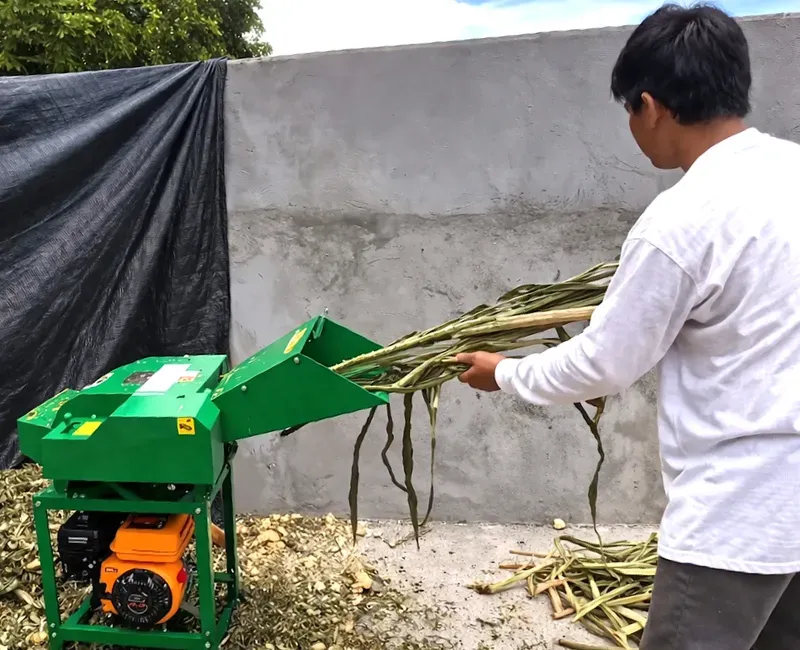
No complicated preparation is required, but removing large foreign objects like stones or thick branches is important. Long stalks such as corn or Napier can be fed directly. Slight wilting can even improve chopping efficiency and reduce moisture buildup inside the machine.
How often should the blades be sharpened or replaced?
Blade maintenance depends on usage frequency and material being chopped. For daily operations, regular inspection is recommended. Sharpening may be needed periodically to maintain clean cuts. Replacement is not frequent if proper care is observed, especially if abrasive materials are avoided.
Can it handle wet or freshly harvested forage?
Yes, it is designed to process fresh forage with high moisture content. However, extremely wet materials may slightly affect output flow. Allowing forage to wilt for a short period can improve performance, but the machine is still capable of handling freshly cut materials without major issues.
Is it suitable for silage preparation?
Yes, the machine produces a consistent chop length that is ideal for silage. Uniform particle size helps with proper compaction and fermentation. This is especially important for corn silage, where uneven cuts can lead to air pockets and poor fermentation quality.
What safety features are included in the machine?
The design includes guarded feeding areas and stable structural support to minimize operator risk. Proper operation practices are still required. Operators should avoid forcing materials and always follow basic safety measures to ensure safe and efficient use over long periods.
How many people are needed to operate the machine?
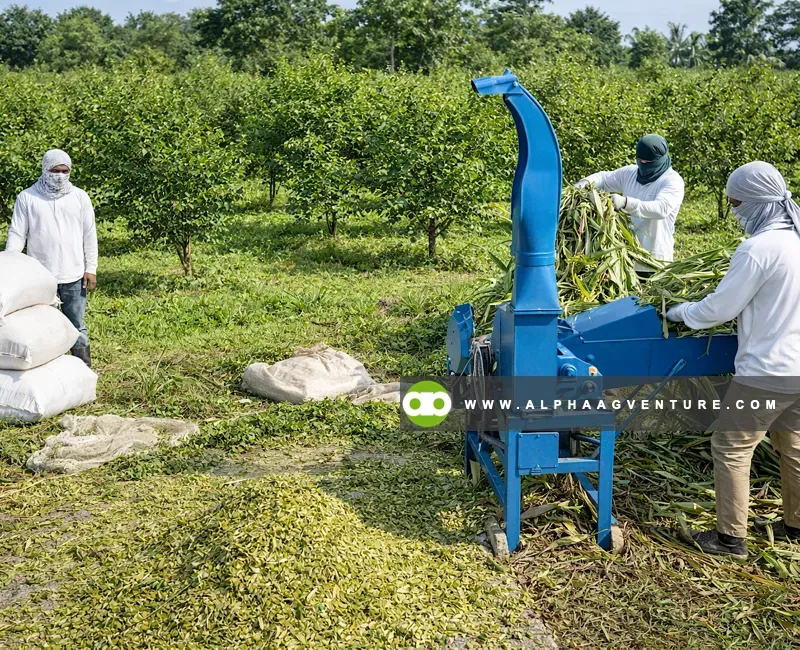
In most cases, one to two people are sufficient. One person can feed the forage while another manages collection or bagging. For larger operations, additional manpower may be used to speed up workflow, but the machine itself does not require a large team to function efficiently.
How long can the machine run continuously?
This unit is built for extended use and can operate for long hours as long as proper breaks and checks are observed. Monitoring temperature, ensuring proper lubrication, and avoiding overload are key practices that allow the machine to run reliably throughout the day.
Reviews
There are no reviews yet.