

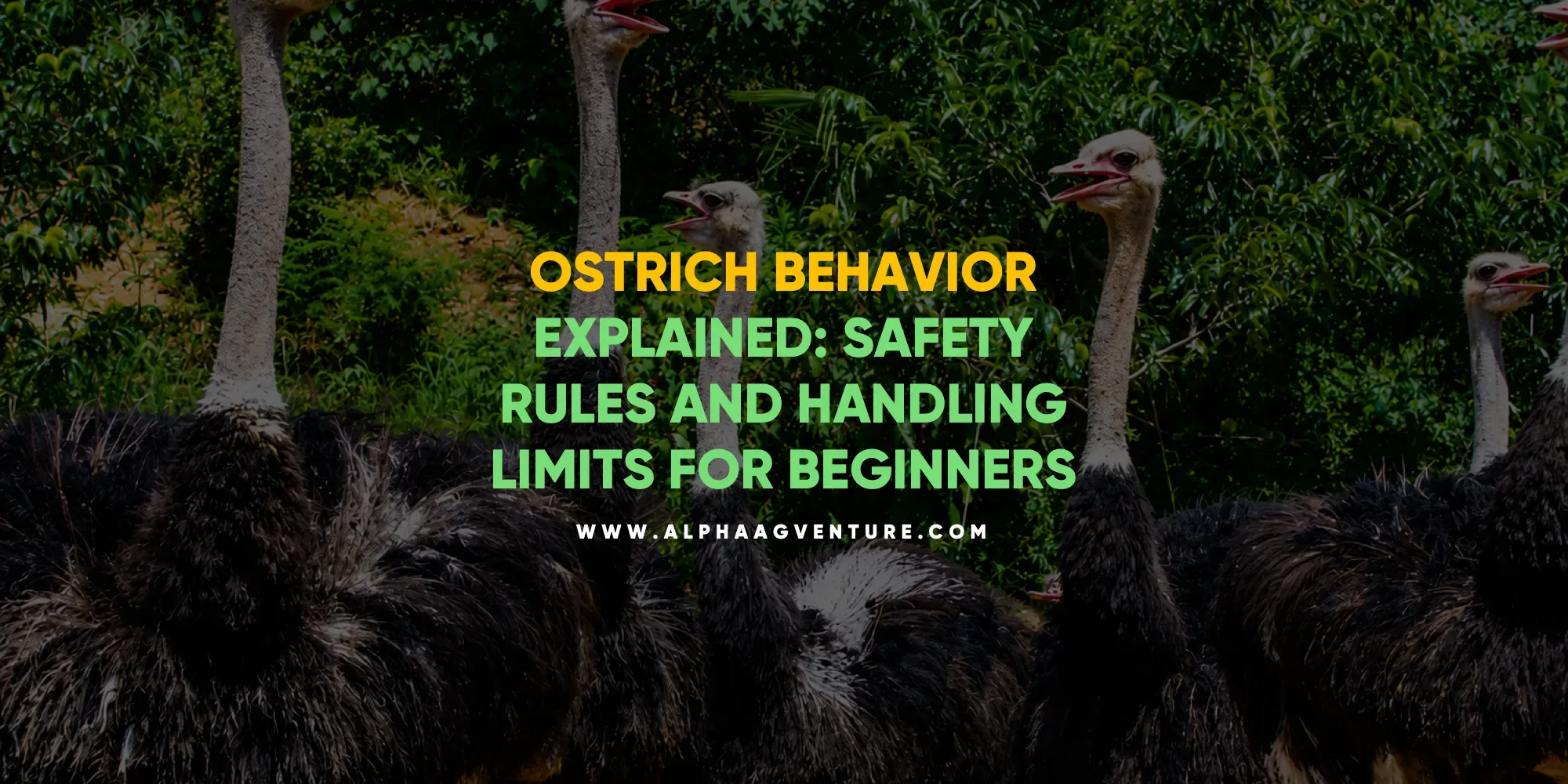
What You Think You Know Will Get You Hurt Fast
After selecting the right location and climate conditions, attention must now shift to the birds themselves. A well chosen site will not protect anyone who misunderstands how ostriches behave inside that space. I emphasize that safety does not come from land selection alone, but from how behavior is read and respected every day.
Many beginners approach ostriches with confidence shaped by experience with smaller livestock or poultry. That mindset creates risk because ostriches do not respond like chickens, ducks, or even goats. I stress early that these birds demand awareness, distance, and respect from the first encounter.
These animals are powerful, fast, and capable of defensive reactions that escalate quickly without warning. A calm appearance does not guarantee safety, especially when territory or space becomes compromised. I view behavior as the first layer of protection, not physical barriers or equipment. Misreading simple cues often leads to situations that could have been avoided entirely.
Body Language Signals You Must Learn Before Entry
After understanding the risks caused by false confidence, the next step involves learning visible behavior signals. Ostriches communicate constantly through posture, movement, and physical positioning long before direct contact occurs. I rely heavily on these signals because they often reveal intention earlier than vocal sound.
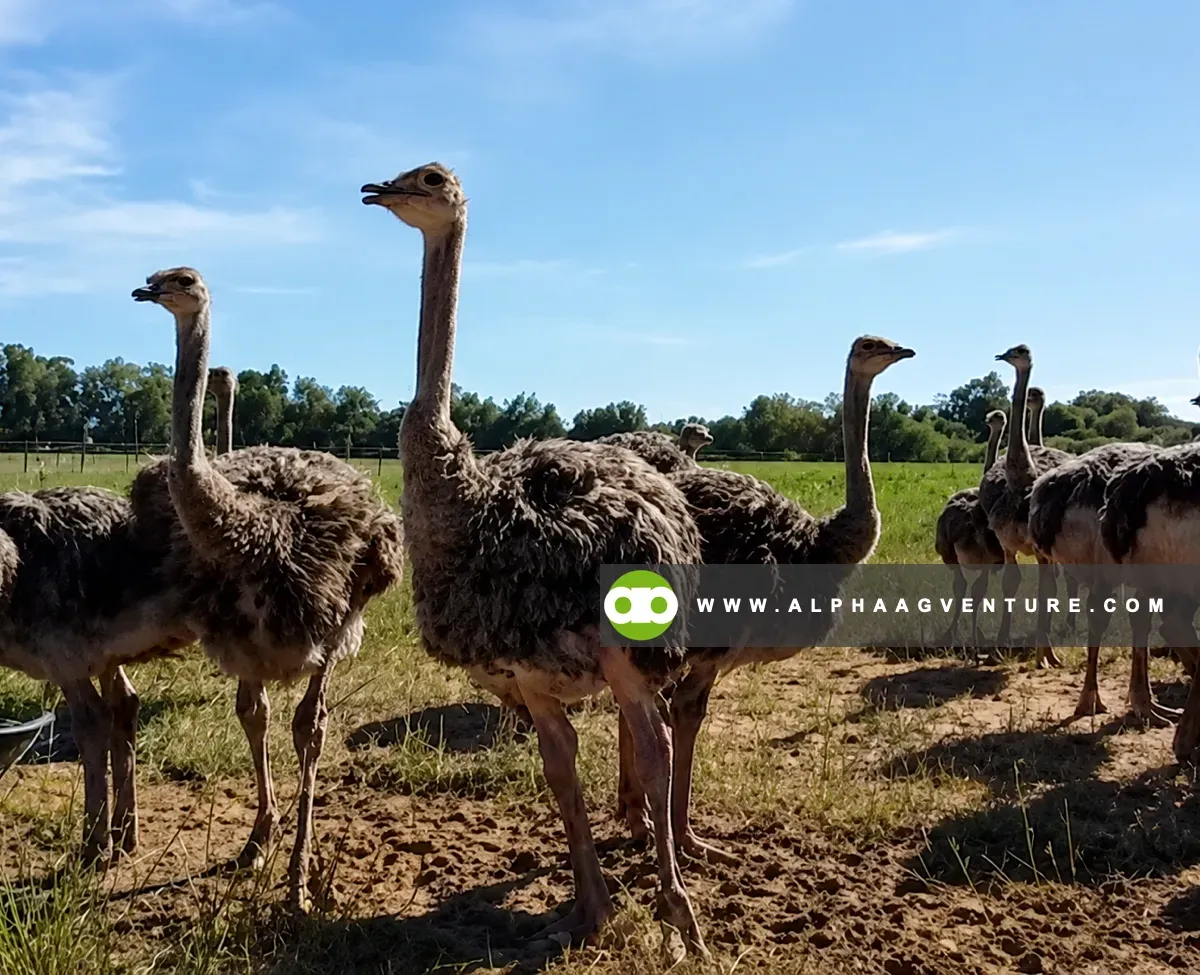
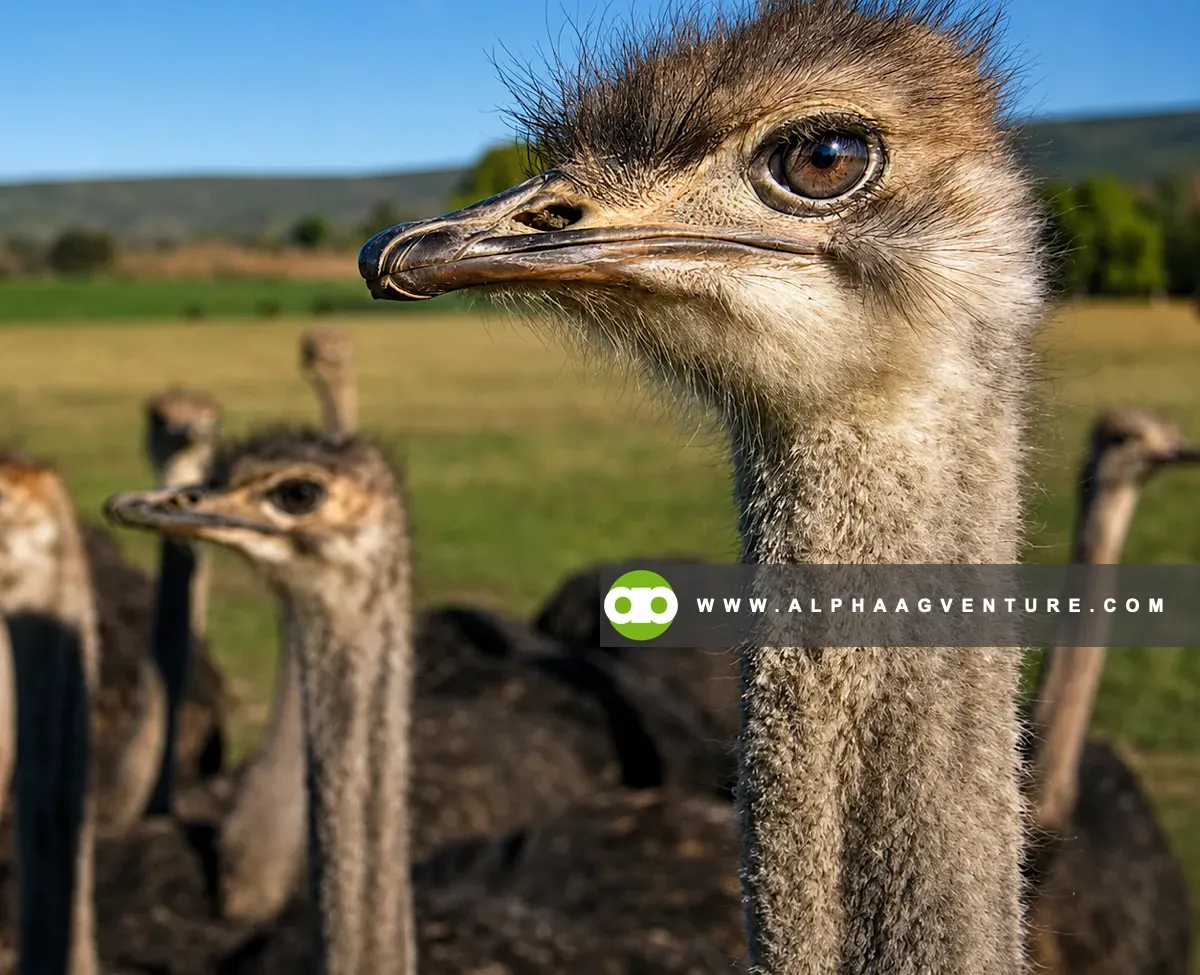
Neck position provides one of the clearest indicators of mood and alertness inside the enclosure. A relaxed neck posture usually reflects comfort and reduced concern about nearby activity or movement. An upright neck paired with focused attention often signals heightened awareness toward a person or object. I become more cautious when the bird maintains fixed attention without breaking visual focus.
Feather stance also changes according to stress level, dominance, or defensive readiness within the environment. Loose and relaxed feathers often appear when birds remain calm and undisturbed inside familiar surroundings. Tightened feather posture combined with rigid movement can signal discomfort or rising tension nearby. I avoid close approach once body tension becomes obvious through posture and feather condition.
Movement pattern matters because ostriches rarely react without visible changes beforehand inside the enclosure environment. Fast pacing, repeated circling, or sudden directional shifts usually indicate growing discomfort or agitation. Some birds freeze briefly before defensive movement, especially when they assess unfamiliar presence or pressure. I pay close attention to pacing rhythm because abrupt changes often precede unpredictable reactions.
Curiosity also appears through body language, but beginners often confuse curiosity with safe or friendly behavior. Ostriches may approach slowly, extend the neck forward, or maintain prolonged visual observation toward unfamiliar activity. That behavior still requires caution because curiosity can shift quickly into defensive reaction without warning. I never interpret close approach alone as permission for physical interaction or relaxed handling.
Behavior reading must always come before entry, movement, or any attempt at direct interaction inside the pen. Every posture change and movement pattern provides information that affects safety and positioning decisions. I consider body language interpretation a mandatory skill before anyone attempts close proximity with ostriches.
Territory Awareness: How Ostriches Define Their Space
After learning body language signals, the next step involves understanding how ostriches define territory and personal space. These birds constantly assess movement and positioning within their enclosure, especially when unfamiliar presence enters their area. I pay close attention to spatial behavior because intrusion often triggers defensive response before physical contact occurs.
Every ostrich maintains a comfort zone that changes depending on age, mood, and surrounding activity levels. Entering that space too quickly can create tension even when the bird initially appears calm. I avoid direct approach without first observing how the bird reacts to proximity and movement. Respect for distance reduces pressure and lowers the chance of defensive escalation.
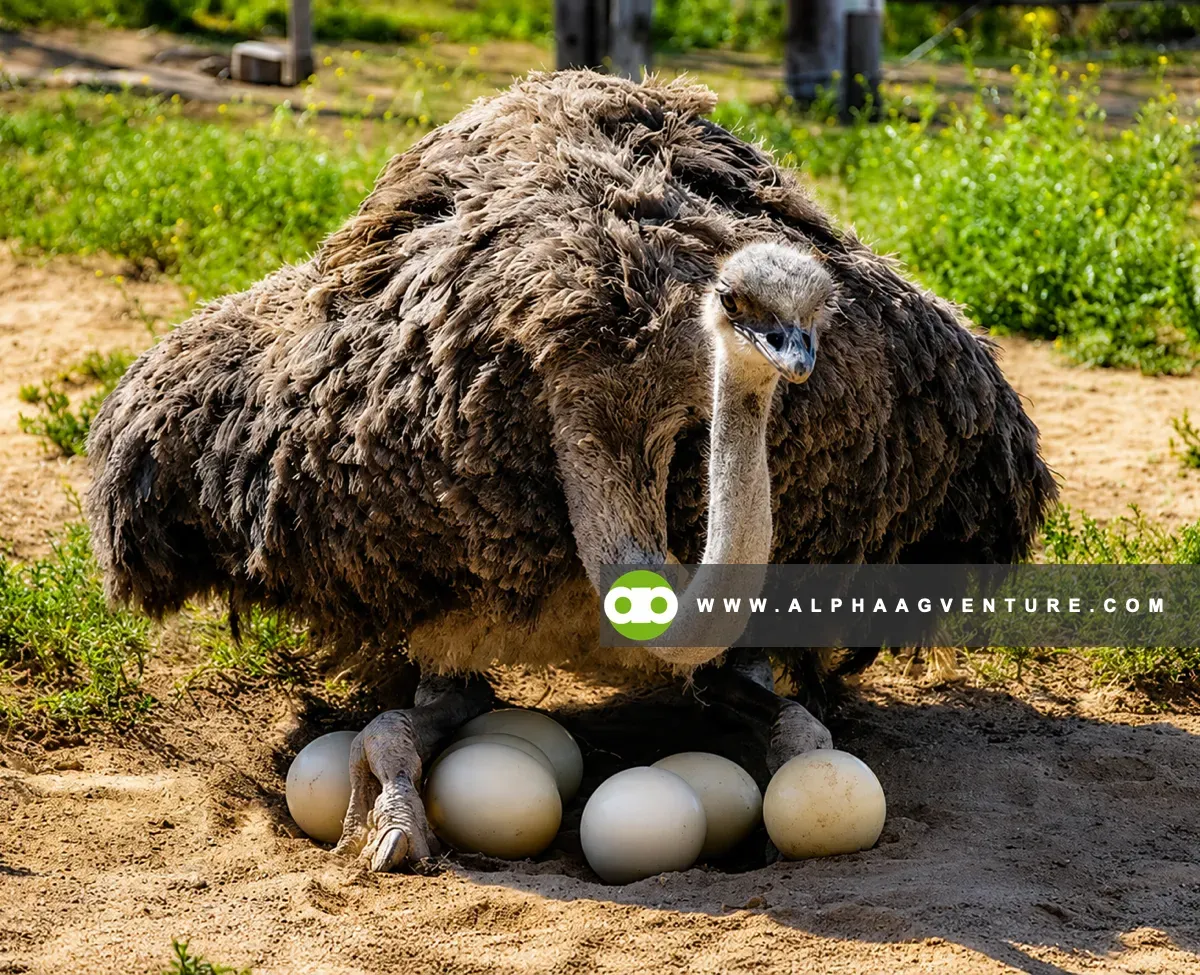
Territory awareness becomes even more important during breeding periods or heightened environmental stress inside the enclosure. Some birds become more protective of space, feeding areas, or nearby companions during these conditions. I remain more cautious during these periods because tolerance for intrusion decreases significantly. What seems like ordinary movement can suddenly trigger aggressive reaction under territorial pressure.
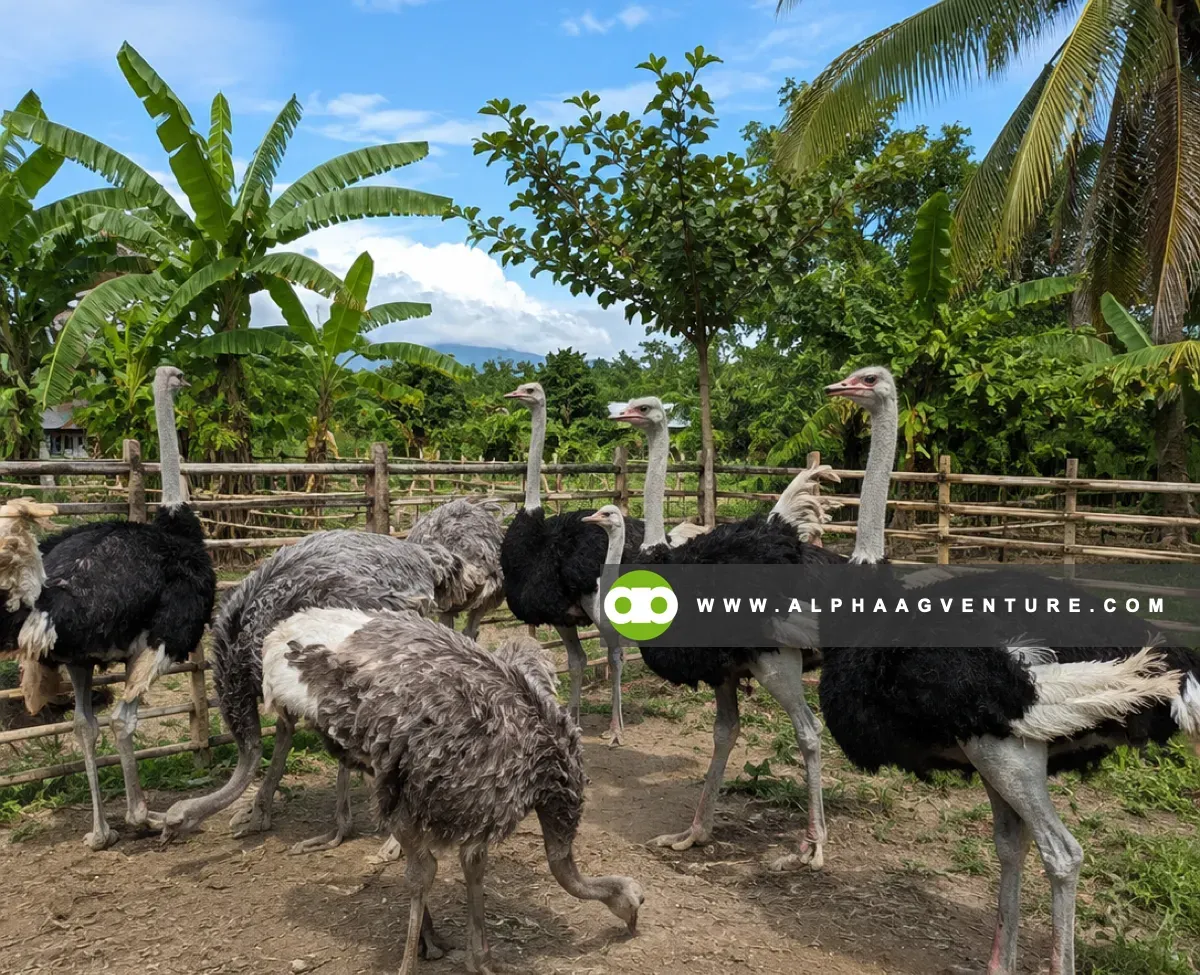
Poor positioning inside the pen also increases risk because ostriches respond strongly to perceived trapping or cornering. Sudden entry, fast movement, or standing too close to exit paths can create defensive behavior quickly. I position myself where birds still feel they have space to move away if needed. Limiting pressure reduces the chance of confrontation and helps maintain calmer interaction.
Territory awareness depends on observation, patience, and respect for the bird’s perception of space. I never assume familiarity removes the need for caution inside an enclosure. Safe interaction begins with proper positioning long before any direct handling attempt takes place.
Handling Limits: When Distance Becomes Your Best Tool
After understanding territorial behavior, the next priority involves knowing when not to approach an ostrich directly. Many beginners assume calm behavior automatically means physical interaction is safe or acceptable. I establish clear limits early because hesitation and overconfidence both create unnecessary danger.
Distance often provides more control and safety than physical contact inside the enclosure environment. Ostriches react quickly once they feel pressured, restrained, or cornered without a clear escape route. I maintain enough separation to observe behavior changes before situations become difficult to control. Respect for distance reduces stress for both the handler and the bird.
Physical interaction should never begin without a clear purpose and awareness of surrounding conditions. Curiosity, entertainment, or social media content are poor reasons for close approach or direct contact. I avoid unnecessary touching because repeated intrusion changes how birds respond to human presence. Predictable and limited interaction creates more stable long term behavior.
Beginners must understand that restraint is not a casual task suitable for untrained individuals. Improper restraint increases risk of injury to both the ostrich and the person involved. I never recommend physical restraint without prior instruction, preparation, and experienced supervision. Even smaller or younger birds can react with force when panic develops unexpectedly.
Certain situations require immediate distance rather than attempts to regain control through physical approach. These situations include visible agitation, rapid pacing, territorial display, or repeated defensive posture toward nearby movement. I step back once warning signals intensify because escalation often happens within seconds. Early retreat prevents unnecessary confrontation and allows tension to decrease naturally.
Several handling mistakes repeatedly place beginners in avoidable danger during direct interaction attempts:
- Entering the enclosure without first observing behavior and movement patterns
- Approaching directly from the front without awareness of escape routes or positioning
- Attempting physical restraint without proper training or experienced assistance nearby
- Standing too close during feeding, breeding periods, or visible territorial behavior
- Assuming familiar birds cannot react aggressively after repeated human interaction
- Ignoring warning signals because the bird appeared calm moments earlier
Safe handling depends more on judgment and restraint than physical confidence or strength around the birds. I view patience and positioning as more valuable than force during any close interaction. Understanding personal limits remains one of the most important safety skills for beginners.
Common Triggers That Lead to Sudden Aggression
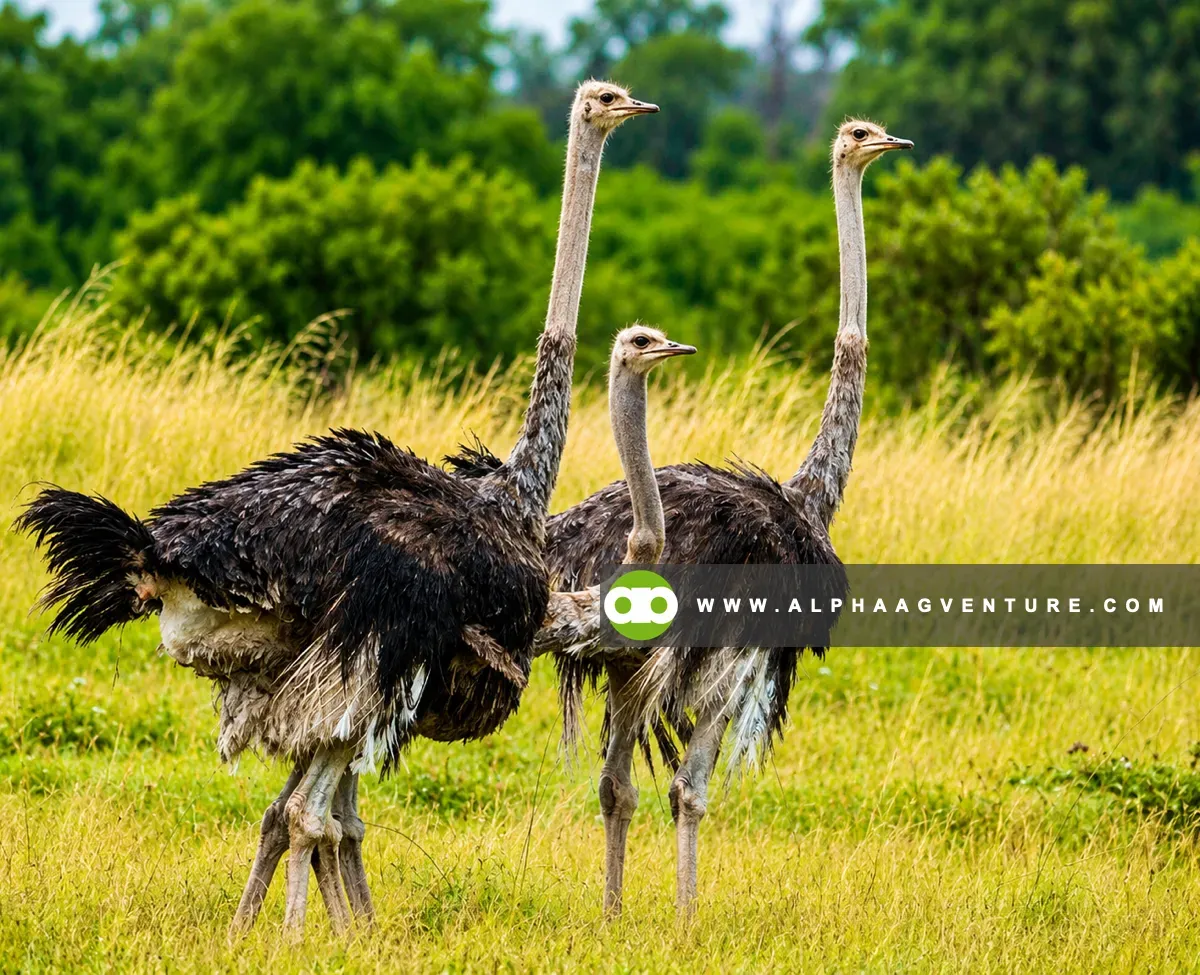
Unexpected aggression rarely appears without a trigger somewhere within the surrounding environment or human activity nearby. Most incidents begin when stress, pressure, or stimulation crosses the bird’s comfort threshold unexpectedly. I focus heavily on trigger recognition because prevention depends more on anticipation than physical reaction.
Several triggers repeatedly increase the likelihood of defensive or aggressive behavior inside the enclosure:
- Loud noise from shouting, machinery, metal impact, or sudden environmental disturbance
- Sudden movement near the bird, especially rapid arm motion or abrupt directional change
- Breeding season behavior that increases territorial response and sensitivity toward intrusion
- Unfamiliar people inside the enclosure without gradual exposure or controlled introduction
- Crowded activity around feeding areas that creates tension and competition among birds
- Direct eye contact or confrontational body positioning during close approach situations
Routine tasks become dangerous when these triggers exist simultaneously inside the same environment. Simple entry into the enclosure may appear harmless until noise, movement, and territorial behavior combine unexpectedly. I avoid normal routines once warning conditions begin to overlap within the pen. Predictable tasks become unpredictable when the bird already operates under elevated tension.
Breeding periods require additional caution because behavioral tolerance often changes without obvious transition beforehand. Birds that normally ignore nearby presence may suddenly react defensively during territorial or reproductive phases. I maintain greater distance during these periods because response intensity increases significantly under hormonal influence. Familiarity with the birds does not eliminate risk once breeding behavior becomes active.
Safe handling depends on identifying conditions before aggression develops instead of reacting after escalation begins. I observe environment, posture, movement, and surrounding activity before entering any enclosure space. Prevention remains more effective than confrontation once the bird already commits to defensive response.
Safe Movement Inside the Pen Without Provoking Birds
Movement discipline becomes critical once behavior triggers and territorial responses are properly understood inside the enclosure. Every step, turn, and body position influences how ostriches interpret nearby human presence and activity. I rely on controlled movement because sudden actions often create tension faster than verbal sound or direct contact.
Calm and predictable walking reduces pressure and allows birds to track movement without unnecessary alarm. Fast pacing, abrupt stopping, or sudden directional changes often increase alertness and defensive behavior. I move steadily inside the pen so birds can anticipate position and maintain visual awareness comfortably. Predictable movement creates stability and lowers the chance of reactive behavior.
Body positioning also affects how ostriches interpret intent during close proximity inside their environment. Direct frontal approach often appears confrontational, especially when combined with prolonged eye contact or fast movement. I avoid aggressive positioning by maintaining angled movement instead of direct pressure toward the bird. Small adjustments in stance often reduce tension significantly during enclosure activity.
Awareness of bird location must remain constant throughout the entire time spent inside the enclosure space. Turning attention toward one bird while ignoring another creates unnecessary risk during movement inside the pen. I regularly scan surrounding positions because ostriches can move quickly and change direction without warning. Safe movement depends on awareness of all nearby birds rather than focus on one individual alone.
Discipline inside the enclosure matters more than confidence or familiarity with the birds over time. Routine exposure sometimes creates complacency that leads to careless movement and poor positioning decisions. I maintain the same level of caution regardless of how calm the birds appear during normal conditions. Consistent movement discipline reduces avoidable incidents and supports safer interaction inside the pen.
Human Error: Why Most Injuries Come From Negligence
By this stage, it becomes clear that ostrich behavior alone rarely explains most enclosure incidents. Human decisions, movement, and lack of discipline usually create the conditions that lead to injury. I place strong emphasis on accountability because preventable mistakes repeatedly cause avoidable accidents.
Complacency develops when repeated exposure creates false confidence around normally calm or familiar birds. Routine interaction sometimes convinces handlers that caution no longer deserves strict attention inside the enclosure. I maintain the same level of awareness regardless of previous calm behavior from the birds. Familiarity should never replace discipline during daily routines and movement inside the pen.
Overconfidence also creates dangerous situations when individuals underestimate the speed and strength of ostriches nearby. Some handlers attempt shortcuts, unnecessary interaction, or careless movement because previous encounters ended without incident. I avoid relaxed behavior around large birds because conditions can change within seconds unexpectedly. Confidence without discipline often leads directly to poor judgment and unsafe positioning.
Lack of supervision increases risk further, especially when inexperienced workers enter the enclosure without guidance or oversight. Unsafe habits usually develop gradually when nobody corrects mistakes or reinforces proper movement discipline consistently. I closely monitor caretakers because incorrect routines become difficult to reverse once they become habitual. Consistent supervision protects both the workers and the birds from avoidable incidents.
Negligence also appears through simple actions that people dismiss as harmless or insignificant during routine activity. Leaving gates unsecured, ignoring warning signals, or entering distracted often creates preventable danger inside the enclosure. I approach every task with deliberate attention because small lapses frequently trigger larger consequences later. Safe operation depends on consistency, not luck or assumption.
Most injuries result from human error rather than unpredictable or irrational animal behavior inside the enclosure environment. Ostriches usually display warning signals before defensive response or aggressive movement begins. I focus more on correcting human behavior than blaming the birds after incidents occur. Accountability and discipline remain the strongest safety tools available during daily interaction with ostriches.
Respect the Bird or Pay the Price Later On
At this point, the pattern behind most ostrich related incidents should already become unmistakably clear. Problems usually begin when people underestimate behavior limits or ignore visible warning signals inside the enclosure. I approach every interaction with awareness because confidence alone does not create safety around large birds.
Respect for ostriches means understanding distance, movement, territory, and behavioral triggers before direct interaction begins. Safe handling depends more on discipline and observation than physical strength or fearlessness near the birds. I never separate safety from behavior because both operate together during every enclosure activity. Once awareness weakens, risk increases quickly regardless of previous experience or familiarity.
Beginners must internalize every previous section before attempting close interaction inside the pen environment. Reading body language, respecting territory, and recognizing aggression triggers all work together as one system. I view these principles as practical survival habits rather than optional knowledge for advanced handlers. Small mistakes become serious quickly once discipline disappears during routine movement or enclosure entry.
Long term safety depends on consistency instead of occasional caution during stressful or unfamiliar situations. Ostriches deserve respect because of their strength, speed, and highly reactive defensive behavior under pressure. I maintain the same level of awareness every day because complacency develops quietly over time. Respect for the bird ultimately becomes respect for personal safety, discipline, and responsible animal management.
Jaycee de Guzman is the owner of Alpha Agventure Farms, where he develops practical livestock production systems, agricultural marketing strategies, and farm business models. He writes regularly about livestock development, agricultural entrepreneurship, and public policy affecting Philippine agriculture.