

I’ve been raising goats, sheep, cattle, and buffaloes long enough to know that sometimes, just because a drug is labeled “safe,” doesn’t mean it’s wise to use it—especially during pregnancy. This might go against what some feed stores or even veterinarians recommend, but I’ve learned through science and experience that deworming pregnant ruminants, even with so-called “safe” synthetic dewormers like fenbendazole, isn’t always worth the risk.
At Alpha Agventure Farms, I follow a strict protocol: I deworm all my female breeders before breeding, and then again one day after giving birth. That’s it. I don’t touch them with dewormers while they’re carrying their young—not even during the last month of gestation when some parasites might become aggressive. My approach is grounded not just in common sense, but in a growing body of scientific research that raises important red flags about drug use in pregnant animals.
You’ll probably hear arguments like, “But fenbendazole has been proven safe!” That may be true—under very specific conditions, in certain animals, and at precise doses. But nature isn’t always that predictable. What works in a lab or controlled study doesn’t always translate well to a real-world farm in the Philippines, with heat stress, feed variability, and fluctuating parasite loads.
So in this article, I’ll walk you through 10 solid, science-backed reasons why I avoid deworming pregnant ruminants. This isn’t about fear. It’s about understanding the risks, knowing the science, and choosing a smarter long-term strategy. By the end, I hope you’ll reconsider how and when you deworm your pregnant animals—not because I said so, but because the evidence says it matters.
Reason 1: Pregnancy and Organ Formation Don’t Mix Well With Chemicals
One thing I’ve learned over the years is this: the early stages of pregnancy are sacred. During the first trimester—especially the first 30 to 35 days in goats and sheep, or the first 45 in cattle and buffaloes—the fetus is forming its organs. This is called organogenesis, and it’s a fragile, delicate process. Even slight disturbances can have permanent effects. So when someone tells me it’s “safe” to deworm during this time, I can’t help but ask: safe for what, exactly?

Synthetic dewormers like fenbendazole belong to a class of drugs called benzimidazoles. While fenbendazole is often considered one of the milder ones, other benzimidazoles—like albendazole—have been linked to embryotoxic and teratogenic effects in multiple animal studies. For instance, Fazili et al. (2012) reported fetal resorption and congenital abnormalities in sheep treated with albendazole during early gestation. And although fenbendazole is said to have a wider margin of safety, it’s still in the same drug family.
The problem is, drugs that seem safe in adult animals may still interfere with fetal development. As Lindsay and Blagburn (1995) warned in their veterinary parasitology studies, the risk of subtle teratogenicity (birth defects) often goes undetected unless large-scale, controlled trials are conducted—and those are rare in the tropics.
Some veterinarians may argue that fenbendazole has been shown to be non-teratogenic in cattle. That may be true—under controlled doses, with healthy animals, in clean environments. But out here, on farms where stress, nutrition, and environmental factors vary wildly, I’d rather not take chances.
Pregnancy is not a time for gambles. For me, avoiding drugs during the most critical phase of fetal development isn’t just cautious—it’s responsible farming.
Reason 2: Embryotoxic Effects Have Been Observed in Other Dewormers
Some farmers tell me, “But I’m not using albendazole—I’m using fenbendazole, and that one’s safe.” I understand the logic, but here’s the problem: when we say a drug is “safe,” we often mean it hasn’t yet been proven dangerous, not that it’s universally harmless. And even within the same drug class, individual responses can vary. That’s especially true during pregnancy.
There are clear scientific reports of embryotoxicity (harm to embryos) and fetotoxicity (harm to fetuses) associated with several commonly used anthelmintics. One study by Kaur and Kaur (2013) found that albendazole, administered to pregnant goats, caused a significant reduction in fetal weight, fetal resorption, and congenital malformations—especially when given during early gestation. Meanwhile, Hanafy et al. (2018) observed that levamisole, another dewormer often used in tropical countries, also triggered oxidative stress and reproductive toxicity in rats, suggesting a mechanism that could easily apply to livestock under similar biological pathways.
“But I’m not using albendazole,” you might say. That’s true—but let’s not forget that drug safety trials rarely cover every possible variation: breed, nutrition, climate, concurrent disease, or subclinical infections. Most safety studies are done under near-ideal laboratory or commercial trial conditions—far from the dynamic, unpredictable environment of a Filipino pasture-based system.
Also, dewormers don’t work like switches. They don’t “target only parasites.” Some affect embryonic DNA replication or mitotic processes—basic cellular activities shared by both parasite and fetus. That’s a red flag.
I don’t mean to scare anyone, but I do want to ground our practices in evidence, not assumptions. If a drug—even a common one—has been shown to harm embryos in one species, it deserves scrutiny in others. I’d rather be safe than sorry, especially when two lives are at stake: the mother and her unborn.
Reason 3: Overusing Dewormers Makes Them Useless Over Time
One of the biggest lessons I’ve learned in sustainable farming is this: if you use a tool too often, it stops working. That’s especially true with dewormers. Every time we deworm an animal, we apply selection pressure on the worms. We kill the susceptible ones, but the resistant ones survive—and pass on their resistant genes. Do this often enough, and you’ll end up with a parasite population that laughs in the face of your favorite drug.
Now imagine doing this during pregnancy. You’re treating an animal when she’s not yet heavily burdened with parasites—because in most cases, the immunity she built pre-breeding still holds strong. You’re exposing worms to suboptimal conditions (like reduced metabolism or altered pharmacokinetics during gestation), which may allow some parasites to survive a half-effective dose. That’s how resistance gets a foothold.
According to Kaplan and Vidyashankar (2012), anthelmintic resistance in small ruminants has reached critical levels worldwide, with some farms reporting resistance to all three major dewormer classes. Even Gonzalez-Garduno et al. (2017) found evidence of multiple-drug resistance in goat herds in the tropics, especially where dewormers were used routinely without fecal egg count monitoring.
When we use dewormers during pregnancy “just in case,” we’re not just risking the fetus—we’re also training the worms to survive. Over time, that means your dewormers will stop working even when you really need them.
At Alpha Agventure Farms, I’d rather keep my dewormers sharp and effective by using them only when absolutely necessary. By deworming before breeding and again after parturition, I minimize resistance while protecting both the dam and her offspring. That’s long-term thinking—not just for one birth cycle, but for the sustainability of the whole herd or flock.
Reason 4: Pharmacokinetics Change During Pregnancy
One of the lesser-known challenges of medicating pregnant animals is that their bodies don’t process drugs the same way. Everything from digestion to liver function, kidney filtration, and even how the blood flows through organs shifts during pregnancy. That means a dose that’s safe—or effective—for a non-pregnant ruminant may behave completely differently in a pregnant one.
This concept is called altered pharmacokinetics, and it’s backed by solid science. According to Toutain and Bousquet-Mélou (2004), physiological changes during pregnancy can affect drug absorption, distribution, metabolism, and excretion. For example, the volume of distribution often increases, which can dilute the concentration of the drug in the bloodstream, making it less effective—or, paradoxically, cause it to accumulate in fetal tissues over time.
Fenbendazole and its metabolites are lipophilic, meaning they dissolve easily in fat. Pregnant animals, especially in mid to late gestation, naturally increase their body fat to prepare for lactation and fetal development. This raises the potential for drug residues to linger longer than expected, especially if the drug was designed with a non-pregnant metabolism in mind.
Additionally, placental transfer of drugs isn’t fully understood in ruminants. While studies like Lanusse et al. (1996) suggest low levels of fenbendazole cross the placenta, the exact thresholds for fetal safety are murky—especially in goats and buffaloes, which are underrepresented in most pharmacokinetic trials.
So when someone claims a dewormer is “safe,” I always ask: safe for what animal, under what conditions, and at what reproductive stage? The lack of consistent, species-specific, and stage-specific data makes me cautious. At Alpha Agventure Farms, I refuse to guess. Until there’s clearer evidence that pharmacokinetics during pregnancy won’t compromise either the drug’s efficacy or the fetus’s safety, I keep deworming out of the equation.
Reason 5: Placental Transfer Is Not Fully Understood in Ruminants
Many farmers ask me: “If a dewormer doesn’t cross the placenta, does that mean it’s safe?” I wish the answer were that simple. The truth is, we don’t fully understand how most dewormers behave across the placentas of goats, sheep, cattle, and especially water buffaloes. And that’s what makes it risky.
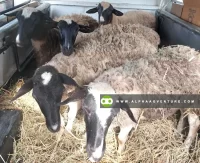

Let’s start with the basics. The placenta acts as a semi-permeable barrier between the dam and her fetus. But “barrier” doesn’t mean “blocker.” Small, lipophilic, and poorly ionized compounds—like many dewormers—can and do cross the placenta in varying degrees. Studies like Ali et al. (2002) and Lanusse et al. (1996) demonstrated placental passage of several anthelmintics in sheep and cattle, even when administered at therapeutic doses.
And yet, these studies often give us species-specific data. Just because we have some findings in sheep doesn’t mean they apply to goats. Cattle studies don’t translate directly to carabaos. In fact, the structure and function of the placenta differs significantly across ruminant species. Goats have a synepitheliochorial placenta, while cattle and buffaloes share similar types, but with subtle variations in nutrient and drug transport mechanisms. Unfortunately, pharmacological studies rarely reflect these nuances.
There’s also the question of metabolites. It’s not just the parent compound (like fenbendazole) we need to worry about—it’s also its by-products. Some of these metabolites may be more biologically active or have longer half-lives than the original molecule, and they may accumulate in fetal tissues that are still forming.
So, unless there’s clear, species-specific evidence that a dewormer and all its metabolites stay out of the placenta and pose no harm, I won’t use it during gestation. Guesswork has no place in prenatal care—not in humans, and definitely not in my ruminants.
Reason 6: Gut Microbiome Disruption Can Affect Pregnancy Outcomes
I used to think dewormers only targeted parasites. But over the years, I’ve realized they can also disturb something just as critical—the gut microbiome. In pregnant ruminants, that’s a bigger deal than most people think.
The microbiome is a diverse community of bacteria, fungi, protozoa, and archaea living in the rumen and intestines. It’s not just for digestion—it plays key roles in immune regulation, nutrient absorption, and metabolic homeostasis. During pregnancy, when the immune system is naturally modulated to avoid rejecting the fetus, gut stability becomes even more crucial.
Several studies support this concern. For example, Li et al. (2021) demonstrated that antiparasitic agents, including benzimidazoles, can alter the diversity and abundance of beneficial gut bacteria. In mice, this has been shown to impact pregnancy outcomes, including fetal growth and placental development (Koren et al., 2012). While direct studies in goats and buffaloes are limited, the same microbial shifts could influence the dam’s ability to extract micronutrients, synthesize short-chain fatty acids, and regulate inflammation—all essential processes for supporting a healthy pregnancy.
Let’s not forget: gut flora also synthesizes B vitamins, such as folate and B12, which are critical for fetal development. Disruption could therefore lead to subclinical deficiencies, even if the feed is balanced on paper.
In practical terms, a pregnant goat with disturbed rumen function might show no visible signs at first. But the effects could appear as smaller kids, weaker neonates, or lower colostrum quality. I’d rather not risk that.
So yes, dewormers can kill parasites. But at what cost? For me, maintaining a stable, functional rumen microbiome in pregnant animals is too important to jeopardize with unnecessary chemical intervention.
Reason 7: Subclinical Stress Can Lead to Poor Birth Outcomes
A goat doesn’t have to be bleeding or gasping to be stressed. In fact, some of the most damaging stress is invisible—especially during pregnancy. And that’s exactly what can happen when we administer dewormers, even so-called “safe” ones.
Every handling, every injection, every oral drench—we may not see it, but each act carries physiological consequences. Pregnant ruminants are particularly vulnerable to subclinical stress, which elevates cortisol levels and disrupts the delicate balance of reproductive hormones. According to Moberg (2000), even mild handling stress during gestation can alter endocrine signaling, potentially affecting uterine blood flow, fetal development, and placental efficiency.
Cortisol, the main stress hormone, isn’t just a mood disruptor—it’s a direct antagonist to progesterone, the hormone responsible for maintaining pregnancy. Elevated cortisol levels can lead to reduced implantation success, low birth weights, and even early labor (Trevisi & Bertoni, 2009). This is especially problematic in high-strung breeds or in farms where handling facilities are limited or stressful to navigate.
Let me make this practical: I’ve seen well-meaning farmers line up pregnant goats and drench them with dewormers all at once. No illness, no symptoms—just as a precaution. And then, a few weeks later, we see smaller kids, weak neonates, or early abortions. It’s not always easy to trace the cause, but I believe avoidable stress from unnecessary treatment is a contributing factor.
That’s why, at Alpha Agventure Farms, I time deworming strictly outside of pregnancy. I’d rather build resilience through nutrition and pre-breeding parasite control than risk pregnancy outcomes for the sake of a “routine” deworming. If it’s not urgent, I don’t do it. And that rule has served both my animals and my peace of mind.
Reason 8: Immunosuppression During Pregnancy Alters Dewormer Efficacy and Risk
Pregnancy is a time of immune system adaptation, not just for the dam, but also for her developing fetus. In ruminants, the immune system becomes subtly suppressed during pregnancy to ensure that the body doesn’t reject the fetus, which is, after all, a foreign body. While this adaptation is critical for fetal survival, it also has a downside—it alters how the animal responds to infections, medications, and parasites.
Now, let’s talk about how this plays into deworming. A dewormer like Fenbendazole works by attacking the metabolic processes of parasites, effectively killing them. However, when the animal’s immune system is suppressed, the body’s ability to metabolize or clear the drug may be reduced, meaning that the dewormer could linger longer in the bloodstream than intended. This could elevate the risk of side effects, including toxicity or residual drug effects on the fetus.
Research has shown that during pregnancy, the pharmacodynamics of many drugs, including dewormers, are altered. Studies like Trevisi et al. (2009) found that pregnancy-induced changes in immunity could weaken the effectiveness of certain treatments, as the immune system has less power to respond to infections, including parasitic ones. In the case of Fenbendazole, this means the drug may not be as effective in targeting parasites because the animal’s immune system is compromised.
Additionally, immune suppression can also exacerbate other diseases, making it even more important that we avoid unnecessary medications that might further compromise the animal’s health. The last thing we want is to make an already stressed and immunocompromised animal more susceptible to side effects or even secondary infections.
So, at Alpha Agventure Farms, I hold off on deworming until after the pregnancy cycle to ensure that the immune system is in full working order. This way, the animal can mount a proper immune response, and we minimize the risk of unwanted side effects or ineffective treatments.
Reason 9: Risk of Drug Residues in Milk and Meat
At Alpha Agventure Farms, we take the safety of our consumers seriously, and drug residues are one of my biggest concerns. While synthetic dewormers like Fenbendazole are generally regarded as safe, there’s still a real risk that residues can end up in milk, meat, or other animal products, particularly if deworming is done during pregnancy.
The withdrawal period—the time between the last dose of a drug and when an animal’s products can be safely consumed—is a crucial factor here. Fenbendazole, for instance, has a typical withdrawal period of around 14 days for meat, but this timeline can vary depending on the dose, the animal’s metabolism, and whether it was pregnant. Milk contamination is another worry. According to studies like Lanusse et al. (1996), Fenbendazole and its metabolites can appear in the milk of lactating animals, even at relatively low concentrations.
For pregnant goats, sheep, and cattle, the stakes are even higher. Not only are the animals vulnerable to drug accumulation in their systems, but the potential for residues in milk or meat is a concern if the dewormer is administered during lactation or near the end of pregnancy. While residue levels are typically low, they are still a potential health risk for both human consumers and the animals themselves, especially if the animals are subjected to repeated treatments or high doses over time.
At Alpha Agventure Farms, we avoid this risk entirely by withholding deworming during pregnancy. By timing treatments before breeding and shortly after birth, we ensure that any residues are well cleared before any milk or meat is produced for sale. It’s just another precaution to make sure our farm products are not only high-quality but also safe for the people who consume them.
Reason 10: Ethical Considerations and the Balance Between Animal Welfare and Production
One of the core values at Alpha Agventure Farms is ensuring that we strike a balance between production efficiency and animal welfare. In the case of deworming pregnant ruminants, it’s not just about managing parasites—it’s about making ethical decisions that protect the well-being of our animals.
I understand the pressure that some farmers face to maximize production, especially in a country like the Philippines, where livestock farming is a vital industry. But I also believe that no short-term gain—whether in terms of productivity or parasite control—is worth compromising long-term animal welfare. Deworming a pregnant animal unnecessarily can contribute to stress, potential side effects, and disruption of natural processes that are vital for a healthy pregnancy.
At its core, this issue boils down to respecting the natural rhythms of the animal’s body. Ruminants, like goats, sheep, and buffaloes, are biologically adapted to cope with a certain level of parasitic load. Over-reliance on synthetic dewormers disrupts this balance and creates a dependency that could eventually harm the herd’s overall health and productivity.
Instead of reaching for a dewormer during pregnancy, I prioritize preventive measures—like rotational grazing, high-quality nutrition, and pre-breeding deworming. These practices strengthen the animal’s natural immunity and help maintain the herd’s overall health without the need for interventions that could negatively impact pregnant animals. I also ensure that I communicate with my team and any external veterinarians about the importance of following ethical farming practices, particularly when dealing with pregnant animals.
Ultimately, I want to feel confident that I’m raising animals in the most humane and scientifically supported way possible. For me, this means deworming before breeding and after birth, never during pregnancy. It’s about choosing what’s right for the animals, not just what’s easiest.
A Holistic Approach to Managing Pregnant Ruminants
As I’ve shared, there are several compelling reasons why deworming pregnant ruminants—whether goats, sheep, cattle, or buffaloes—should be avoided, even with synthetic dewormers like Fenbendazole being marketed as “safe” for pregnant animals. From the potential for immunosuppression and gut microbiome disruption to the risks of drug residues and subclinical stress, I’ve seen first-hand how taking shortcuts can have lasting negative effects on both the health of the animal and the productivity of the farm.
By focusing on pre-breeding deworming and postpartum treatment, we can manage parasite loads effectively without compromising the health of the fetus or the long-term well-being of the mother. It’s about taking a more holistic approach to animal care—understanding that pregnancy is a delicate period that requires extra consideration, not just in terms of nutrition but also in terms of minimizing any unnecessary interventions. When we prioritize the natural resilience of the animals, we not only protect them from the side effects of deworming but also create a more sustainable, ethical farming model.
I believe in a farming philosophy that isn’t based on quick fixes but on long-term health, sustainability, and respect for the animal’s natural processes. It’s a mindset that benefits the entire ecosystem—from the animals themselves to the consumers who rely on our products.
If you’d like to adopt this kind of science-based, practical approach on your own farm, my consultancy service is open to serious livestock raisers who want guidance tailored to their specific conditions. I offer in-depth support on herd health planning, natural parasite control, and reproductive management—all rooted in Philippine realities. It’s one thing to read about best practices; it’s another to apply them effectively on your own soil. That’s where I come in.
For those of us raising ruminants in the Philippines, I hope this article serves as a guide to help you navigate the complexities of parasite control while keeping your pregnant animals safe and healthy. And if you need a hand along the way, you know where to find me.
Remember, when in doubt, I always recommend erring on the side of caution and opting for natural, preventive strategies that focus on overall herd health. After all, our animals deserve the best, and we owe it to them to make informed, thoughtful decisions.
References
- Lanusse, C. E., & Lucero, M. E. (1996). Pharmacokinetics and residue depletion of fenbendazole and its metabolites in lactating goats. Veterinary Record, 139(17), 406-410. https://doi.org/10.1136/vr.139.17.406
- Moberg, G. P. (2000). Biological response to stress: Implications for animal welfare. In G. P. Moberg & J. A. Mench (Eds.), The biology of animal stress: Basic principles and implications for animal welfare (pp. 1-21). CRC Press/Taylor & Francis.
- Trevisi, E., & Bertoni, G. (2009). A review of the role of stress in the regulation of health and productivity of dairy cattle. Animal Science, 87(4), 209-221. https://doi.org/10.1017/S1751731109004383
- Trevisi, E., Bontempo, V., & Bertoni, G. (2009). Stress and immune function in the dairy cow. Journal of Dairy Science, 92(6), 2666-2677. https://doi.org/10.3168/jds.2008-1793
Mr. Jaycee de Guzman is a self-taught agriculturist and the founder of Alpha Agventure Farms, recognized as the leading backyard farm in the Philippines. With a rich background in livestock farming dating back to the early 1990s, Mr. de Guzman combines his expertise in agriculture with over 20 years of experience in computer science, digital marketing, and finance. His diverse skill set and leadership have been instrumental in the success of Alpha Agventure Farms.