Description
MOMBASA SEEDS FOR SALE
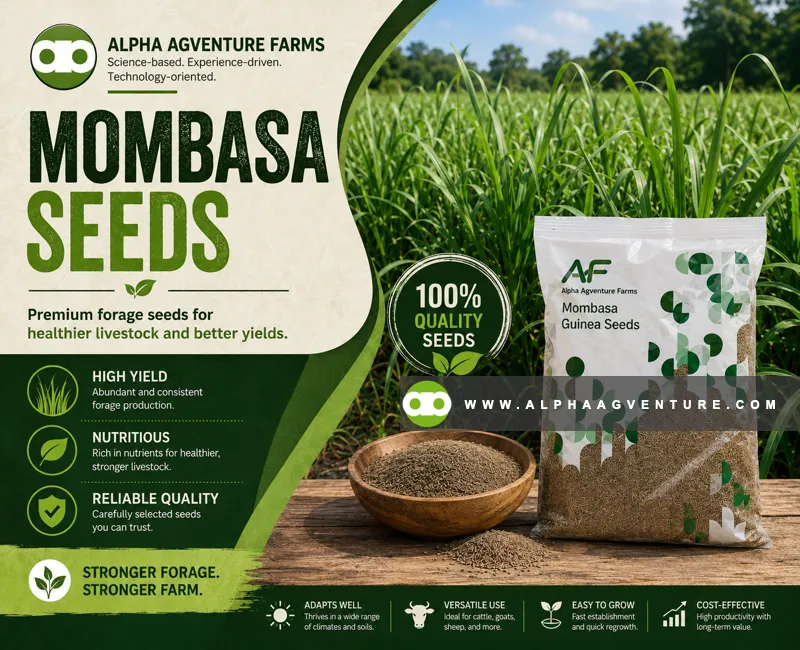
Need dependable forage for cattle, buffaloes, goats, sheep, horses, rabbits, and other livestock during forage shortages? Choose Mombasa seeds for sale to establish productive pastures that support consistent nutrition across changing seasons with proper management and timely fertilization practices for lasting performance and reliable forage production every year ahead confidently.
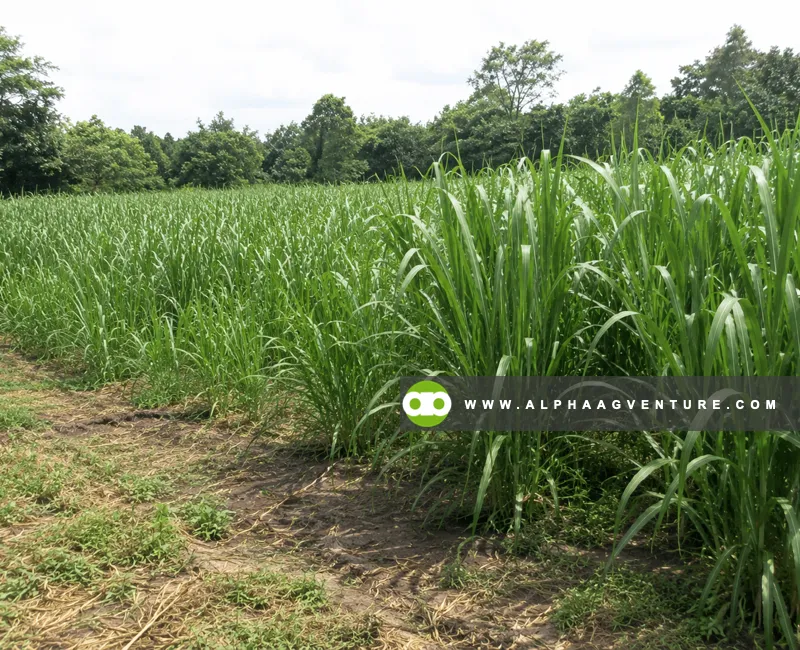
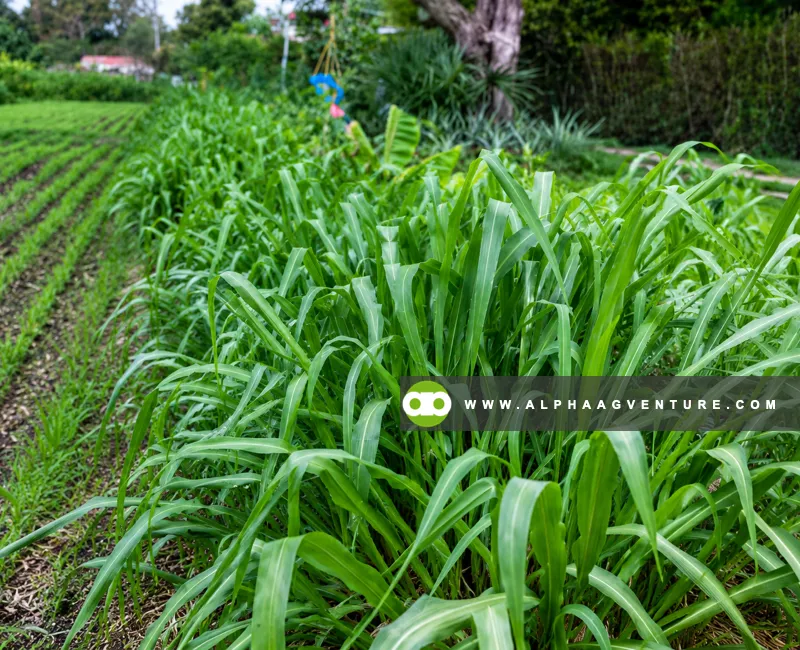
Well managed stands produce abundant leafy growth with impressive regrowth, helping reduce dependence on expensive purchased feeds. Deep root development improves resilience under challenging field conditions, while proper establishment rewards patient farmers with dependable harvests over many productive seasons without sacrificing forage quality or animal acceptance significantly overall today consistently.
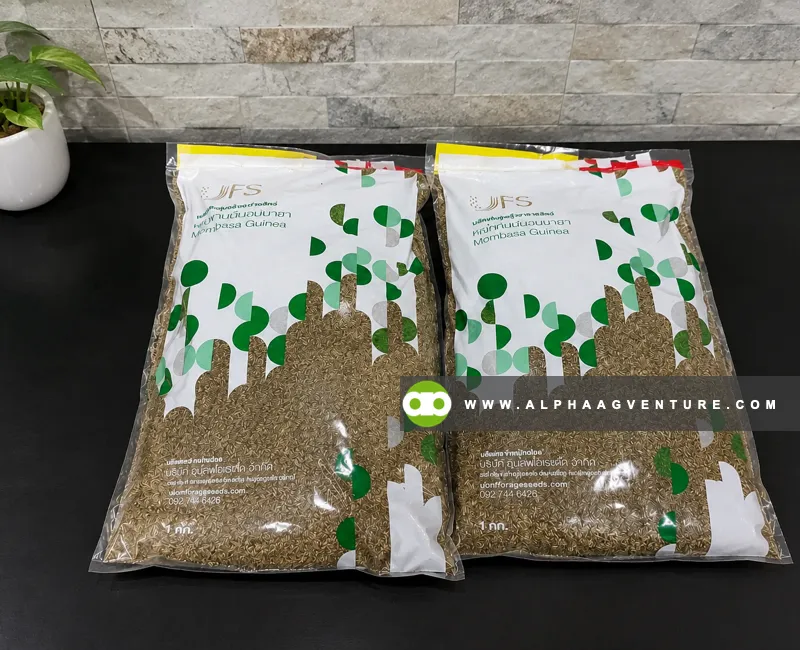
Wondering where to buy Mombasa seeds? Alpha Agventure Farms offers carefully selected seed sources backed by responsive customer support. Proper planting preparation, correct seeding rates, and adequate moisture greatly improve establishment success, giving producers stronger confidence before investing larger pasture areas. While experienced guidance minimizes avoidable mistakes during establishment phases.
Livestock owners often worry about germination consistency and long term value. High quality seed combined with suitable soil preparation, appropriate fertility, and weed control creates better establishment potential than seed alone, maximizing every planting effort through informed management decisions from beginning onward each season successfully together always thereafter naturally improving.
The price of Mombasa seeds is a worthwhile investment when compared with the daily struggle of searching for enough forage to feed hungry animals. Instead of constantly worrying where tomorrow’s feed will come from, you can establish a productive pasture that supplies dependable forage while giving greater peace of mind and supporting more predictable livestock management.
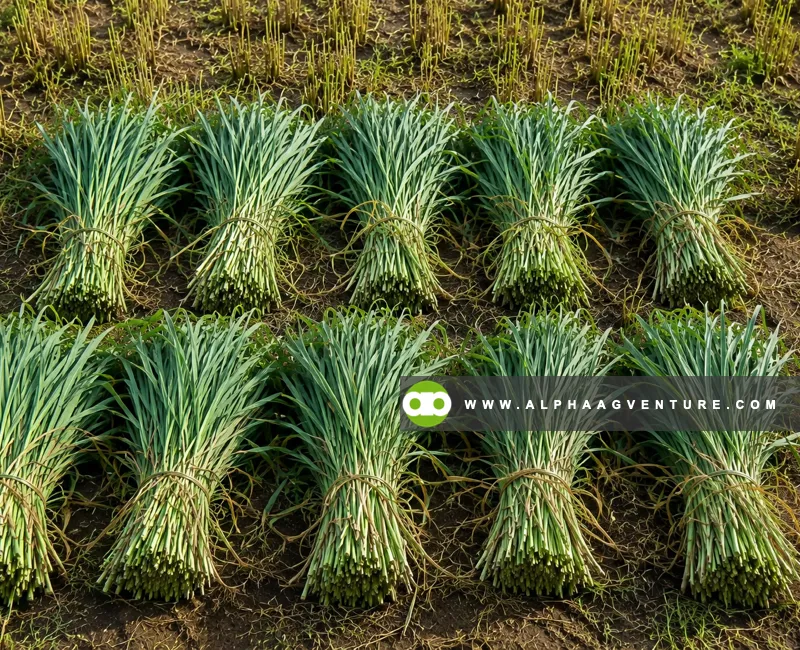
Suitable for rotational grazing or cut and carry systems, this forage adapts well to diverse livestock operations. When managed correctly, dense stands encourage repeated harvests while maintaining palatability appreciated by cattle, buffaloes, goats, sheep, horses, rabbits, and many other grazing animals alike throughout productive years ahead with confidence daily naturally.
Successful pasture establishment begins with proper land preparation, timely planting, and adequate moisture. Regular fertilization, sensible grazing management, and periodic field monitoring help preserve vigorous growth while extending pasture productivity for demanding commercial and small farm operations across varying climates year after year sustainably together successfully always forward confidently now.
As a trusted supplier of Mombasa seeds, Alpha Agventure Farms focuses on dependable products and practical customer assistance. Build resilient pastures that nourish livestock efficiently while supporting long term farm success with Mombasa seeds for sale from Alpha Agventure Farms today with confidence and lasting value for every producer nationwide.
FREQUENTLY ASKED QUESTIONS
Is Mombasa grass difficult to establish from seed?
Not when the planting area is prepared correctly. Good seed-to-soil contact, adequate moisture, and proper weed control during the establishment stage greatly improve success. Many planting failures result from poor land preparation rather than poor seed quality. Following recommended planting practices gives the pasture a much better opportunity to develop into a vigorous and productive forage source.
Will my animals readily eat Mombasa grass?
Most cattle, buffaloes, goats, sheep, horses, and rabbits readily consume Mombasa grass when harvested or grazed at the proper stage. Younger leafy growth is generally more palatable than mature stems. Proper grazing management or timely cutting helps maintain forage quality, encouraging better intake while supporting healthy animal performance throughout the production cycle.
Can Mombasa grass survive dry seasons?
Mombasa grass develops a deep root system that helps it tolerate periods of limited rainfall better than many shallow-rooted forage species. However, like all forage crops, extended drought can still reduce growth. Proper fertilization, pasture management, and maintaining healthy stands improve recovery once favorable growing conditions return after seasonal rainfall resumes.
Will Mombasa grass take over my entire farm?
Mombasa grass grows vigorously under favorable conditions, but it is not difficult to manage with proper pasture planning. Regular harvesting, rotational grazing, and maintaining defined planting boundaries help keep the forage where it belongs. Responsible pasture management allows farmers to enjoy high productivity without unnecessary concerns about uncontrolled spreading.
Do I need fertile soil to grow Mombasa grass?
Mombasa grass performs best in fertile, well-drained soils, but it can also grow successfully in average agricultural soils with proper management. Soil testing before planting allows appropriate fertilizer recommendations, helping maximize growth and long-term productivity. Investing in soil improvement often produces better forage yields and greater returns over many seasons.
How soon can I harvest Mombasa grass after planting?
The first harvest depends on growing conditions, rainfall, soil fertility, and management practices. Under favorable conditions, many farmers can begin harvesting several months after successful establishment. Allowing sufficient root development before the first cutting encourages stronger regrowth and improves the long-term productivity of the pasture for future harvest cycles.
Is Mombasa grass only suitable for large commercial farms?
No. Mombasa grass is equally suitable for backyard raisers, family farms, and commercial livestock operations. Whether feeding a few goats or maintaining hundreds of cattle, establishing your own forage source helps reduce dependence on unpredictable forage availability while improving feed planning throughout the year according to your production goals.
How much maintenance does a Mombasa pasture require?
Every productive pasture requires ongoing management. Fertilization, weed control, proper grazing intervals, and occasional field maintenance help preserve vigorous growth and consistent forage production. The effort invested in maintaining the pasture is often far less stressful than searching for fresh forage every day to feed hungry livestock throughout the year.
How much seed do I need for my farm?
The required quantity depends on your planting area, planting method, desired plant population, and field conditions. Purchasing too little seed may reduce stand density, while excessive seeding increases unnecessary costs. Consulting an experienced supplier before planting helps ensure you purchase an appropriate amount for your specific pasture development objectives.
Can Mombasa grass be planted together with forage legumes?
Yes. Many livestock producers establish Mombasa grass alongside compatible forage legumes to improve pasture diversity and contribute additional nitrogen to the soil. Proper species selection and pasture management are important to maintain a healthy balance between grasses and legumes while maximizing forage availability and supporting sustainable livestock production over time.