

Where Success Starts: Reading the Land Before You Commit
The previous discussion on what you must prepare before starting ostrich farming in the Philippines establishes the foundation for this next decision. Preparation covers capital, permits, supply, and readiness, but location determines whether those efforts hold value. I treat site selection as the step where planning either proves correct or starts to break down.
Climate and land conditions shape how ostriches respond to their environment on a daily basis. Heat, rainfall, wind, and terrain all influence behavior, comfort, and long term performance. I do not treat these factors as secondary considerations because they affect outcomes more than equipment or design. A poor location forces constant adjustments that increase cost and reduce efficiency.
This guide focuses on how to evaluate a site before any commitment is made. It does not cover farm operations, feeding systems, or breeding processes at this stage. I approach this as a decision framework that helps determine whether a location meets the basic requirements. Each factor discussed in the next sections builds toward a clear and deliberate site selection process.
A strong start depends on choosing a location that supports the birds instead of working against them. I do not rely on assumptions or convenience when selecting land for ostrich farming. Every condition must be observed, questioned, and understood before any investment moves forward. The goal is not to find available land, but to identify land that fits the demands of the system.
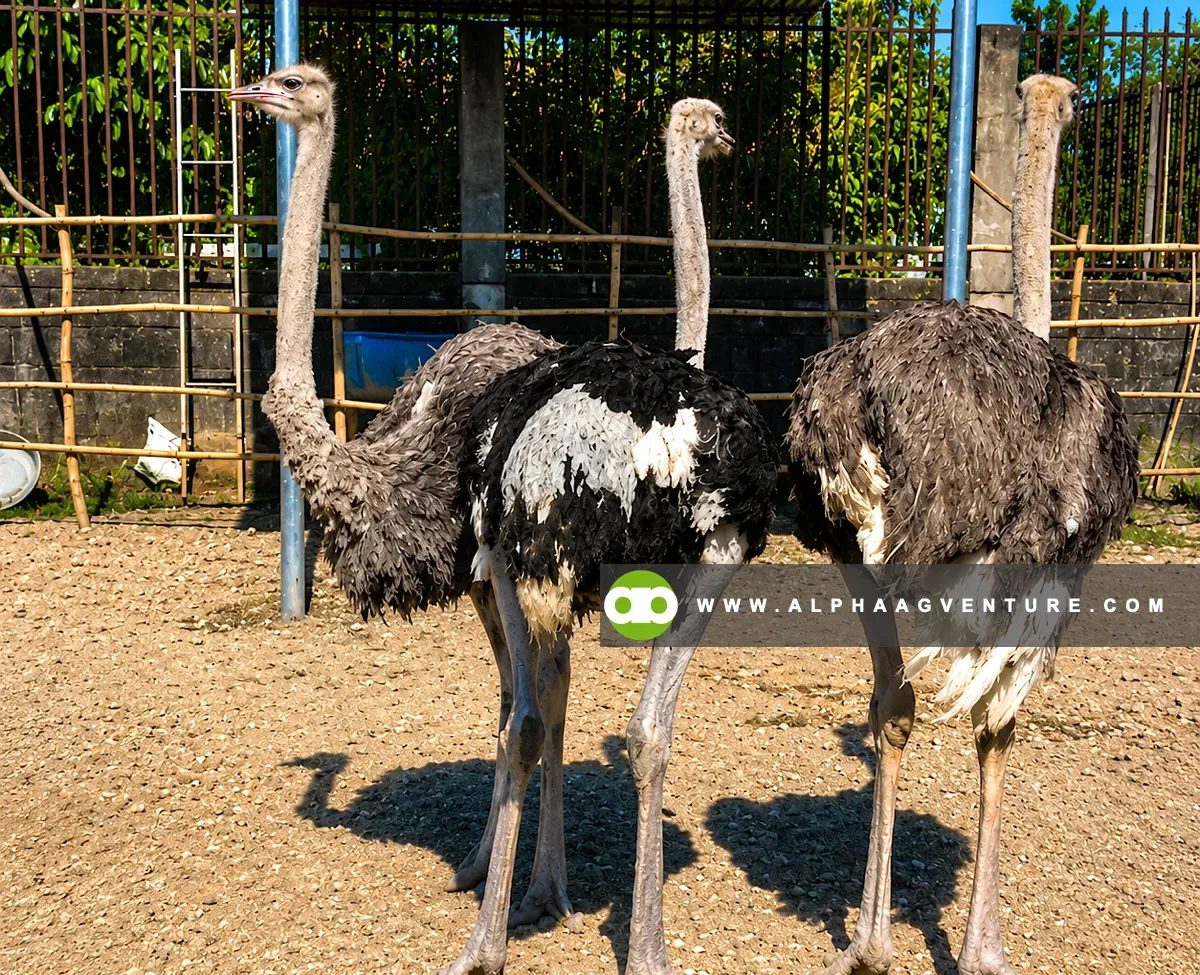
Temperature Limits: Heat Tolerance and Stress Thresholds
Once land evaluation begins, temperature becomes one of the first conditions that requires close attention. I treat heat exposure as a daily factor that directly affects bird comfort and performance. The Philippine climate presents consistent warmth, but extremes still create stress when limits are exceeded.
Ostriches tolerate heat better than many livestock species because of their natural adaptation to warm environments. However, tolerance does not mean immunity, especially under prolonged exposure to high temperatures. I look beyond average temperature and focus on peak heat during midday hours. Daily heat spikes often cause more stress than overall climate averages.
In most Philippine locations, daytime temperatures range from 28 to 35 degrees Celsius during normal conditions. These levels are generally acceptable when airflow and shade are present within the farm environment. I consider this range manageable, provided that birds can move freely and avoid direct sun exposure. Problems begin when temperatures push beyond this range without relief.
Heat stress starts to develop when temperatures exceed 35 degrees Celsius for extended periods. At this point, birds show signs such as reduced activity, open mouth breathing, and decreased appetite. I monitor these indicators closely because they signal that environmental conditions are no longer optimal. Continued exposure without adjustment leads to performance decline and possible health issues.
Nighttime temperature also plays a role in recovery from daytime heat exposure. Cooler evenings allow birds to regain comfort and stabilize their condition after a hot day. I prefer locations where nighttime temperatures drop enough to provide relief. Constant high temperatures throughout day and night increase cumulative stress on the birds.
Daily heat cycles matter more than isolated readings because they reflect how long birds remain under stress. I evaluate how quickly temperatures rise in the morning and how long peak heat persists. A location with shorter high temperature duration is more favorable than one with prolonged exposure. This difference affects long term stability even when averages appear similar.
Understanding these thresholds allows proper evaluation of whether a location supports or challenges the birds. I do not rely on general climate labels when making this decision. Actual temperature patterns and daily fluctuations provide clearer insight into suitability. A suitable site maintains conditions within manageable limits rather than pushing birds toward constant stress.
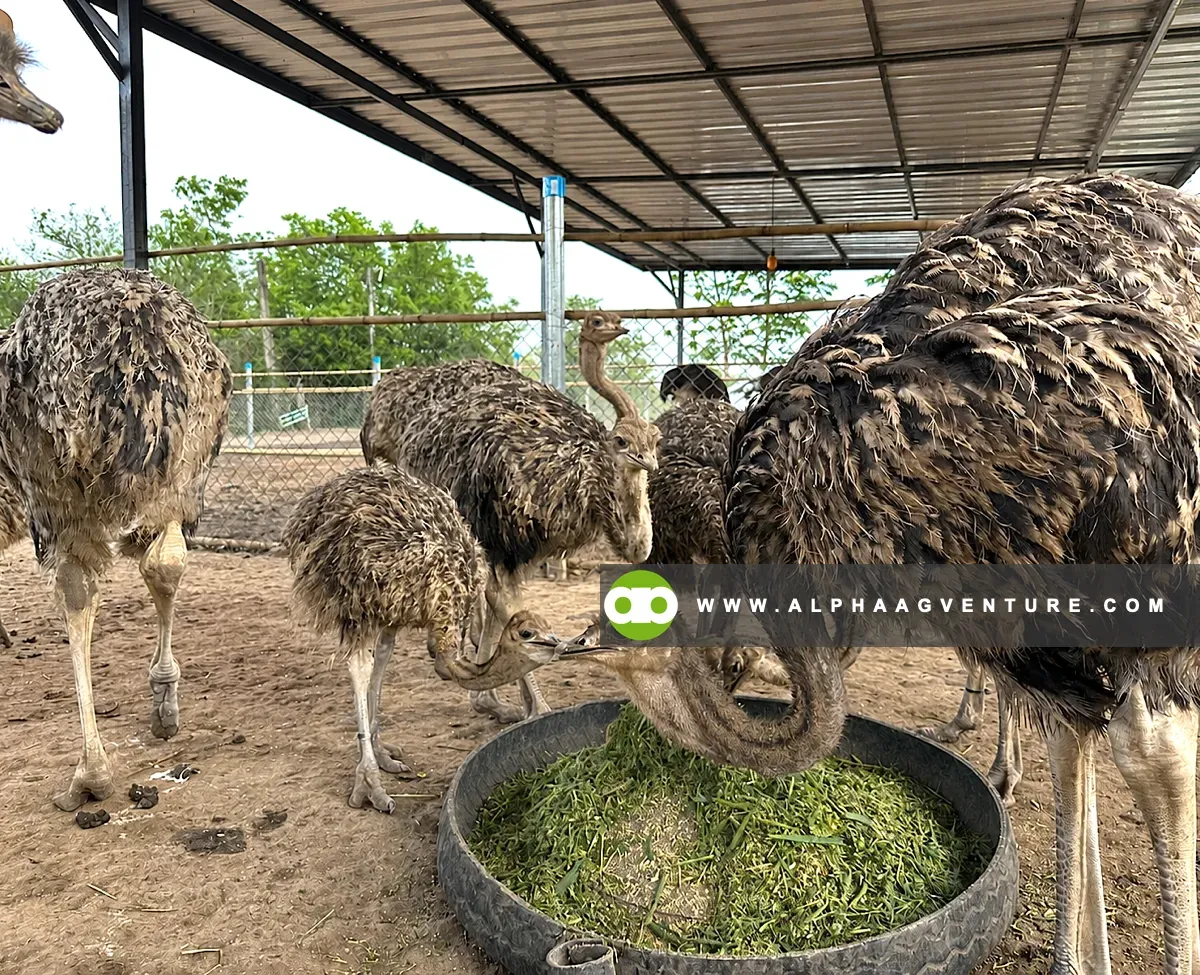
Rainfall Patterns: Managing Wet Conditions and Exposure Risks
After temperature limits are understood, rainfall becomes the next condition that shapes site suitability. I evaluate precipitation based on intensity, frequency, and seasonal distribution across the Philippine calendar. Rain affects not only comfort, but also ground usability and overall farm stability.
The Philippines experiences distinct wet and dry periods, with heavy rainfall concentrated during monsoon months. Some regions receive frequent rain events, while others experience intense downpours within shorter time frames. I assess both patterns because frequent light rain and occasional heavy rain create different challenges. Understanding seasonal distribution allows better judgment of how long wet conditions persist.
Excessive rainfall affects ground condition by softening soil and reducing stability for movement. Ostriches rely on firm footing, and prolonged wetness increases the risk of slips and leg strain. I consider how often the ground remains wet rather than how much rain falls in total. Continuous exposure to wet surfaces creates stress even when rainfall appears moderate.
Bird welfare also changes under wet conditions, especially when exposure becomes prolonged or repetitive. Damp environments reduce comfort and can lead to behavioral changes such as reduced activity or reluctance to move. I observe how birds respond to wet periods because it reflects how suitable the location is. Frequent discomfort signals that rainfall patterns may not support long term stability.
Rainfall patterns must be evaluated as part of the overall climate profile rather than as isolated events. I do not rely on annual averages because they hide the intensity and timing of actual rain events. What matters is how often birds face wet conditions and how long those conditions last. A suitable location limits prolonged exposure and allows consistent dry periods throughout the year.
Reducing prolonged exposure to wet conditions requires deliberate planning and observation before and after site selection. I approach this through practical steps that directly address how water behaves on the ground and how birds interact with it. These steps allow a farm to remain stable even in areas with long rainy seasons.
- Choose elevated sections of the land where water naturally drains away after rainfall
- Limit bird access to softer areas during and immediately after heavy rain
- Provide consistent dry zones where birds can stand and rest without wet contact
- Adjust stocking density when ground conditions become soft to reduce pressure
- Improve footing in high traffic areas using materials that reduce moisture retention
- Monitor how long the ground stays wet after each rain event to guide decisions
- Observe bird movement and reinforce areas they naturally prefer during wet periods
These steps focus on controlling exposure rather than avoiding rain entirely. I treat rainfall as a manageable factor instead of a limiting condition. With proper planning and consistent observation, even locations with frequent rain can support stable ostrich production.
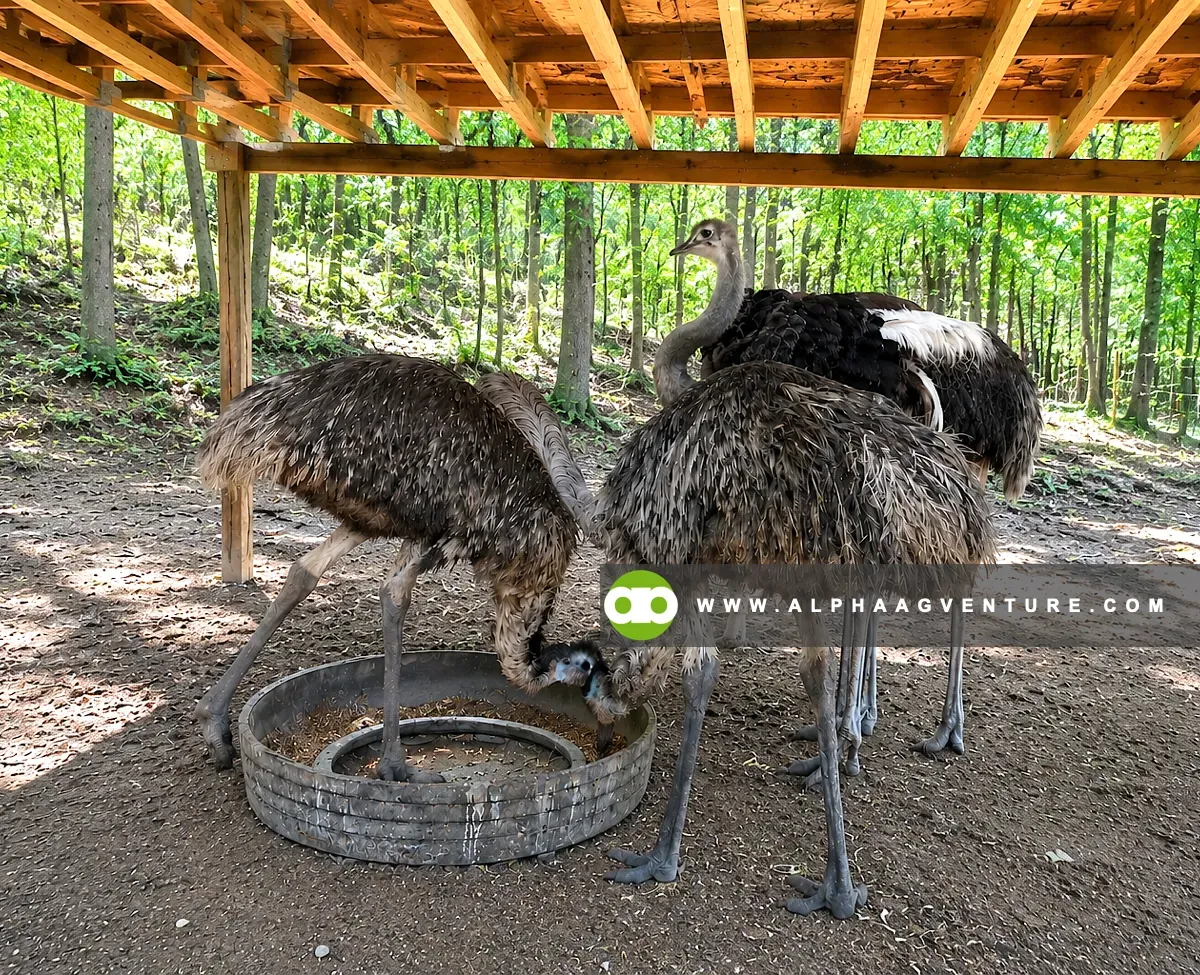
Wind Exposure: Air Movement Versus Structural Vulnerability
After rainfall patterns are evaluated, wind exposure becomes another factor that directly affects site suitability. I treat airflow as a natural tool for temperature control, especially in warm and humid environments. Proper air movement helps reduce heat buildup and supports overall bird comfort during the day.
Natural airflow plays a critical role in dispersing heat that accumulates during peak temperature hours. Areas with steady breeze allow birds to cool down without relying solely on shade or water access. I favor locations where air moves consistently rather than areas with stagnant and trapped heat. This difference becomes more noticeable during long periods of high temperature.
In the Philippine setting, certain natural environments already provide this balance when chosen correctly. I often look at areas under bamboo clusters or near tree lines where filtered wind passes through. These locations allow airflow while reducing direct wind impact, which keeps conditions stable. Open fields without wind breaks tend to expose birds to stronger gusts, especially during seasonal changes.
However, not all wind conditions provide benefits, especially when intensity becomes excessive or unpredictable. Strong winds can create stress, disrupt normal movement, and increase the risk of injury. I observe how wind behaves throughout the day because sudden changes affect bird behavior quickly. Calm mornings followed by strong afternoon gusts require careful evaluation before selecting a site.
Seasonal wind patterns also matter, particularly in regions affected by storms and typhoons. Certain areas experience consistent exposure to strong winds during specific months of the year. I assess how often these conditions occur and how long they persist. Frequent exposure to strong winds can reduce comfort and affect overall stability.
A suitable location balances airflow and protection without exposing birds to constant strong wind conditions. I avoid sites where wind remains either completely stagnant or excessively forceful throughout the day. The goal is to maintain steady air movement that supports cooling without introducing unnecessary stress. Understanding this balance allows better decisions when comparing potential locations.
Elevation Choice: Flood Risk and Water Flow Behavior
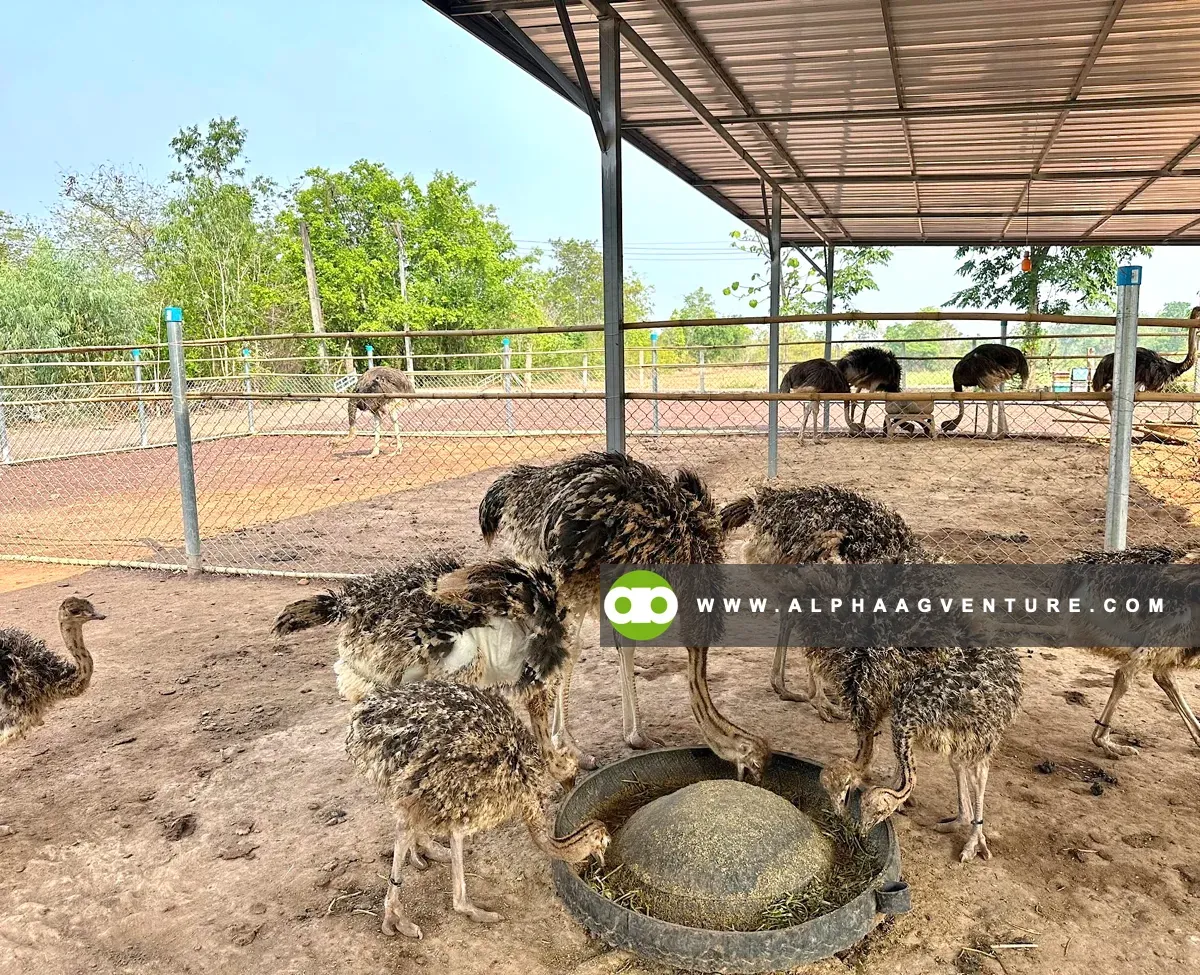
After wind exposure is evaluated, elevation becomes a defining factor that shapes how water interacts with the land. I treat elevation as a natural control that determines whether water stays or moves away. This directly affects ground condition, stability, and long term usability of the site.
Higher ground allows water to move away more efficiently after rainfall or storm events. Areas with slight elevation provide natural advantage without the need for constant intervention. I prefer sites where water flows away without forming pools or saturated zones. This reduces prolonged wet exposure that negatively affects ostrich movement and comfort.
Low lying areas create persistent problems because water tends to collect and remain in place. Even moderate rainfall can lead to standing water that takes time to dissipate. I avoid these locations because repeated exposure to wet conditions affects footing and overall bird condition. Over time, these areas become difficult to manage regardless of other improvements.
Natural water flow must be observed carefully before committing to a location. Rainwater follows predictable paths based on slope, contour, and surrounding terrain. I study how water moves across the land during and after rainfall events. This provides clear insight into whether the site can handle seasonal changes without major issues.
Elevation does not require steep terrain, but it must provide enough slope for water movement. Slightly raised areas often perform better than completely flat land in the Philippine setting. I select locations where elevation supports natural drainage without creating instability for the birds. Balance between slope and usability becomes the key consideration.
A suitable site allows water to move away naturally without creating long periods of saturation. I avoid locations where water remains trapped or returns repeatedly after each rainfall. The goal is to work with the natural behavior of water rather than against it. Proper elevation selection supports consistent ground condition and reduces long term risk.
Soil Condition: Stability, Drainage, and Footing Quality
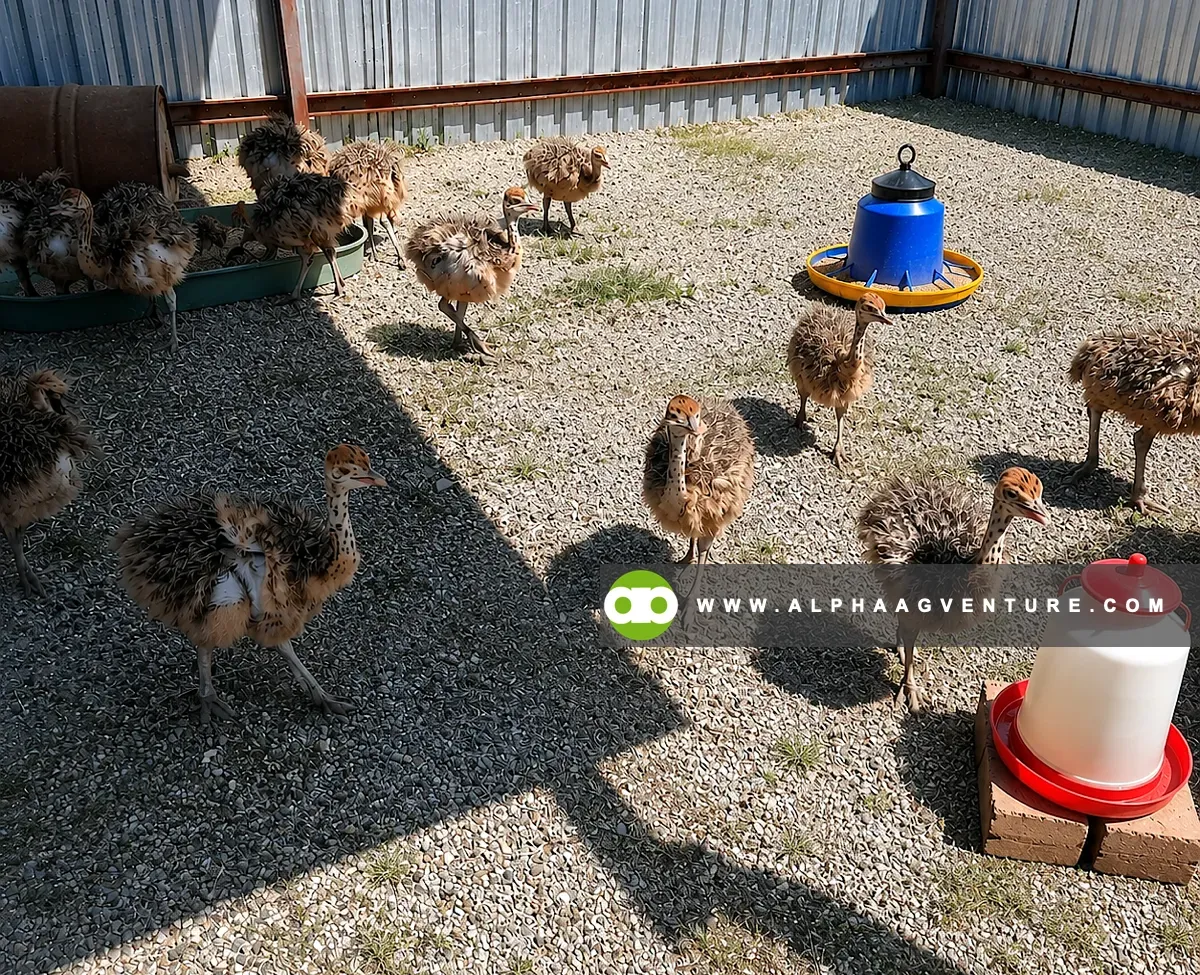
After elevation is assessed, soil condition becomes the next factor that determines how the ground performs under use. I treat soil not just as surface material but as the foundation that supports movement and stability. Poor soil choice leads to long term issues that cannot be ignored or easily corrected.
Sandy soil provides loose footing but allows water to pass through quickly, which helps maintain drier surfaces. However, excessive looseness reduces stability and can affect movement if the ground shifts under weight. I consider moderate sand content beneficial when combined with firmer components that improve support. Pure sand often lacks the strength needed for consistent footing over time.
Clay soil behaves differently because it retains moisture and becomes compact or sticky under pressure. This type of soil can harden when dry and become slippery when wet, which creates inconsistent conditions. I avoid heavy clay areas because they create unstable footing that changes with weather and use. Movement becomes more difficult when the surface does not remain predictable.
Mixed soil offers the most balanced condition when sand, silt, and clay exist in proper proportion. This combination provides enough firmness for support while still allowing reasonable moisture control. I prefer this type of soil because it maintains stability without extreme behavior under different conditions. A well balanced soil supports consistent footing, which contributes to safer movement and better overall usability.
Soil condition must be evaluated as a long term factor that affects daily movement and overall farm performance. I do not rely on appearance alone because surface conditions can change under repeated use and pressure. What matters is how the soil holds up over time under actual farm conditions. A suitable site maintains stable footing that supports the birds without constant correction or adjustment.
Sun Exposure: Shade Needs and Daily Light Distribution
After soil condition is assessed, sun exposure becomes another factor that directly influences site suitability. Sunlight acts as a constant driver of heat load across the land throughout the day. I focus on how light intensity and movement affect bird comfort in real conditions.
Direct sunlight increases surface temperature and raises heat stress during peak hours of the day. Prolonged exposure without relief leads to reduced activity and visible signs of discomfort. I pay close attention to midday intensity because that period creates the highest thermal pressure. Locations with uninterrupted exposure become difficult to manage under Philippine conditions.
Shade availability provides necessary relief and allows birds to regulate their own comfort naturally. Natural shade from trees or terrain features offers a practical advantage when present in the right areas. I evaluate how shade shifts throughout the day instead of assuming it remains fixed. Static shade does not always cover the periods when heat becomes most intense.
Daily light distribution must be understood as a moving pattern rather than a fixed condition. The sun changes position from morning to afternoon, which alters exposure across different sections of the land. I observe how each area receives light at different times to identify usable zones. This helps determine whether birds can avoid direct heat when needed.
Morning light usually supports normal activity because intensity remains moderate during early hours. Afternoon exposure becomes more aggressive, especially in open areas without any natural protection. I consider how quickly the site transitions from mild to harsh conditions when evaluating suitability. A location that heats up too fast requires closer scrutiny.
A suitable site allows birds to move between exposed and shaded areas throughout the day. Continuous full exposure creates stress, while balanced conditions provide flexibility and comfort. I avoid locations that offer no relief during peak heat periods. Proper evaluation of sun exposure supports long term stability without relying on constant intervention.
Accessibility Factors: Roads, Transport, and Supply Reach
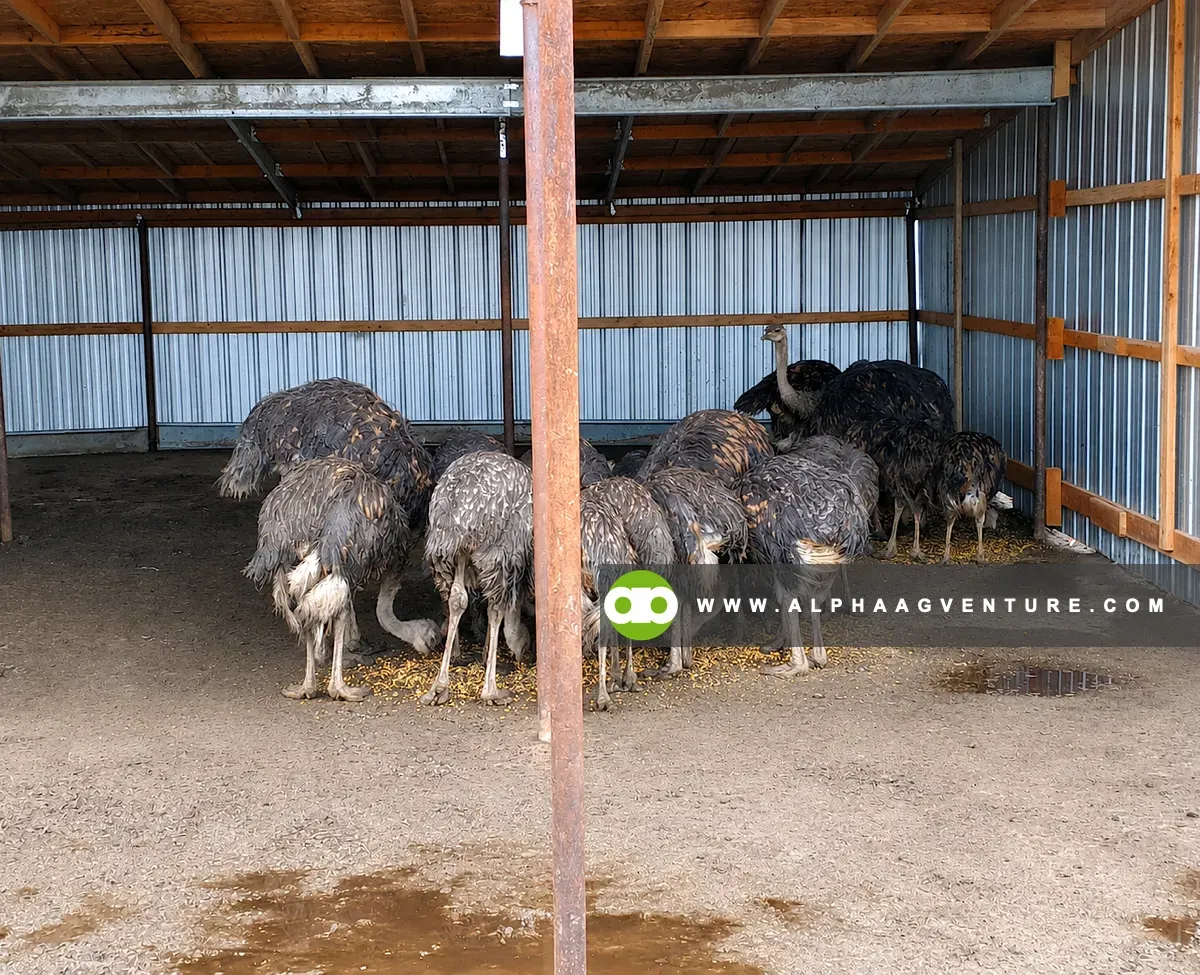
After sun exposure is evaluated, accessibility becomes the next factor that affects daily operations and long term efficiency. I consider access as a practical constraint that influences movement, timing, and cost of every activity. A location that is difficult to reach often creates problems that extend beyond simple inconvenience.
Road condition plays a major role in how easily inputs and outputs move in and out of the farm. Rough, narrow, or unpaved roads can slow down transport and increase the risk of delays. I evaluate whether vehicles can enter and exit the property without difficulty under normal conditions. Limited access can affect scheduling and create unnecessary complications.
Distance to main roads also affects how efficiently transport can be carried out. Locations far from highways or paved routes often require additional time and effort for every trip. I factor in travel time because repeated movement increases operational burden over time. A remote site may offer space, but access must still remain practical.
Transporting ostriches requires careful handling to avoid stress and injury during movement. Long travel distances or poor road conditions increase the risk of discomfort and physical strain. I assess how smooth the route is because sudden movements or extended travel can affect bird condition. Safe transport depends on both distance and road quality.
Weather conditions also affect accessibility, especially in areas where roads become difficult during certain seasons. Some routes may remain passable during dry periods but become challenging during heavy rain. I observe how access changes throughout the year instead of relying on a single visit. Consistent access under varying conditions supports more stable operations.
Emergency access must also be considered when evaluating a location for long term use. Situations that require quick response depend on how fast vehicles can reach the site. I ensure that routes allow entry at any time without major obstacles or delays. Restricted access during emergencies increases risk and limits response options.
A suitable location allows smooth, consistent movement without unnecessary barriers or delays. I avoid sites that create repeated challenges in transport and access. The goal is to maintain reliable connectivity between the farm and essential routes. Proper accessibility supports efficiency and reduces avoidable operational strain.
Neighboring Environment: Noise, Security, and Land Use Around You
After accessibility is confirmed, the surrounding environment becomes the next factor that shapes long term stability. I evaluate neighboring land use because it directly affects noise tolerance, security, and expansion potential. A suitable location does not exist in isolation, and nearby activities influence daily conditions.
Residential areas near the farm introduce sensitivity to noise and movement from large animals. Ostriches can produce sounds and activity that may not align with expectations of nearby households. I consider distance from residential zones to reduce potential complaints and conflict. Close proximity often leads to tension that affects long term operation.
Surrounding farms or agricultural land can offer compatibility when activities align with livestock production. Areas already accustomed to farm operations tend to tolerate noise, movement, and routine activity. I look for environments where livestock presence is already part of the local setting. This reduces friction and allows smoother day to day operation.
Vacant land or undeveloped areas provide flexibility for future growth and adjustment of the farm layout. These spaces allow expansion without immediate restrictions from neighboring structures or activities. I consider long term use of surrounding land because development can change conditions over time. A location that appears ideal today may become limited as nearby land use shifts.
Security also depends on how the surrounding environment supports or exposes the farm to risk. Isolated areas may reduce disturbance but can increase vulnerability to unauthorized access. I evaluate visibility, activity in nearby areas, and overall environment when assessing security conditions. A balanced location supports both protection and manageable interaction with the surroundings.
Choose With Intent: Location Decisions That Shape Outcomes
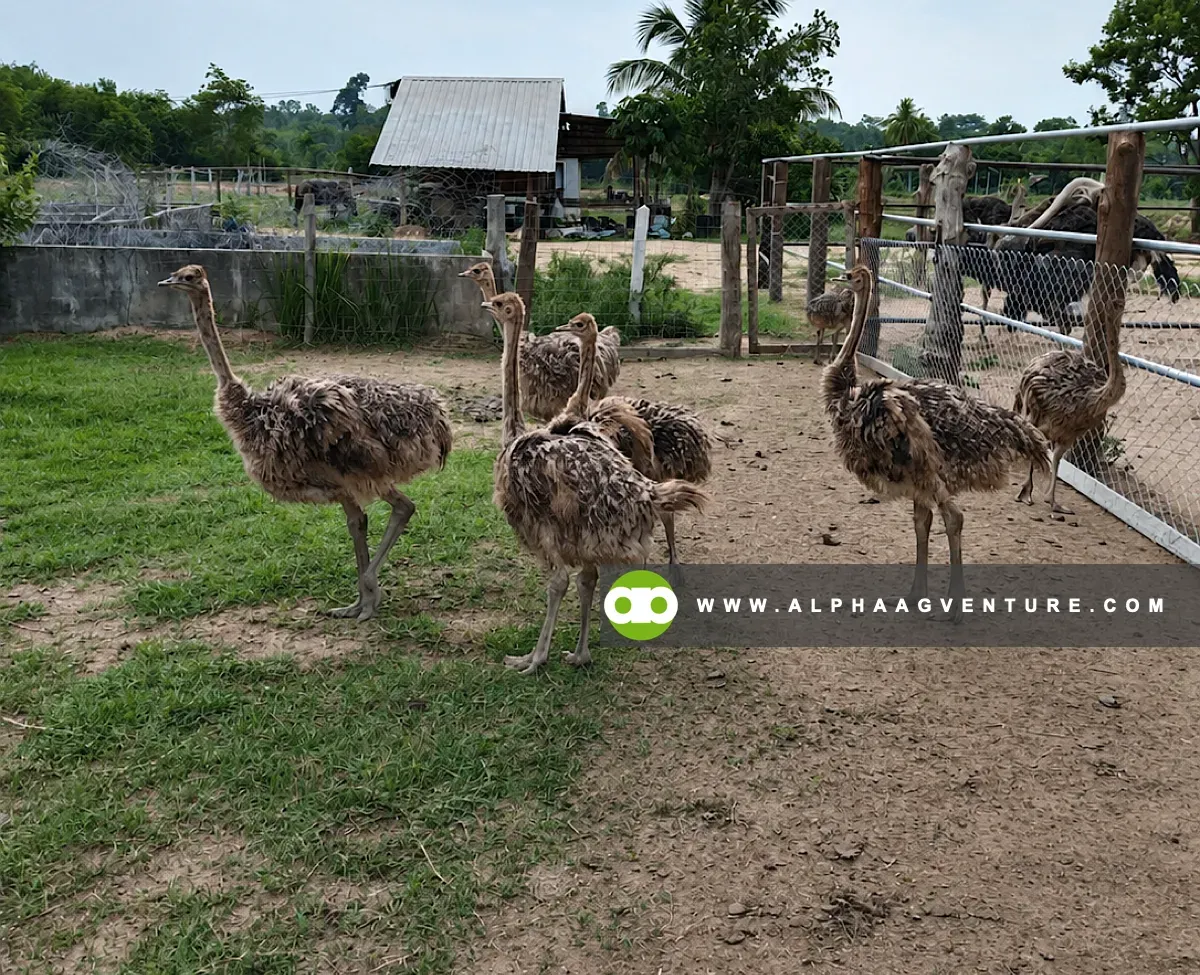
After reviewing surrounding conditions, the final step centers on making a clear and deliberate decision. I see location selection as a defining moment that determines how the entire operation will perform. Every factor discussed connects to this choice and shapes what follows.
Temperature, rainfall, wind, elevation, soil, sun exposure, access, and surroundings all form one complete evaluation. Each element must align with the demands of ostrich production to support stability. I do not isolate these factors because weakness in one area affects the entire system. A well chosen location reduces the need for constant correction and adjustment.
A deliberate decision requires patience and willingness to walk away from unsuitable sites. I avoid rushing this step because convenience often leads to long term problems that are difficult to fix. Careful evaluation allows selection based on suitability rather than availability. Strong decisions at this stage create a foundation that supports consistent performance.
A properly selected location allows operations to run with fewer disruptions and clearer direction. I rely on preparation and observation rather than assumption when reaching this point. For those who want to move forward with guidance, Alpha Agventure Farms offers ostrich packages and farm consultancy services that help align site selection with actual farm requirements. The goal is to choose a site that supports the system instead of forcing constant adjustment.
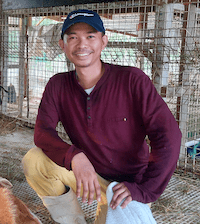
Jaycee de Guzman is the owner of Alpha Agventure Farms, where he develops practical livestock production systems, agricultural marketing strategies, and farm business models. He writes regularly about livestock development, agricultural entrepreneurship, and public policy affecting Philippine agriculture.