

Before the First Bird: A Clear Look at What Lies Ahead
Ostrich production in the Philippines demands more than curiosity, capital, and casual plans. I have seen how this type of venture requires clarity even before the first bird arrives. This guide sets expectations for beginners who consider entry without prior livestock experience.
Ostriches are large, powerful animals that react quickly to stress, noise, and unfamiliar human contact. From what I understand through practice and observation, a casual approach often leads to avoidable losses, injuries, and expensive corrections after initial setup. Local conditions such as heat, typhoons, and supply gaps can turn small mistakes into serious operational setbacks. In this environment, I treat preparation as the difference between control and constant recovery.
The focus here is what must be in place before any bird arrives or any structure goes up. I will not cover daily care, feeding systems, or breeding steps at this stage. Those come later in the sequence. What matters first is readiness, because every decision that follows depends on it.
Land Commitment: Space, Zoning, and Long Term Use
Space in ostrich farming is not negotiable. I treat it as a fixed biological requirement, not something that adjusts to budget or available land. If space is wrong, everything else suffers, from growth rate to behavior to survival.
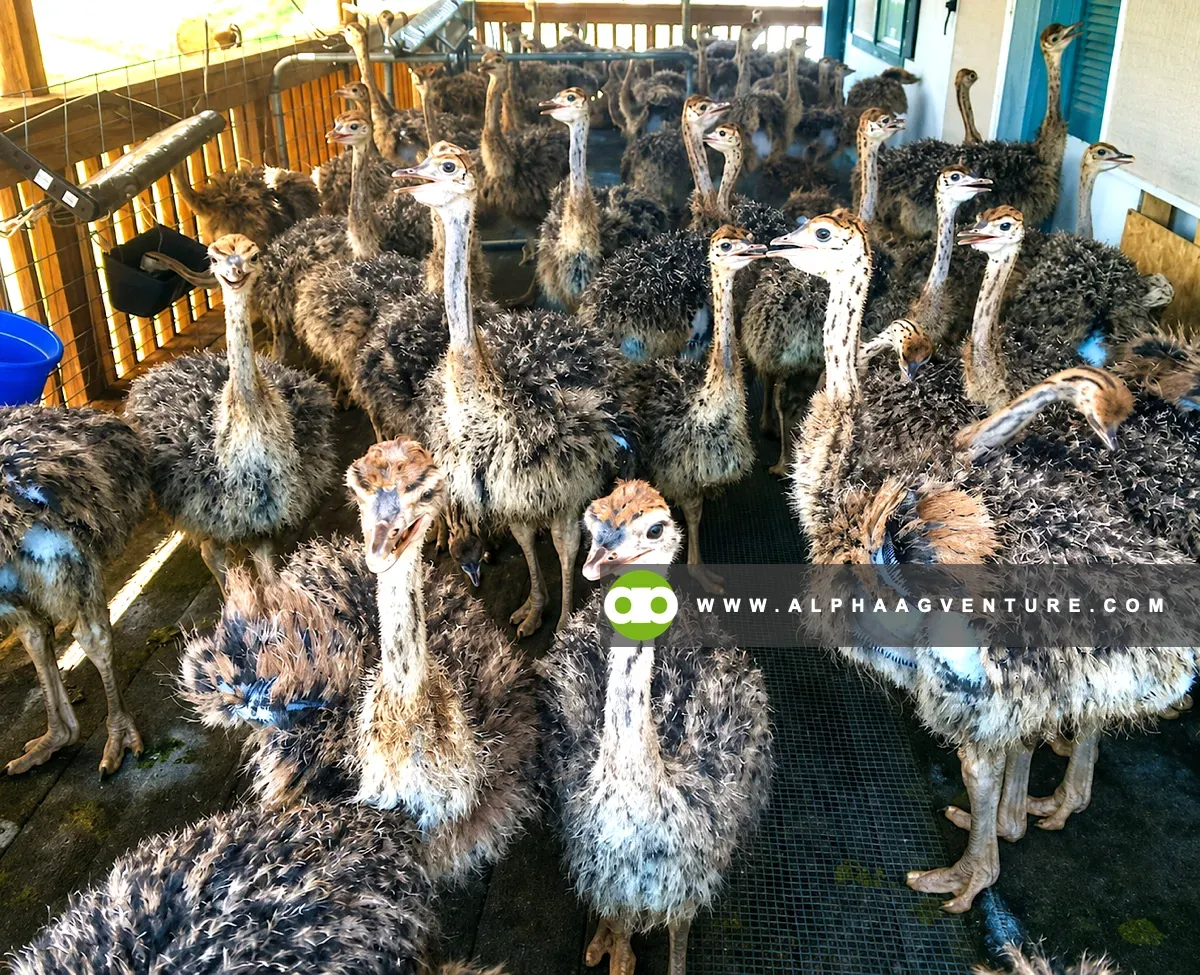
0 to 3 months (chicks)
- Indoor brooder: 0.5 to 1 m² per chick
- Outdoor run (optional): 1 to 2 m² per chick
At this stage, control matters more than size, but crowding still creates serious problems. I keep space tight enough for monitoring, but never to the point where chicks pile, compete excessively, or develop leg issues.
3 to 6 months (growers)
- Shelter area: 2 to 4 m² per bird
- Outdoor space: 10 to 20 m² per bird
Growth accelerates here, and so does movement and aggression. Limited space during this phase often leads to chasing, pecking, and unnecessary stress, which slows development and increases injury risk.
6 to 12 months (juveniles)
- Shelter area: 5 to 8 m² per bird
- Outdoor space: 50 to 100 m² per bird
This is where space becomes a performance factor, not just a welfare issue. I do not compromise here because restriction leads to uneven growth, poor muscle development, and higher stress levels.
12 months and above (sub-adults to adults)
- Shelter area: 10 to 15 m² per bird
- Outdoor space: 100 to 300 m² per bird
Adult birds require space not just to move, but to establish distance from each other. When space is insufficient, aggression becomes more frequent and harder to control, especially in mixed groups.
Breeding pairs or trios
- Recommended pen size: 800 to 2,500 m² per group
Once birds enter breeding, I stop thinking per head and start thinking per group. A breeding unit, usually one male with one or two females, needs enough area to support natural mating behavior and reduce conflict.
Space planning is where many beginners fail without realizing it early. I always allocate more than the minimum when possible, because expansion later is expensive and disruptive. In the Philippine setting, heat and humidity make overcrowding even worse, so correct spacing from the start is a serious advantage.
Capital Reality: Upfront Costs and Reserve Funds Needed
After land allocation becomes clear, capital planning shifts from theory into practical decisions that match Philippine conditions. I do not assume perfect infrastructure or premium materials because most farms start lean and expand gradually. What matters is a functional setup that can scale without forcing expensive rework later.
Land development in the Philippines often depends on how raw the site is and what equipment is available locally. For light clearing and basic leveling, I usually see costs around ₱20,000 to ₱80,000 if equipment access is nearby. Areas that need hauling, drainage canals, or filling can push costs closer to ₱100,000 or more.
Fencing does not always follow commercial standards here, and that is where many setups succeed or fail. Instead of full steel systems, many farms use coco lumber posts with cyclone wire. A practical cost range is around ₱120 to ₱300 per meter, which places a small perimeter setup at roughly ₱60,000 to ₱150,000.
Shelter construction in the Philippine setting focuses more on shade than enclosed housing. I usually recommend simple structures using coco lumber or light steel with GI sheets or netting. A workable setup can range from ₱30,000 to ₱120,000 depending on size, materials, and labor availability.
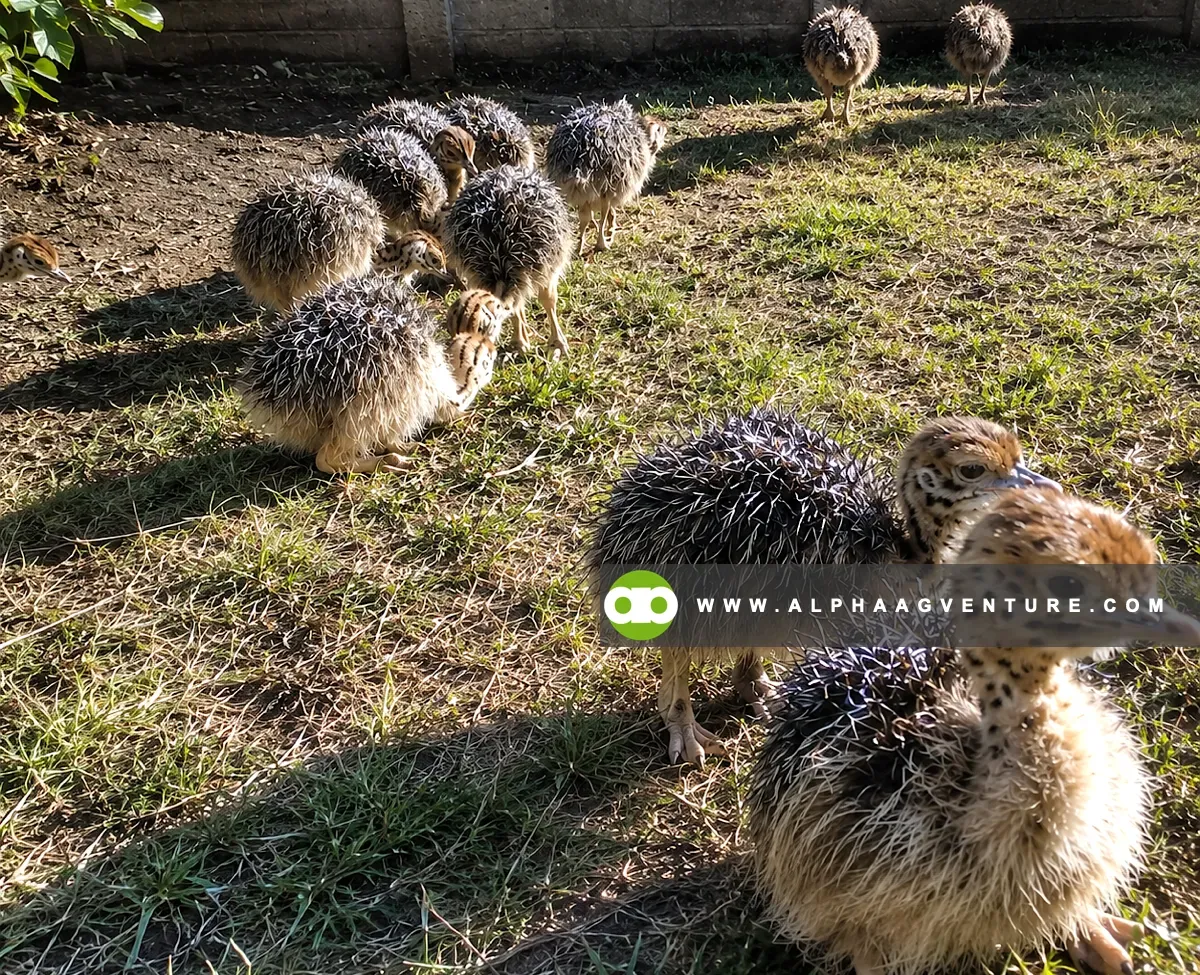
Bird acquisition remains the largest single expense, and this is where decisions become very specific. Based on current pricing, a pair of one month old ostriches costs ₱162,500, while a trio costs ₱212,500. For ready to breed birds at around two years old, a pair costs ₱812,500 and a trio costs ₱1,250,000, which immediately changes the capital requirement profile.
Reserve funds are where disciplined planning separates stable farms from struggling ones. I always set aside at least ₱50,000 to ₱150,000 for unexpected repairs, replacements, or adjustments during early stages. In local conditions, small issues appear quickly, and lack of buffer forces poor decisions.
Practical Starter Example (Filipino Setup)
Option 1: Pair Setup (1 month old)
- Land preparation: ₱20,000 to ₱80,000
- Fencing: ₱60,000 to ₱150,000
- Shelter: ₱30,000 to ₱120,000
- Birds: ₱162,500
- Reserve funds: ₱50,000 to ₱150,000
Estimated total: ₱322,500 to ₱662,500
Option 2: Trio Setup (1 month old)
- Land preparation: ₱20,000 to ₱80,000
- Fencing: ₱60,000 to ₱150,000
- Shelter: ₱30,000 to ₱120,000
- Birds: ₱212,500
- Reserve funds: ₱50,000 to ₱150,000
Estimated total: ₱372,500 to ₱712,500
Option 3: Pair Setup (2 years old, ready to breed)
- Land preparation: ₱20,000 to ₱80,000
- Fencing: ₱60,000 to ₱150,000
- Shelter: ₱30,000 to ₱120,000
- Birds: ₱812,500
- Reserve funds: ₱50,000 to ₱150,000
Estimated total: ₱972,500 to ₱1,312,500
Option 4: Trio Setup (2 years old, ready to breed)
- Land preparation: ₱20,000 to ₱80,000
- Fencing: ₱60,000 to ₱150,000
- Shelter: ₱30,000 to ₱120,000
- Birds: ₱1,250,000
- Reserve funds: ₱50,000 to ₱150,000
Estimated total: ₱1,410,000 to ₱1,750,000
This is a more accurate picture of how capital behaves in a Philippine setup. The biggest shift happens when moving from chicks to ready to breed birds, where time saved comes at a significantly higher upfront cost.
Legal Groundwork: Permits, Compliance, and Local Rules
Capital planning sets the stage, but legal compliance determines whether operations can proceed without disruption. I treat permits as mandatory steps that must be secured before construction or animal acquisition. Skipping this phase often leads to penalties, forced stoppage, or complete project shutdown.
Barangay clearance is usually the first requirement and comes from the Barangay Hall where the farm will operate. This document confirms that the community recognizes and accepts the planned livestock activity within its jurisdiction. I secure this early because it supports all subsequent applications at the municipal level.
A zoning clearance must be obtained from the Municipal or City Planning and Development Office. This confirms that the land classification allows livestock farming, specifically large animals like ostriches. I never assume agricultural land automatically qualifies because zoning definitions vary across local government units. Some areas restrict certain livestock types despite agricultural classification.
A Mayor’s Permit or Business Permit is processed through the Municipal or City Hall Business Permits and Licensing Office. This usually requires submission of barangay clearance, zoning clearance, and identification documents. I treat this as a formal recognition that the farm can legally operate within the municipality. Without this permit, operations may be considered illegal regardless of land ownership.
For larger setups or sensitive locations, environmental compliance may be required through the Department of Environment and Natural Resources. This may involve securing a Certificate of Non Coverage or an Environmental Compliance Certificate depending on project scale. I assess this early because environmental violations can lead to suspension or closure orders.
Animal health and movement concerns fall under the Bureau of Animal Industry and the Provincial or City Veterinary Office. Registration of the farm and coordination with local veterinarians help ensure compliance with livestock health regulations. I establish this link early because transport and disease control measures depend on proper documentation.
Requirements differ from one municipality to another, even within the same province. I verify each step directly with the Barangay Hall, Municipal Planning Office, Business Permits Office, and relevant national agencies. Here is the chronological sequence of steps I follow in practice before construction or animal acquisition begins:
- Secure Barangay Clearance from the Barangay Hall to confirm local community approval
- Obtain Zoning Clearance from the Municipal or City Planning and Development Office
- Apply for Mayor’s Permit or Business Permit at the Business Permits and Licensing Office
- Check environmental requirements with the Department of Environment and Natural Resources for CNC or ECC
- Register and coordinate with the Bureau of Animal Industry and the Provincial or City Veterinary Office
A compliant setup prevents delays, avoids legal exposure, and supports long term stability for the farm. It also builds credibility with local authorities and nearby communities, which becomes important as the operation grows. I see compliance as protection against unnecessary conflict, unexpected shutdowns, and costly corrections later.
Supply Access: Reliable Sources for Chicks and Inputs
After legal groundwork is secured, supply access becomes the next critical factor that determines readiness. I treat sourcing as a system, not a one time transaction that ends after purchase. Without reliable suppliers, even a well prepared farm struggles to maintain stability and continuity.
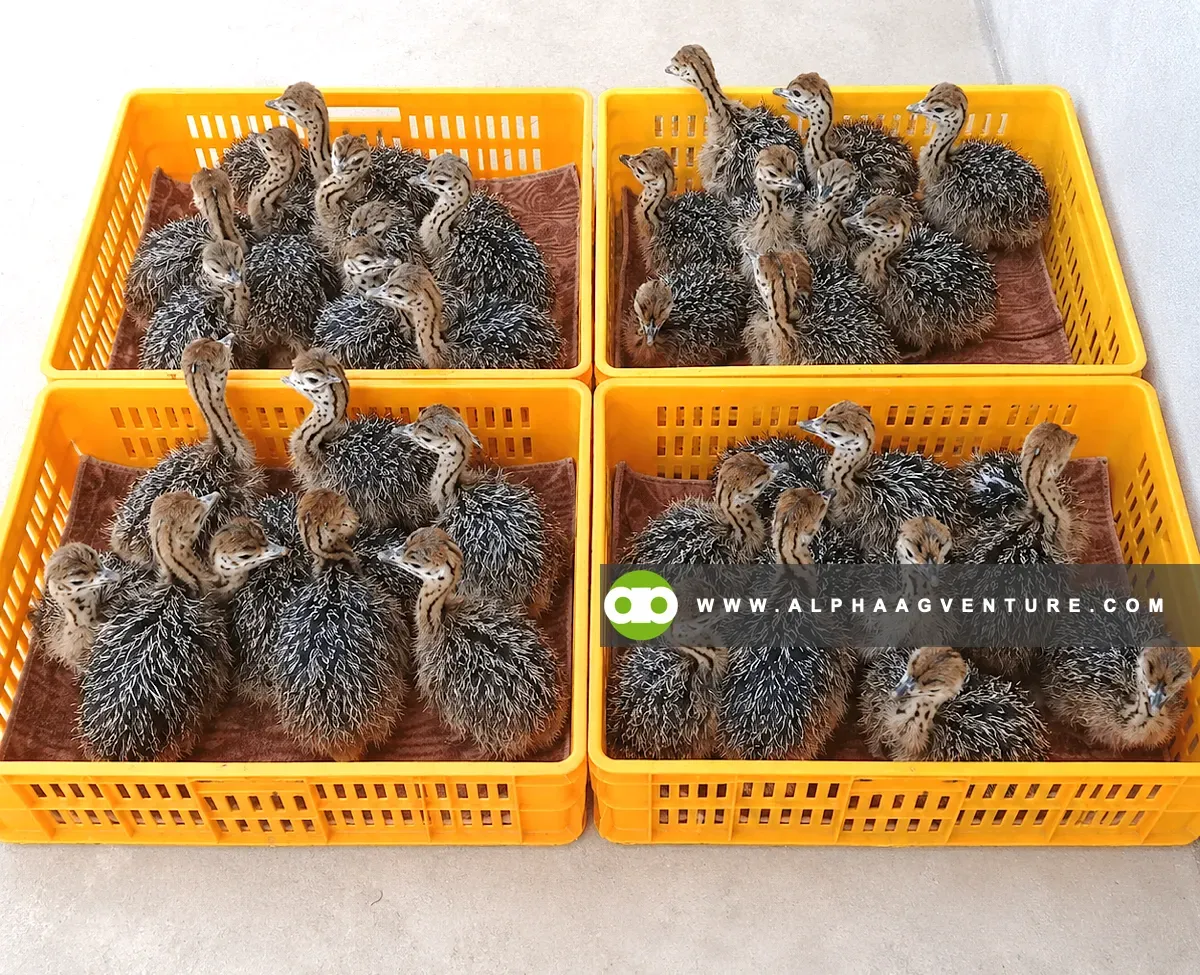
Ostrich chicks and breeders can come from established local farms or through regulated importation channels when necessary. In the Philippine setting, working with a reliable local source simplifies logistics and reduces risk. Alpha Agventure Farms is one example of a supplier that provides both chicks and ready to breed birds with proper guidance.
Importing birds remains an option, but it involves additional permits, quarantine requirements, and transport coordination. The Bureau of Animal Industry regulates these movements to ensure compliance with animal health standards. I evaluate this route carefully because delays and handling risks can affect bird condition upon arrival.
Feed availability must be secured before birds arrive, not after the first day of operation. Ostriches require a consistent supply of formulated feeds or properly planned alternatives using locally available ingredients. I make sure feed sources remain dependable because sudden changes disrupt digestion and growth patterns. A stable feeding plan supports performance and reduces avoidable stress.
Veterinary support is another essential input that beginners often overlook during preparation stages. Access to a licensed veterinarian or local Veterinary Office provides guidance on health monitoring and disease prevention. I maintain coordination with professionals who understand livestock systems and regulatory requirements. Early preparation ensures that support is available when needed.
Essential inputs extend beyond feed and veterinary services to include water systems, fencing materials, and basic handling equipment. I secure these components ahead of time because availability can shift depending on location and demand. Delays in sourcing materials can slow down preparation and affect overall readiness. A complete setup requires all inputs to be aligned before birds enter the farm.
Consistency in supply channels defines whether operations remain stable or become reactive and unpredictable. I build relationships with reliable suppliers, including sources that can provide birds, guidance, and after sales support. A strong supply network supports long term planning and positions the farm for steady growth without unnecessary disruptions.
Risk Awareness: Climate, Theft, and Farm Vulnerabilities
With supply access established, attention must shift toward risks that can disrupt or destroy operations quickly. I treat risk planning as part of preparation, not as a reaction after losses occur. Many failures trace back to risks that were obvious but ignored during early planning stages.
Heat stress remains one of the most common threats in the Philippine setting due to high temperatures and humidity. Ostriches tolerate heat better than some livestock, but extreme conditions still affect appetite, behavior, and survival. I account for shade, airflow, and water access because these factors determine how birds cope during peak heat periods. Without proper planning, heat stress leads to reduced performance and, in severe cases, mortality.
Typhoons and heavy rains introduce another layer of risk that cannot be underestimated in this environment. Strong winds can damage fences, shelters, and water systems if structures are not properly secured. Flooding becomes a concern in low lying areas where drainage systems are inadequate or poorly designed. I select sites and design layouts that minimize exposure to these seasonal threats.
Security risks such as theft and unauthorized access also affect farm stability, especially in rural locations. Ostriches have high value, which makes them potential targets if security measures are weak. I consider fencing strength, gate control, and visibility when planning the farm layout. A secure setup reduces losses and protects investment from avoidable incidents.
These risks do not operate independently, and one issue can trigger another if preparation is incomplete. I evaluate climate exposure, site elevation, and security conditions before any construction or acquisition decisions. Addressing these vulnerabilities early allows the farm to operate with fewer disruptions and greater confidence.
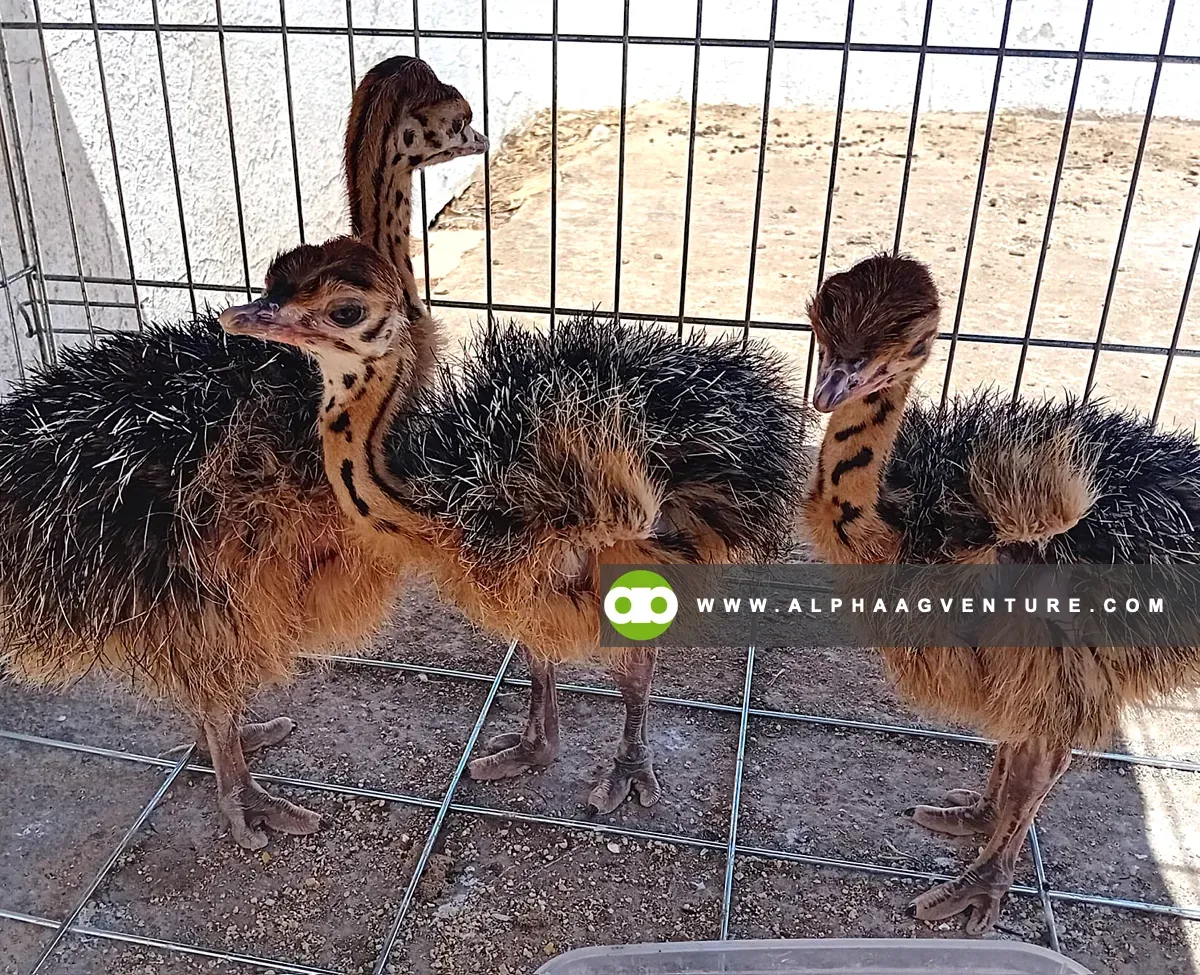
Time Commitment: Daily Attention and Labor Requirements
After risk factors are identified, time commitment becomes the next reality that shapes daily operations. I treat labor and supervision as essential components, not optional support functions. One critical factor that I emphasize early is caretaker accountability, because many farms fail when tasks are not executed as instructed. Ostriches demand consistent attention because their behavior and condition can change quickly.
Daily presence on the farm allows early detection of unusual behavior, injuries, or stress responses. A quick visual check often reveals issues before they escalate into serious problems. I make time for routine observation because absence increases the chance of missed warning signs. Consistency in presence builds familiarity with normal patterns, which makes deviations easier to detect.
Labor requirements depend on the number of birds, layout of the farm, and level of automation. Small setups may operate with minimal staff, but supervision cannot be neglected. I ensure that responsible personnel remain available to respond to immediate concerns when they arise. A lack of trained help increases response time and magnifies the impact of minor issues.
Ostriches are not low maintenance animals, and that expectation must be clear from the beginning. They require attention not only during feeding or cleaning, but throughout the day. I observe movement, interaction, and general condition as part of daily routine without relying on scheduled tasks alone. This level of involvement prevents small problems from turning into costly setbacks.
Time commitment also includes planning, coordination, and decision making beyond physical farm work. Administrative tasks, supplier coordination, and regulatory compliance require consistent attention. I allocate time for these responsibilities because operational stability depends on more than physical presence alone. Neglecting these areas often leads to disruptions that affect the entire system.
Unexpected situations require immediate response, regardless of schedule or convenience. Weather changes, equipment failure, or animal behavior can demand action at any time. I remain prepared for these scenarios because delay often increases damage or risk. Flexibility in time commitment separates stable operations from reactive ones.
Caretaker performance must be monitored continuously, not assumed based on initial training or instructions. Many caretakers develop shortcuts or skip steps when supervision becomes inconsistent over time. I verify that tasks are performed correctly and consistently to protect the farm from avoidable losses. Clear systems, regular checks, and accountability measures ensure that daily routines are followed as intended.
Delegation can reduce workload, but it does not eliminate responsibility from the owner or manager. Staff must be trained, supervised, and held accountable for their assigned roles. I maintain oversight to ensure that standards are followed consistently across all tasks. Without supervision, even simple routines can become inconsistent or ineffective.
Skill Readiness: Knowledge Gaps You Must Close Early
Time commitment exposes a deeper requirement, which is the level of skill needed to manage ostriches properly. I treat skill readiness as a prerequisite, not something to develop after birds arrive. Many avoidable losses occur when owners rely on trial and error instead of preparation.
Basic animal handling knowledge must be understood before any direct interaction with ostriches begins. These birds react quickly to movement, sound, and unfamiliar presence within their environment. I approach handling with caution because improper actions can trigger panic, aggression, or injury.
Observation skills determine how early problems are detected and how effectively they are addressed. Small changes in posture, movement, or interaction often indicate underlying issues that require attention. I rely on consistent observation because waiting for obvious signs usually means the problem has already progressed.
Decision making ability separates stable operations from farms that constantly react to problems. Each situation requires evaluation, whether related to environment, behavior, or unexpected conditions. I make decisions based on observation and preparation rather than assumption or convenience.
Self education is not optional, especially in a niche field where information is not widely available locally. Reliable knowledge must come from structured learning, credible sources, and practical guidance. I invest time in understanding principles before applying them in an actual farm setting.
Training before acquiring birds reduces the learning curve and prevents costly mistakes during early stages. Exposure to real conditions, even through guided visits or structured sessions, improves readiness significantly. I recommend preparation that builds confidence and clarity before any investment moves forward.
Knowledge gaps become more visible once operations begin, especially when unexpected situations arise. Without preparation, responses become inconsistent and often ineffective under pressure. I address these gaps early because correction becomes more difficult once birds are already on site.
Some individuals prefer direct guidance instead of navigating the learning process independently. For those who want structured support, I offer farm consulting services that focus on preparation, setup, and decision making. This approach allows new entrants to move forward with clarity rather than uncertainty.
Consulting also helps align expectations with actual farm conditions, which reduces the risk of costly adjustments later. I guide clients through practical considerations based on real conditions rather than theoretical assumptions. This option remains available for those who value direct, hands on guidance during early stages.
Skill readiness connects directly to every section discussed so far, from land planning to labor supervision. I see preparation as a continuous process that strengthens decision making and overall farm stability. Without the right knowledge base, even well funded operations struggle to achieve consistent results.
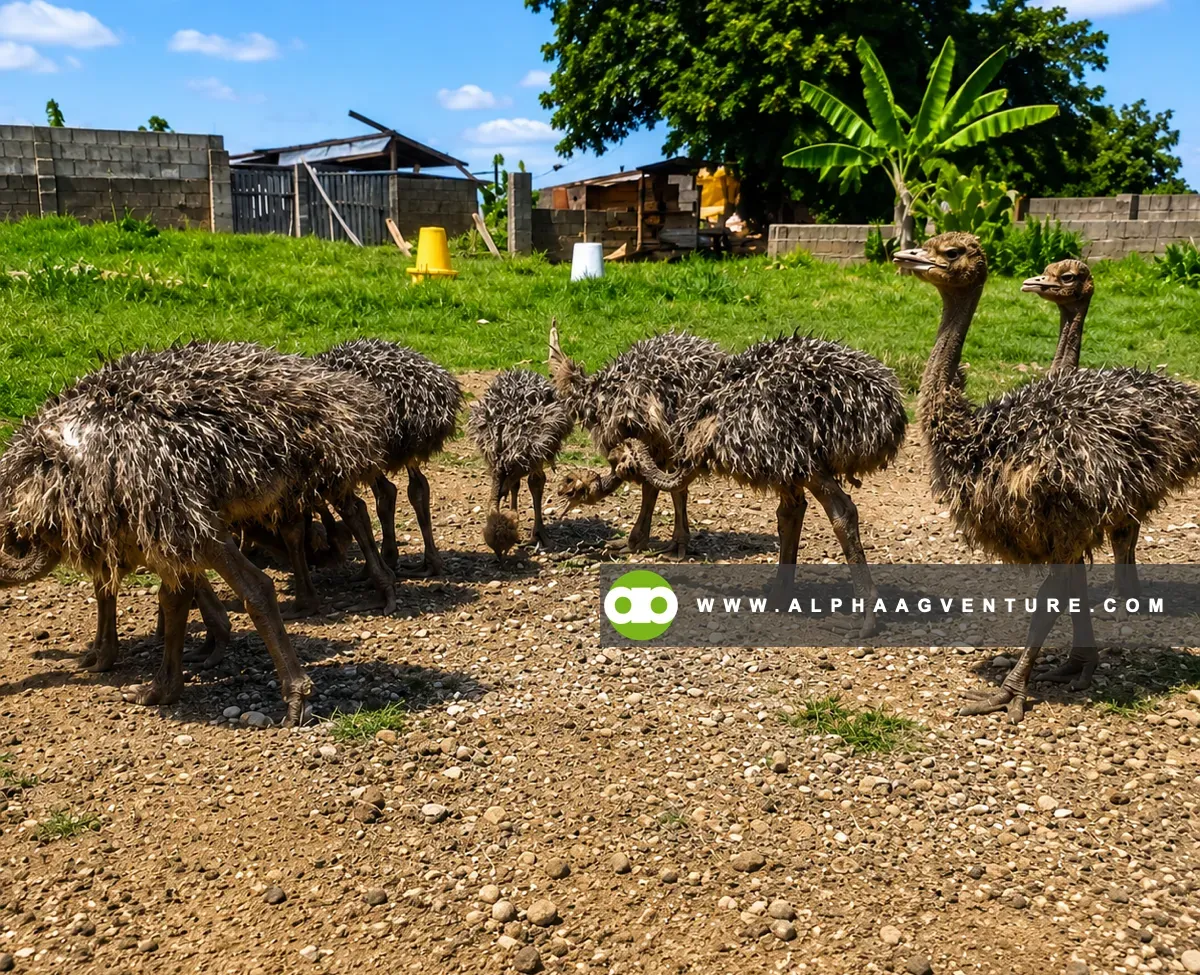
Exit Strategy: When Plans Fail and How to Recover
Skill readiness prepares the farm for operation, but an exit strategy prepares it for unfavorable outcomes. I treat this as part of responsible planning, not as a sign of doubt. Every venture carries risk, and preparation must include a clear path for recovery.
Resale of ostriches remains one of the primary options when operations do not meet expectations. Market demand exists, but it depends on bird condition, age, and timing of sale. I consider resale value early because it influences the type of birds acquired at the beginning. Younger birds may take longer to sell, while mature breeders attract a more specific buyer segment.
Liquidation of assets extends beyond the birds and includes fencing, shelters, and equipment. These items rarely recover full cost because secondhand value depends on condition and demand. I account for this reality because infrastructure investments are not easily converted back into cash. Planning layout and material choices can reduce losses when liquidation becomes necessary.
Financial damage control requires discipline and clear decision points when performance does not meet targets. Delaying action often increases losses because expenses continue while returns remain uncertain. I set thresholds that trigger review, adjustment, or exit decisions based on measurable conditions. Early intervention protects remaining capital and prevents deeper financial strain.
An exit plan must translate into concrete actions, not just general ideas or intentions. I follow a structured sequence when execution becomes necessary to protect value and reduce losses. The steps I take include the following:
- Assess current bird condition, age, and market demand to determine realistic selling price and timing
- Decide whether to sell birds individually, as breeding units, or as a complete package to maximize value
- Contact known buyers, breeders, or networks early instead of waiting for urgent situations
- Prepare documentation such as proof of ownership, health status, and transport requirements to avoid delays
- Gradually reduce stock if needed instead of selling everything at once under pressure
- List and offer reusable assets such as fencing, shelters, and equipment through local farm networks
- Secure remaining inventory and cash flow while transactions are still ongoing to avoid further losses.
This approach allows controlled execution instead of forced liquidation, which often results in lower returns.
A structured exit plan turns a difficult situation into a controlled process instead of a rushed reaction. I approach this stage with clarity on priorities, timelines, and acceptable losses to protect remaining value. When execution follows a plan, recovery becomes possible, and the experience becomes a foundation for better decisions in future ventures.
Prepared or Not: The Decision That Defines Your Start
An exit plan provides control during failure, but preparation determines whether that plan ever becomes necessary. I see readiness as the factor that shapes outcomes long before the first bird arrives. Every section covered so far builds toward one decision, which is whether to proceed or pause.
Land, capital, permits, supply, risk, time, and skill all connect into one complete system. Weakness in one area affects the rest, even if other parts appear strong on paper. I evaluate each element carefully because gaps in preparation rarely stay isolated. A complete setup reduces uncertainty and allows decisions to follow a clear direction.
The choice to start should come from readiness, not pressure, excitement, or external influence. I do not move forward unless each requirement meets a standard that supports stability. Rushing the process often leads to corrections that cost more than proper preparation from the beginning. Deliberate decisions create stronger foundations that support long term results.
A prepared start does not guarantee success, but it increases the probability of controlled and manageable outcomes. I approach this stage with discipline because the first step defines everything that follows. When preparation is complete, execution becomes a process rather than a gamble.
Jaycee de Guzman is the owner of Alpha Agventure Farms, where he develops practical livestock production systems, agricultural marketing strategies, and farm business models. He writes regularly about livestock development, agricultural entrepreneurship, and public policy affecting Philippine agriculture.