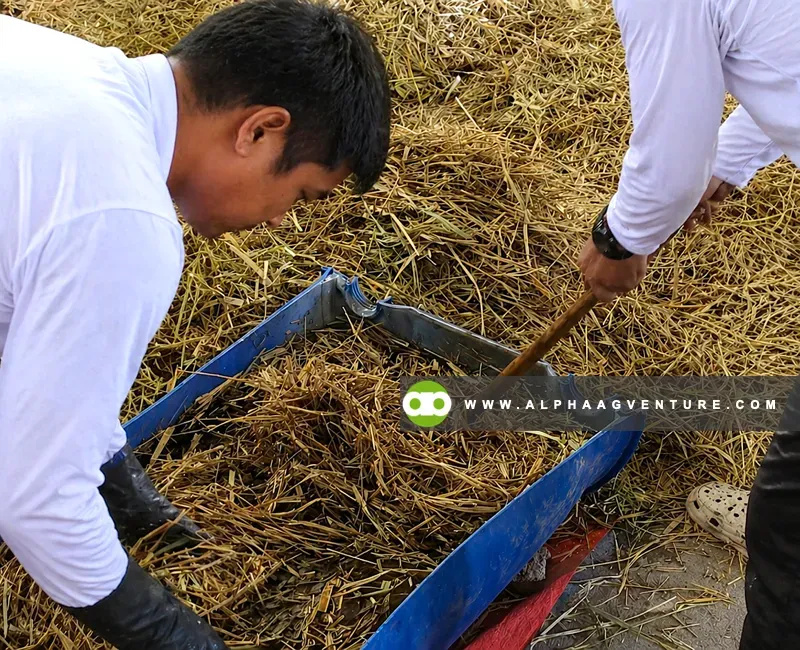
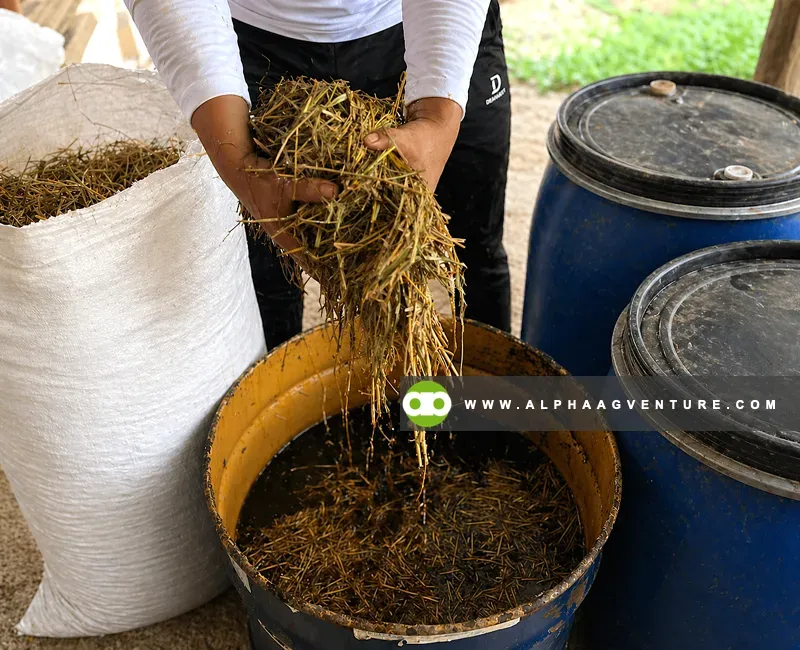
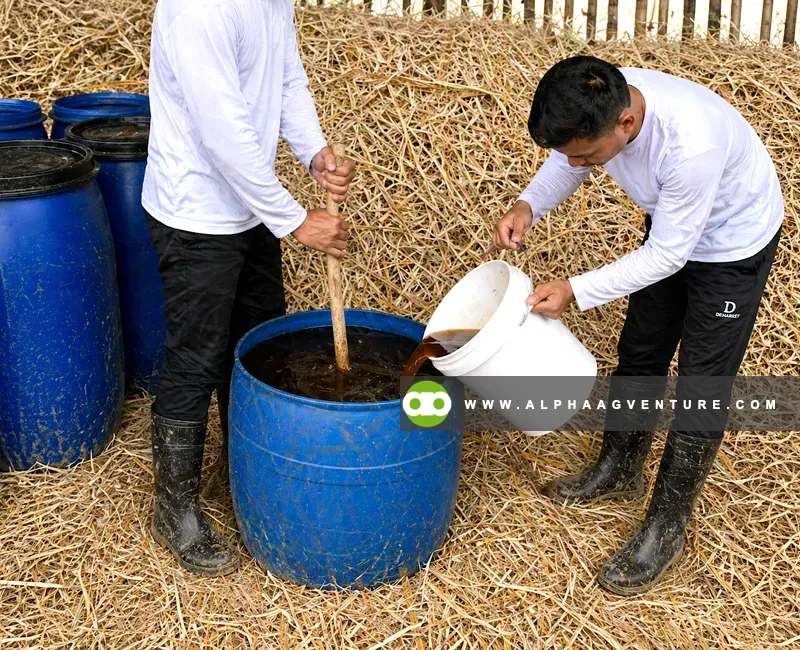
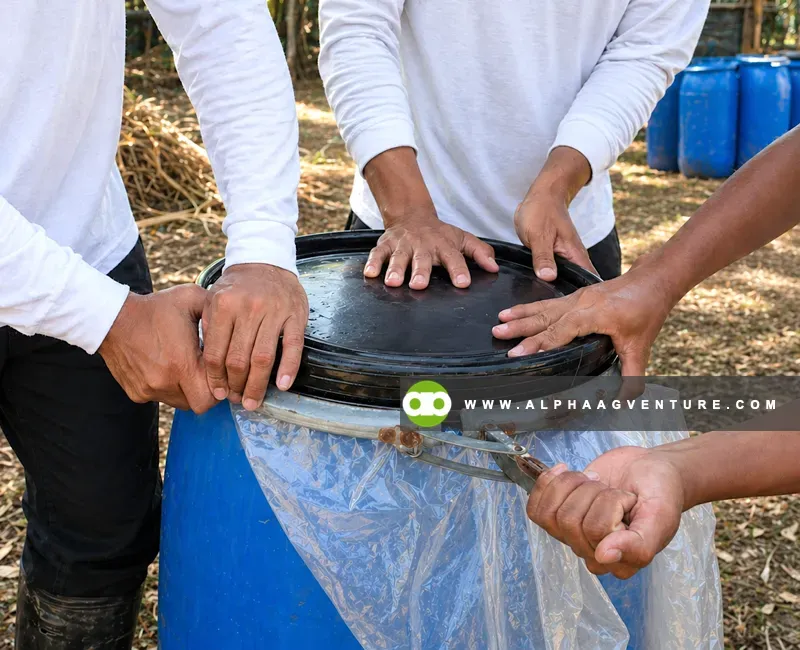
Description
WHY FEED UREA-MOLASSES TREATED RICE STRAW OVER PLAIN RICE STRAW?
1. Higher Protein Content: From 4% to Up to 9%
Plain rice straw is naturally low in protein, typically around 4% to 4.5%. Through proper urea-molasses treatment, the protein content increases to around 7% to 9%, making the straw more useful to rumen microbes and more beneficial for animal performance.
You are not simply paying for straw. You are paying for upgraded nutritional value that plain rice straw cannot provide on its own.
2. Increased Feed Intake: Around 12% Higher Consumption
Animals commonly consume plain rice straw only when there are limited alternatives because of its poor palatability and low feeding quality. Molasses treatment improves smell, taste, and acceptance, encouraging better intake.
Research observations on dairy buffaloes showed feed intake improving by approximately 12%. Better intake means animals receive more usable nutrients instead of merely filling their stomachs with low-quality roughage.
3. Better Milk Production: Around 18% Improvement
The goal is not just to make animals eat more. The goal is to convert improved intake into productive output. When dairy buffaloes were fed urea-treated rice straw, milk production improved by approximately 18%.
This changes the discussion completely. The comparison should not focus only on feed price per kilo. It should focus on whether the feed contributes to higher productivity and better farm returns.
4. Improved Profitability: Around 33% Increase
Cheaper feed does not always mean cheaper production. A low-cost roughage that contributes little to intake and productivity can quietly reduce profitability over time.
Studies cited by the Philippine Carabao Center showed farmer profitability improving by approximately 33% when properly treated rice straw was used for dairy buffaloes. The additional cost of treatment begins to make sense when evaluated against animal performance and income potential.
5. Better Utilization of an Abundant Local Resource
Rice straw is widely available across the Philippines after harvest season, but untreated straw has limited nutritional value. Proper treatment transforms an underutilized agricultural byproduct into a more functional feed resource for ruminants.
Instead of relying entirely on expensive commercial roughage sources, you gain a more practical and locally available feeding option that supports long-term forage planning.
6. Reduced Feed Refusal and Waste
Plain rice straw is often sorted, stepped on, or rejected by animals because of poor palatability and low digestibility. Treatment with molasses improves acceptance, helping reduce unnecessary feed wastage inside feeding areas.
What gets refused by animals still costs money. Improved consumption means more of what you paid for actually goes into the animal instead of ending up as waste on the ground.
7. More Than Roughage. It Becomes Part of a Feeding Strategy.
Plain rice straw is often treated as filler feed. Urea-molasses treated rice straw is used with a different objective: supporting rumen function, improving intake, and helping maintain production during forage shortages or dry periods.
The decision should not revolve around which option is cheaper upon purchase. The better question is which option gives your animals and your farm a stronger return afterward.
UREA-MOLASSES TREATED RICE STRAW (UMTRS) FOR SALE
Are your goats, cattle, or sheep struggling to gain weight from low-quality roughage? Looking for urea-molasses treated rice straw for sale that actually delivers results? This solution upgrades ordinary rice straw into a more digestible, nutrient-enriched feed that supports better intake, improved rumen activity, and more consistent animal performance.
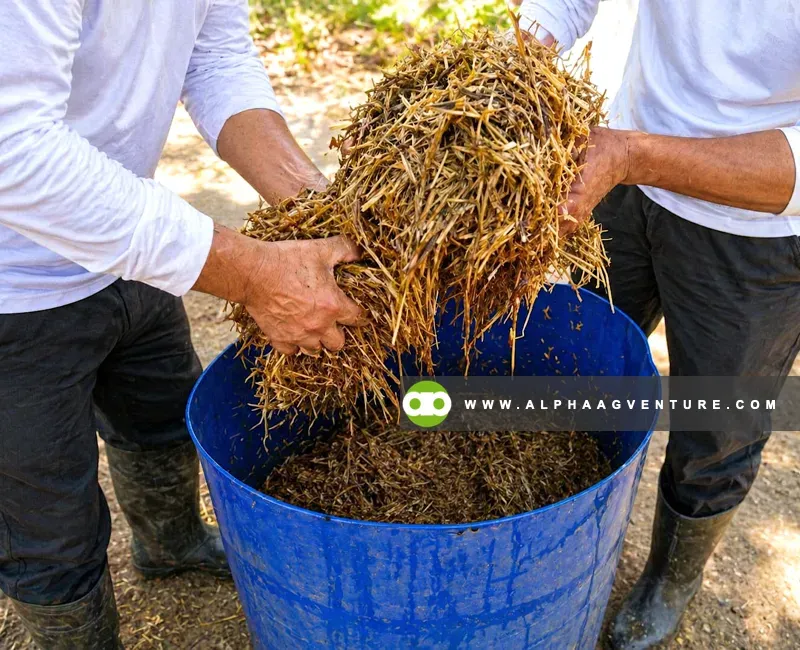
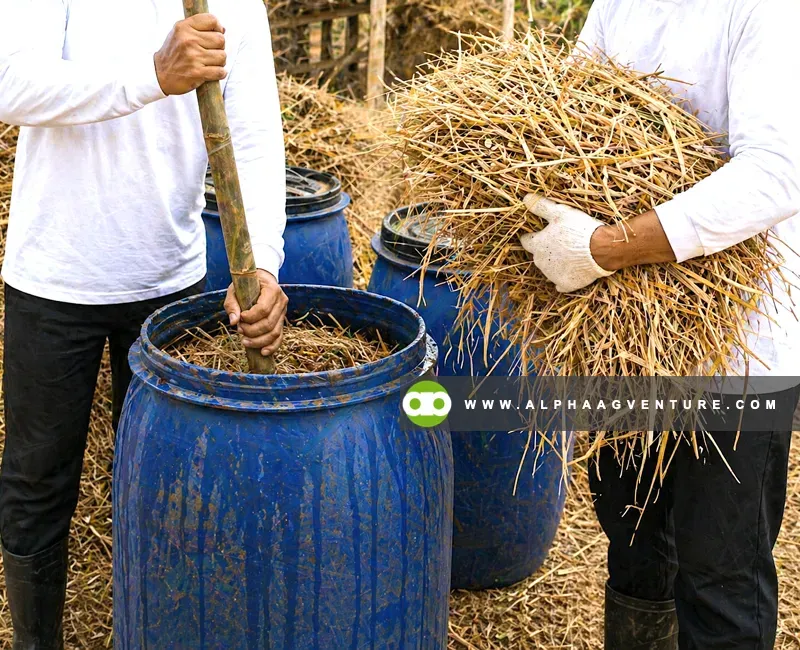
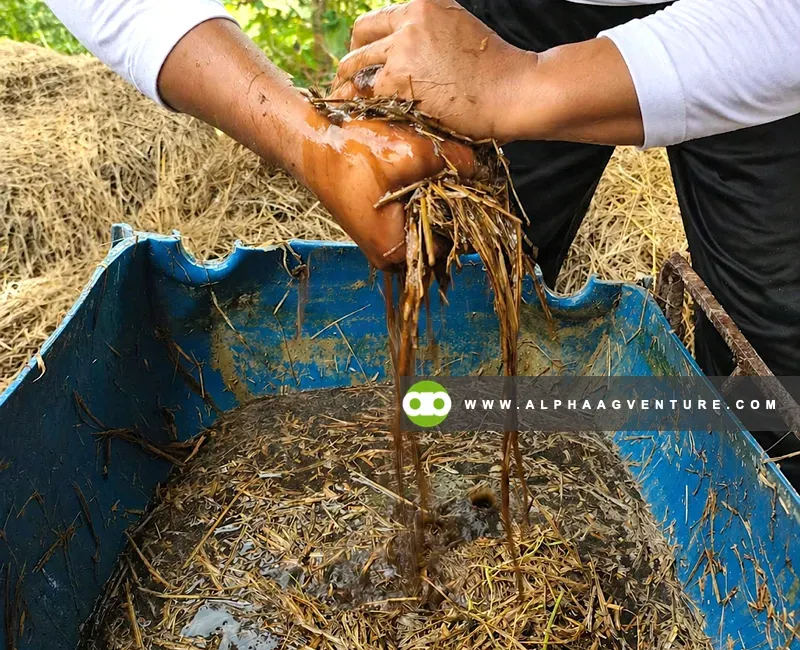
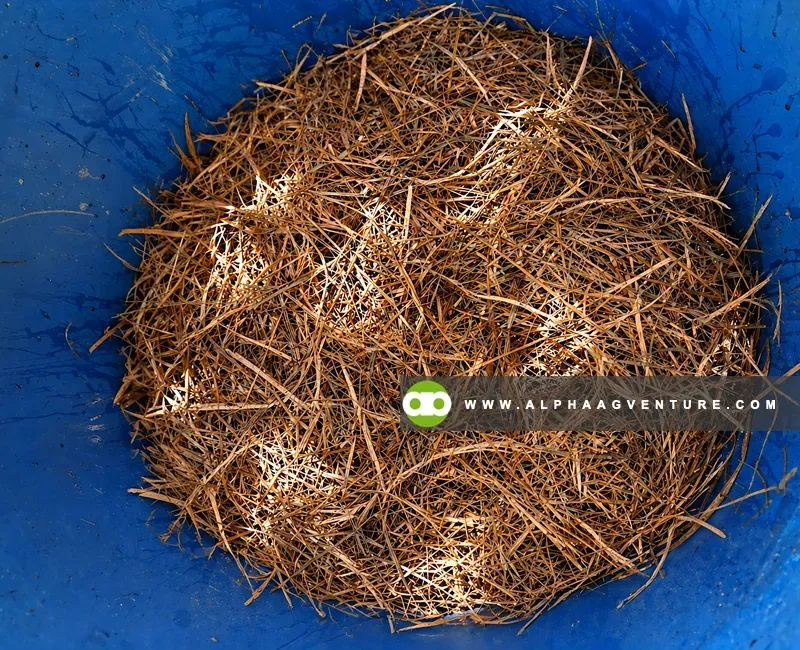
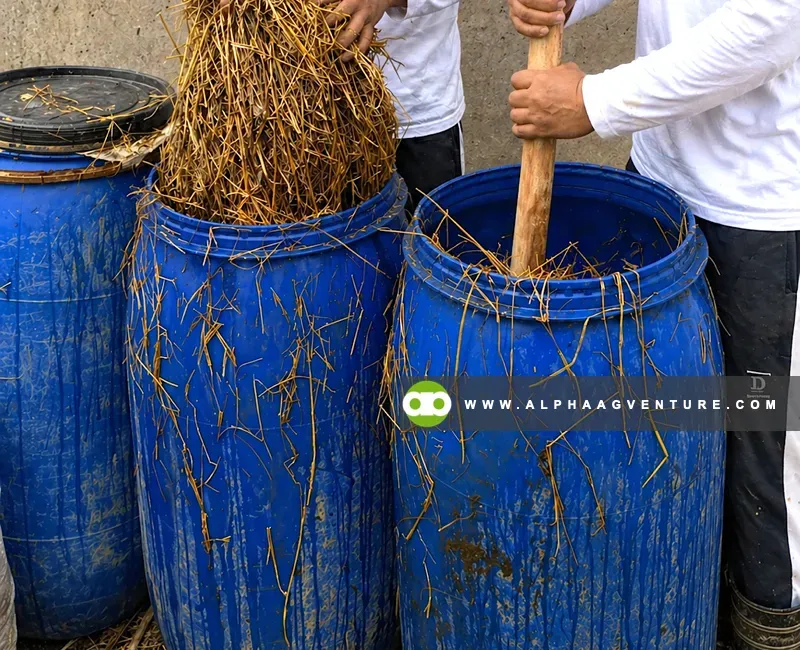
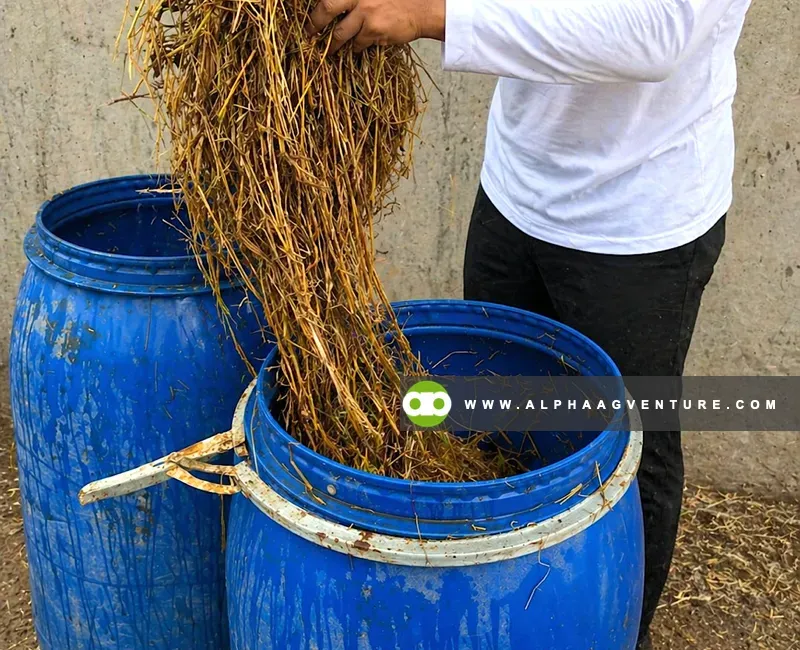
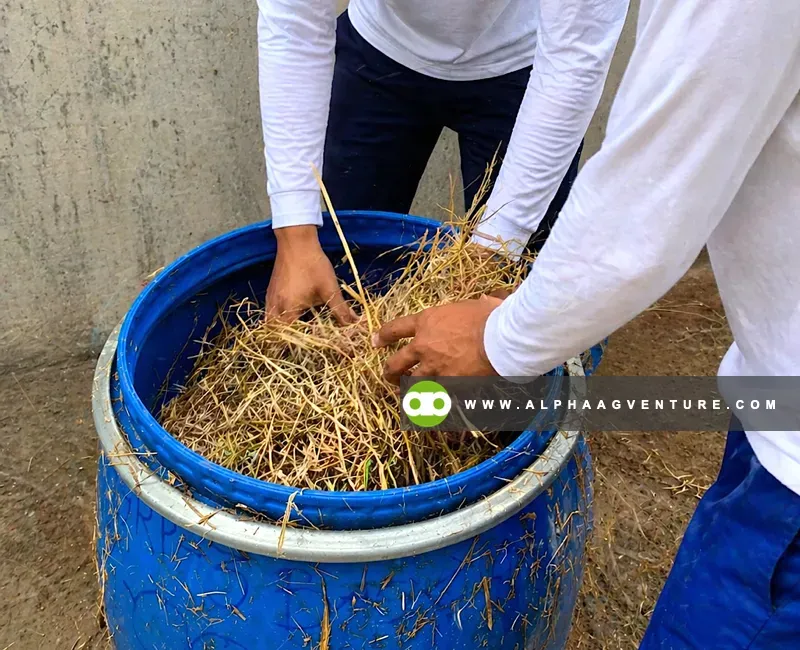
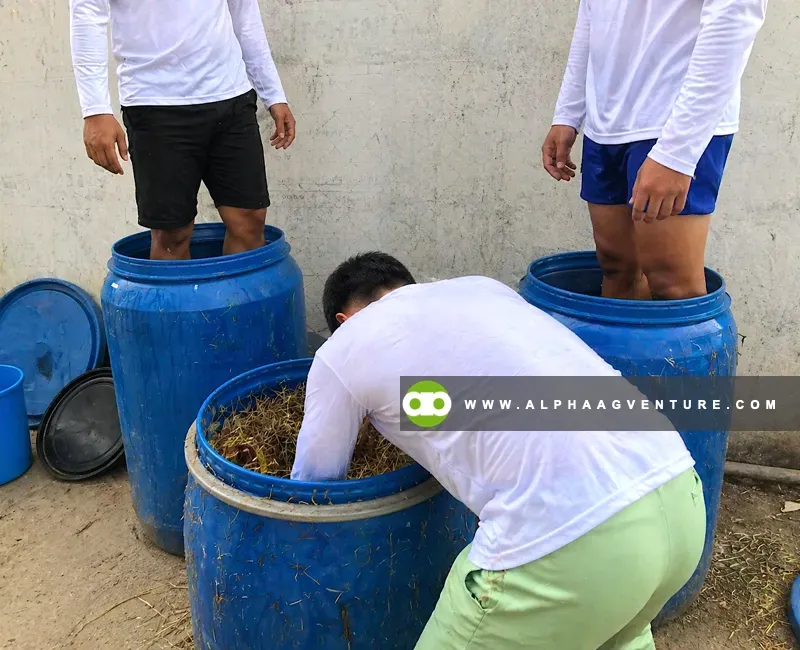
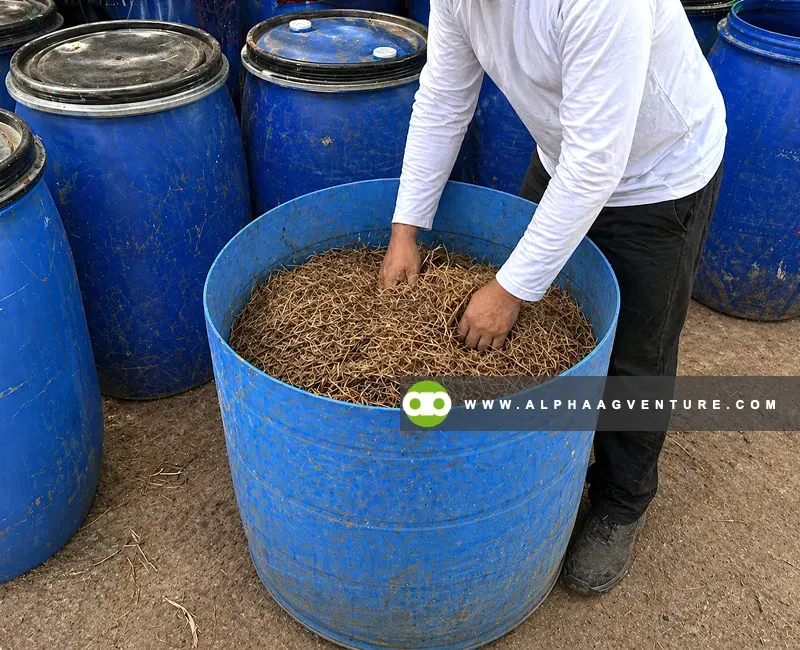
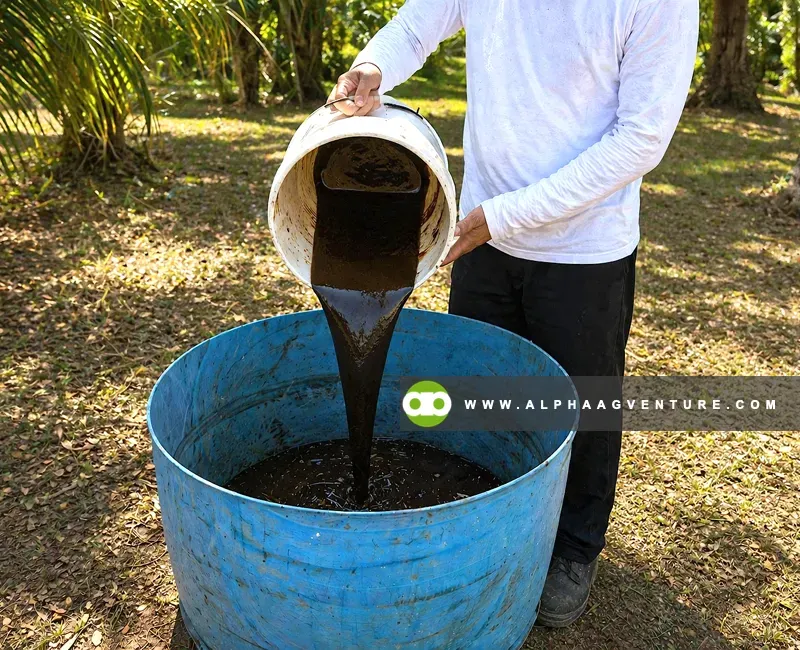
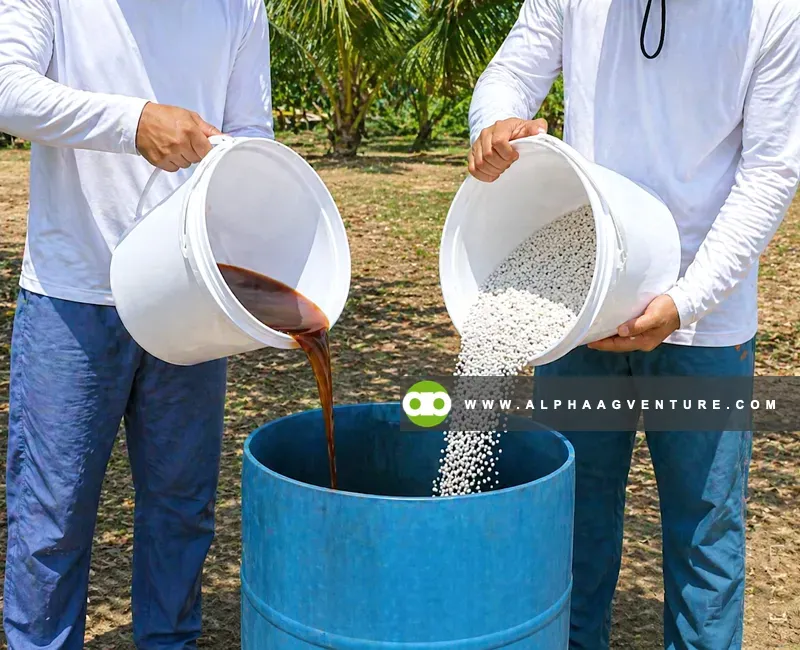
This treated straw is not just soaked and sold. The process follows controlled proportions of urea and molasses to improve nitrogen content and palatability. The goal is simple: turn a low-value byproduct into a functional feed component that your animals will actually consume without hesitation.
If you are wondering where to buy urea-molasses treated rice straw, the answer should not be based on convenience alone. Alpha Agventure Farms provides a consistent approach to treatment, handling, and storage, ensuring that what arrives at your farm performs the same way every time.
Some farmers hesitate because of concerns about safety. Properly treated rice straw does not pose a risk when processed correctly. The urea is converted into usable nitrogen for rumen microbes, not left as a harmful residue. This is why sourcing from a knowledgeable provider matters.
Another common concern is the price of urea-molasses treated rice straw. While it may cost more than raw straw, the return comes from better feed efficiency. Animals eat more, digest better, and convert feed into weight or milk more effectively, reducing overall feeding cost per unit of output.
Handling and storage are also straightforward. The treated straw can be stored in sealed containers or properly covered areas to maintain quality. It does not require complicated systems, making it suitable for both small-scale and expanding operations that need reliable feed without constant adjustment.
Palatability is often underestimated. Animals tend to reject plain rice straw due to its dryness and low nutrient value. With molasses added, intake improves significantly. This means less waste, fewer refusals, and a more predictable feeding routine that supports stable production across your herd.
Choosing the right supplier of urea-molasses treated rice straw determines whether you see real results or not. Consistency in treatment, moisture level, and raw material quality cannot be compromised. For farms that demand reliability, Alpha Agventure Farms offers urea-molasses treated rice straw for sale built on practical farm experience.
FREQUENTLY ASKED QUESTIONS
Is this suitable for all ages of ruminants?
Buffaloes and cattle aged less than 1 year old, goats and sheep aged less than 6 months old, and all ruminants in their last trimester of pregnancy must not be fed urea-molasses treated rice straw (UMTRS). Young animals still depend on milk and starter feeds, while late-pregnant animals require carefully controlled nutrition to avoid metabolic complications.
Can this fully replace commercial feeds for my animals?
Urea-molasses treated rice straw is not designed to fully replace commercial feeds. It works best as a roughage base or supplement that improves fiber digestion and intake. For optimal performance, it should be combined with concentrates or commercial rations, especially for dairy or fattening operations that require higher energy and protein levels.
Will my animals accept it immediately?
Some animals may take a short adjustment period, especially if they are used to plain straw or fresh forage. Gradual introduction is recommended. Mix small amounts with their usual feed, then increase over several days. Once they recognize the improved taste from molasses, intake usually becomes consistent and even higher than untreated straw.
Is there a strong smell that animals might reject?
Properly treated rice straw should not have a foul or overpowering odor. It typically has a mild, slightly sweet scent due to molasses. If the smell is too strong or unpleasant, that may indicate poor processing or spoilage. High-quality batches are controlled to ensure animals are not discouraged from consuming the feed.
How long can this be stored without losing quality?
Storage life depends on how well it is sealed and protected from air and moisture fluctuations. When properly stored in airtight conditions or tightly covered containers, it can last for several weeks to months. Exposure to air and rain will reduce quality, so proper storage is a key factor in maintaining feed value.
Does it require special feeding equipment?
No special equipment is required. It can be fed using standard troughs, feeding racks, or even directly on clean flooring if managed properly. However, using a feeder helps reduce wastage. The goal is to keep the treated straw clean and accessible, especially since animals tend to consume more of it.
Will this increase water consumption of my animals?
Yes, animals may drink slightly more water when consuming treated straw, especially due to increased intake and improved digestion. This is not a problem but rather a normal response. Always ensure clean and sufficient water supply, as proper hydration supports better nutrient utilization and overall animal health.
Can this cause digestive issues if overfed?
Like any feed, overfeeding without balance can lead to inefficiencies. While treated straw improves digestibility, it is still a roughage source. It should be part of a balanced feeding program. Providing variety and proper supplementation ensures that animals receive all necessary nutrients without digestive stress.
Is the quality consistent across different batches?
Consistency depends on the supplier’s process control. Reliable producers follow standard ratios, proper fermentation time, and correct moisture levels. Variations can occur if shortcuts are taken. This is why sourcing from a trusted provider is critical to ensure each batch performs the same in actual feeding conditions.
Can this be used during dry seasons when forage is scarce?
Yes, this is one of its strongest advantages. Urea-molasses treated rice straw serves as a dependable roughage alternative when green forage is limited. It helps maintain feed availability, supports rumen function, and prevents sudden drops in animal performance during periods when fresh feed sources are not accessible.