

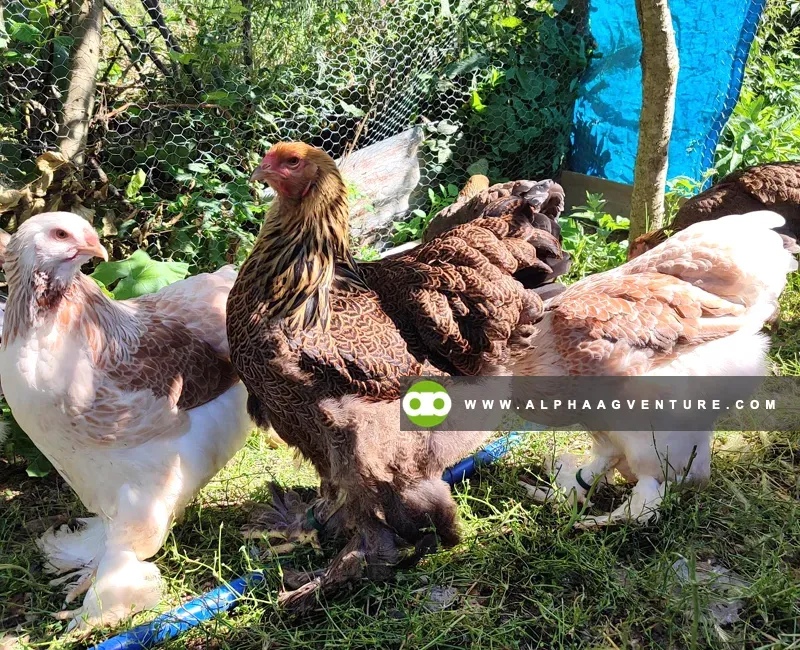
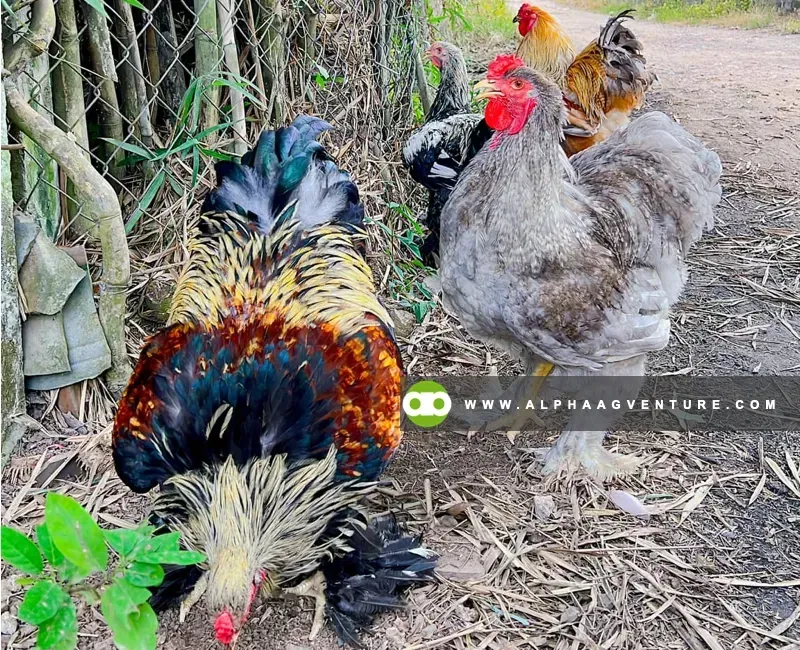
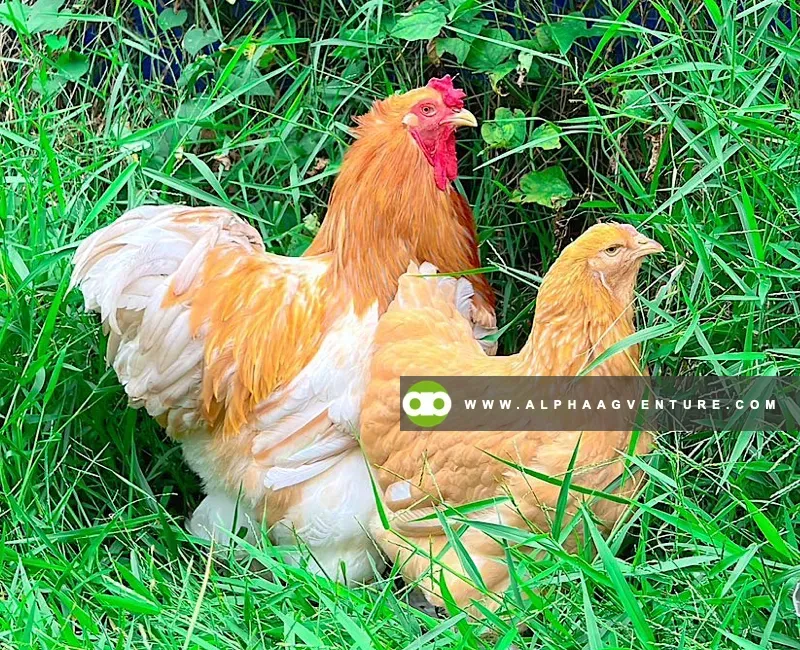
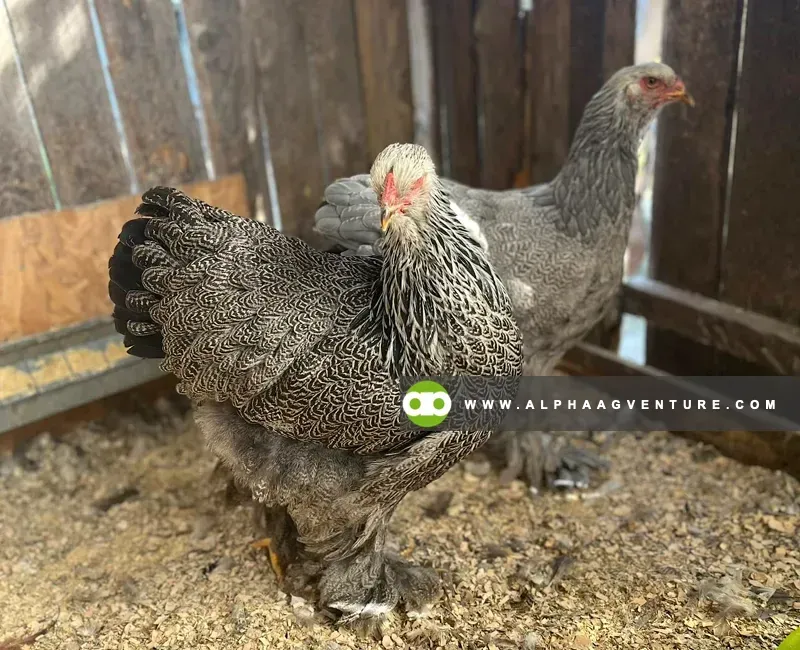
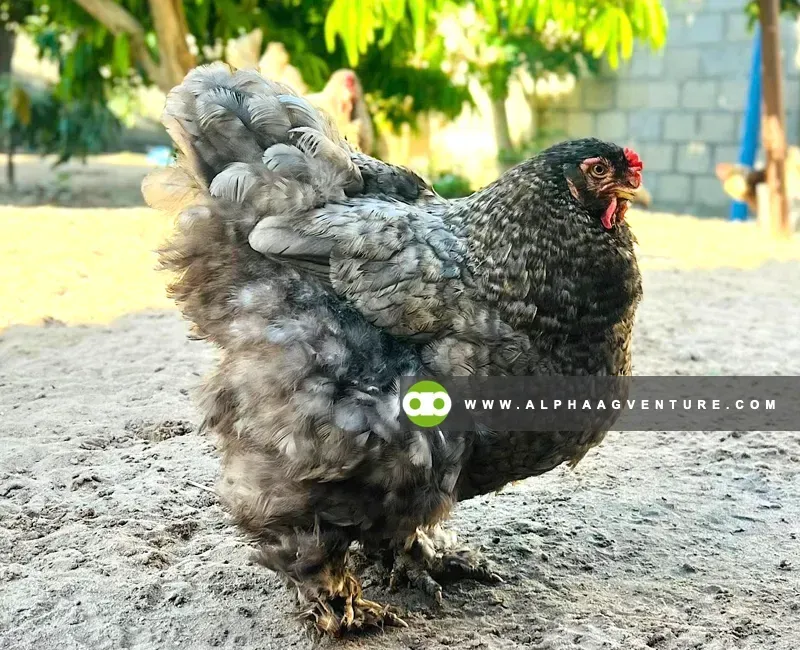
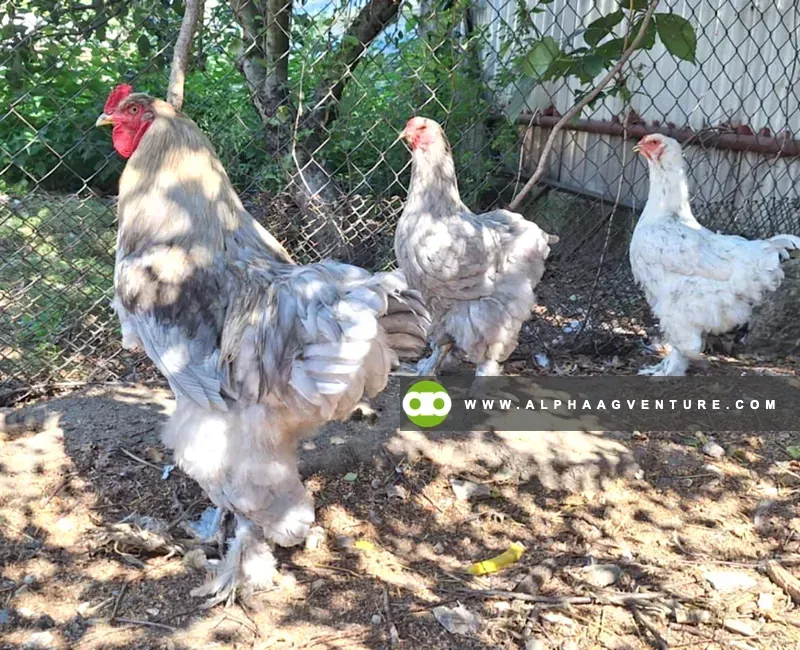
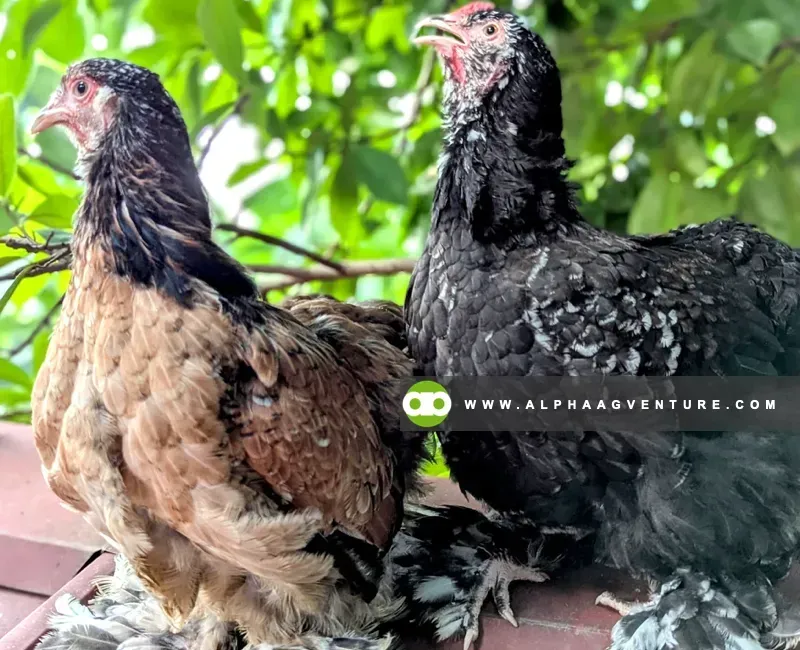
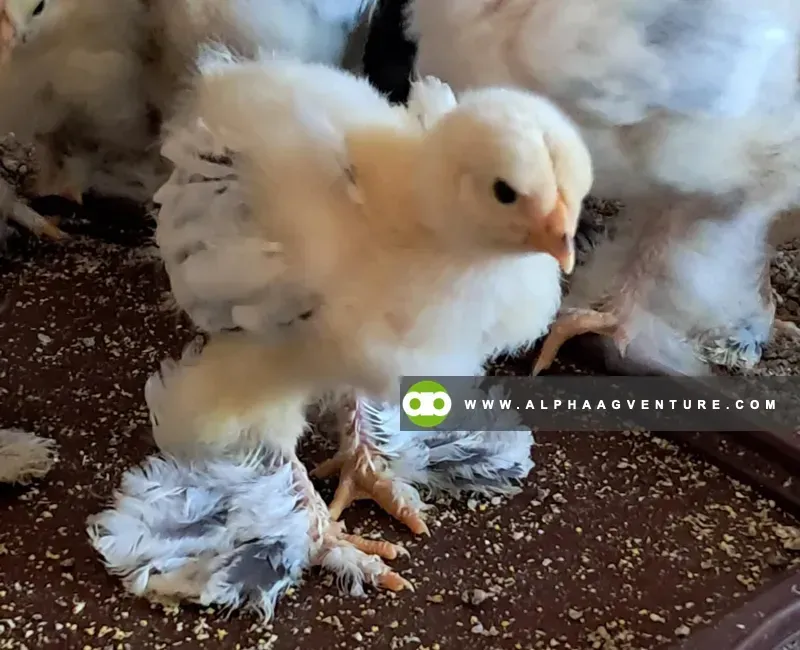
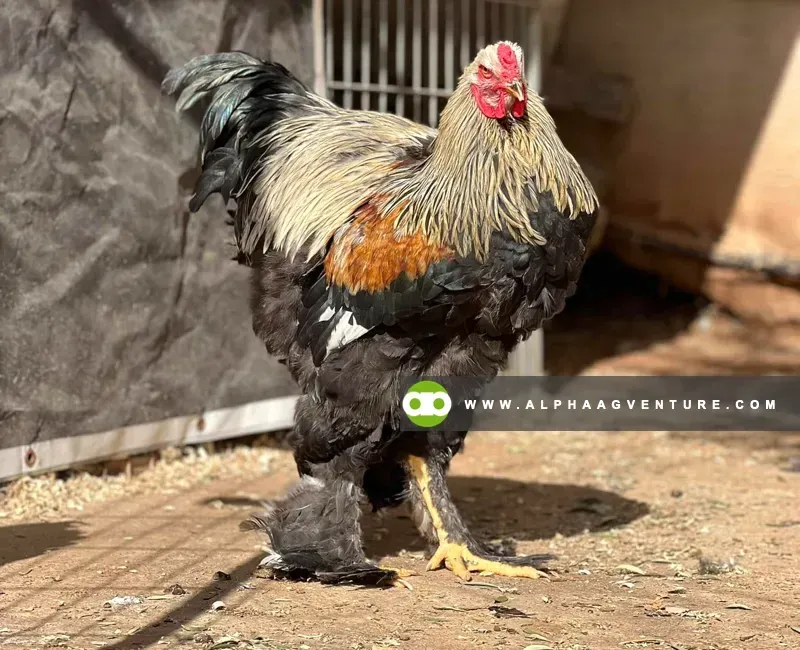
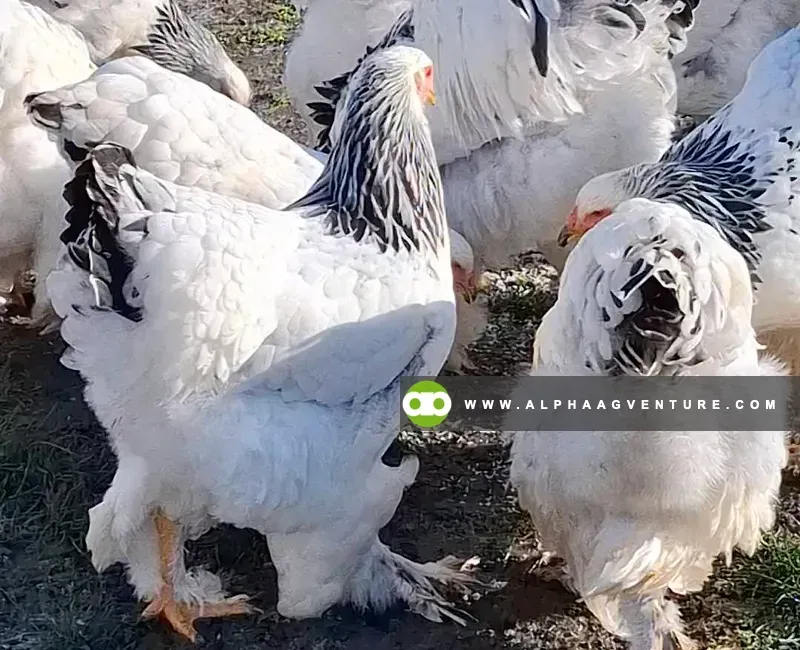
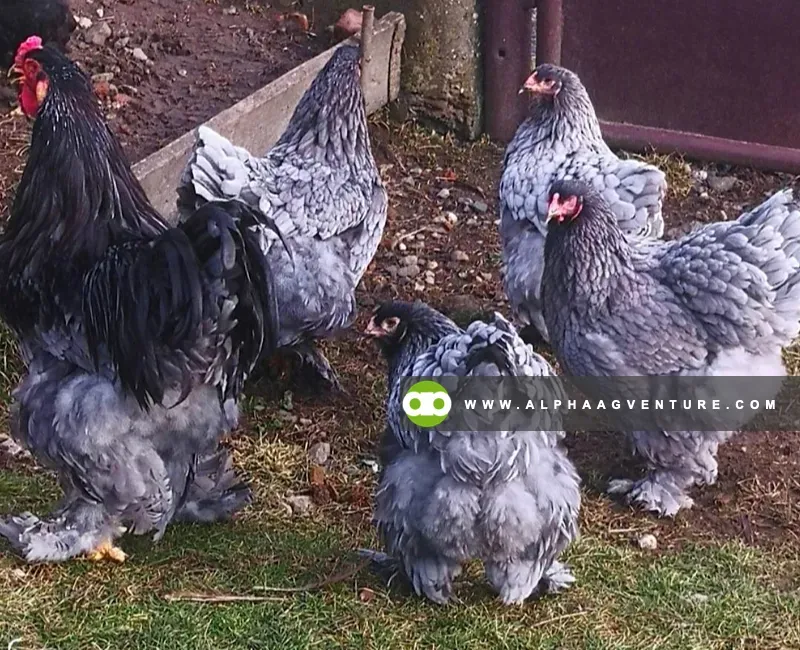
Description
WHY OUR PUREBRED BRAHMA CHICKENS ARE PRICED HIGHER THAN OTHERS
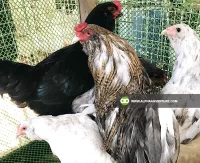
Our pricing may be higher than what some breeder farms offer, but it directly reflects the level of care, experience, and genetic quality invested in every Brahma chicken we raise. Choosing our Brahmas means securing hardy, well-developed birds known for their size, calm temperament, and long-term productivity. Serious farms understand that quality is never accidental. At Alpha Agventure Farms, standards are set deliberately and followed consistently. Below are the reasons our Brahma chickens stand apart.
1. Pre-Delivery Health Care
All Brahma chickens undergo strict health preparation before being released from the farm. Birds over three months old receive a complete health protocol that includes delousing using a washout shampoo, two rounds of deworming, and bacterial flushing. They are revaccinated against Newcastle Disease to reinforce immunity before transfer. Aviotix, a formulated blend of prebiotics, probiotics, and phytobiotics, is administered for seven consecutive days to stabilize gut health. These measures ensure that each Brahma arrives strong, clean, and physiologically ready to adapt.
2. Egg Selection Program
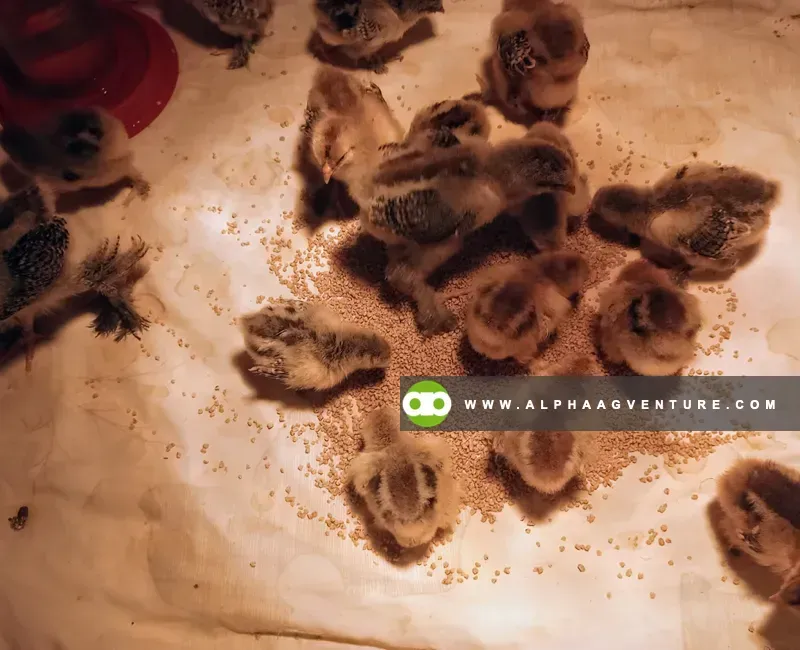
Only carefully screened eggs are approved for incubation. Each egg is evaluated based on size, shell integrity, cleanliness, and fertility indicators. This disciplined selection process significantly improves hatch quality and results in chicks that grow into well-structured, vigorous Brahmas.
3. Breeder Selection Program
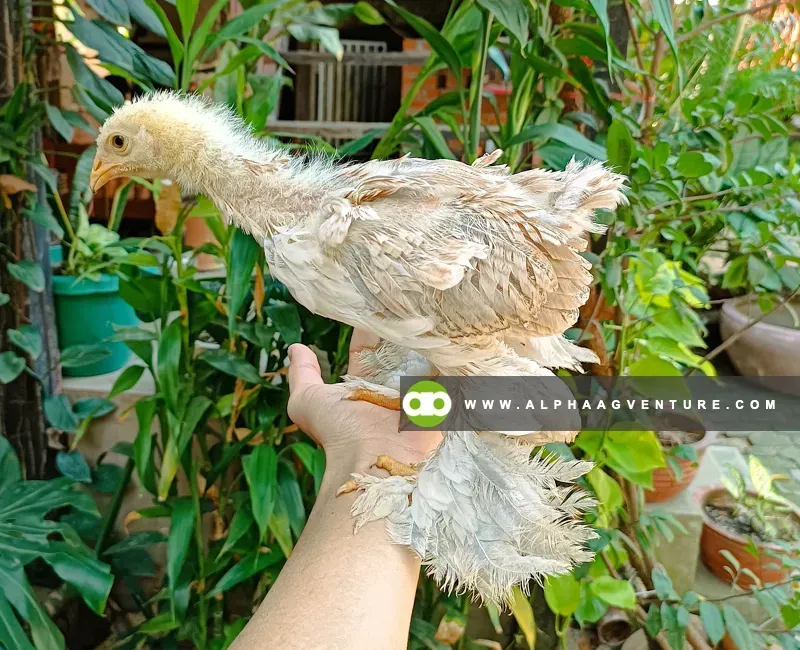
Breeder selection is focused on preserving the physical mass, feathering quality, and structural correctness expected from true Brahmas. Chicks are monitored closely during early growth, with underperforming individuals identified early. Any bird falling more than 10 percent below its target weight receives corrective management. Only birds that consistently meet growth and health benchmarks are retained as breeders, ensuring superior offspring generation after generation.
4. Vaccination Program
Disease prevention is treated as non-negotiable. Brahma chickens receive vaccinations for Newcastle Disease, Fowl Pox, Infectious Bronchitis, and Coryza before farm release. Once the vaccination protocol is completed at one week of age, birds are considered cleared for transfer with baseline immunity already established.
5. Feeding Program
From hatch onward, Brahma chickens are provided with nutritionally balanced feeds matched to each growth stage. High-quality feed concentrates are used to support bone development, muscle mass, and feather quality. This feeding strategy allows Brahmas to reach their full genetic potential without compromising long-term health.
6. After-Sales Support
Support does not end after delivery. Guidance is provided on housing requirements, feeding adjustments, brooding practices, and vaccination timing. Ongoing assistance is available to help ensure that Brahma chickens continue to grow and perform well in their new environment.
7. Traceability and Transparency
Complete records are maintained for every Brahma chicken, covering health treatments, feeding programs, and vaccination history. This level of documentation provides confidence and allows buyers to verify that birds were raised under consistent, high-standard management.
8. Sustainability Practices
Raising Brahma chickens at Alpha Agventure Farms follows responsible and sustainable farming principles. Environment-conscious practices are integrated into daily operations to balance productivity with long-term ecological responsibility. Supporting this program contributes to sustainable livestock production.
9. Exclusive Insights and Resources
Clients gain access to educational resources designed to improve farming outcomes. Registration is available for the pre-recorded Chicken Farming Seminar, where proven management strategies are shared based on actual farm experience and data-driven practices.
10. Personalized Customer Care
Every operation differs in scale and objectives. Through the farming consultancy service, customized guidance is provided to help optimize Brahma performance based on specific farm conditions. The focus remains on helping each client achieve consistent and measurable results.
Choosing Alpha Agventure Farms is not simply a purchase decision but a long-term investment in farm reliability and performance. Our purebred Brahma chickens are raised to meet demanding standards, ensuring durability, productivity, and dependable results over time.
BUY BRAHMAS FOR SALE
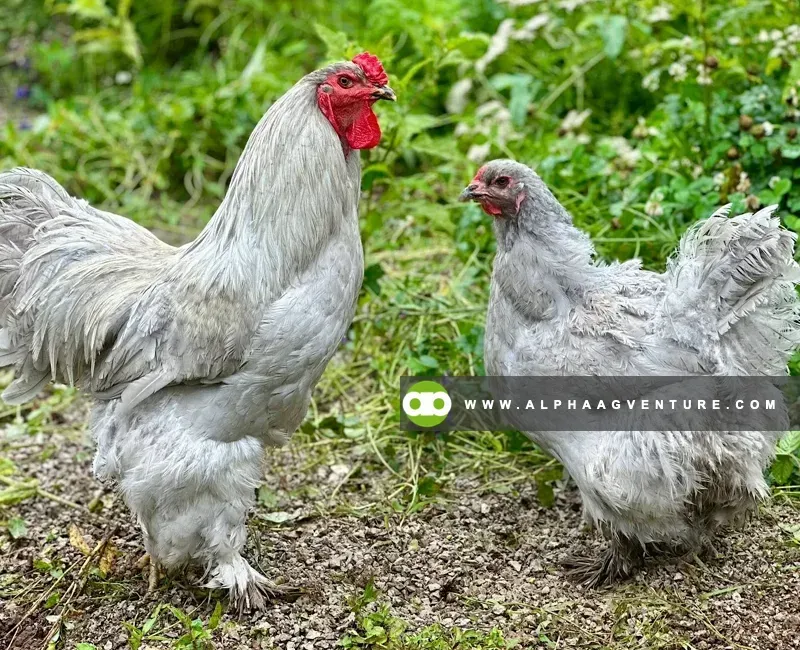
Finding Brahma for sale should feel less like browsing a catalog and more like having an honest conversation about flock goals. Brahmas are not trendy birds added on impulse, and they reward farmers who think long term. If size, temperament, and durability matter, this breed deserves serious consideration before making any commitment.
Brahma chickens often get labeled as slow or inefficient, which usually comes from rushed expectations rather than real experience. These birds grow at a steady pace when feeding and space are handled correctly. Their calm behavior and strong frame make daily management easier, especially for keepers who prefer predictability over constant adjustments.
When people ask where to buy Brahma, the real question is how those birds were raised before leaving the farm. Poorly selected breeders lead to smaller bodies, uneven feathering, and weaker health. Alpha Agventure Farms follows structured breeding, feeding, and health protocols to keep Brahmas true to type and dependable across generations.
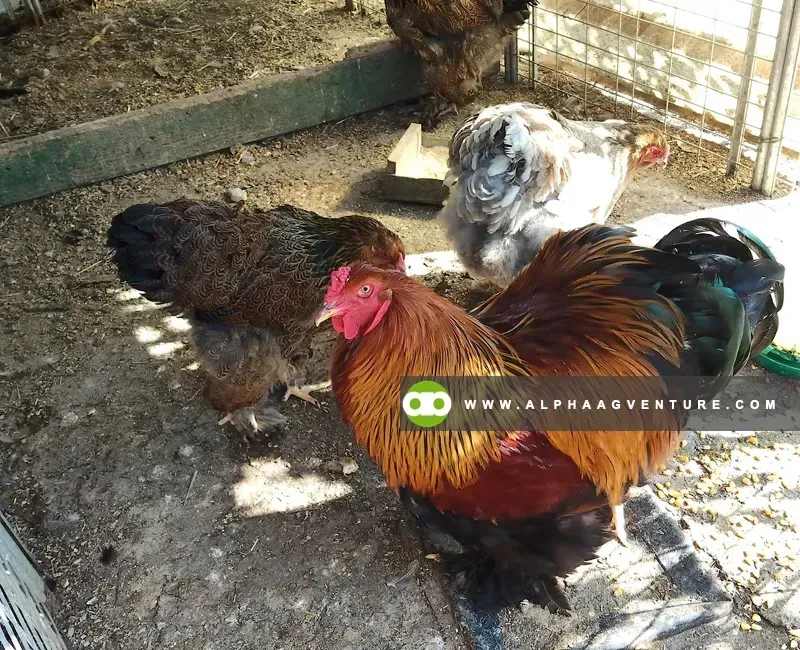
A common worry involves mixing Brahmas with existing chicken breeds already on the property. Brahmas are naturally calm and rarely aggressive, even when housed with lighter or more active birds. Issues usually come from limited feeder space or poor layout, not from the breed itself. Proper planning allows Brahmas to blend smoothly into mixed flocks.
Many buyers researching where to buy Brahma focus heavily on photos and listings rather than management practices. Appearance alone does not reveal vaccination discipline, parasite control, or early nutrition. Birds raised without these basics often struggle after transfer, especially when introduced into established flocks with different immunity backgrounds.
Questions about the price of Brahma often miss the bigger picture of long-term ownership. Lower-cost birds frequently require more corrective care, replacement, or patience. Well-raised Brahmas save time and resources by growing consistently and staying healthy, which matters far more than saving a small amount at the beginning.
Space requirements also come up, particularly for farms already optimized for smaller breeds. Brahmas do need more room, but they compensate with calm behavior and low stress levels. Their temperament reduces injuries and flock tension, making them surprisingly manageable even in carefully planned mixed-breed systems.
Choosing Alpha Agventure Farms means selecting birds raised with intention, documentation, and discipline. For those still looking for Brahma for sale, reliability should outweigh convenience every time. A well-bred Brahma becomes part of a stable system, not another variable to troubleshoot months later.
FREQUENTLY ASKED QUESTIONS
Do Brahma chickens lay enough eggs to justify keeping them?
Brahma chickens are not commercial layers, and expectations should be set accordingly. Egg production is moderate, steady, and seasonal rather than intensive. What makes them worthwhile is consistency over time, larger egg size, and reduced stress-related laying drops. For farms that value reliability, longevity, and dual-purpose utility, Brahmas contribute meaningfully without needing high-pressure production systems.
Are Brahmas suitable for warm or tropical climates?
Brahmas can adapt well to warm climates when housing and airflow are properly managed. Their feathering requires attention to ventilation, shade, and clean bedding. Heat stress usually comes from poor housing design rather than the breed itself. With good airflow, adequate water access, and sensible stocking density, Brahmas remain stable even in warmer regions.
Will Brahmas damage gardens or free-range areas more than other breeds?
Because of their size, Brahmas can cause more ground disturbance when space is limited. However, they are not destructive by nature and rarely scratch excessively compared to high-energy breeds. Providing adequate roaming space, rotational ranging, or managed free-range zones keeps ground damage controlled and prevents unnecessary soil compaction.
Are Brahmas harder to feed compared to smaller chicken breeds?
Brahmas consume more feed due to body size, but feeding difficulty is often exaggerated. They respond well to structured rations and consistent schedules. Overfeeding causes more problems than underfeeding. Balanced nutrition matched to growth stage supports steady development without excessive fat, making feed management predictable rather than complicated.
Do Brahmas require special housing or custom-built coops?
Brahmas do not need specialized housing, but dimensions must be appropriate for their size. Roosts should be lower and wider, while nesting boxes must allow comfortable entry. Standard coops designed for lighter breeds often create stress. Simple adjustments improve comfort, reduce injuries, and support long-term bird welfare without major construction changes.
Are Brahmas prone to specific diseases or health issues?
Brahmas are generally hardy when raised under proper health programs. Issues usually arise from damp bedding, poor ventilation, or neglected parasite control. Feathered legs require cleanliness to prevent mite buildup. Consistent sanitation, vaccination discipline, and dry housing conditions significantly reduce health risks and improve survivability across different management systems.
Can Brahmas be used for breeding and resale purposes?
Brahmas are highly suitable for breeding programs when sourced from disciplined bloodlines. Buyers value size consistency, feather quality, and temperament. Breeding success depends on correct breeder selection and nutrition. Poor-quality foundation stock limits resale potential, which is why sourcing birds with documented lineage and growth standards matters greatly.
Do Brahmas need more time and attention than other chickens?
Brahmas do not require more daily attention, but they do benefit from thoughtful planning. Their calm nature reduces handling stress and flock conflict. Once systems are properly set up, management becomes routine. Most difficulties occur during initial setup rather than ongoing care, especially when expectations are realistic.
Are Brahmas suitable for beginners or only experienced poultry keepers?
Brahmas can be suitable for beginners who are willing to learn and plan ahead. Their temperament is forgiving, which helps new keepers gain confidence. Problems arise when beginners underestimate space, nutrition, or sourcing quality. With guidance and patience, Brahmas often become one of the easier large breeds to manage successfully.
Will adding Brahmas require changing existing housing density or floor space calculations?
Brahmas do not require increased floor space beyond a well-managed standard. A stocking density of 3 birds per square meter remains appropriate when ventilation, litter quality, and access to feeders and drinkers are properly handled. Issues commonly blamed on space are usually caused by poor airflow, wet bedding, or restricted access points, not density itself.

Reviews
There are no reviews yet.