

Description
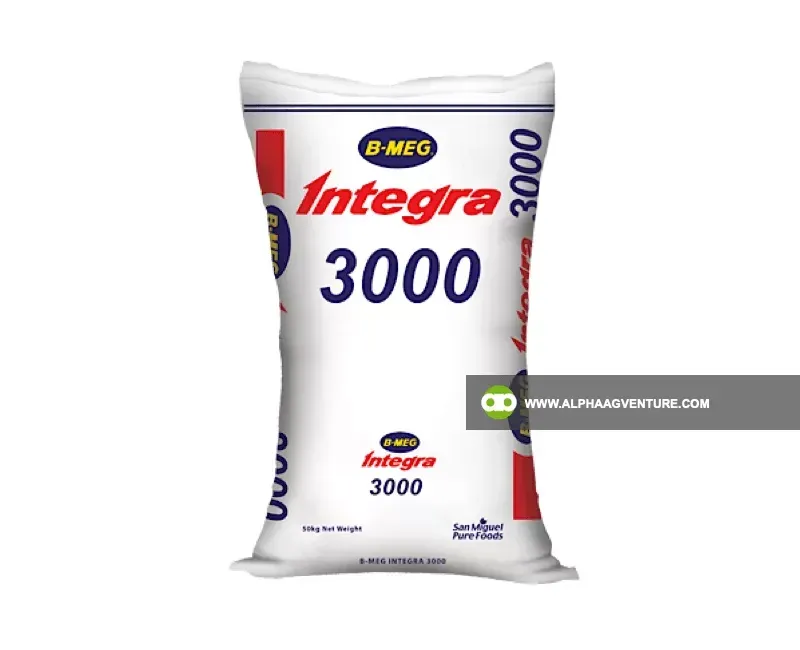
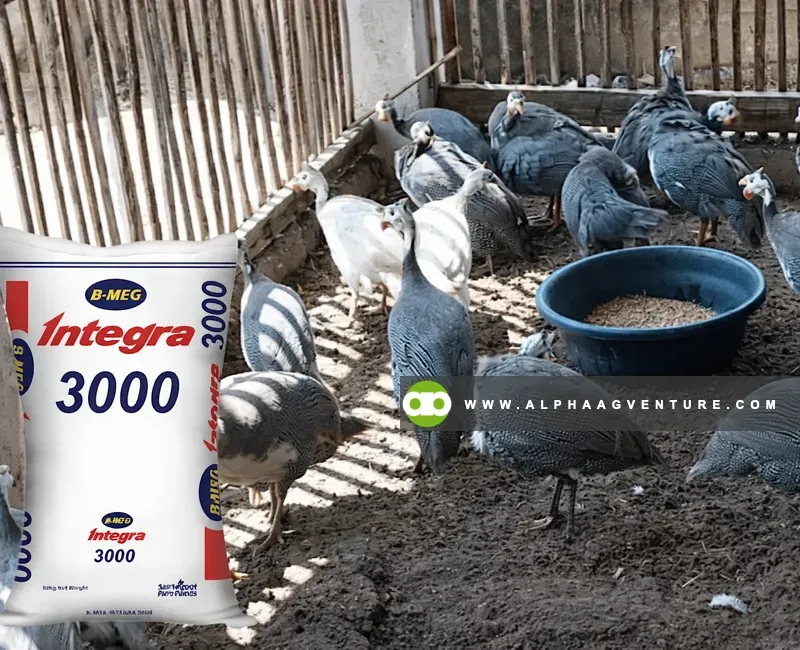
BMEG INTEGRA 3000 FOR SALE
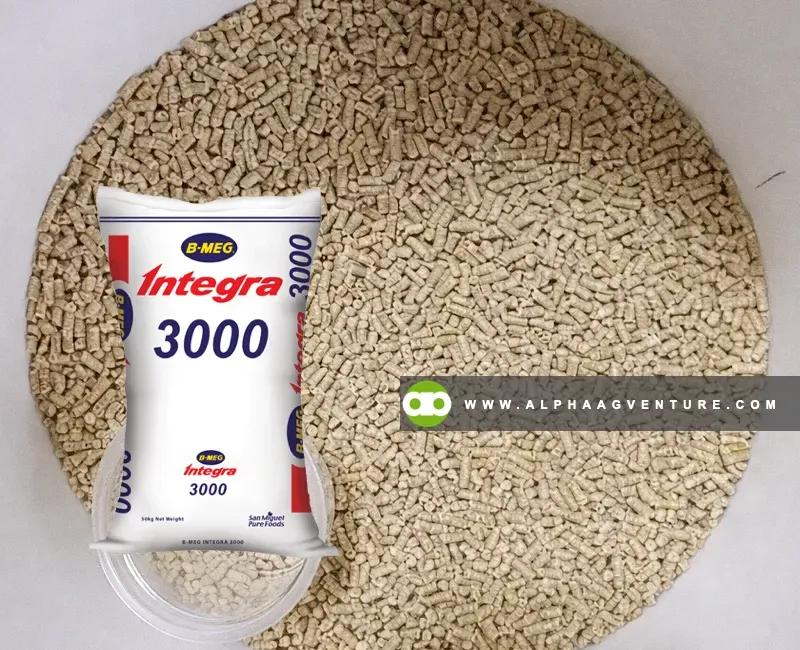
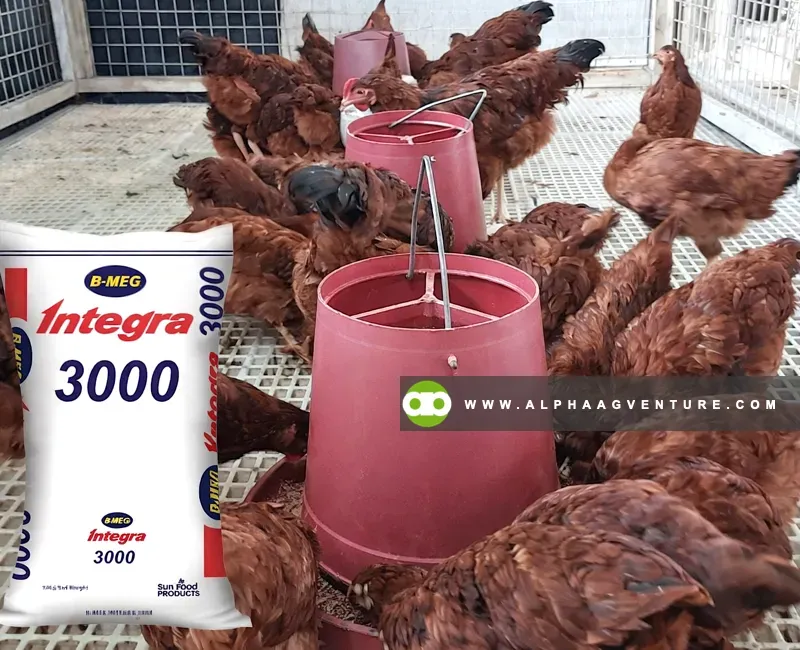
Looking for BMEG Integra 3000 for sale that supports proper growth and prepares pullets for the next stage without compromising feed efficiency? This grower pellet is designed to develop strong body structure, consistent weight gain, and flock uniformity, all of which are critical before birds transition into egg production.
Some farmers question whether a grower feed can truly influence future laying performance. That concern usually comes from inconsistent feeding programs. Integra 3000 focuses on body development and frame growth, helping birds reach the correct maturity so they are physically prepared for the demands of egg production later.
Questions about where to buy BMEG Integra 3000 often come from producers who experienced unreliable supply or inconsistent feed quality. Choosing a dependable supplier ensures proper storage, fresh inventory, and protection from contamination, which directly affects feed intake, digestion, and the overall development of the flock.
Another concern is uneven flock growth. Poor uniformity leads to delayed maturity and inconsistent performance later on. Integra 3000 supports balanced nutrient intake across the flock, helping birds develop at a more consistent rate so they reach the next stage with similar body weights and structural readiness.
Many also ask about the price of BMEG Integra 3000 and whether it justifies the cost. Feed should not be judged by price alone. Strong development, better uniformity, and fewer setbacks often reduce long term production risks, making a properly formulated grower feed more practical over the entire production cycle.
Some farmers worry that birds may reduce feed intake during this stage. Poor palatability can slow down growth and delay maturity. Integra 3000 is formulated to encourage steady consumption, helping birds meet their daily nutrient requirements and maintain consistent development toward the pre-laying stage.
There are also concerns about adaptability across different farm conditions. Environmental stress, management practices, and flock genetics all play a role. This feed is designed to perform under varying conditions, helping maintain stability in bird growth even when farm environments are not perfectly controlled.
Development before laying determines performance during laying. A well-prepared flock enters production with fewer issues and more predictable results. Choosing a reliable grower feed helps avoid costly delays and uneven maturity. For farmers aiming for consistency and readiness, BMEG Integra 3000 for sale remains a practical choice.
FREQUENTLY ASKED QUESTIONS
Can this feed be given to birds that are already laying eggs?
No. A grower pellet is not the right feed for birds that are already in production. Layers need a ration with a nutrient profile that is specifically designed for egg output and shell quality. Using a grower feed for laying birds can create nutritional gaps at the wrong stage. This feed is better used only for the intended growth period before the layer ration begins.
Is this suitable for broilers or other meat birds?
It is better not to assume that one poultry feed is ideal for every type of bird. Grower pellets for future layers are formulated with a different objective from broiler feeds. Broilers are selected and managed for meat production, so their feeding program is designed around a different growth pattern. Using the wrong feed can reduce efficiency and give results that do not match your target.
Will pellet form make some birds eat less?
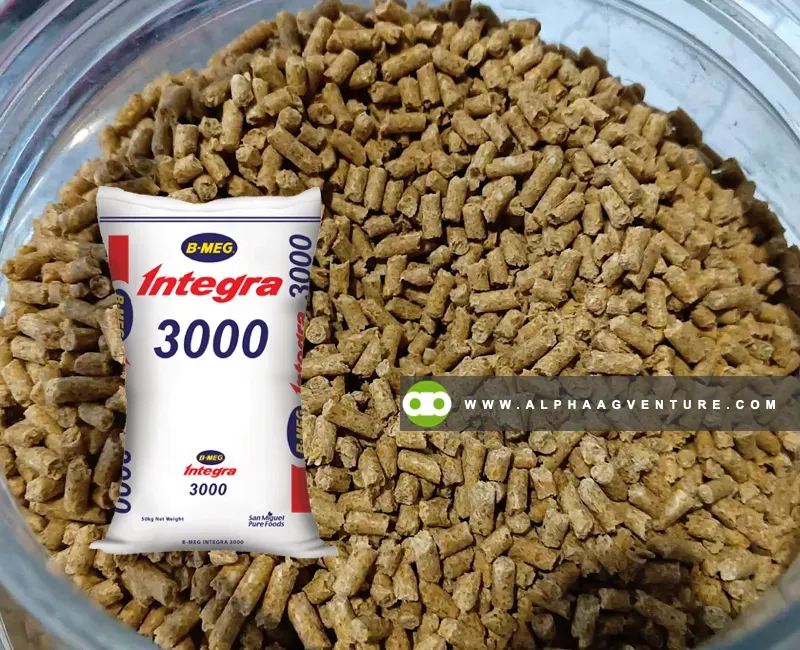
Some farmers worry that pellets may affect acceptance, especially if birds were previously fed mash or crumble. In practice, feed acceptance depends on flock familiarity, management, and the quality of the transition. A sudden shift can create short-term hesitation, but that does not automatically mean the feed is poor. Proper adjustment, consistent feeding times, and clean water usually help birds adapt more smoothly.
Can this make pullets become too fat before the laying stage?
That risk usually comes from poor feed management, wrong timing, or overfeeding rather than from the product name alone. Any feed can create problems when birds are kept on the wrong ration for too long or when body weight is not monitored. The key is to follow the proper stage of feeding, observe flock condition, and shift at the correct time instead of guessing.
Is it safe to shift to this feed right away?
An abrupt change can stress the flock, especially if the birds are used to a different texture or nutrient profile. A gradual transition is usually the safer approach because it allows the digestive system and feeding behavior to adjust. Farmers often blame the feed when birds hesitate, but the real issue is often the speed of the feed change rather than the formulation itself.
Does this need to be mixed with other ingredients to work well?
Not necessarily. Many farmers are tempted to stretch commercial feed by mixing it with cheaper ingredients, but that can dilute the intended nutrient balance. Once the feed is altered without proper formulation knowledge, performance can become less predictable. If the goal is consistency, it is usually better to use the feed as intended rather than turning a balanced ration into a guessing game.
Can this replace good farm management?
No feed can fix poor ventilation, dirty water, overcrowding, weak biosecurity, or inconsistent lighting and management. Even a well-formulated grower pellet will underperform if the farm setup creates unnecessary stress. Feed should support a good production system, not carry a bad one. When results are disappointing, the issue is often management conditions around the feed, not the feed alone.
Will this still perform well in small backyard flocks?
Yes, provided the birds are in the correct stage and the feeding program is managed properly. Some people assume branded feeds only make sense for large farms, but the same principles of development and uniformity apply to smaller flocks. In fact, small flocks can suffer even more from inconsistency because a few underdeveloped birds are easier to notice and harder to ignore.
How should this be stored to avoid waste and quality loss?
Proper storage matters more than many farmers realize. Feed should be kept in a dry, cool, and clean area away from moisture, sunlight, pests, and strong odors. Once feed absorbs moisture or becomes contaminated, intake and quality can suffer. Poor storage can ruin a good product, so it makes little sense to invest in feed and then expose it to preventable spoilage.
Is the more expensive feed always the better choice?
Not always. A higher price does not automatically mean better value, just as a lower price does not automatically mean a smarter purchase. The real question is whether the feed supports the correct stage, delivers consistent quality, and helps avoid costly mistakes in development. Cheap feed that creates uneven growth can become far more expensive once the consequences start showing in the flock.
Reviews
There are no reviews yet.