

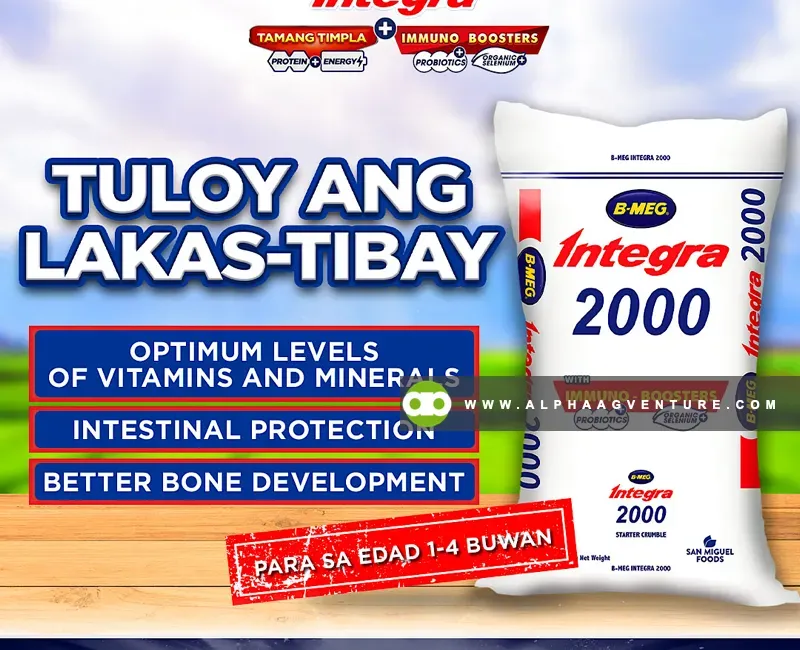
Description
BMEG INTEGRA 2000 FOR SALE
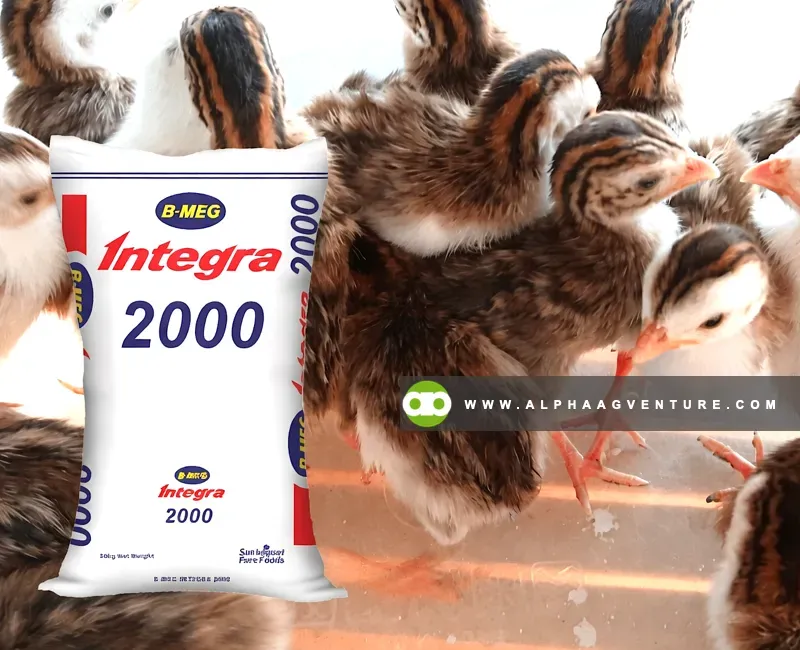
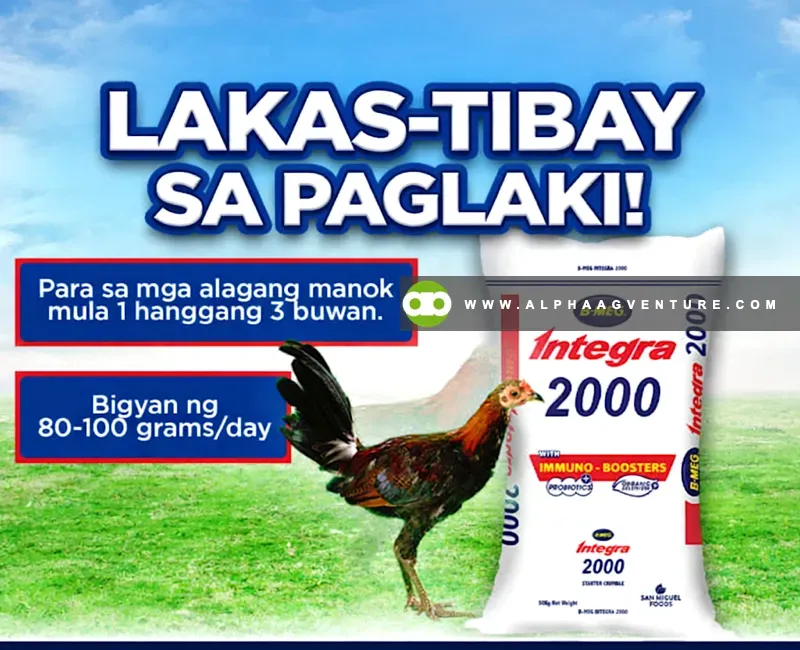
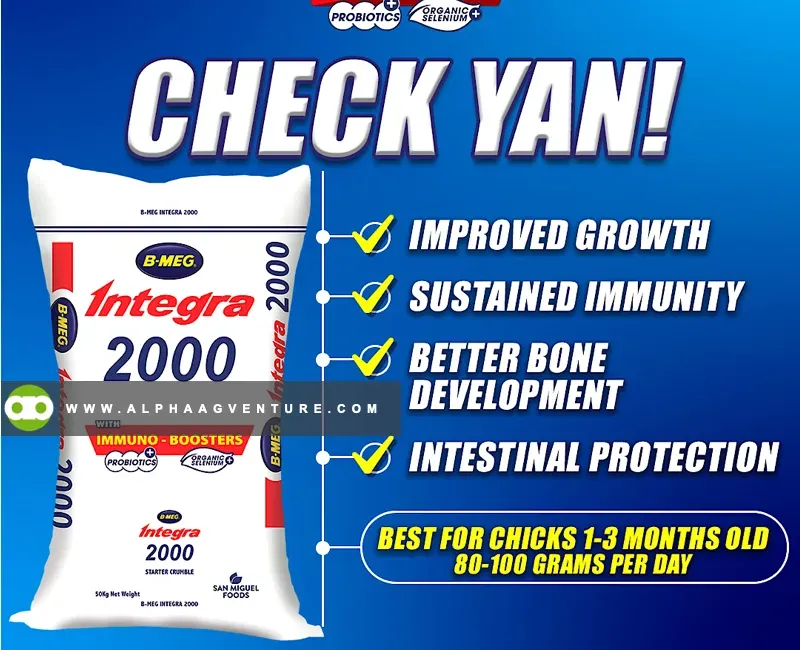
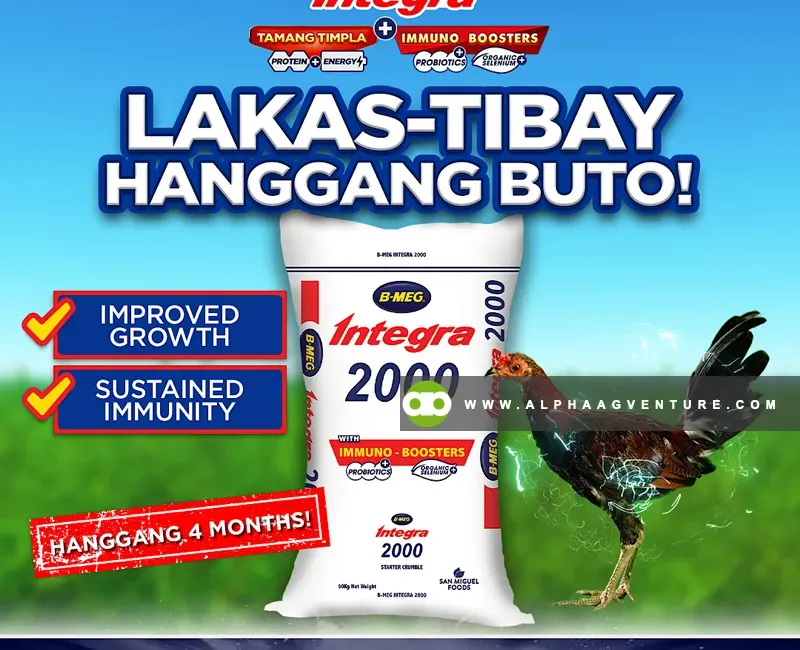
Looking for BMEG Integra 2000 for sale that supports consistent growth across different poultry types without compromising feed efficiency? This grower feed is designed for broilers, pullets, and other growing birds, helping maintain uniform development, strong appetite, and reliable weight gain under real farm conditions where performance consistency matters.
Some farmers worry that a single feed cannot suit different poultry types. That concern usually comes from poorly balanced formulations. Integra 2000 is designed to support general grower requirements, providing balanced nutrients that help birds maintain steady development regardless of whether they are raised for meat or future egg production.
Questions about where to buy BMEG Integra 2000 often come from producers who experienced inconsistent feed supply or quality issues. Feed performance depends heavily on handling and storage. A reliable supplier ensures proper stock rotation, freshness, and protection from contamination, which directly affects intake, digestion, and overall flock performance.
Another concern is whether birds will maintain strong appetite during the grower stage. Poor intake leads to uneven growth and delayed timelines. Integra 2000 is formulated for palatability, encouraging consistent feeding behavior while supporting efficient digestion so birds continue gaining weight without unnecessary feed waste or performance drops.
Many farmers compare the price of BMEG Integra 2000 with other grower feeds and question its value. Looking at cost alone can be misleading. A feed that supports better feed conversion and uniform growth often reduces overall production expenses, making it a more practical choice over time.
Some producers hesitate due to past experiences with feeds that failed to deliver consistent results. Reliability matters more than marketing claims. Integra 2000 is produced under controlled standards, helping ensure nutrient balance and batch consistency so farmers can depend on stable performance across different flocks and production cycles.
Feed management during the grower stage influences final outcomes, whether birds are raised for meat or egg production. A well-formulated grower feed supports this critical phase. Integra 2000 helps sustain growth momentum, maintain uniformity, and prepare birds for their next stage without unnecessary stress or nutritional gaps.
Reliable feed is not just about nutrients. It is about predictability, efficiency, and long term results across different poultry operations. Choosing the right grower feed reduces risks and supports better planning. For farmers seeking dependable performance across bird types, many turn to BMEG Integra 2000 for sale.
FREQUENTLY ASKED QUESTIONS
Is BMEG Integra 2000 too strong for smaller or slower-growing birds?
Not necessarily. Farmers sometimes assume that a grower feed will push birds too hard, but the real issue is whether the feed is used at the proper stage and in the proper amount. When matched with the bird’s age, type, and management program, it can support steady development rather than forcing unnatural growth that creates avoidable problems.
Will this feed cause birds to become too fat instead of developing properly?
That usually depends more on feeding management than on the feed name itself. Birds can put on excess fat when they are overfed, under-exercised, or managed poorly for their intended purpose. A grower feed should be given according to the correct phase, with proper portioning and observation, so body development stays balanced instead of becoming unnecessarily heavy.
Can this feed be given dry only, or can it be mixed with other ingredients?
Many farmers ask this because they want to stretch feed costs or adjust texture for their birds. The safest approach is to use it as intended, because once other ingredients are added, the nutrient balance changes. Mixing can dilute protein, energy, vitamins, or minerals, which may reduce the consistency and predictability that the feed is supposed to provide.
Will birds reject this feed if they are used to another brand?
Some birds may need a short adjustment period when changing from one feed to another, especially if texture, smell, or particle size differs. That does not automatically mean the feed is poor. A gradual transition helps birds adapt more smoothly, reduces feed refusal, and lowers the chance of unnecessary stress that may affect intake and performance.
Is this a risky choice during hot weather?
Heat is a valid concern because birds often reduce feed intake when temperatures rise. That said, the problem is not always the feed itself. Poor ventilation, limited drinking water, and overcrowding usually make the issue worse. With proper water access and temperature management, birds are in a better position to maintain intake and continue developing under hot conditions.
Does this feed create too much manure or make the poultry house smell worse?
Excess manure and foul odor are often blamed on feed, but management plays a major role. Wet litter, poor ventilation, dirty drinkers, and overfeeding can worsen the situation. A properly used grower feed should support digestion, but the housing environment still determines whether manure stays manageable or becomes an ongoing cleanliness and odor problem.
Can this feed be used in small backyard flocks, or is it only practical for bigger farms?
It can still be practical for small flocks as long as the birds are at the proper stage for a grower feed. Backyard raisers sometimes think only large farms benefit from a more structured feeding program, but consistent nutrition matters at any scale. Even smaller flocks benefit when feed selection is based on growth stage instead of guesswork.
Will this feed shorten the productive life of birds intended for future laying?
That concern usually comes from fear that faster growth will harm long term performance. In reality, what matters is whether birds are managed according to a proper rearing program. Feed should match the stage of development, and body condition should be monitored. Problems usually come from poor feeding decisions overall, not from choosing a grower feed alone.
Is it safe to store this feed for a long time?
Feed should not be treated like a product that can sit indefinitely without risk. Even good feed can lose quality when exposed to heat, moisture, pests, or poor storage conditions. The better practice is to buy from a supplier with proper stock turnover and store bags in a cool, dry, clean area to protect freshness and feeding value.
Do I need extra vitamins or supplements on top of this feed?
That depends on the farm situation, not just on the feed itself. Many farmers add supplements automatically, thinking more is always better. In reality, unnecessary supplementation can increase cost without delivering clear benefit. It is better to assess bird condition, stress level, water quality, and management issues first before deciding whether extra support is actually needed.
Reviews
There are no reviews yet.