

Description
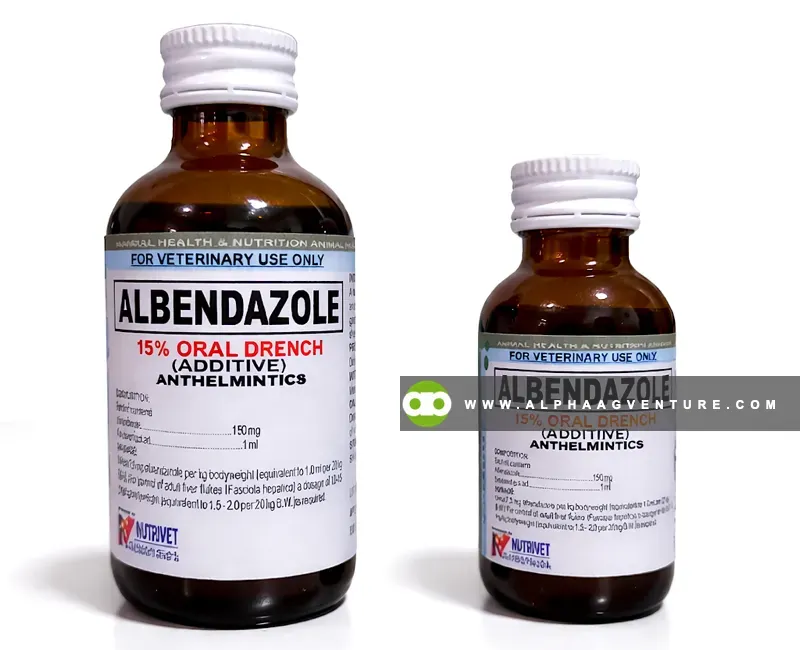
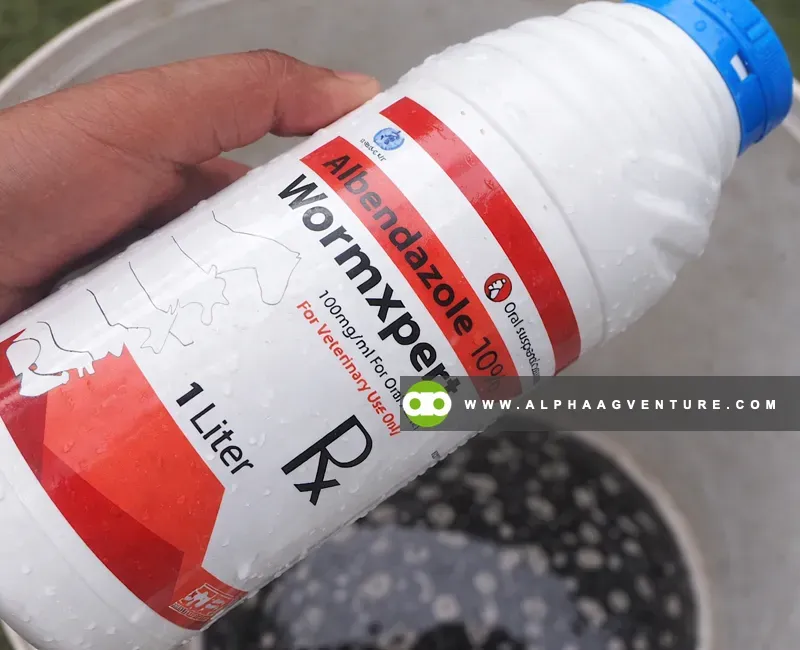
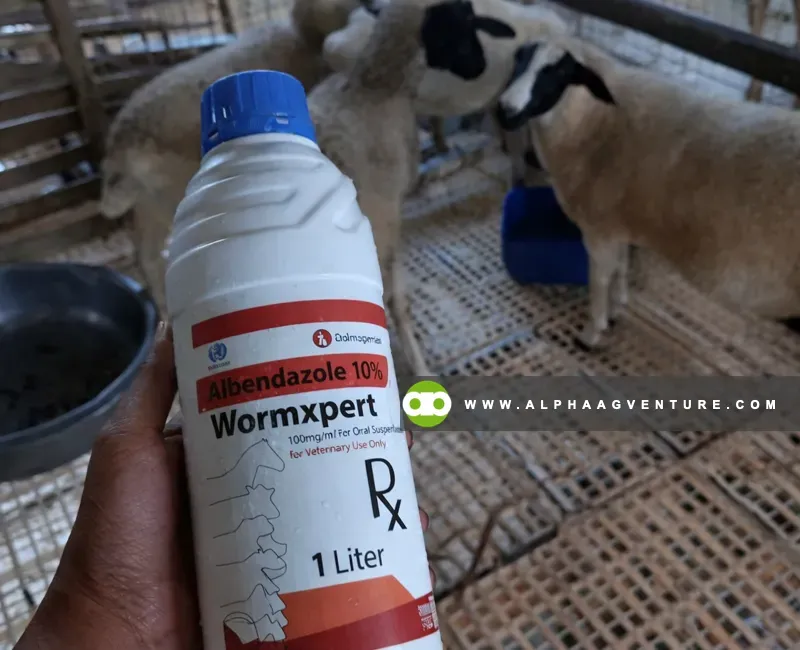
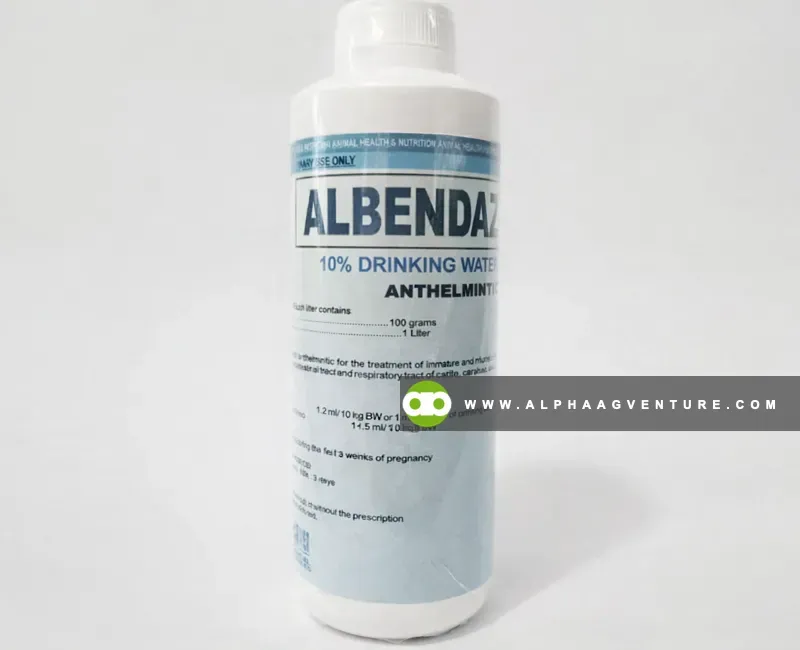
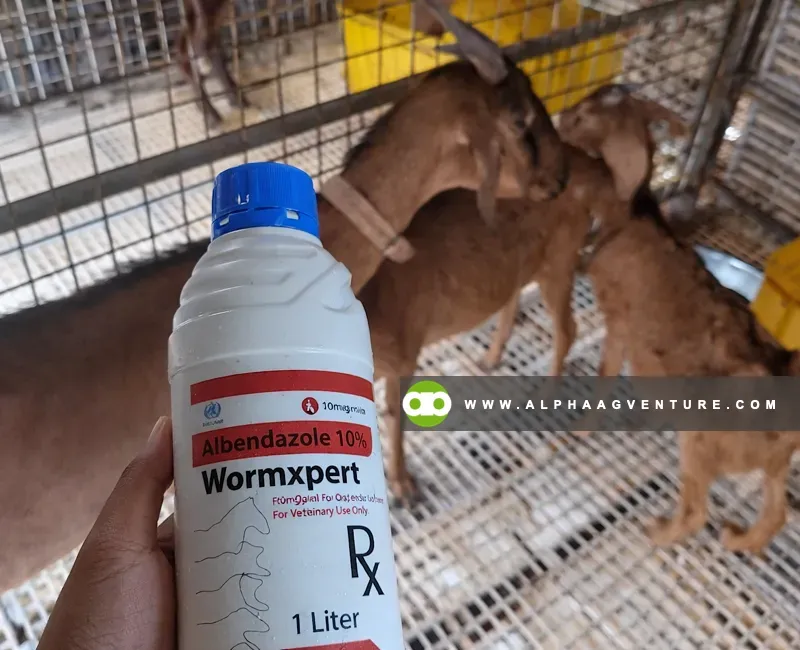
ALBENDAZOLE DEWORMER FOR SALE
Is Albendazole dewormer for sale the solution when parasites quietly drain performance? Internal worms reduce feed efficiency, slow growth, and weaken immunity across livestock. A well-formulated albendazole product targets common gastrointestinal parasites, helping restore condition without complicated routines, making it a practical choice for farms that need dependable and straightforward parasite control programs.
Skepticism often comes from inconsistent results seen elsewhere. That usually traces back to underdosing, poor timing, or counterfeit products. Albendazole works when administered correctly based on body weight and parasite load. Proper use interrupts worm life cycles, preventing reinfestation and supporting steady gains in weight, milk yield, and overall herd vitality.
Concerns about where to buy Albendazole dewormer often revolve around authenticity and handling. Alpha Agventure Farms is recommended because storage conditions and sourcing are controlled. This reduces the risk of degraded or fake products entering your operation, ensuring the dewormer you administer performs as expected under real farm conditions without unnecessary guesswork.
Some hesitate due to species differences. Albendazole is commonly used in cattle, goats, and sheep, with guidance extending to other livestock under veterinary advice. The key is correct dosage and observing withdrawal periods. When handled responsibly, it becomes a flexible tool across mixed farming systems without requiring separate dewormers for each animal group.
Questions about the price of Albendazole dewormer often miss the larger picture. Parasite burdens silently reduce productivity every day. Investing in an effective deworming schedule prevents losses in feed conversion, growth rates, and reproductive performance. The cost of treatment is typically far lower than the hidden losses caused by unmanaged infestations over time.
Another concern is safety. Albendazole has an established track record when used according to label directions. Proper dosing avoids toxicity, while observing withdrawal periods protects consumers. Routine deworming schedules, combined with pasture management, strengthen long-term parasite control rather than relying on emergency treatments when animals already show visible decline.
Farmers also ask if one treatment is enough. In most cases, deworming should be strategic, not one-time. Rotational programs, fecal monitoring, and seasonal timing improve outcomes. Albendazole becomes more effective when integrated into a broader parasite management plan rather than used reactively after problems escalate across the herd.
Choosing a reliable supplier of Albendazole dewormer matters as much as the product itself. Consistent supply, proper storage, and clear guidance make a difference in results. For farms aiming to protect productivity without unnecessary complications, Albendazole dewormer for sale remains a practical and proven option when sourced and used correctly.
FREQUENTLY ASKED QUESTIONS
Can Albendazole still make sense even if the animals do not look heavily infested?
Parasites do not always announce themselves with dramatic signs. Many animals keep eating, walking, and appearing normal while worms steadily reduce feed efficiency, growth, coat quality, and overall thriftiness. Waiting for obvious decline can mean the damage has already been done. Strategic deworming is often about prevention and control, not just emergency correction after visible losses appear.
Will Albendazole ruin beneficial gut function or make the animals weak after treatment?
A common fear is that deworming will somehow “shock” the animal and leave it weaker than before. In practice, what farmers sometimes notice after treatment is the body adjusting while parasite burdens are being reduced. When used correctly, Albendazole is intended to target internal parasites, not to strip the animal of normal digestive function or healthy condition.
What if the animals are already on vitamins, minerals, or supportive supplements?
Many farmers hesitate to deworm because they are also giving multivitamins, trace minerals, or nutritional support and do not want to disrupt the program. In general, deworming is part of herd management, not the enemy of supplementation. Supportive nutrition and parasite control often work better together because the animal can use nutrients more efficiently once worm pressure is reduced.
Does Albendazole lose value if the farm has sanitation problems or wet ground?
Some assume deworming is pointless unless the environment is already perfect. While sanitation and drainage absolutely matter, that does not make treatment useless. It means treatment should be one part of a broader improvement plan. Even on farms still working through muddy pens, stocking density, or pasture pressure, reducing parasite load can still help protect animal performance.
What if the worms come back after some time? Does that mean the dewormer failed?
Not necessarily. Reappearance of parasites does not automatically mean the product was ineffective. Reinfection can happen when animals return to contaminated areas, graze heavily used ground, or remain in conditions that favor parasite survival. A dewormer reduces the existing parasite burden at the time of treatment. Long-term success depends on management, timing, and overall parasite control discipline afterward.
Is Albendazole only for large commercial farms, or can small raisers benefit too?
Smallholders sometimes think parasite control products are more relevant to big operations with formal herd programs. In reality, smaller farms can feel the effects of worms even more sharply because every animal represents a larger share of household income or breeding value. A single slow-growing goat, underperforming sheep, or weakened calf can matter a great deal in a small-scale setup.
What if previous dewormers seemed disappointing? Why consider Albendazole at all?
Past disappointment does not always mean all dewormers are the same or useless. Results can be affected by product quality, inaccurate weight estimates, wrong treatment intervals, severe parasite pressure, or poor administration technique. Albendazole remains worth considering when the issue may have been execution rather than the concept of deworming itself. Good parasite control starts with correct product use and farm discipline.
Can Albendazole help protect breeding performance, or is deworming only about weight gain?
Some farmers focus only on growth and overlook how parasite pressure can affect reproductive efficiency. Animals carrying worm burdens may divert nutrients away from body maintenance, recovery, and breeding readiness. While Albendazole is not a fertility drug, reducing internal parasite stress can support better body condition, which is an important foundation for reproductive performance and overall farm productivity.
What if the animals are hard to handle and the farm wants something practical, not complicated?
A valid objection is operational difficulty. Some farms avoid treatment simply because catching, restraining, and dosing animals takes time and labor. That is understandable, but avoiding parasite control usually creates bigger losses later. A practical deworming schedule can be built around existing handling routines such as weighing, regrouping, health checks, or breeding management, making the process more manageable over time.
Is Albendazole still worth considering if the goal is long-term herd consistency, not just short-term recovery?
Yes. One of the strongest reasons to use a dewormer is not only to rescue animals that are already slipping, but to support more consistent herd performance across seasons. Internal parasites can create uneven growth, poor thriftiness, and unpredictable output. Farms aiming for steadier results often include parasite control as a routine discipline, and Albendazole dewormer can fit that role well.



Reviews
There are no reviews yet.