

Description
MOLASSES FOR SALE
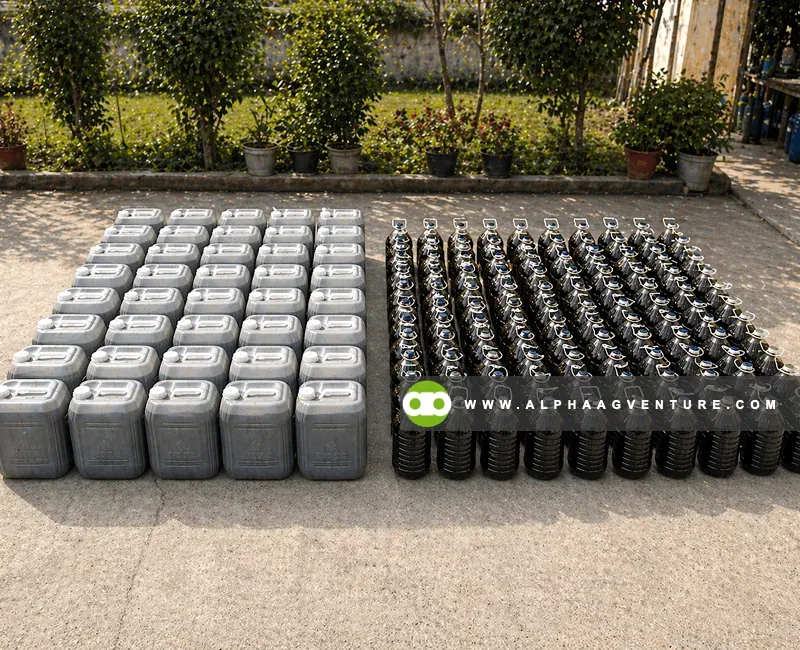
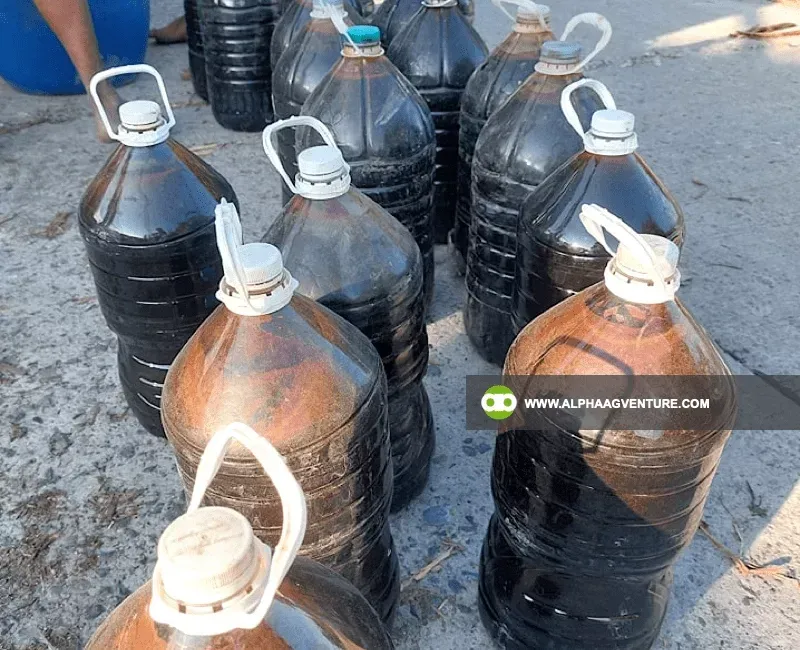
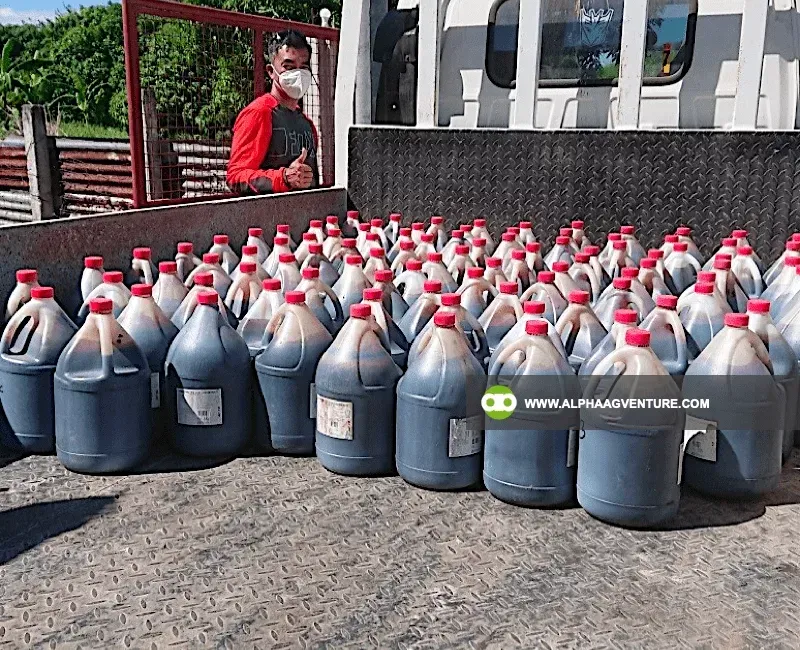
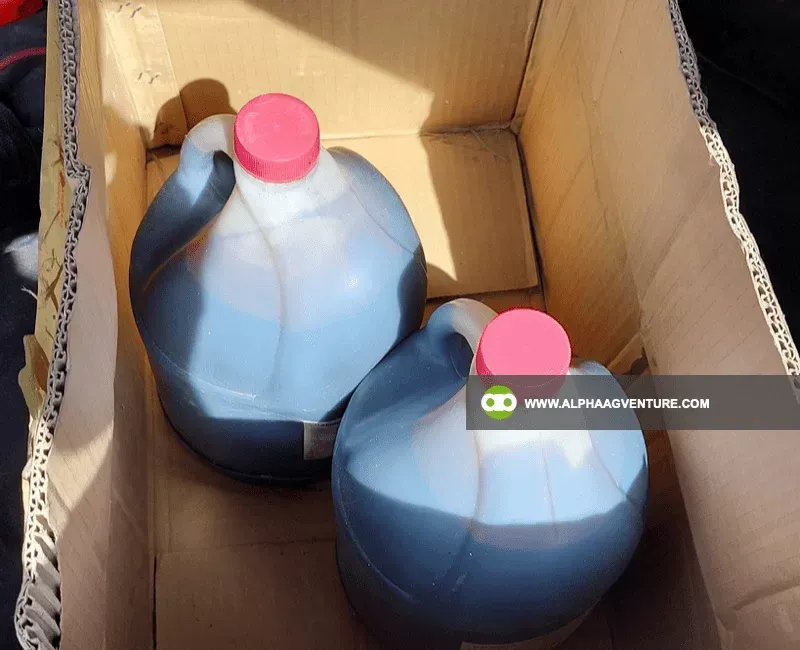
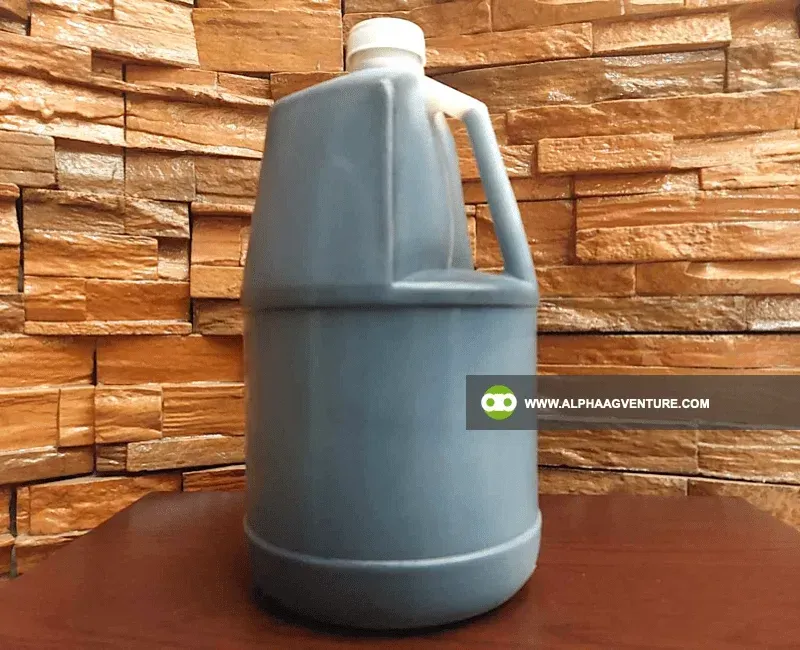
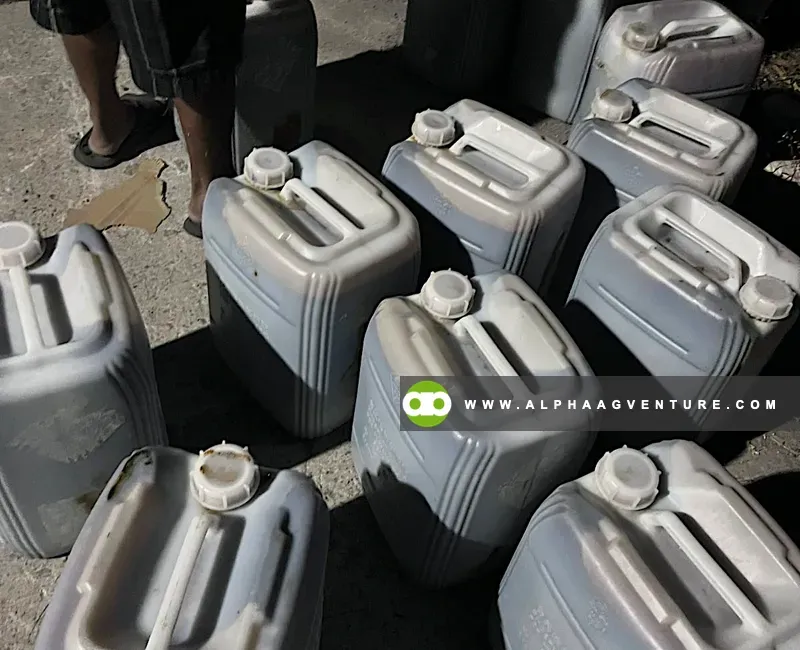
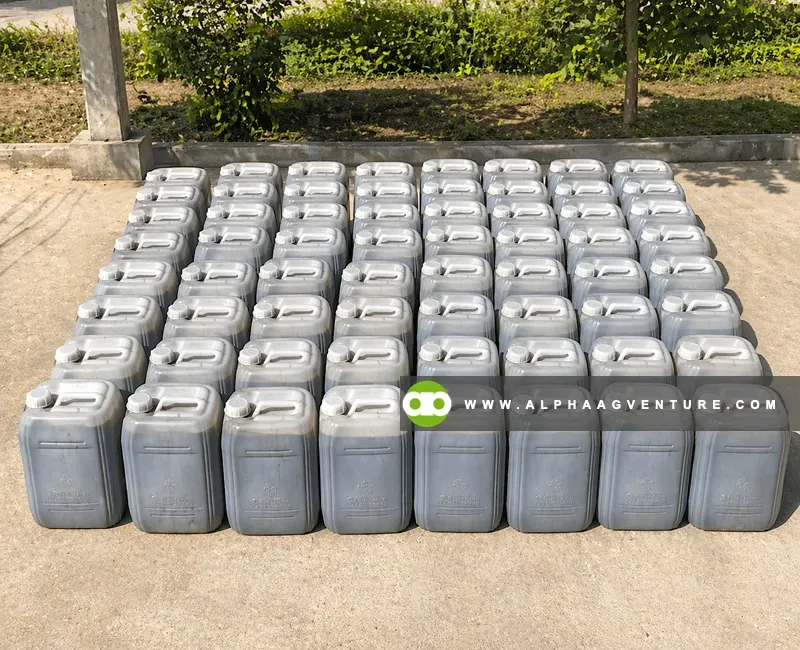
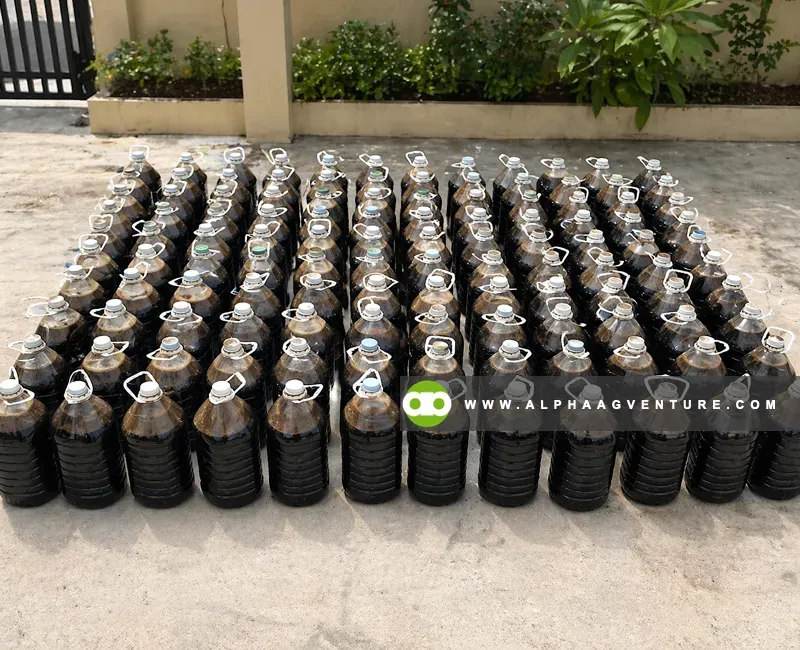
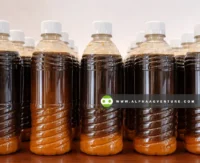
Looking for molasses for sale that gives more than sticky sweetness? Alpha Agventure Farms offers pure blackstrap molasses built for livestock feeding, not guesswork. With Total Sugar As Inverted at 52 to 53% and a Brix score of not less than 80°, it delivers measurable quality serious farmers can actually use.
Those numbers are not decorative details. Higher TSAI means more fermentable sugar, which gives livestock added energy during growth, lactation, work, and other demanding stages. A strong Brix level reflects dense soluble solids, helping ensure the product is rich enough to contribute meaningfully to feeding programs instead of simply adding bulk.
If you are asking where to buy molasses, the better question is where to buy one with specifications worth trusting. Alpha Agventure Farms is a practical choice for farmers who want real numbers behind the product. That matters because feed supplements without clear standards can vary widely in usefulness and consistency.
Some farmers hesitate because they think all molasses is basically the same. It is not. Differences in sugar content and concentration affect feeding value. Pure blackstrap molasses with strong TSAI and Brix levels can better support ration quality, which helps improve feed intake, digestion, and overall nutrient utilization in day to day farm conditions.
Another common concern is the price of molasses. A cheaper option may look attractive at first, but low cost means little if the product is weaker, diluted, or inconsistent. Paying for dependable concentration can make better economic sense because the animals receive a more useful energy source with every properly measured inclusion.
Others worry that molasses may only suit large farms. That is not the case. It works for both smallscale and commercial livestock operations when used properly. Whether the goal is to support growth, improve milk production, or help animals during stressful periods, a concentrated molasses can fit many practical feeding strategies.
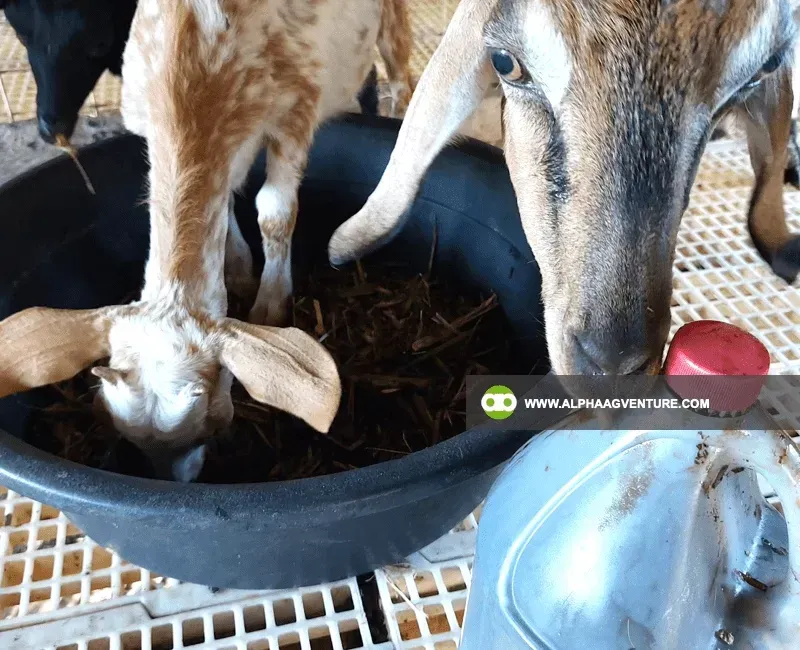
There is also the concern that sweet feed additives might be too simple to matter. In reality, quality molasses can support better palatability, which encourages intake when animals are off feed or under pressure. Better consumption often supports better performance, including body condition, reproductive response, and recovery after physically demanding periods.
Choosing the right supplier of molasses is really about choosing dependable feeding value. Alpha Agventure Farms offers pure blackstrap molasses with strong specifications, including 52 to 53% TSAI and at least 80° Brix, for farmers who want substance behind the label. For serious livestock feeding, this is molasses for sale.
FREQUENTLY ASKED QUESTIONS
Can molasses replace grains or commercial feeds in a cattle ration?
No. Molasses should be treated as a supplement, not a full substitute for grains, roughage, or properly balanced commercial feeds. It mainly contributes readily available energy and improved palatability, but it does not supply the complete nutrient profile cattle need for maintenance, growth, milk production, reproduction, and long-term health. A good ration still requires adequate fiber, protein, minerals, vitamins, and overall balance. Molasses works best when it supports a feeding program rather than trying to carry it alone.
Will molasses make cattle scour or develop digestive problems?
Molasses can create digestive issues if it is given too much, introduced too fast, or used in an already high-energy ration without proper adjustment. That risk does not mean molasses is a bad product. It means feeding discipline matters. When introduced gradually and used at sensible levels, molasses can help improve feed intake and ration uniformity. The problem usually comes from overuse, poor mixing, or the assumption that if a little helps, a lot must help more.
Is molasses only useful for dairy cattle and not for beef cattle?
Not at all. Molasses can be useful for both dairy and beef cattle when it is included for the right reason. In dairy systems, it is often valued for supporting intake and energy supply during demanding production stages. In beef systems, it can improve palatability, reduce dust in feed, and help make rougher ingredients more acceptable. Its usefulness depends less on the class of cattle and more on how intelligently it is applied in the ration.
What if my cattle are not used to molasses and refuse it at first?
That concern is understandable, but refusal is not always a sign that molasses is unsuitable. Sometimes the issue is simply abrupt introduction, excessive concentration, or uneven mixing. Start with a small amount and blend it thoroughly with familiar feed ingredients so cattle adjust gradually. Once animals become accustomed to the smell, taste, and texture, acceptance often improves. The transition matters. A sudden large addition can create hesitation even when the product itself is perfectly fine.
Does thick molasses make feeding too inconvenient for everyday farm use?
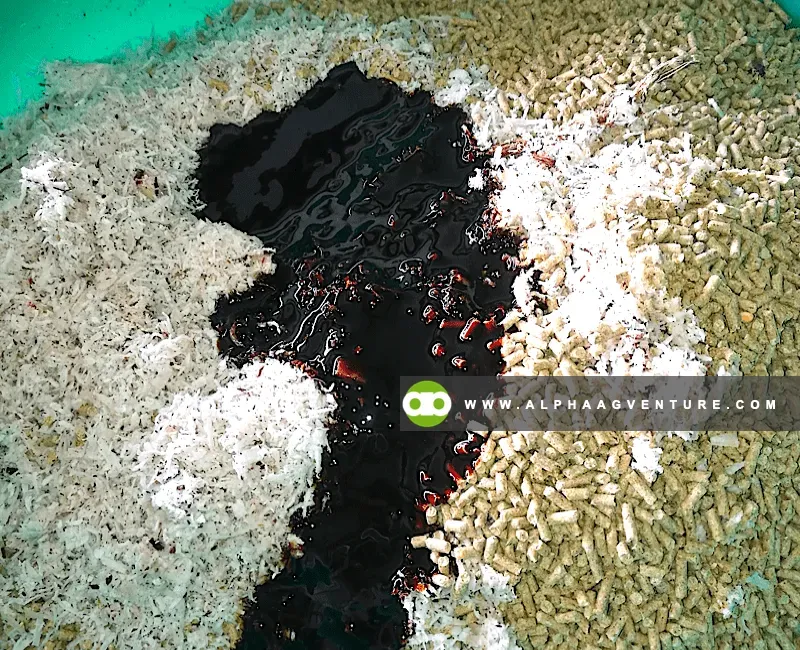
Handling can be messy if the setup is poor, but that does not make molasses impractical. Many farms manage it successfully using simple tools such as scoops, ladles, drums with controlled outlets, pumps, or partial dilution before mixing. The key is to build a routine around it instead of expecting it to behave like dry feed. Once a method is established, the added effort is usually outweighed by better feed acceptance, less sorting, and more controlled ration presentation.
How do I know the molasses is not diluted or low quality?
That is exactly why specifications matter. A serious buyer should not rely on color, sweetness, or seller confidence alone. Ask about measurable indicators such as Total Sugar As Inverted and Brix. At Alpha Agventure Farms, pure blackstrap molasses is backed by a TSAI of 52 to 53% and a Brix score of not less than 80°. Those figures help distinguish a concentrated product from one that merely looks convincing inside a container.
Can molasses attract flies, ants, or create sanitation problems on the farm?
It can, but that usually happens when it is spilled, poorly stored, or allowed to accumulate around feeding areas. Clean handling greatly reduces that problem. Keep containers sealed, avoid overpouring, and clean drips before they build up. In mixed rations, cattle usually consume molasses-coated feed readily, which limits leftovers when feeding is managed properly. The issue is less about molasses itself and more about whether farm discipline is strong enough to keep the area orderly.
Is molasses still worth using if my cattle already have good forage?
Yes, because good forage does not automatically make every supplement unnecessary. Molasses can still serve useful purposes even when roughage quality is decent. It can improve palatability, help bind dusty ingredients, encourage more uniform intake, and provide an additional energy source during stressful or demanding periods. The goal is not always to rescue a poor ration. Sometimes the goal is to refine a good ration so it performs more consistently under real farm conditions.
Will molasses cause cattle to become too fat instead of productive?
That depends on total ration management, not on the mere presence of molasses. Any energy source can contribute to excess condition if fed carelessly and without regard for the animal’s stage, purpose, and overall intake. Molasses should be included in a controlled way that fits growth, finishing, breeding, or milk production objectives. When used properly, it supports performance. When used irresponsibly, it can push energy intake beyond what the animal actually needs. The difference is management.
Why should I choose a supplier with stated specifications instead of the cheapest available source?
Because the cheapest option is not always the cheapest once performance is considered. If molasses is diluted, inconsistent, or poorly handled, you may save on purchase price but lose through weaker feeding value, erratic intake, and disappointing results. A supplier that provides clear specifications gives you more confidence in what you are actually feeding. With Alpha Agventure Farms, the emphasis is not just on selling molasses, but on supplying pure blackstrap molasses with measurable standards that serious livestock farmers can evaluate.
Reviews
There are no reviews yet.