

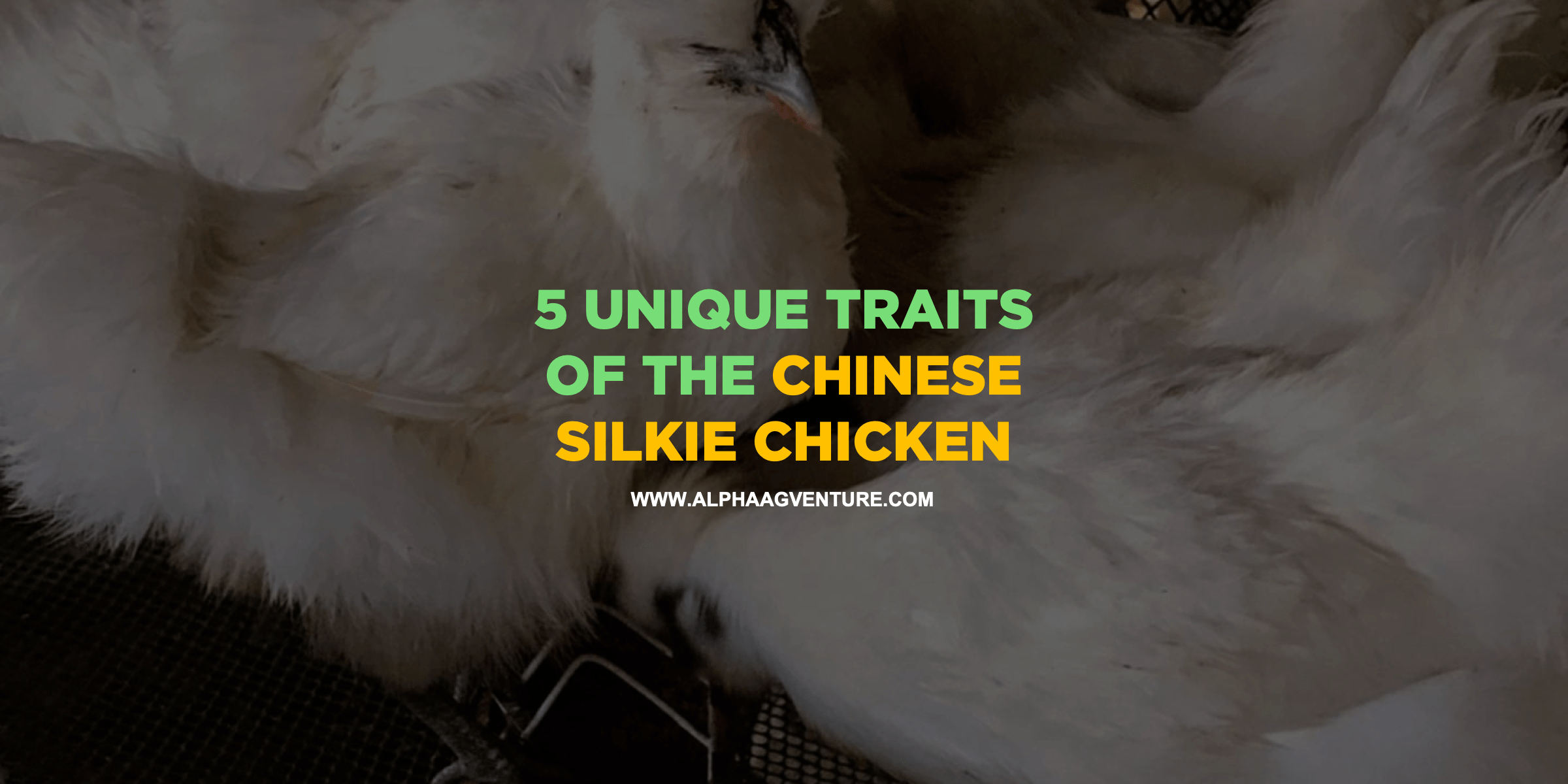
The first time I laid eyes on a Chinese Silkie, I honestly had to pause and ask myself if I was looking at a chicken at all. Its plumage looked more like the fur of a rabbit than the feathers of a bird. The feathers puffed out in all directions, and its face was half-hidden under what seemed like a feathery pom-pom. At that moment, I understood why people often describe Chinese Silkies as living cotton balls that cluck.
That single encounter set off a curiosity in me that has not gone away. What fascinates me about Chinese Silkies is not just their novelty value, but how they represent one of the most unusual combinations of genetic quirks, cultural traditions, and practical uses in the poultry world. Scientists are intrigued by their unusual pigmentation and genetic mutations, while hobbyists adore them for their temperament and striking looks. It is not common to find a single breed of chicken that earns equal respect in both academic journals and backyard flocks, yet the Chinese Silkie manages to do exactly that.
In this lecture, I want to do more than share trivia. My goal is to tell the story of Chinese Silkies in a way that blends scientific explanation with personal reflection. Along the way, I will walk you through five weird facts that continue to surprise people who meet this breed for the first time: their black skin and bones, their fluffy feather structure, their extra toes, their reputation as natural mothers, and their imperial history.
Weird Fact #1: Black Skin, Black Bones, and Black Meat
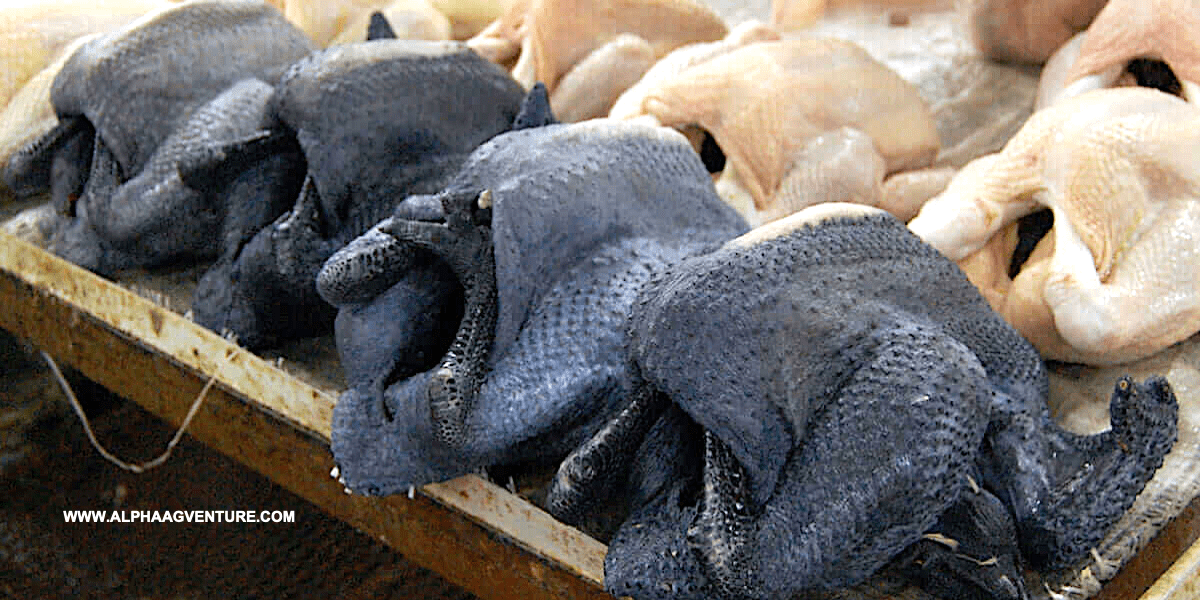
One of the strangest things you discover when you butcher or even cook a Chinese Silkie is that its flesh is jet black. Not just the skin, but the meat, the connective tissue, and even the bones carry that same dark color. When I first saw this, I admit I felt a momentary hesitation. I was used to the pale flesh of commercial broilers or the slightly yellow tone of native chickens, but never something this dramatically different.
The scientific explanation lies in a genetic condition called fibromelanosis. Unlike ordinary pigmentation, which only affects the skin and feathers, fibromelanosis causes an overproduction and migration of melanocytes throughout the bird’s connective tissues. This gives Chinese Silkies their signature black meat, bones, and skin. Researchers have linked this condition to a chromosomal rearrangement that activates an otherwise dormant gene associated with melanin deposition (Dorshorst et al., 2011). In other words, what looks bizarre on the dinner table is actually a fascinating example of how a single genetic switch can transform an entire organism’s appearance.
For centuries, Chinese Silkies have held a respected place in Traditional Chinese Medicine. Their meat, often stewed with herbs like ginseng or goji berries, is believed to replenish blood, strengthen immunity, and aid recovery after childbirth (Zhao et al., 2019). Whether or not you personally believe in medicinal food, there is no denying the cultural weight this breed carries in China and across Asia. Many families will go out of their way to source Chinese Silkie meat for special occasions, because it is seen as both nutritious and restorative.
Now, a fair question arises: Is the black meat safe to eat? Skepticism is natural when you see something that defies your expectations. Fortunately, several studies have examined its safety and nutritional profile. A comparative analysis between Chinese Silkie and commercial broilers found that Silkie meat had higher levels of carnosine, anserine, and certain amino acids with antioxidant properties, which may contribute to its health reputation (Qiao et al., 2017). Furthermore, despite its unusual pigmentation, the meat is completely safe to consume and in many cases may even be more nutrient-dense than conventional chicken.
So while at first glance black bones and skin might seem off-putting, what lies beneath is both scientifically fascinating and nutritionally respectable. The Chinese Silkie challenges our assumptions about what a chicken should look like, and in doing so, it opens up new conversations about genetics, culture, and food.
Weird Fact #2: Fluff Instead of Feathers
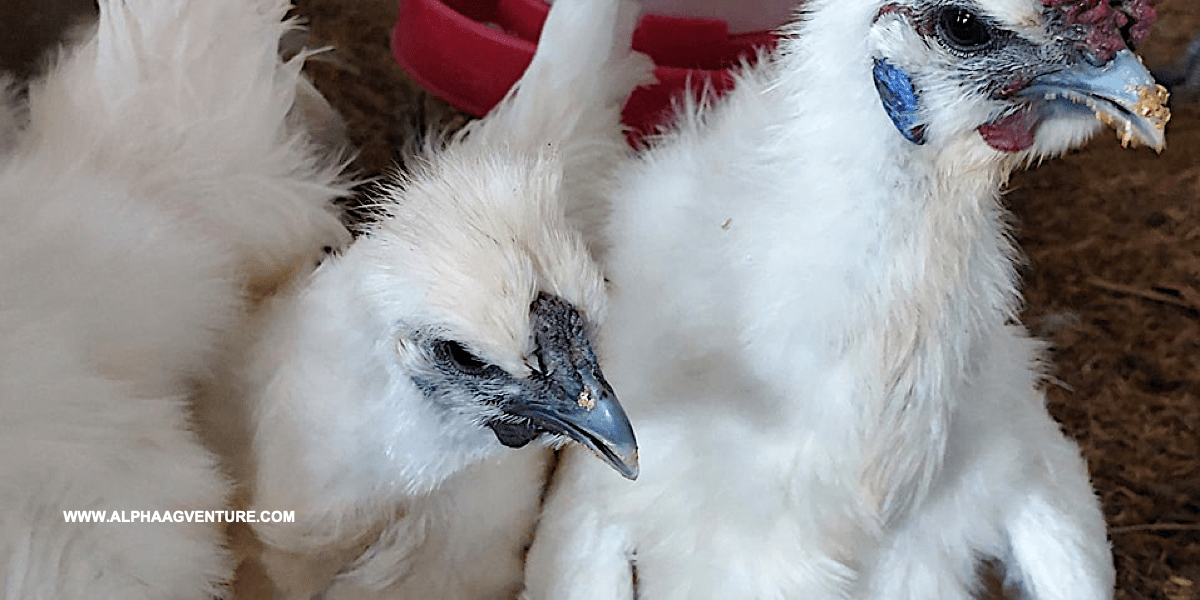
The first thing anyone notices about Chinese Silkies is that they look nothing like the chickens most of us grew up seeing. Their bodies are covered with fluffy plumage that resembles strands of fine silk or fur rather than feathers. When I picked up a Chinese Silkie for the first time, I realized their feathers lacked the smooth interlocking structure that gives other chickens a neat, aerodynamic appearance.
The scientific reason lies in feather microstructure. Normal chicken feathers have tiny hook-like structures called barbicels that lock the feather barbs together, creating a flat, firm surface. Chinese Silkies lack these barbicels, which causes their feather barbs to remain loose and open. This results in the characteristic “fluff ball” appearance, where their plumage puffs outward instead of lying flat (Cheng et al., 2018). Without the interlocking system, their feathers function more like down insulation than flight feathers.
This unique feathering has both advantages and challenges. On one hand, it makes Chinese Silkies visually distinct and soft to the touch, often earning them a place as ornamental or pet chickens. On the other hand, the absence of barbicels limits their ability to shed water effectively. A Silkie caught in the rain can quickly become soaked through, which increases the risk of hypothermia in cooler climates (Scanes, 2015). Thermoregulation becomes more dependent on human management, such as providing dry shelters, bedding, and supplemental heat in extreme cold.
Some people object that this feather structure makes Chinese Silkies inherently fragile or unhealthy. I disagree. While their care requirements differ from conventional breeds, fragility is not the same as weakness. A well-managed Chinese Silkie can thrive in a variety of environments. What they need is thoughtful husbandry: ensuring protection from rain, keeping coops dry, and avoiding overcrowding. In fact, their fluffy plumage can be advantageous in warm climates, where the looser structure may help with heat dissipation compared to tightly packed feathers (Yang et al., 2020).
Chinese Silkies remind us that what looks like a liability can often be managed into a strength, provided we understand the biology behind it.
Weird Fact #3: Extra Toes – The Polydactyl Trait
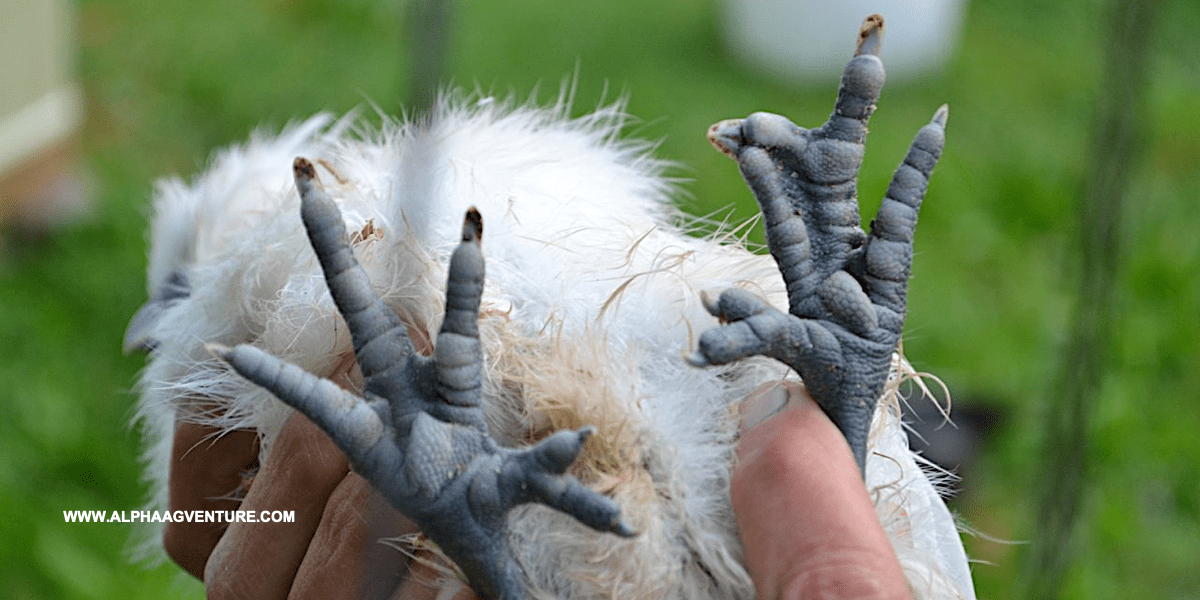
When I first picked up a Chinese Silkie chick and looked at its feet, I thought my eyes were playing tricks on me. Instead of the usual four toes you’d expect from any chicken, this little bird had five. Some Chinese Silkies even show a rudimentary sixth toe, though it is less common. This condition is called polydactyly, and while it might look unusual, it is not random.
The genetic basis of polydactyly in chickens has been linked to mutations that affect the Sonic hedgehog (SHH) signaling pathway, a key regulator of limb development. Studies have shown that a single nucleotide polymorphism near the limb enhancer of the SHH gene is responsible for the extra digits in Chinese Silkies (Dorshorst et al., 2010). In other words, the breed carries a well-documented genetic trait that reliably produces more than the standard four toes.
Historically, polydactyl birds have fascinated humans. Extra toes were often considered lucky or mystical, and in some cultures, they symbolized uniqueness and purity of bloodlines. Marco Polo’s writings even mentioned the odd-feathered, many-toed chickens of the East, which historians believe were Chinese Silkies (Crawford, 1990). The fascination continues today, with many poultry keepers seeing the fifth toe as a hallmark of authenticity for the breed.
A common objection is that extra toes might cause mobility problems. Thankfully, research and practical observation suggest otherwise. As long as the toes are properly aligned, Chinese Silkies walk, scratch, and perch just as effectively as four-toed chickens. Problems only arise when deformities such as twisted digits occur, and these are more the exception than the rule (Somes, 1990). In short, the extra toes are more of a genetic signature than a disability.
Weird Fact #4: Natural Mothers and Broodiness
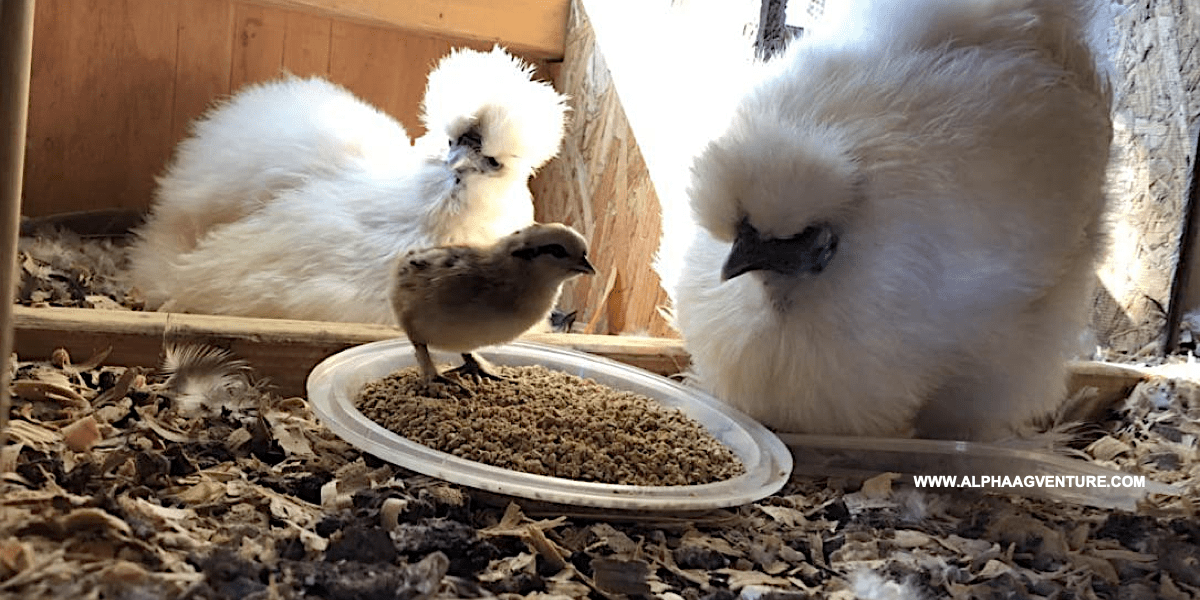
Among the breeds that poultry keepers often praise for their mothering ability, the Chinese Silkie is consistently near the top of the list. I learned this myself after watching a Silkie hen sit so patiently on her clutch that she seemed to forget her own needs. While many commercial breeds have had broodiness bred out of them to maximize egg production, Chinese Silkies remain deeply instinctual mothers.
Their broodiness is so strong that farmers often use them as surrogate hatchers. A Chinese Silkie hen will sit not only on her own eggs but also on the eggs of other breeds, and sometimes even on the eggs of entirely different species such as quails or pheasants (Pang et al., 2013). Once the chicks hatch, she will raise them as if they were her own, often more diligently than the biological mother would. This makes Chinese Silkies highly valued in mixed flocks, where they serve as natural incubators.
Of course, the obvious objection is that broodiness reduces egg production. This is true. A broody hen stops laying eggs because her body shifts energy from egg production to incubation and chick rearing. From a commercial standpoint, this seems like a disadvantage. However, from an evolutionary perspective, broodiness is a survival mechanism. By investing in fewer eggs but ensuring higher hatch rates and chick survival, Chinese Silkies increase the likelihood of their genetic legacy being passed on (Romanov & Weigend, 2001).
For small-scale farmers or hobbyists, the trade-off can even be beneficial. Instead of investing in artificial incubators, they can rely on the natural instincts of their Chinese Silkies. In this sense, what seems like an economic limitation in one context becomes a practical advantage in another.
Weird Fact #5: An Ancient Breed with Imperial Ties
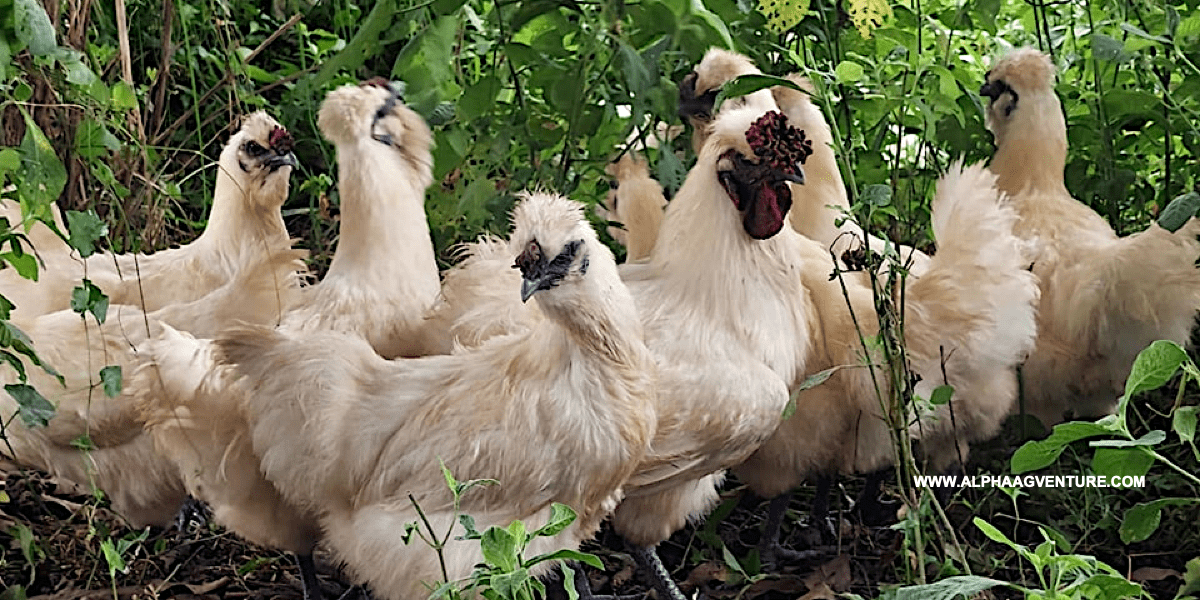
The Chinese Silkie is not just another backyard curiosity. Its roots reach deep into Chinese history, with references to the breed dating back more than a thousand years. Written records from the Tang Dynasty already mentioned chickens with “hair-like feathers” being raised as delicacies and curiosities in noble households (Liu & Liu, 2010). This places Chinese Silkies among the oldest documented poultry breeds in the world.
One of the most famous historical references comes from Marco Polo, who described during his travels in Asia the existence of “furry chickens” that looked more like rabbits than birds (Polo, 1958/1993). While his accounts often mix fact with embellishment, this particular description is consistent with the appearance of Chinese Silkies. It suggests that their reputation as odd but treasured animals had already spread beyond China centuries ago.
Some might argue that Chinese Silkies are simply ornamental birds, more suited for exhibitions than practical farming. While their appearance certainly adds ornamental value, reducing them to that role overlooks their cultural and culinary significance. In China, Silkie meat has been used in traditional medicinal cooking for centuries, valued for its supposed restorative properties (Zhao et al., 2019). At the same time, their reputation as natural brooders continues to provide farming utility, as discussed earlier.
Thus, Chinese Silkies straddle multiple roles: they are cultural symbols, historical curiosities, medicinal food sources, and functional farm animals. Their enduring presence across these domains demonstrates that they are much more than ornamental oddities.
More Than Just a Weird Bird
After walking through these five strange but fascinating traits, I find myself even more convinced that the Chinese Silkie deserves its reputation as one of the most unique chicken breeds in the world. From black bones and skin shaped by genetic quirks, to fluffy plumage without barbicels, to an extra toe that marks them apart, every feature tells a story of both biology and history. Add to this their unmatched broodiness and the centuries of cultural reverence that trace back to Chinese dynasties and Marco Polo’s accounts, and the picture that emerges is far richer than that of an ornamental oddity.
The Chinese Silkie is a living example of how science and tradition can meet in one small, feathered body. Now I want to hear from you: which of these five weird facts surprised you the most, and do you see Chinese Silkies as more than just a novelty bird?
References
- Dorshorst, B., Molin, A. M., Rubin, C. J., Johansson, A. M., Strömstedt, L., Pham, M. H., Chen, C. F., Hallböök, F., Ashwell, C., & Andersson, L. (2011). A complex genomic rearrangement involving the endothelin 3 locus causes dermal hyperpigmentation in the chicken. PLoS Genetics, 7(12), e1002412. https://doi.org/10.1371/journal.pgen.1002412
- Qiao, M., Fletcher, D. L., Smith, D. P., & Northcutt, J. K. (2017). The chemical composition and quality characteristics of Silkie chicken meat compared with broiler meat. Poultry Science, 96(12), 4411–4417. https://doi.org/10.3382/ps/pex262
- Zhao, X., Liu, X., & Zhang, Y. (2019). Nutritional and functional evaluation of Silkie chicken meat in traditional diets. Journal of Ethnic Foods, 6(2), 1–7. https://doi.org/10.1186/s42779-019-0014-3
- Cheng, H., Zhao, R., Wang, J., & Lin, L. (2018). Structural characteristics of Silkie chicken feathers and their genetic basis. Poultry Science, 97(9), 3123–3131. https://doi.org/10.3382/ps/pey188
- Scanes, C. G. (2015). Sturkie’s avian physiology (6th ed.). Academic Press.
- Yang, S., Li, Y., & Hou, Z. (2020). Thermal adaptation and feather structure in Silkie chickens compared to commercial breeds. Journal of Poultry Research, 29(4), 257–265. https://doi.org/10.1016/j.jpr.2020.06.003
- Crawford, R. D. (1990). Poultry breeding and genetics. Elsevier.
- Dorshorst, B. J., Okimoto, R., & Ashwell, C. M. (2010). Genomic regions associated with polydactyly in the Silkie chicken. Animal Genetics, 41(2), 161–165. https://doi.org/10.1111/j.1365-2052.2009.01985.x
- Somes, R. G. (1990). Mutations and major variants of plumage and skin in chickens. In R. D. Crawford (Ed.), Poultry breeding and genetics (pp. 169–208). Elsevier.
- Pang, S., Zhang, T., & Yang, Z. (2013). Broodiness and maternal behavior in Silkie chickens compared with commercial layers. Asian-Australasian Journal of Animal Sciences, 26(3), 401–408. https://doi.org/10.5713/ajas.2012.12531
- Romanov, M. N., & Weigend, S. (2001). Analysis of genetic diversity in chicken populations by microsatellite markers. Poultry Science, 80(8), 1057–1063. https://doi.org/10.1093/ps/80.8.1057
- Liu, Y., & Liu, Y. (2010). The historical origins of Silkie chickens in Chinese culture. China Animal Husbandry Journal, 46(7), 42–47.
- Polo, M. (1993). The travels of Marco Polo (H. Yule, Trans.). Dover Publications. (Original work published 1958)
Mr. Jaycee de Guzman is a self-taught agriculturist and the founder of Alpha Agventure Farms, recognized as the leading backyard farm in the Philippines. With a rich background in livestock farming dating back to the early 1990s, Mr. de Guzman combines his expertise in agriculture with over 20 years of experience in computer science, digital marketing, and finance. His diverse skill set and leadership have been instrumental in the success of Alpha Agventure Farms.